boy's solid color shirt other textile materials
CN → US| HS编码 | 关税税率 | 原产国 | 目的国 | 文档 |
|---|---|---|---|---|
| 6105908060 | 23.1% | CN | US | 官方文档 |
| 6206900040 | 24.2% | CN | US | 官方文档 |
| 6105901000 | 32.4% | CN | US | 官方文档 |
| 6105100030 | 37.2% | CN | US | 官方文档 |
| 6105202030 | 49.5% | CN | US | 官方文档 |
商品图片
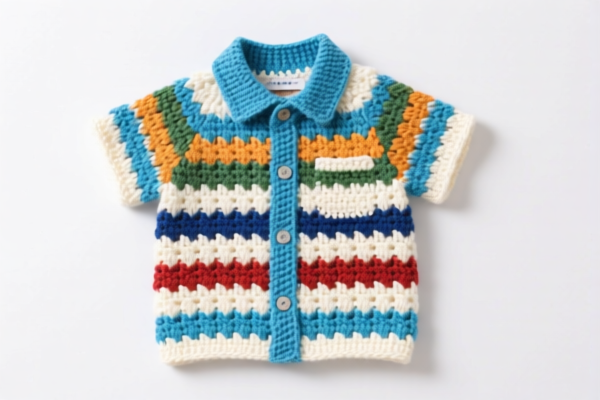
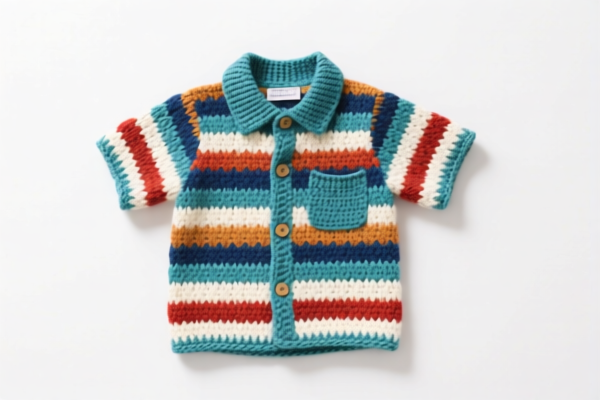
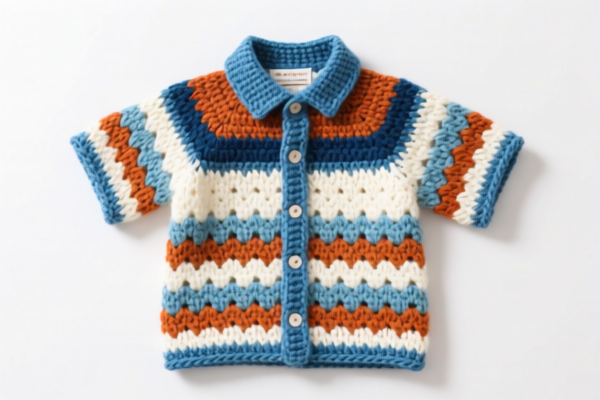
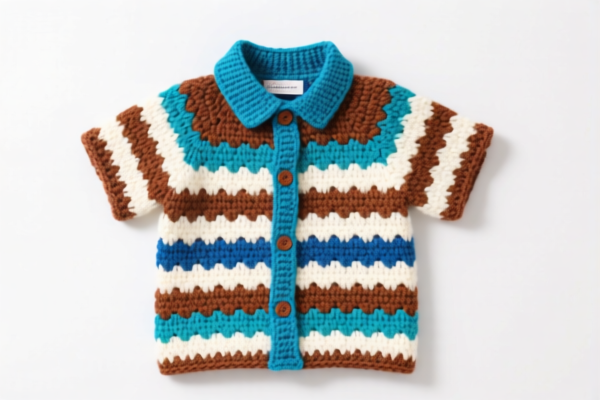
AI分析
👕 Boy's Solid Color Shirt (Other Textile Materials) – The Ultimate HS Code & Tax Guide (2026)
🌐 HS Code Reference & Customs Clearance Guide | 2026 Latest Tariff Analysis | Professional Strategy
⚠️ CRITICAL ALERT: The "Solid Color" Trap!
Many importers believe a "solid color" shirt is simpler to declare. Wrong! Under US Customs and Border Protection (CBP) rules, "Solid Color" implies Cotton for boys' shirts unless explicitly stated as "Other Textile Materials" and supported by lab tests.
- If you say "Solid Color" + "Other Textiles" → CBP may assume it’s Cotton but mislabeled.
- Result: You might be classified under 6105.10.00.30 (Cotton) instead of "Other Textiles", leading to massive tax discrepancies and potential penalties.
Key Takeaway: Always specify the exact fiber content (e.g., "Polyester Blend," "Viscose") in your commercial invoice and label. Do NOT rely on "Solid Color" as a material description.
📦 Section I: Product Definition & Classification Logic
Product: Boy’s Shirt (Knitted or Crocheted)
Description: "Solid color, other textile materials"
Classification Challenge: The term "other textile materials" is a catch-all in HS nomenclature. It excludes wool, fine animal hair, and cotton. However, CBP often requires proof that the item is not cotton if "solid color" is used.
🔍 How CBP Interprets "Other Textile Materials"
- Non-Cotton: Must be synthetic (polyester, nylon) or man-made (viscose, acrylic).
- Non-Wool: Must not contain wool or fine animal hair.
- Knitted vs. Woven:
- Knitted/Crocheted → Chapter 61
- Woven (Non-Knitted) → Chapter 62
📊 Section II: HS Code Breakdown & Tax Analysis (2026)
Below are the 5 specific HS Codes from the provided data, ordered by Total Tax Rate (Low to High). This is critical for cost optimization.
| HS Code | Description | Total Tax Rate | Tax Breakdown | Risk Level |
|---|---|---|---|---|
| 6105.90.80.60 | Boy’s Shirt, Other Textile Materials, Knitted/Crocheted | 23.1% | Base: 5.6% Add'l: 7.5% 122 Clause: 10% |
✅ LOWEST TAX |
| 6206.90.00.40 | Boy’s Shirt, Other Textile Materials, Non-Knitted/Non-Crocheted (Woven) | 24.2% | Base: 6.7% Add'l: 7.5% 122 Clause: 10% |
✅ LOW TAX |
| 6105.90.10.00 | Boy’s Shirt, Other Textile Materials, NOT Wool/Fine Animal Hair | 32.4% | Base: 14.9% Add'l: 7.5% 122 Clause: 10% |
⚠️ MEDIUM TAX |
| 6105.10.00.30 | Boy’s Solid Color Shirt, Inferred Cotton, Knitted/Crocheted | 37.2% | Base: 19.7% Add'l: 7.5% 122 Clause: 10% |
🔴 HIGH TAX (Trap!) |
| 6105.20.20.30 | Boy’s Shirt, Material Conflicts with Artificial Fibers, Knitted/Crocheted | 49.5% | Base: 32.0% Add'l: 7.5% 122 Clause: 10% |
🔴 HIGHEST TAX (Avoid!) |
📌 Explanation of the "Solid Color" Trap (6105.10.00.30):
- CBP assumes "Solid Color" + "Boy's Shirt" = Cotton unless proven otherwise.
- If you import a polyester solid-color shirt and declare it as "Other Textile Materials" without proof, CBP may reclassify it as Cotton (6105.10.00.30) → 37.2% tax.
- Solution: Provide a fiber analysis report from an accredited lab (e.g., SGS, Intertek) stating: "100% Polyester, Solid Color."
💰 Section III: Detailed Tax Structure (US Import from China)
All rates apply to China-origin goods under current US trade policies (2026).
🎯 1. 6105.90.80.60 – Best Case Scenario (23.1%)
- Base Tariff (MFN): 5.6%
- Section 301 / 122 Clause Additional Tariff: 7.5% + 10% = 17.5%
- Total: 23.1%
- Why It’s Low: This code captures "Other Textile Materials" that are not wool and not cotton. It’s the most favorable for synthetic blends (e.g., poly-cotton blends where polyester dominates).
🎯 2. 6206.90.00.40 – Woven Alternative (24.2%)
- Base Tariff (MFN): 6.7%
- Additional Tariffs: 7.5% + 10% = 17.5%
- Total: 24.2%
- When to Use: If the shirt is woven (not knitted). Woven shirts are more common in dress shirts; knitted in T-shirts/polos.
🎯 3. 6105.90.10.00 – "Not Wool" Clarification (32.4%)
- Base Tariff (MFN): 14.9%
- Additional Tariffs: 7.5% + 10% = 17.5%
- Total: 32.4%
- Why Higher? This code is used when the material is "Other Textile" but CBP requires explicit confirmation it’s not wool. The higher base rate (14.9%) reflects stricter scrutiny.
- Action: Ensure your invoice states "Non-Wool, Non-Fine Animal Hair."
🎯 4. 6105.10.00.30 – The "Cotton" Assumption (37.2%)
- Base Tariff (MFN): 19.7%
- Additional Tariffs: 7.5% + 10% = 17.5%
- Total: 37.2%
- Danger Zone: If CBP deems your "Solid Color" shirt as Cotton due to lack of proof, this is your default classification.
- How to Avoid: Submit fiber content proof upfront. If it’s cotton, declare it as 6105.10.00.30 directly to avoid penalties.
🎯 5. 6105.20.20.30 – The "Material Conflict" Penalty (49.5%)
- Base Tariff (MFN): 32.0%
- Additional Tariffs: 7.5% + 10% = 17.5%
- Total: 49.5%
- Why So High? This code is applied when the material description is vague or conflicting (e.g., "Other Textile" but lab test shows high cotton content, or label says "Polyester" but test shows Wool).
- Prevention: Accurate labeling is non-negotiable. Discrepancies between invoice, label, and test report lead to this code.
🛠️ Section IV: Customs Clearance Best Practices (2026)
✅ 1. Documentation Checklist (Mandatory)
| Document | Purpose | Key Detail |
|---|---|---|
| Commercial Invoice | Customs valuation | Must state: "Boy’s Shirt, Knitted, 100% Polyester, Solid Color." |
| Fiber Analysis Report | Prove "Other Textile" | Issued by SGS/Intertek. Must confirm non-cotton, non-wool. |
| Label Copy | Regulatory compliance | US law requires: "Made in [Country]" + fiber content (e.g., "100% Polyester"). |
| Packing List | Quantity verification | Match invoice quantities exactly. |
| Bill of Lading (B/L) | Shipment proof | Ensure HS Code is consistent across all docs. |
✅ 2. Declaration Strategy (Avoid Pitfalls)
- DO NOT use vague terms like "Boy’s Shirt, Other Textile" without proof.
- DO specify: "Boy’s Knitted Shirt, 100% Polyester, Solid Color, Non-Wool."
- If Cotton: Declare as 6105.10.00.30 from the start. Don’t try to hide it under "Other Textile."
✅ 3. Labeling Requirements (USCPA)
- Fiber Content: Must be on the label (e.g., "100% Polyester").
- Country of Origin: Must be visible (e.g., "Made in China").
- Care Instructions: Required but less critical for tariff classification.
- Risk: If label says "Cotton" but invoice says "Other Textile" → 49.5% tax.
✅ 4. Special Cases
- Blends: If the shirt is a blend (e.g., 65% Polyester, 35% Cotton), it is still classified as "Other Textile" if cotton is not the dominant fiber. However, CBP may scrutinize blends >50% cotton.
- Embroidery/Prints: If the "solid color" has large prints, CBP may question the "solid color" description. Be precise: "Solid Color Base with Print."
🌍 Section V: Global Market Comparison (2026)
| Market | Recommended HS Code | Total Tariff (China Origin) | Key Requirement |
|---|---|---|---|
| 🇺🇸 USA | 6105.90.80.60 (Best) |
23.1% | Fiber proof + accurate labeling |
| 🇨🇳 China | 6105.90.00.00 |
~15% (Import Duty) | CCC certification (if applicable) |
| 🇪🇺 EU | 6105.90.90 |
~12% (MFN) | CE marking not required for clothing |
| 🇬🇧 UK | 6105.90.90 |
~12% (MFN) | Post-Brexit rules apply |
| 🇨🇦 Canada | 6105.90.90 |
~17% (MFN) | CBSA requires detailed fiber content |
📌 Conclusion:
- USA has the highest complexity due to additional tariffs (122 Clause + 301).
- Accuracy is critical. A misclassification can cost 26% more (23.1% vs. 49.5%).
- Always provide fiber test reports for "Solid Color" shirts declared as "Other Textile."
📌 Section VI: Common Mistakes & How to Avoid Them
❌ Mistake 1: Declaring "Solid Color" as "Cotton" without proof.
👉 Fix: Provide lab test. If cotton, use 6105.10.00.30.
❌ Mistake 2: Using "Other Textile" for a wool-blend shirt.
👉 Fix: Wool is excluded. Use wool-specific codes (higher tax, but accurate).
❌ Mistake 3: Ignoring the 122 Clause (10%).
👉 Fix: Factor this into your cost model. It applies to all these codes.
❌ Mistake 4: Inconsistent labeling (Invoice vs. Label).
👉 Fix: Ensure invoice, label, and test report all match exactly.
🎯 Section VII: Final Recommendations
- Choose 6105.90.80.60 (23.1%) if your shirt is knitted and made of synthetic/man-made fibers (not cotton, not wool).
- Choose 6206.90.00.40 (24.2%) if the shirt is woven and made of synthetic/man-made fibers.
- Avoid 6105.10.00.30 (37.2%) unless the shirt is 100% cotton.
- Avoid 6105.20.20.30 (49.5%) at all costs by ensuring accurate labeling and documentation.
📢 Pro Tip:
🔹 "Solid Color" is not a material! It’s a visual description.
🔹 "Other Textile" requires proof! Submit a fiber test.
🔹 "Knitted" vs. "Woven" matters! Check the fabric structure.
🔹 "122 Clause" is unavoidable! Budget for the extra 10%.
📣 Immediate Action Plan
- Conduct a Fiber Test: Send a sample to SGS/Intertek for lab analysis.
- Update Invoices: Explicitly state fiber content (e.g., "100% Polyester").
- Check Labels: Ensure US-compliant labels are attached.
- Pre-Ruling: Consider requesting a Customs Ruling Letter from CBP for your specific product.
✨ Professional clearance starts with precise classification!
💼 Save 26% tax by choosing the right HS Code!
📞 Contact a Customs Broker to validate your HS Code before shipment.
🚀 Ensure smooth customs clearance, avoid penalties, and maximize profits!
用户评价
关于 HS 编码归类
协调制度(HS)是由世界海关组织(WCO)制定的国际贸易商品分类标准。全球 200 多个国家采用 HS 系统作为海关关税、贸易统计和进出口监管的基础。
每个 HS 编码遵循以下层级结构:
- 章(2 位)——商品大类(例如:第 84 章:机器和机械设备)
- 品目(4 位)——章内的更具体分类
- 子目(6 位)——国际通用细分,所有 WCO 成员国统一使用
- 本国细分(8-10 位)——各国自行扩展的细分编码,如美国 HTSUS 10 位编码
正确的 HS 编码归类对于顺利通关、准确缴纳关税和遵守贸易法规至关重要。错误归类可能导致海关延误、多缴关税或罚款。
从CN进口到US时,适用的关税税率可能包括:
- 最惠国(MFN)税率——适用于 WTO 成员国的标准关税税率
- 普通税率——适用于无贸易协定国家
- 贸易救济关税——附加关税,如 301 条款(反倾销)、232 条款(国家安全)或反补贴税
本页内容仅供参考。如需正式归类,请咨询当地海关或持牌报关代理。