boys' knitted or crocheted leather blend jacket
CN → US| HS编码 | 关税税率 | 原产国 | 目的国 | 文档 |
|---|---|---|---|---|
| 6114303060 | 32.4% | CN | US | 官方文档 |
| 6112120010 | 45.7% | CN | US | 官方文档 |
| 6112201010 | 45.7% | CN | US | 官方文档 |
| 6103332000 | 45.7% | CN | US | 官方文档 |
| 6114303044 | 32.4% | CN | US | 官方文档 |
商品图片
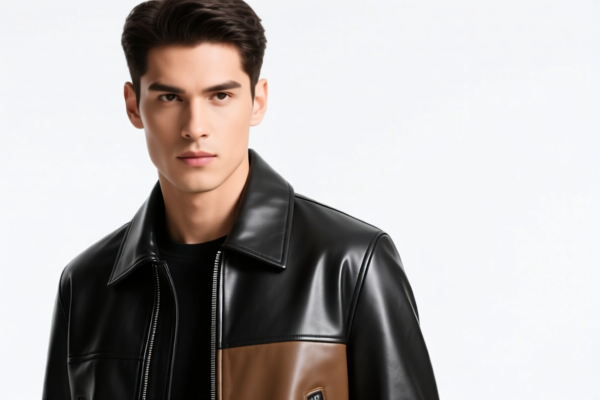
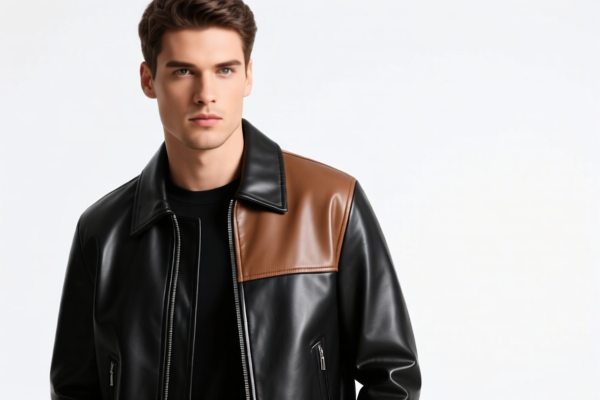
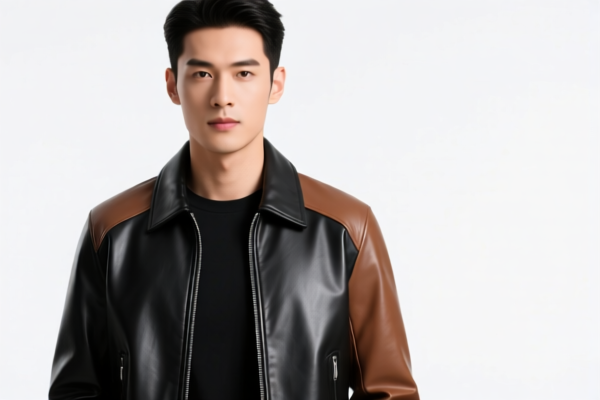
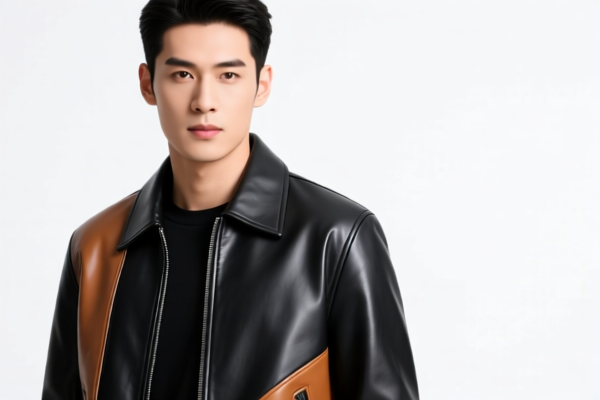
AI分析
🧥 Boys' Knitted or Crocheted Polyester Jacket (Synthetic/Artificial Fiber Blend)
🌐 HS Code Reference & Customs Clearance Guide | 2026 Latest Tariff Analysis | Professional Compliance Strategy
📌 I. Product Definition & Classification: What Exactly Is This "Leather Blend" Jacket?
The input describes a "Boys' Knitted or Crocheted Leather Blend Jacket". However, based on the provided and
⚠️ Critical Clarification:
- The term "Leather Blend" in common trade language often refers to synthetic leather (PU/PVC) or polyester blends used for aesthetic purposes.
- In the provided , no HS codes relate to genuine leather (Chapter 41 or specific leather chapters). Instead, all codes fall under Chapter 61 (Articles of Apparel and Clothing Accessories, Knitted or Crocheted).
- Therefore, for customs purposes, this product is classified as Knitted/Crocheted Synthetic or Artificial Fiber Apparel, NOT genuine leather.
- The exact HS Code depends on the specific use and fiber composition details (Synthetic vs. Artificial) as defined in the .
📦 II. HS Code Classification Details (Based on Provided Data)
| HS Code | Product Summary (from Data) | Material Classification | Intended Use | Total Tax Rate |
|---|---|---|---|---|
6114.30.30.60 |
Boys' Knitted/Crocheted Polyester Jacket | Artificial Fiber | Boys' Jacket | 32.4% |
6112.12.00.10 |
Boys' Knitted/Crocheted Polyester Jacket | Synthetic Fiber | Sports Wear Category | 45.7% |
6112.20.10.10 |
Boys' Knitted/Crocheted Polyester Jacket | Artificial Fiber | Jacket (Anorak/Windbreaker) | 45.7% |
6103.33.20.00 |
Boys' Knitted/Crocheted Polyester Jacket | Synthetic Fiber | Boys' Suit Set | 45.7% |
6114.30.30.44 |
Boys' Knitted/Crocheted Polyester Jacket | Artificial Fiber | Boys' Apparel Category | 32.4% |
🔍 Key Distinction Logic:
- Synthetic vs. Artificial: The tax rate differs significantly. Synthetic Fibers (like standard Polyester) attract higher base tariffs (28.2%) compared to Artificial Fibers (14.9%) in the provided examples.
- Use Case Matters:
- If marketed as Sports Wear, it may fall under6112.12.00.10(45.7%).
- If an Anorak/Windbreaker, it may fall under6112.20.10.10(45.7%).
- If a Suit Set, it falls under6103.33.20.00(45.7%).
- If a general Boys' Jacket/Article, it likely falls under6114.30.30.60or6114.30.30.44(32.4%).
💰 III. 2026 Latest Tariff Rate Breakdown (Including Surcharges)
✅ Applicable Country: United States (US)
✅ Origin: China (CN)
✅ Effective Date: As per data structure, includes Section 122 and additional tariffs.
🎯 1. Lower Tax Bracket: 32.4% Total
(Applies to HS Codes: 6114.30.30.60, 6114.30.30.44)
| Item | Content |
|---|---|
| Base Tariff | 14.9% (Ad Valorem) |
| Section 301 Additional Tariff | 7.5% |
| Section 122 Tariff | 10% |
| Total Effective Rate | 32.4% |
| Tax Calculation | CIF Value × 32.4% |
| De Minimis Eligibility | ❌ No (Subject to high total duties) |
| Legal Basis Path | USITC Section 122 → Section 301 → Base Tariff Schedule |
📌 Explanation:
- These codes apply to Artificial Fibers or specific Boys' Apparel categories.
- The base tariff is lower (14.9%) compared to synthetic sportswear, but Section 301 and Section 122 still apply, leading to a significant cumulative burden.
🎯 2. Higher Tax Bracket: 45.7% Total
(Applies to HS Codes: 6112.12.00.10, 6112.20.10.10, 6103.33.20.00)
| Item | Content |
|---|---|
| Base Tariff | 28.2% (Ad Valorem) |
| Section 301 Additional Tariff | 7.5% |
| Section 122 Tariff | 10% |
| Total Effective Rate | 45.7% |
| Tax Calculation | CIF Value × 45.7% |
| De Minimis Eligibility | ❌ No (Subject to high total duties) |
| Legal Basis Path | USITC Section 122 → Section 301 → Base Tariff Schedule (Sports/Anorak/Suit) |
📌 Explanation:
- These codes apply to Synthetic Fibers or specific functional uses (Sports, Anoraks, Suits).
- The base tariff is significantly higher (28.2%), reflecting stricter classification for performance or structured garments.
- Note: Even if the material is "leather-like," if it is synthetic/polyester and used for sports/suits, it incurs the higher base rate.
🛠️ IV. Customs Clearance Practical Advice (Avoid Pitfalls)
✅ 1. Documentation Checklist (Essential)
| Document | Required | Notes |
|---|---|---|
| ✅ Product Specification Sheet | ✔️ | Must clearly state: "Knitted/Crocheted", Material composition (% Synthetic vs. Artificial), Intended Use (e.g., "Casual Jacket" vs. "Sportswear"). |
| ✅ Material Test Report | ✔️ | Critical to prove whether the "blend" is Synthetic (Polyester) or Artificial (Rayon/Viscose). Misclassification here changes the base rate by 13.3%! |
| ✅ Product Photos (Including Labels) | ✔️ | Show texture, knitting pattern, and any "Leather-like" finish. Clarify if it's PU coating on knit fabric. |
| ✅ Commercial Invoice | ✔️ | Description must match HS Code summary (e.g., "Boys' Knitted Polyester Jacket, Artificial Fiber"). Avoid vague terms like "Leather Jacket" which may trigger Chapter 41 inquiries. |
| ✅ Packing List | ✔️ | Ensure quantity matches invoice. |
✅ 2. Declaration Strategy (Key Tips)
🔥 "Clarify Fiber, Define Use, Avoid 'Leather' Ambiguity"
| Scenario | Correct Declaration | Risk of Error |
|---|---|---|
| Material is Polyester (Synthetic) | Declare as "Knitted Jacket, Synthetic Fiber". Use 6112 or 6103 codes. |
❌ If declared as "Artificial," you may face penalties for under-declaring base tariff. |
| Material is Rayon/Viscose (Artificial) | Declare as "Knitted Jacket, Artificial Fiber". Use 6114 codes. |
❌ If declared as "Synthetic," you overpay base tariff unnecessarily. |
| Intended for Sports | Explicitly state "For Sports Use". | ❌ If stated as "Casual," it may be reclassified to general apparel, potentially altering duty eligibility or requiring additional documentation. |
| "Leather Blend" Description | Use "Synthetic Leather Trim" or "PU-Coated Knit" instead of just "Leather." | ❌ Claiming "Genuine Leather" will lead to Chapter 41 classification, which is incorrect for knitted goods, causing delays and fines. |
✅ 3. Special Cases & Mitigation
| Situation | Recommendation |
|---|---|
| Hybrid Material (Knit + Leather Patches) | The essential character of knitted fabric usually dictates Chapter 61. Declare as Knitted Jacket, noting leather patches in description. |
| Section 122 Eligibility | Ensure the total quantity and value align with Section 122 rules (typically small packages from China). Verify if the carrier qualifies for this provision. |
| Pre-Submission Ruling | For large shipments, request a Binding Tariff Information (BTI) or US CBP Ruling to confirm whether 6112 or 6114 is correct based on exact fiber content. |
🌍 V. Market & Compliance Comparison (2026)
| Market | Recommended HS Code | Base Rate | Surcharges | Total Est. Rate | Notes |
|---|---|---|---|---|---|
| 🇺🇸 USA | 6114.30.30.60 (Artificial) |
14.9% | 301: 7.5%, Sec 122: 10% | 32.4% | Best rate if material is Artificial. |
| 🇺🇸 USA | 6112.12.00.10 (Synthetic/Sports) |
28.2% | 301: 7.5%, Sec 122: 10% | 45.7% | High cost. Avoid if material allows Artificial classification. |
| 🇨🇳 China | 6114 or 6112 |
~10-15% | None | ~10-15% | Lower impact for domestic or transshipment. |
| 🇪🇺 EU | 6114.30 |
12% | None (Most Favored Nation) | 12% | No Section 301 or 122. Significant cost saving if exporting to EU. |
📌 Conclusion:
- The USA imposes the highest burden due to the combination of Base Tariff, Section 301, and Section 122.
- Material Classification is Key: Distinguishing between Synthetic and Artificial fibers can save 13.3% on the base rate.
- "Leather" in Name Only: Ensure the product is definitively knitted/crocheted textile to stay in Chapter 61.
📌 VI. Common Mistakes & Pitfalls (Lessons Learned)
❌ Mistake 1: Calling it a "Leather Jacket" without specifying "Knitted" or "Synthetic."
👉 Result: Customs may classify it as Chapter 41 (Leather), leading to different duties, quotas, or additional testing requirements.
❌ Mistake 2: Ignoring the "Knitted/Crocheted" requirement.
👉 Result: If it's woven, it falls under Chapter 62, which has different duty structures and potential scrutiny.
❌ Mistake 3: Mislabeling Synthetic Polyester as Artificial Rayon to get the 14.9% base rate.
👉 Result: Customs audit finds polyester fibers → Back taxes, penalties, and seizure risk.
✅ Correct Approach:
"Boys' Knitted Polyester Jacket, Artificial Fiber Blend, Casual Use, Model XYZ, FCC/RoHS if electronic components present."
🎯 VII. Conclusion: Precision in Classification Saves Money
🎯 Remember the Golden Rules:
🔹 "Knitted = Chapter 61; Woven = Chapter 62"
🔹 "Synthetic (Poly) = Higher Base; Artificial (Rayon) = Lower Base"
🔹 "Use Defines Code: Sports/Suit = 45.7%; General Jacket = 32.4%"
🔹 "Avoid 'Leather' Ambiguity: Use 'Synthetic Leather' or 'PU Trim'"
📌 Pro Tip:
If you have flexibility in material sourcing, consider using Artificial Fibers (e.g., Viscose/Rayon blends) for non-sport jackets to achieve the 32.4% rate instead of 45.7%. However, ensure the material quality meets market expectations.
📣 Immediate Action:
📞 Confirm Fiber Content with your supplier (Test Report Required).
📄 Define Intended Use precisely on the Invoice (e.g., "Casual," "Sports," "Anorak").
🚀 Choose the Correct HS Code from the 5 options in to minimize duty while ensuring compliance.
✨ Professional Clearance Starts with Accurate Classification!
💼 Your Cost Efficiency Depends on These 0.1% Details!
用户评价
关于 HS 编码归类
协调制度(HS)是由世界海关组织(WCO)制定的国际贸易商品分类标准。全球 200 多个国家采用 HS 系统作为海关关税、贸易统计和进出口监管的基础。
每个 HS 编码遵循以下层级结构:
- 章(2 位)——商品大类(例如:第 84 章:机器和机械设备)
- 品目(4 位)——章内的更具体分类
- 子目(6 位)——国际通用细分,所有 WCO 成员国统一使用
- 本国细分(8-10 位)——各国自行扩展的细分编码,如美国 HTSUS 10 位编码
正确的 HS 编码归类对于顺利通关、准确缴纳关税和遵守贸易法规至关重要。错误归类可能导致海关延误、多缴关税或罚款。
从CN进口到US时,适用的关税税率可能包括:
- 最惠国(MFN)税率——适用于 WTO 成员国的标准关税税率
- 普通税率——适用于无贸易协定国家
- 贸易救济关税——附加关税,如 301 条款(反倾销)、232 条款(国家安全)或反补贴税
本页内容仅供参考。如需正式归类,请咨询当地海关或持牌报关代理。