boys' lightweight ski jackets
CN → US| HS编码 | 关税税率 | 原产国 | 目的国 | 文档 |
|---|---|---|---|---|
| 6112201010 | 45.7% | CN | US | 官方文档 |
| 6112202010 | 25.8% | CN | US | 官方文档 |
| 6201402500 | 21.9% | CN | US | 官方文档 |
| 6201404500 | 24.6% | CN | US | 官方文档 |
| 6211201515 | 24.6% | CN | US | 官方文档 |
商品图片
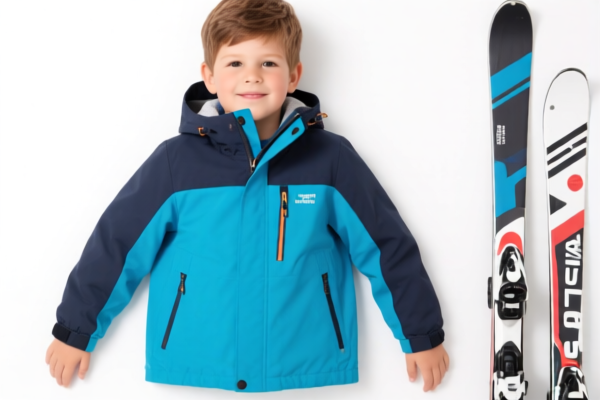
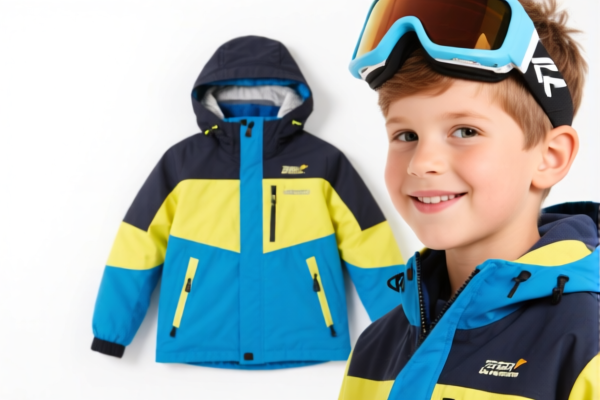
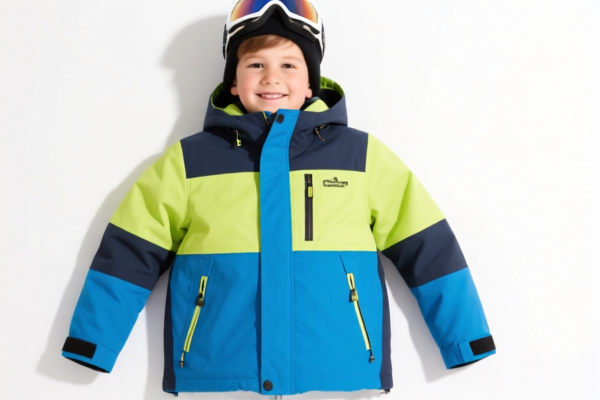
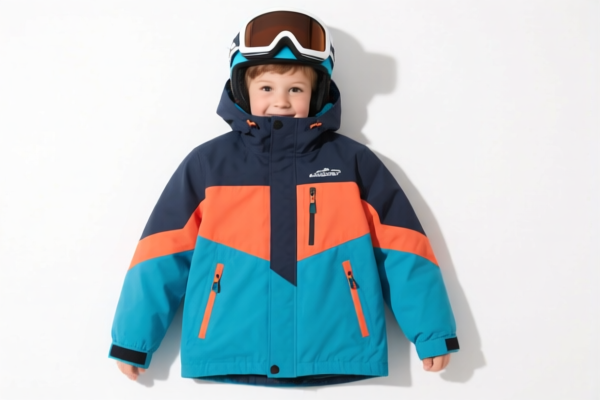
AI分析
🎿 Boys' Lightweight Ski Jackets: Global Trade HS Code Guide & 2026 Clearance Strategy
🌐 HS Code Reference & Clearance Guide | 2026 Latest Tariff Analysis | Professional Entry Strategy
📌 Product Focus: Boys' Lightweight Ski Jackets
Specialized Analysis for Textile Importers: Knitted vs. Woven, Fiber Type, and Tariff Escalation.
⚠️ Critical Alert:
The distinction between Knitted (Jersey/Knit) and Woven (Woven) fabrics determines the Chapter 61 vs. Chapter 62 classification, which drastically changes the tax structure.
- Knitted (Elastic, stretchy, jersey fabric) → Chapter 61 (Higher Tariffs: up to 45.7%)
- Woven (Stiff, structured, technical fabric) → Chapter 62 (Lower Base Tariffs, but still heavily taxed: ~21.9% - 24.6%)Misclassification between Chapter 61 and 62 is the #1 cause of customs delays and massive tax penalties.
📦 Part 1: HS Code Classification Matrix (2026 Latest Data)
Based on current trade data for Boys' Lightweight Ski Jackets, here is the precise breakdown of the 5 relevant HS Codes found in the dataset:
| HS Code | Product Description | Key Material Factor | Fabric Structure | Total Tax Rate | | :--- | :--- | :--- | :--- :--- | | 6112.20.10.10 | Boys' Ski Jackets, Knitted or Crocheted, Artificial Fibers | Synthetic/Man-made | Knitted (Jersey/Knit) | 45.7% | | 6112.20.20.10 | Boys' Ski Jackets, Knitted or Crocheted, Cotton or Other Synthetic Fibers | Cotton or Other Synthetics | Knitted (Jersey/Knit) | 25.8% | | 6201.40.25.00 | Boys' Ski Jackets, Woven, Artificial Fibers | Man-made / Technical | Woven (Flat) | 21.9% | | 6201.40.45.00 | Boys' Ski Jackets, Woven, Artificial Fibers | Man-made / Technical | Woven (Flat) | 24.6% | | 6211.20.15.15 | Boys' Ski Jackets, Non-Cotton, Water-Resistant | Durable Water Repellent | Woven (Flat) | 24.6% |
🔍 Why this classification? (The Logic Behind the Codes)
-
Chapter 61 (6112.20.x): Used if the jacket is made of Knitted fabric.
- 6112.20.10.10: Specifically for Artificial Fibers (e.g., Polyester/Nylon blend). Highest Tax (45.7%).
- 6112.20.20.10: Specifically for Cotton or other specific synthetic blends. Moderate Tax (25.8%).
- Reason: Knitted garments often face higher base tariffs due to textile protection policies.
-
Chapter 62 (6201 & 6211): Used if the jacket is made of Woven fabric (typical for technical ski gear).
- 6201.40: Specifically for "Overcoats, Car Coat, Capes, Cloaks... and Ski Jackets".
- 6201.40.25.00: Artificial fibers, lower base duty (4.4%).
- 6201.40.45.00: Artificial fibers, slightly higher base duty (7.1%).
- 6211.20: Specifically for "Track suits, ski suits, swimwear... Ski Jackets".
- 6211.20.15.15: Non-cotton, Water-Resistant (Technical feature).
- Reason: Woven ski jackets are generally considered "technical outerwear" and often have lower base tariffs than knitted ones, but are heavily impacted by specific trade measures.
- 6201.40: Specifically for "Overcoats, Car Coat, Capes, Cloaks... and Ski Jackets".
💰 Part 2: 2026 Tariff Structure & Detailed Tax Breakdown
✅ Scope: US Market Imports from China (CN)
✅ Context: Inclusion of Base Tariff + Section 301 (Trade War) + Section 122 (Specific US Trade Measures)
🧮 The Formula:
Total Tax = Base Tariff + Section 301 (7.5%) + Section 122 (10%)
(Note: The "Section 301" rate varies; here we apply the dataset's 7.5% "Additional Tariff" and 10% "Section 122 Tariff".)
🎯 Case A: The "Knitted" Trap (Highest Tax)
HS Code: 6112.20.10.10 (Artificial Fibers)
* Description: Boys' Knitted Ski Jacket (e.g., fleece-like or jersey ski tops).
* Tax Breakdown:
* Base Tariff: 28.2% (Very High for Knitted)
* Additional Tariff (Sec 301): 7.5%
* Section 122 Tariff: 10.0%
* Total Rate: 45.7%
* 📌 Warning: This is the most expensive classification. If your "lightweight" jacket is knitted (stretchy), you are paying nearly 50% tax!
🎯 Case B: The "Cotton/Knit" Mid-Range
HS Code: 6112.20.20.10 (Cotton or Others)
* Description: Boys' Knitted Ski Jacket (Cotton blend or other synthetics).
* Tax Breakdown:
* Base Tariff: 8.3% (Lower than artificial fibers)
* Additional Tariff (Sec 301): 7.5%
* Section 122 Tariff: 10.0%
* Total Rate: 25.8%
* 📌 Note: Still high, but significantly better than Case A.
🎯 Case C: The "Woven" Technical Jacket (Lowest Base, Still High Total)
HS Code: 6201.40.25.00 (Woven, Artificial Fibers)
* Description: Boys' Woven Ski Jacket (Standard technical shell).
* Tax Breakdown:
* Base Tariff: 4.4% (Low base duty for woven)
* Additional Tariff (Sec 301): 7.5%
* Section 122 Tariff: 10.0%
* Total Rate: 21.9%
* 📌 Strategy: This is the optimal classification for most lightweight ski jackets (unless they are knitted).
🎯 Case D: The "Woven" Water-Resistant Jacket
HS Code: 6201.40.45.00 or 6211.20.15.15 (Woven, Water-Resistant)
* Description: Boys' Ski Jacket with Water Repellent coating (Technical).
* Tax Breakdown:
* Base Tariff: 7.1%
* Additional Tariff (Sec 301): 7.5%
* Section 122 Tariff: 10.0%
* Total Rate: 24.6%
* 📌 Distinction: The base tariff is slightly higher (7.1%) due to the specific technical specification, but still lower than the 45.7% knitted rate.
🛠️ Part 3: Professional Clearance Recommendations
✅ 1. Pre-Shipment Material Verification (Crucial Step)
Before shipping, you must verify the fabric construction:
* Test: Pull the fabric. Does it stretch significantly in both directions (Knit)? Or is it stiff and non-stretching (Woven)?
* Action:
* If Knitted: Prepare for 45.7% (if synthetic) or 25.8% (if cotton).
* If Woven: Target 21.9% - 24.6%.
* Risk: If you declare a Knitted jacket as Woven (6201), Customs will likely reject it, re-classify it to 6112, and charge the higher 45.7% + fines + storage fees.
✅ 2. Labeling & Documentation
- Invoice Description: Must be precise.
- ❌ Bad: "Boys' Ski Jacket"
- ✅ Good: "Boys' Lightweight Woven Ski Jacket, 100% Nylon, Water Repellent, Model X-2026"
- Material Content: Must match the HS Code.
- If
6112.20.10.10(Artificial Fiber), do not list "Cotton" on the label. - If
6211.20.15.15(Water-Resistant), the invoice must mention "Water Repellent" or "DWR Coating" to justify the code.
- If
✅ 3. Strategic Sourcing & Compliance
- Avoid Section 122 Pitfalls: The 10% Section 122 Tariff applies to almost all textile imports from China listed here. It is non-negotiable for current trade relations.
- Supply Chain Optimization:
- If possible, source Woven jackets (
6201) instead of Knitted (6112) to save ~21% in total tax costs. - If the product must be knitted (e.g., specific fleece design), ensure the material is Cotton-based to qualify for
6112.20.20.10(25.8%) instead of6112.20.10.10(45.7%).
- If possible, source Woven jackets (
🚨 Part 4: Common Clearance Errors (Avoid These!)
| ❌ Mistake | 🚫 Consequence | ✅ Correct Approach |
|---|---|---|
| Declaring Woven as Knitted | Overpayment of 20%+ tax; unnecessary cost increase. | Use fabric swatches to prove "Woven" structure. |
| Declaring Knitted as Woven | Customs re-classification, 20-30% back-taxes, fines, delayed release. | Be honest: If it stretches, it's Knitted (6112). |
| Missing "Water Repellent" Tag | Loss of specific 6211.20.15.15 classification; might be forced into a higher general code. |
Ensure marketing and invoices explicitly state "Water Repellent". |
| Ignoring "Artificial Fiber" | Misidentifying Nylon/Polyester as "Cotton" leads to immediate audit. | Always specify "100% Synthetic/Artificial" for 6112.20.10.10. |
📝 Conclusion: Smart Pricing & Entry Strategy
For Boys' Lightweight Ski Jackets, the difference between 21.9% and 45.7% is the difference between a profitable export business and a loss-making one.
- Prioritize Woven Jackets (
6201): They offer the lowest total tax rate (21.9%) despite the Section 122 and Section 301 additions. - Verify Fabric Carefully: A single stitch of knitting can double your tax burden.
- Document Everything: Ensure your commercial invoice explicitly states "Woven" or "Knitted" and "Water Repellent" if applicable.
💡 Pro Tip: If you are shipping Knitted jackets made of Artificial Fibers, consider if the design can be modified to use Woven fabric to unlock the 24% tax bracket instead of the 45% trap.
Ready to ship?
Verify your fabric construction today. Your bottom line depends on it! 🚀📦
用户评价
关于 HS 编码归类
协调制度(HS)是由世界海关组织(WCO)制定的国际贸易商品分类标准。全球 200 多个国家采用 HS 系统作为海关关税、贸易统计和进出口监管的基础。
每个 HS 编码遵循以下层级结构:
- 章(2 位)——商品大类(例如:第 84 章:机器和机械设备)
- 品目(4 位)——章内的更具体分类
- 子目(6 位)——国际通用细分,所有 WCO 成员国统一使用
- 本国细分(8-10 位)——各国自行扩展的细分编码,如美国 HTSUS 10 位编码
正确的 HS 编码归类对于顺利通关、准确缴纳关税和遵守贸易法规至关重要。错误归类可能导致海关延误、多缴关税或罚款。
从CN进口到US时,适用的关税税率可能包括:
- 最惠国(MFN)税率——适用于 WTO 成员国的标准关税税率
- 普通税率——适用于无贸易协定国家
- 贸易救济关税——附加关税,如 301 条款(反倾销)、232 条款(国家安全)或反补贴税
本页内容仅供参考。如需正式归类,请咨询当地海关或持牌报关代理。