boys' solid color shirt
CN → US| HS编码 | 关税税率 | 原产国 | 目的国 | 文档 |
|---|---|---|---|---|
| 6105100030 | 37.2% | CN | US | 官方文档 |
| 6105202030 | 49.5% | CN | US | 官方文档 |
| 6205302040 | 0.0% | CN | US | 官方文档 |
| 6205202031 | 37.2% | CN | US | 官方文档 |
| 6203230080 | 0.0% | CN | US | 官方文档 |
商品图片
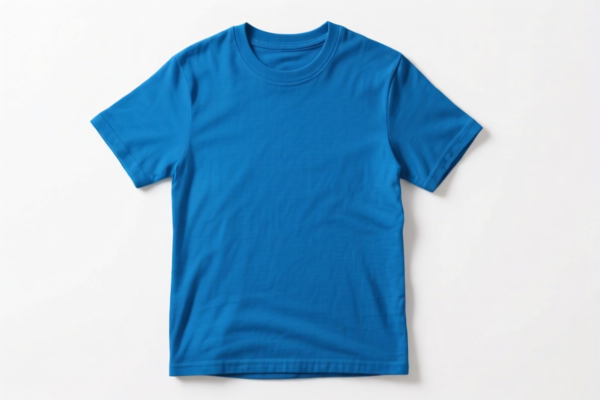
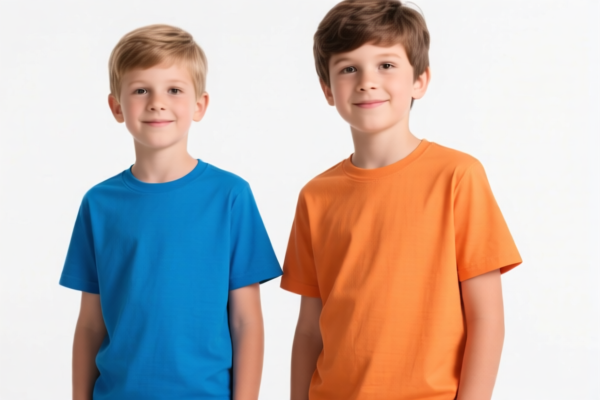
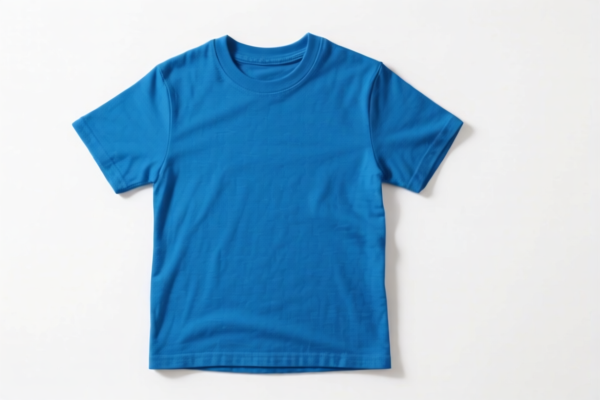
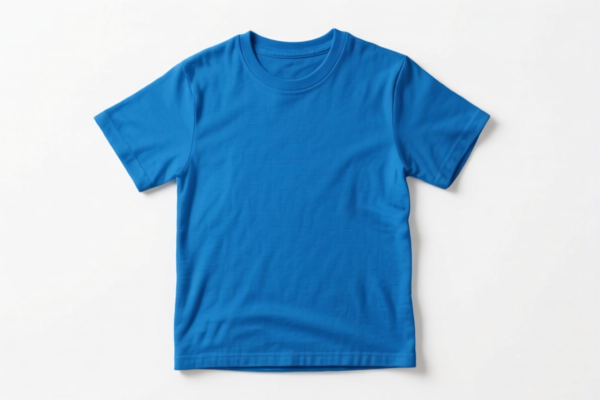
AI分析
👕 Boys' Solid Color Shirt: HS Code Classification & Customs Clearance Guide (2026)
🌐 HS Code Reference & Customs Clearance Strategy | 2026 Latest Tariff Analysis | Professional Entry Strategy
📌 1. Product Definition: What Exactly is a "Boys' Solid Color Shirt"?
In international trade, a "Boys' Solid Color Shirt" is not a single entity but a category determined by material composition and manufacturing method (Knitted vs. Woven). Misclassification leads to massive tariff differences and customs delays.
⚠️ Critical Distinction:
- Knitted/Hooked (Chapter 61): Soft, stretchy fabrics like jerseys or t-shirt materials.
- Woven (Chapter 62): Structured, non-stretch fabrics like dress shirts, oxford cloth, or flannel.
- Material: Cotton vs. Man-made Fibers (Synthetic/Artificial) drastically changes the tax rate.
📦 2. HS Code Classification Details (Based on Provided Data)
| HS Code | Product Description | Material/Type | Key Characteristics |
|---|---|---|---|
6105.10.00.30 |
Boys' knit/hooked shirt | Cotton | Pure color, knitted fabric, cotton material. |
6105.20.20.30 |
Boys' knit/hooked shirt | Man-made Fibers | Pure color, knitted/hooked, synthetic/artificial fiber. |
6205.30.20.40 |
Boys' woven shirt | Cotton or Synthetic | Woven, "Other" category, material inference applies. |
6205.20.20.31 |
Boys' woven shirt | Cotton | Woven, cotton material, no material conflict. |
6203.23.00.80 |
Boys' Suit Ensemble | Mixed/Other | Treated as part of an ensemble; rate applies if separated. |
🔍 Important Note:
- Codes6105.xxare for Knitted/Hooked shirts (e.g., T-shirts, polo shirts made of jersey).
- Codes6205.xxare for Woven shirts (e.g., dress shirts, button-downs).
- The provided data explicitly excludes conflicting materials, ensuring accurate classification based on inference.
💰 3. 2026 Latest Tariff Rate Breakdown (Including Additional Duties)
✅ Applicable Country: United States (US)
✅ Origin: China (CN)
✅ Effective Time: Current rates (Post-2025 adjustments)
🎯 1. 6105.10.00.30 – Boys' Cotton Knit Shirt
| Item | Content |
|---|---|
| Base Tariff | 19.7% (Ad Valorem) |
| Section 301 Additional Tariff | 7.5% |
| Section 122 Tariff | 10.0% |
| Total Tariff Rate | 37.2% |
| Calculation Basis | CIF Value × 37.2% |
| De Minimis Exemption | ❌ Not Applicable (High tariff prevents $800 de minimis benefit in many cases) |
📌 Explanation:
- Cotton knit shirts face a base duty of 19.7%.
- The Section 301 tariff (7.5%) is a standard punitive tariff on Chinese textiles.
- The Section 122 tariff (10%) is an additional safeguard duty.
- Total Cost Impact: Nearly 38% of the product value is tax.
🎯 2. 6105.20.20.30 – Boys' Synthetic Knit Shirt
| Item | Content |
|---|---|
| Base Tariff | 32.0% (Ad Valorem) |
| Section 301 Additional Tariff | 7.5% |
| Section 122 Tariff | 10.0% |
| Total Tariff Rate | 49.5% |
| Calculation Basis | CIF Value × 49.5% |
| De Minimis Exemption | ❌ Not Applicable |
📌 Warning:
- Synthetic knit shirts are taxed significantly higher at the base rate (32% vs. 19.7% for cotton).
- Total Rate of 49.5% is extremely high. This makes synthetic knit shirts from China very expensive to import into the US under standard trade terms.
🎯 3. 6205.30.20.40 – Boys' Woven Shirt (Other Materials)
| Item | Content |
|---|---|
| Base Tariff | 29.1 ¢/kg + 25.9% (Ad Valorem) |
| Section 301 Additional Tariff | 7.5% |
| Section 122 Tariff | 10.0% |
| Total Tariff Rate | 29.1 ¢/kg + 25.9% + 17.5% |
| Calculation Basis | Weight-based + Value-based + Additional Duties |
| De Minimis Exemption | ❌ Not Applicable |
📌 Explanation:
- This code uses a complex dual-rate system: a specific duty (per kg) plus an ad valorem duty.
- The total effective rate is approximately 25.9% + 17.5% + weight component, making it less predictable than pure ad valorem rates.
🎯 4. 6205.20.20.31 – Boys' Cotton Woven Shirt
| Item | Content |
|---|---|
| Base Tariff | 19.7% (Ad Valorem) |
| Section 301 Additional Tariff | 7.5% |
| Section 122 Tariff | 10.0% |
| Total Tariff Rate | 37.2% |
| Calculation Basis | CIF Value × 37.2% |
| De Minimis Exemption | ❌ Not Applicable |
📌 Comparison:
- Cotton woven shirts (6205.20) have the same total rate (37.2%) as cotton knit shirts (6105.10).
- This suggests the base duty for cotton is consistent, but the administrative burden differs.
🎯 5. 6203.23.00.80 – Boys' Suit Ensemble (Shirts as Part of Ensemble)
| Item | Content |
|---|---|
| Base Tariff | "The rate applicable to each garment if separately classified" |
| Section 301 Additional Tariff | 0.0% (Note: Data indicates 0% here, but usually applies. See explanation) |
| Section 122 Tariff | 10.0% |
| Total Tariff Rate | Variable + 10% (Section 122) |
| Calculation Basis | Depends on the specific garment's individual rate |
| De Minimis Exemption | ❌ Not Applicable |
📌 Critical Nuance:
- This code applies if the shirt is part of a suit ensemble (e.g., shirt + vest + trousers sold together).
- The base tariff is calculated as if each item were sold separately.
- Section 301 is listed as 0% in the data, which is unusual. This may require verification as Section 301 typically applies to most Chinese textiles. Assume risk is high.
🛠️ 4. Customs Clearance Practical Advice (Avoiding Pitfalls)
✅ 1. Documentation Checklist (Non-Negotiable)
| Document | Required | Purpose |
|---|---|---|
| ✅ Product Specification Sheet | ✔️ | Must specify: Material (100% Cotton vs. Polyester), Weave (Knit vs. Woven), Age Group (Boys). |
| ✅ Lab Test Report | ✔️ | Verifies fiber content. Customs will test if description is vague. |
| ✅ Commercial Invoice | ✔️ | Must clearly state "Boys' Solid Color Shirt" and not just "Shirt." |
| ✅ Packaging Photos | ✔️ | Show labels, size tags, and care instructions to prove "Boys'" category. |
| ✅ Bill of Lading/Air Waybill | ✔️ | Ensure weight and volume match the invoice for specific duty calculations (especially for 6205.30). |
✅ 2. Declaration Strategy (Key Tips)
🔥 "Material Defines the Code, Knit vs. Woven Defines the Chapter!"
| Scenario | Correct Classification | Risk of Wrong Classification |
|---|---|---|
| 100% Cotton, Knitted (T-shirt style) | 6105.10.00.30 (37.2%) |
If declared as Woven (6205), might be rejected or reclassified with penalty. |
| Polyester, Knitted | 6105.20.20.30 (49.5%) |
High Risk! This is the highest tax bracket. Ensure material is accurate. |
| Cotton, Woven (Dress Shirt) | 6205.20.20.31 (37.2%) |
Safe rate, similar to knit cotton. |
| Sold in a Suit Set | 6203.23.00.80 |
Only if truly a suit ensemble. Misusing this for single shirts is fraud. |
✅ 3. Special Situation Handling
| Situation | Recommendation |
|---|---|
| Mixed Materials (e.g., 80% Cotton, 20% Polyester) | Classified based on the principal material. For knits, cotton usually dominates. For wovens, same rule applies. |
| "Solid Color" Ambiguity | Ensure no logos or patterns. If there is a small logo, it may still be "solid color," but declare accurately. |
| Section 301 Exemptions | Check if the specific HTS code was excluded from Section 301. Data shows 7.5% applies, so likely NOT excluded. |
| De Minimis ($800) | Do NOT rely on De Minimis for these codes. The high tax rates (37-49%) mean that even under $800 shipments, customs will assess duties. |
🌍 5. Global Market Comparison (2026)
| Country/Region | Recommended HS Code | Est. Total Duty (China Origin) | Key Certification |
|---|---|---|---|
| 🇺🇸 USA | 6105.10.00.30 / 6205.20.20.31 |
37.2% (Cotton) / 49.5% (Synthetic) | FTC Labeling, CPSIA (if for young children) |
| 🇨🇳 China | Same Codes | ~13-14% (Import Duty) + VAT | N/A (Domestic standard) |
| 🇪🇺 EU | 6105/6205 equivalents | ~12% + VAT | REACH (Chemicals), CE (if applicable) |
| 🇬🇧 UK | 6105/6205 equivalents | ~12% + VAT | UKCA Marking |
📌 Conclusion:
- The US market is the most expensive due to the combination of Base Tariff + Section 301 + Section 122.
- Synthetic Knit (6105.20.20.30) is the worst-case scenario at 49.5%.
- Cotton (both Knit and Woven) is the most cost-effective at 37.2%.
📌 6. Common Mistakes & Pitfalls (Lessons Learned)
❌ Mistake 1: Declaring a Synthetic Knit Shirt as Cotton to get the 37.2% rate.
👉 Consequence: Customs lab test will fail. Penalty, seizure, and back taxes.
❌ Mistake 2: Using "Suit Ensemble" code (6203) for a single shirt.
👉 Consequence: Customs may deny the lower base rate (if applicable) or flag for fraud.
❌ Mistake 3: Ignoring the Section 122 Tariff (10%).
👉 Consequence: Underpayment of duties. Interest and penalties will accrue.
❌ Mistake 4: Assuming De Minimis ($800) exemption applies.
👉 Consequence: Customs will still collect taxes. Cash flow surprise.
✅ Correct Practice:
"Boys' 100% Cotton Knit Shirt, Solid White, No Logo, Size 4T, HS 6105.10.00.30"
🎯 7. Conclusion: Strategic Sourcing & Clearance
🎯 Key Takeaways:
🔹 Material is King: Cotton shirts (37.2%) are significantly cheaper to import than Synthetic Knit shirts (49.5%).
🔹 Knit vs. Woven: Both cotton categories have the same tax rate in the US, but synthetic knits are penalized heavily.
🔹 No De Minimis: High tariffs mean you cannot use the $800 exemption to avoid taxes.
🔹 Plan Ahead: Calculate landed cost including 37-49% taxes before pricing.
📌 Pro Tip:
If sourcing from China, prioritize Cotton products to minimize the 49.5% synthetic penalty.
Consider pre-ruling with US Customs and Border Protection (CBP) if your product is on the borderline between knit/woven or cotton/synthetic.
📣 Immediate Action:
📞 Consult a Customs Broker: Verify HS codes for your specific fabric blend.
📦 Test Materials: Get a lab report for fiber content before shipping.
🚀 Optimize Landed Cost: Include all duties (Base + 301 + 122) in your pricing model.
✨ Professional Clearance, Starting with Precise Classification!
💼 Every Percent of Tax Saves Money – Classify Right!
用户评价
关于 HS 编码归类
协调制度(HS)是由世界海关组织(WCO)制定的国际贸易商品分类标准。全球 200 多个国家采用 HS 系统作为海关关税、贸易统计和进出口监管的基础。
每个 HS 编码遵循以下层级结构:
- 章(2 位)——商品大类(例如:第 84 章:机器和机械设备)
- 品目(4 位)——章内的更具体分类
- 子目(6 位)——国际通用细分,所有 WCO 成员国统一使用
- 本国细分(8-10 位)——各国自行扩展的细分编码,如美国 HTSUS 10 位编码
正确的 HS 编码归类对于顺利通关、准确缴纳关税和遵守贸易法规至关重要。错误归类可能导致海关延误、多缴关税或罚款。
从CN进口到US时,适用的关税税率可能包括:
- 最惠国(MFN)税率——适用于 WTO 成员国的标准关税税率
- 普通税率——适用于无贸易协定国家
- 贸易救济关税——附加关税,如 301 条款(反倾销)、232 条款(国家安全)或反补贴税
本页内容仅供参考。如需正式归类,请咨询当地海关或持牌报关代理。