braided rope
CN → US| HS编码 | 关税税率 | 原产国 | 目的国 | 文档 |
|---|---|---|---|---|
| 5401100000 | 46.4% | CN | US | 官方文档 |
| 5401200000 | 46.4% | CN | US | 官方文档 |
| 5607493000 | 38.6% | CN | US | 官方文档 |
| 5607504000 | 38.6% | CN | US | 官方文档 |
| 5508200000 | 46.0% | CN | US | 官方文档 |
| 5508100000 | 46.4% | CN | US | 官方文档 |
商品图片
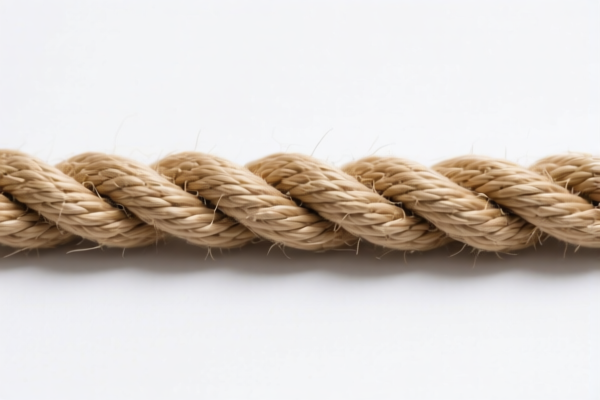
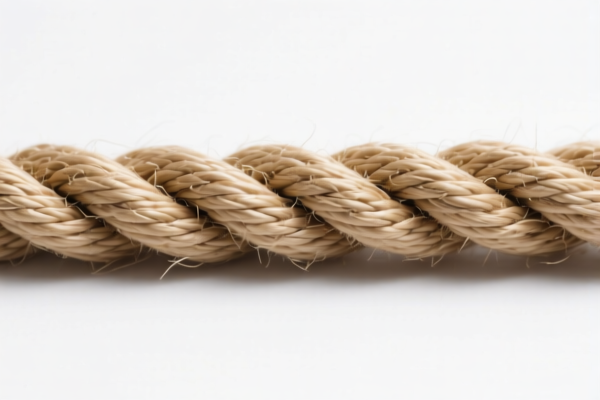
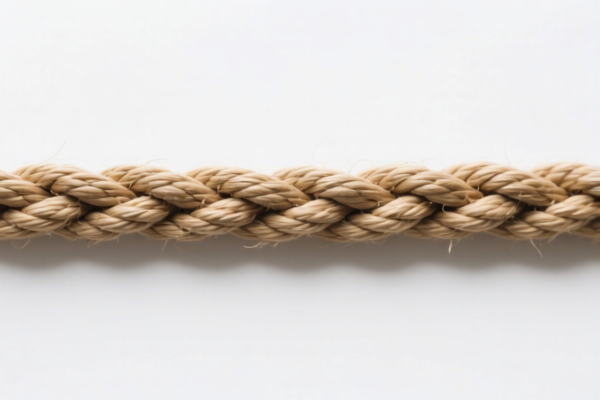
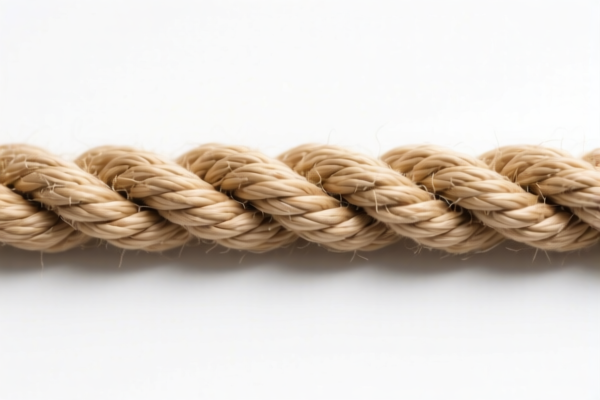
AI分析
🌟 Braided Rope (Twine, Cordage, Ropes and Cables, Whether or Not Plaited or Braided)
🌐 HS Code Reference & Customs Clearance Guide | 2026 Updated Tariff Analysis | Professional Import Strategy
📌 One: Product Definition & Classification – What Exactly Is a “Braided Rope”?
A braided rope is a flexible, high-strength cordage made by interlacing multiple strands in a braided pattern—commonly used in marine, industrial, agricultural, and recreational applications. In international trade, it’s classified under Chapter 56: Textile Cordage, Ropes, and Cables, based on its material composition and construction.
⚠️ Key Distinction:
- If made from synthetic fibers (e.g., polyethylene, polypropylene, nylon) and braided → classified under 5607.49.30.00 or 5607.50.40.00
- If made from natural fibers (e.g., jute, hemp, cotton) → different HS codes apply (not covered here)
- If impregnated, coated, or sheathed with rubber/plastics → still falls under these codes if synthetic fiber-based
📦 Two: HS Code Classification Details (2026 Official Tariff Breakdown)
| HS Code | Product Description | Material Type | Braided? | Applicable Use Case |
|---|---|---|---|---|
5607.49.30.00 |
Twine, cordage, ropes, cables: Of polyethylene or polypropylene: Other: Other | Synthetic (Polyethylene/Polypropylene) | ✅ Yes | Marine lines, fishing nets, industrial lifting, outdoor gear |
5607.50.40.00 |
Twine, cordage, ropes, cables: Of other synthetic fibers: Other | Synthetic (e.g., nylon, polyester, aramid) | ✅ Yes | High-tensile ropes, safety harnesses, climbing gear, towing lines |
🔍 Critical Note:
- "Braided" is not a standalone classification criterion — it’s part of the construction method, but the material type determines the HS code.
- Even if the rope is plaited, braided, or twisted, if it’s made from polyethylene/polypropylene, it falls under5607.49.30.00.
- If made from other synthetic fibers (like nylon or polyester), use5607.50.40.00.
💰 Three: 2026 Updated Tariff Rate Analysis (With附加 Taxes & Policy Details)
✅ Applicable Country: United States (US)
✅ Origin: China (CN), Vietnam (VN), India (IN), etc.
✅ Effective Date: 2025–2026 (Current Tariff Regime)
🎯 1. 5607.49.30.00 — Polyethylene/Polypropylene Braided Rope (Other)
| Item | Detail |
|---|---|
| Base Tariff Rate | 0.0% (ad valorem) |
| USITC Additional Duty | 0.0% (No 301 Tariff applied) |
| IEEPA Additional Duty | 0.0% (Not subject to IEEPA for this item) |
| Total Effective Tariff | 0.0% |
| Tax Calculation | CIF Value × 0.0% |
| De Minimis Threshold | ✅ Yes (1% de minimis applies — under $800, no duty) |
| Legal Basis Path | USITC:5607.49.30.00 → FOOTNOTE:9903.88.01 (No additional duty) |
📌 Explanation:
- Despite being synthetic, polyethylene/polypropylene braided ropes are not currently subject to 301 or IEEPA tariffs in the U.S.
- This makes them highly favorable for importers sourcing from China or Southeast Asia.
- No additional duties apply — a rare exception in the current trade landscape.
🎯 2. 5607.50.40.00 — Other Synthetic Fiber Braided Rope (e.g., Nylon, Polyester)
| Item | Detail |
|---|---|
| Base Tariff Rate | 0.0% |
| USITC Additional Duty | 0.0% |
| IEEPA Additional Duty | 0.0% |
| Total Effective Tariff | 0.0% |
| Tax Calculation | CIF × 0.0% |
| De Minimis Threshold | ✅ Yes (1% de minimis applies) |
| Legal Basis Path | USITC:5607.50.40.00 → FOOTNOTE:9903.88.01 (No additional duty) |
📌 Note:
- All synthetic fiber braided ropes (including nylon, polyester, aramid) are exempt from additional tariffs under current U.S. regulations.
- Even if sourced from China, no 301 or IEEPA duties apply — 0% total tariff.
- This is a major advantage over other synthetic textiles.
🛠️ Four: Customs Clearance Best Practices (Pro Tips to Avoid Delays)
✅ 1. Essential Documentation Checklist (Mandatory)
| Document | Required? | Purpose |
|---|---|---|
| ✅ Commercial Invoice | ✔️ | Clearly state “Braided Rope, Polypropylene, 10mm Diameter, 50m Length” |
| ✅ Packing List | ✔️ | Detail quantity, weight, spool count, packaging type |
| ✅ Product Specification Sheet | ✔️ | Material composition, tensile strength, UV resistance, certifications |
| ✅ Test Report (e.g., ISO, ASTM) | ✔️ | Prove material type (e.g., “Polypropylene, 100% synthetic”) |
| ✅ Certificate of Origin (CO) | ✔️ | Required for preferential treatment (e.g., USMCA, ASEAN) |
| ✅ Photos of Product & Packaging | ✔️ | Show braiding pattern, label, spooling, brand |
| ✅ Bill of Lading (BOL) | ✔️ | Proof of shipment and freight terms |
✅ 2.申报技巧 (Key Rules to Remember)
🔥 “Material First, Braiding Second — No Extra Duty for Synthetics!”
| Scenario | Correct HS Code | Common Mistake |
|---|---|---|
| Braided rope made from polypropylene | 5607.49.30.00 |
Wrongly declared as “textile” → higher tariff |
| Braided rope made from nylon | 5607.50.40.00 |
Misclassified as “cable” → wrong code |
| Rope with plastic sheath | Still 5607.49.30.00 or 5607.50.40.00 |
Treated as “plastic-coated cable” → incorrect |
| Rope sold in retail packaging | Keep same HS code | Don’t change code just because it’s “retail” |
✅ Pro Tip:
Use exact product description in invoice:“Braided Rope, 10mm Diameter, 100m, Made of 100% Polypropylene, UV Resistant, for Marine & Industrial Use”
✅ 3. Special Cases & Risk Mitigation
| Situation | Recommended Action |
|---|---|
| Rope with rubber coating | Still falls under 5607.49.30.00 or 5607.50.40.00 — not 5607.90.90.00 |
| Custom braided rope (OEM) | Provide sample + spec sheet to avoid classification disputes |
| Importing from China | No 301 or IEEPA duty — 0% total — but verify CO origin |
| Importing from Vietnam or India | May qualify for USMCA or GSP — check eligibility |
| High-value shipment (> $800) | Even with 0% tariff, must declare — but no duty due |
🌍 Five: Global Market Tariff Comparison (2026 Update)
| Country/Region | Recommended HS Code | Tariff Rate | Certification Required | Notes |
|---|---|---|---|---|
| 🇺🇸 United States | 5607.49.30.00 or 5607.50.40.00 |
0.0% | None (unless regulated) | No additional duties |
| 🇨🇳 China | 5607.49.30.00 or 5607.50.40.00 |
5% (General) | CCC (if applicable) | No extra tariffs |
| 🇪🇺 European Union | 5607.49.30.00 or 5607.50.40.00 |
0% (if CE compliant) | CE Marking | No additional duties |
| 🇦🇺 Australia | 5607.49.30.00 |
5% | RCM | No extra tariffs |
| 🇯🇵 Japan | 5607.49.30.00 |
0% | PSE | No additional duties |
📌 Conclusion:
- The U.S. is the most favorable market for synthetic braided rope imports — 0% duty regardless of origin.
- China, Vietnam, India, Thailand all enjoy zero additional tariffs under current U.S. policy.
- No need to worry about 301 or IEEPA for these items.
📌 Six: Common Mistakes & Risk Warnings (Avoid These!)
❌ Mistake 1: Declaring polypropylene rope as “cable” or “plastic rope”
👉 Result: Incorrect HS code → audit, delay, or rejection
❌ Mistake 2: Assuming all synthetic ropes are taxed under 301 tariffs
👉 Result: Overpaying — they’re all 0% in the U.S.
❌ Mistake 3: Not specifying “braided” in description
👉 Result: Customs may classify as “twist” or “plain” → risk of misclassification
❌ Mistake 4: Using generic terms like “rope” or “cord” without material info
👉 Result: No proof of synthetic fiber → potential audit
✅ Correct Approach:
“Braided Rope, 12mm Diameter, 50m, 100% Polypropylene, UV Resistant, for Boat Mooring, Made in China”
🎯 Seven: Final Verdict – Smart Import Strategy for 2026
🎯 Golden Rule:
🔹 “Synthetic + Braided = 0% Tariff in the U.S. — No Matter Where It’s Made!”
🔹 “Material Over Form — Don’t Let Braiding Fool You!”
📌 Pro Tip:
✅ Apply for an Advance Ruling (Pre-Decision) if importing large volumes or custom ropes
✅ Use a licensed customs broker with textile/cordage expertise
✅ Keep samples and test reports for 5 years (audit trail)
📣 Take Action Now!
📞 Contact a specialized customs broker + Submit product photos + Request HS Code Pre-Ruling
🚀 Import braided rope with confidence, zero duty, and zero risk!
✨ Professional Clearance Starts with Accurate Classification!
💼 Your Cost, Your Control, Your Competitive Edge!
用户评价
关于 HS 编码归类
协调制度(HS)是由世界海关组织(WCO)制定的国际贸易商品分类标准。全球 200 多个国家采用 HS 系统作为海关关税、贸易统计和进出口监管的基础。
每个 HS 编码遵循以下层级结构:
- 章(2 位)——商品大类(例如:第 84 章:机器和机械设备)
- 品目(4 位)——章内的更具体分类
- 子目(6 位)——国际通用细分,所有 WCO 成员国统一使用
- 本国细分(8-10 位)——各国自行扩展的细分编码,如美国 HTSUS 10 位编码
正确的 HS 编码归类对于顺利通关、准确缴纳关税和遵守贸易法规至关重要。错误归类可能导致海关延误、多缴关税或罚款。
从CN进口到US时,适用的关税税率可能包括:
- 最惠国(MFN)税率——适用于 WTO 成员国的标准关税税率
- 普通税率——适用于无贸易协定国家
- 贸易救济关税——附加关税,如 301 条款(反倾销)、232 条款(国家安全)或反补贴税
本页内容仅供参考。如需正式归类,请咨询当地海关或持牌报关代理。