cabinet lock
CN → US| HS编码 | 关税税率 | 原产国 | 目的国 | 文档 |
|---|---|---|---|---|
| 8301300060 | 23.2% | CN | US | 官方文档 |
| 7326908676 | 87.9% | CN | US | 官方文档 |
| 7326908688 | 87.9% | CN | US | 官方文档 |
| 8301300090 | 23.2% | CN | US | 官方文档 |
商品图片
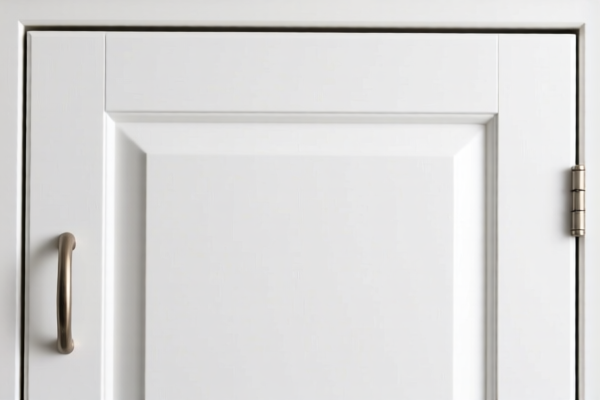
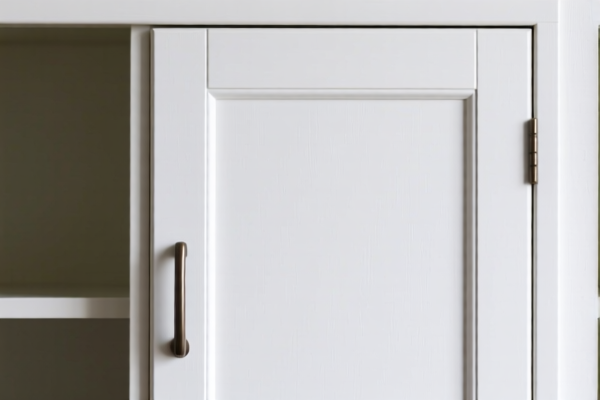
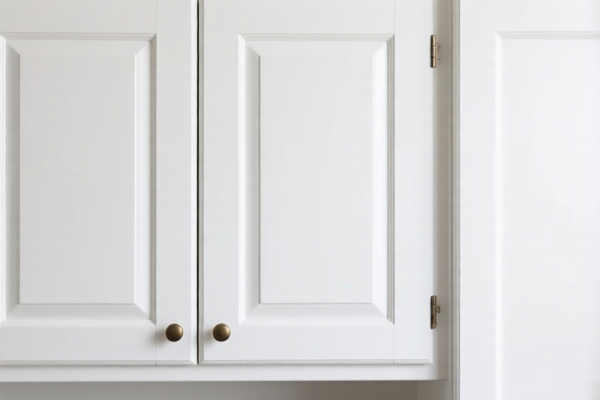
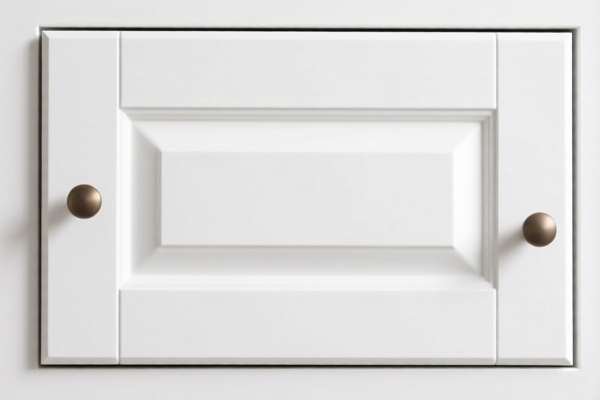
AI分析
🔐 Cabinet Locks (Furniture Fittings)
🌐 HS Code Reference & Customs Clearance Guide | 2026 Latest Tariff Analysis | Strategic通关 Strategy
📌 Part 1: Product Definition & Classification: Are You Misclassifying Your Locks?
Cabinet locks are critical security components for furniture, ranging from household cabinets to office drawers and industrial storage units. In international trade, classification depends heavily on material composition and specific functional design. Misclassification can lead to drastic differences in tariff liabilities, especially under current US trade policies targeting Chinese imports.
⚠️ Critical Distinction:
- Locks for Furniture (Ch. 83): Specifically designed for drawers, doors, or boxes. If the primary purpose is furniture security, it often falls under 8301.30.
- General Metal Parts (Ch. 73): If classified as generic iron/steel parts without specific "lock" designation, or if constructed in a way that customs views them as general metal fittings, they may fall under 7326.90.
📦 Part 2: HS Code Classification Details (2026 Latest Tariff Alignment)
| HS Code | Product Description | Application Scenario | Key Classification Logic |
|---|---|---|---|
8301.30.00.60 |
Locks for furniture, drawers, doors, etc. | Standard furniture locks, cabinet hardware | ✅ Primary Purpose: Furniture/Box/Drawer security. Material: Base Metal. |
8301.30.00.90 |
Other locks for furniture, drawers, doors, etc. | General furniture locks not specified elsewhere | ✅ Primary Purpose: Furniture/Box/Drawer security. Material: Base Metal. |
7326.90.86.76 |
Other articles of iron or steel | Generic metal lock components, non-specific fittings | ✅ Material: Iron/Steel. Viewed as general metal articles/parts. |
7326.90.86.88 |
Other articles of iron or steel | Generic metal lock components, non-specific fittings | ✅ Material: Iron/Steel. Viewed as other iron/steel articles. |
🔍 Key Insight:
- Ch. 83 (8301) is preferred for specific locks. It acknowledges the functional identity of the item.
- Ch. 73 (7326) applies when the item is viewed primarily as a metal article rather than a specialized lock mechanism, often resulting in higher duties due to "steel/aluminum/copper"附加 tariffs.
💰 Part 3: 2026 Latest Tariff Rate Breakdown (Including Surtaxes & Policy Surcharges)
✅ Applicable Country: United States (US)
✅ Origin: China (CN)
✅ Effective Date: Current US Trade Policy (Post-2025 Adjustments)
🎯 1. 8301.30.00.60 & 8301.30.00.90 —— Locks for Furniture (Ch. 83)
These codes benefit from a lower base tariff structure but are still subject to significant surcharges.
| Item | Content |
|---|---|
| Base Tariff | 5.7% (General) |
| Section 301 Surcharge | 7.5% (Specific to this subheading under current adjustments) |
| Section 122 Tariff | 10% (Anti-dumping/Countervailing duty component) |
| Total Tariff Rate | 23.2% |
| Tax Calculation | CIF Value × 23.2% |
| De Minimis Exemption | ❌ Not Applicable (High-risk category) |
| Legal Basis Path | HTSUS:8301.30.00.60/90 → 301 Footnotes → 122 Provisions |
📌 Explanation:
- Base 5.7%: Standard Most Favored Nation (MFN) rate for locks.
- 7.5% Surcharge: Part of the evolving Section 301 list for Chinese goods.
- 10% Section 122: Often applies to specific metal goods or anti-dumping measures.
- Total 23.2%: This is the most cost-effective classification among the options provided, assuming the product can be definitively proven as a "furniture lock."
🎯 2. 7326.90.86.76 & 7326.90.86.88 —— Other Articles of Iron or Steel (Ch. 73)
These codes carry a significantly higher tariff burden due to broader "steel/aluminum/copper"附加 tariffs.
| Item | Content |
|---|---|
| Base Tariff | 2.9% |
| Section 301 Surcharge | 25.0% (Standard high-tier 301 rate) |
| Section 122 Tariff | 10% |
| Steel/Aluminum/Copper Surtax | 50% (Critical Addition) |
| Total Tariff Rate | 87.9% |
| Tax Calculation | CIF Value × 87.9% |
| De Minimis Exemption | ❌ Not Applicable |
| Legal Basis Path | HTSUS:7326.90.86.76/88 → 301 Footnotes → 122 Provisions → Section 232 (Steel/Aluminum) |
📌 Explanation:
- The 50% Steel Surcharge: This is the killer. Because these HS codes are classified under Chapter 73 (Iron/Steel Articles), they are subject to Section 232 tariffs (Steel/Aluminum products).
- Total 87.9%: This rate is prohibitively high for most commercial shipments. It makes classifying cabinet locks as generic "steel articles" financially unviable unless they are not functional locks or are exempt from Section 232 (rare).
🛠️ Part 4: Customs Clearance Practical Advice (Real-World Pitfall Guide)
✅ 1. Preparation Checklist (Non-Negotiable)
| Document | Mandatory? | Explanation |
|---|---|---|
| ✅ Product Specification Sheet | ✔️ | Must explicitly state "Lock for Furniture/Cabinet/Drawer." Include dimensions, locking mechanism type. |
| ✅ Photographs | ✔️ | Show the lock installed on a cabinet or in a furniture context. Prove its functional use. |
| ✅ Commercial Invoice | ✔️ | Description must be precise: "Furniture Cabinet Lock, Base Metal, Model XYZ." Avoid vague terms like "Metal Part." |
| ✅ Materials Certificate | ✔️ | Confirm material composition (Zinc alloy, Iron, Steel). Crucial for distinguishing Ch. 73 vs. Ch. 83. |
| ✅ Packing List | ✔️ | Ensure lock quantities match invoice. |
✅ 2. Declaration Strategy (Key Mnemonic)
🔥 "Function First, Material Second! Locks go to 83, Steel Parts to 73!"
| Scenario | Correct Classification | Risk of Error |
|---|---|---|
| Functional Lock for Cabinet | 8301.30.00.60 / .90 |
Low Risk, Low Tax (23.2%) |
| Generic Metal Pin/Plate (Not a lock) | 7326.90.86.76 / .88 |
High Risk, High Tax (87.9%) |
| Vague Description ("Metal Lock Part") | Likely 7326 (Conservative Customs View) |
Risk of 87.9% Tax + Penalties |
📌 Crucial Tip:
- Customs officers often default to Ch. 73 if the description is weak.
- To justify Ch. 83, you MUST prove the item is a lock designed for furniture. Provide installation guides, furniture-specific catalogs, or OEM agreements specifying use in cabinets.
✅ 3. Special Case Handling
| Situation | Handling Advice |
|---|---|
| OEM Locks for Brand X Furniture | Provide the purchase order from the furniture manufacturer. This proves intended use. |
| Mixed Materials (e.g., Plastic Key + Metal Body) | Still likely Ch. 83 if metal is the essential character. Justify based on function. |
| High-Volume Shipments | Consider Advance Ruling (CBP Ruling). Request a binding opinion from US Customs to confirm 8301 classification. |
| Avoiding Section 232 Tariffs | DO NOT use 7326 unless you are absolutely certain the item is not a functional lock. The 50% steel surcharge is irreversible in most cases. |
🌍 Part 5: Global Market Comparison (2026 Update)
| Country/Region | Recommended HS Code | Estimated Tariff | Key Certification | Note |
|---|---|---|---|---|
| 🇺🇸 USA | 8301.30.00.60 |
23.2% | None specific | Avoid 7326 (87.9%!) |
| 🇨🇳 China | 8301.30.00.60 |
~5-10% | CCC (if applicable) | Lower base duty |
| 🇪🇺 EU | 8301.30 |
~3-4% | CE (if electronic) | Generally favorable |
| 🇬🇧 UK | 8301.30 |
~3-4% | UKCA | Post-Brexit stable |
| 🇦🇺 Australia | 8301.30 |
~5% | RCM (if electrical) | Free Trade Agreement benefits may apply |
📌 Conclusion:
- USA is the most aggressive market due to Section 301 and 232 tariffs.
- Correct classification is vital: Choosing7326by mistake can increase your cost by 65% (from 23.2% to 87.9%).
📌 Part 6: Common Errors & Pitfalls (Blood Lessons)
❌ Error 1: Labeling the product as "Iron Hardware" or "Metal Fitting" on the invoice.
👉 Consequence: Customs assigns 7326 → 87.9% Tax.
💡 Fix: Use "Cabinet Lock" or "Furniture Lock."
❌ Error 2: Using vague descriptions like "Door Lock" without specifying "Furniture."
👉 Consequence: Ambiguity may lead to audit or misclassification.
💡 Fix: Specify "For Use in Cabinets/Drawers."
❌ Error 3: Assuming all metal locks are the same.
👉 Consequence: Ignoring the material vs. function hierarchy.
💡 Fix: If it’s a lock, it’s Ch. 83. If it’s just a metal piece, it’s Ch. 73.
❌ Error 4: Not providing evidence of furniture use.
👉 Consequence: Customs doubts Ch. 83 claim.
💡 Fix: Include photos, catalogs, or OEM letters.
✅ Correct Declaration Example:
"Cabinet Lock, Model CL-2026, Zinc Alloy Base Metal, Designed for Use in Office Furniture Drawers, Includes Key Set."
🎯 Part 7: Conclusion: Precision Saves Money!
🎯 Remember the Rule:
🔹 "Function dictates HS Code! Lock for Furniture = 8301 (23.2%). Steel Part = 7326 (87.9%)."
🔹 "Don't let the 'Steel' label trigger the 50% Surcharge!"
📌 Pro Tip:
If you are importing large volumes, apply for a CBP Advance Ruling. It provides legal certainty and prevents unexpected 87.9% bills at the port.
📣 Immediate Action:
📞 Consult a Licensed Customs Broker
📝 Prepare "Furniture Use" Evidence
🚀 Ensure Smooth Clearance & Maximize Profit Margins!
✨ Professional Classification, Strategic Compliance!
💼 Your Every Penny Counts in Tariff Optimization!
用户评价
关于 HS 编码归类
协调制度(HS)是由世界海关组织(WCO)制定的国际贸易商品分类标准。全球 200 多个国家采用 HS 系统作为海关关税、贸易统计和进出口监管的基础。
每个 HS 编码遵循以下层级结构:
- 章(2 位)——商品大类(例如:第 84 章:机器和机械设备)
- 品目(4 位)——章内的更具体分类
- 子目(6 位)——国际通用细分,所有 WCO 成员国统一使用
- 本国细分(8-10 位)——各国自行扩展的细分编码,如美国 HTSUS 10 位编码
正确的 HS 编码归类对于顺利通关、准确缴纳关税和遵守贸易法规至关重要。错误归类可能导致海关延误、多缴关税或罚款。
从CN进口到US时,适用的关税税率可能包括:
- 最惠国(MFN)税率——适用于 WTO 成员国的标准关税税率
- 普通税率——适用于无贸易协定国家
- 贸易救济关税——附加关税,如 301 条款(反倾销)、232 条款(国家安全)或反补贴税
本页内容仅供参考。如需正式归类,请咨询当地海关或持牌报关代理。