casting desulfurization agent
CN → US| HS编码 | 关税税率 | 原产国 | 目的国 | 文档 |
|---|---|---|---|---|
| 3810905000 | 40.0% | CN | US | 官方文档 |
| 3824999397 | 40.0% | CN | US | 官方文档 |
| 3810100000 | 40.0% | CN | US | 官方文档 |
| 3824999386 | 40.0% | CN | US | 官方文档 |
商品图片
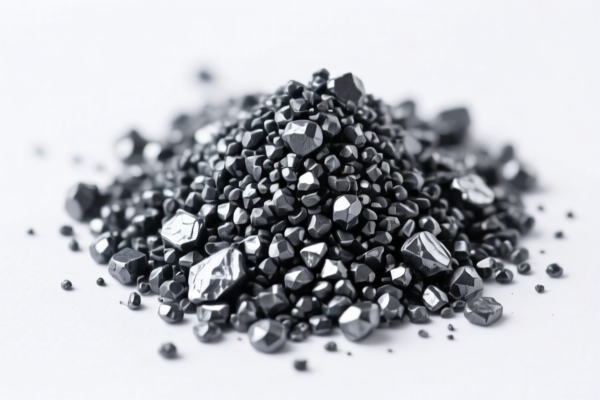
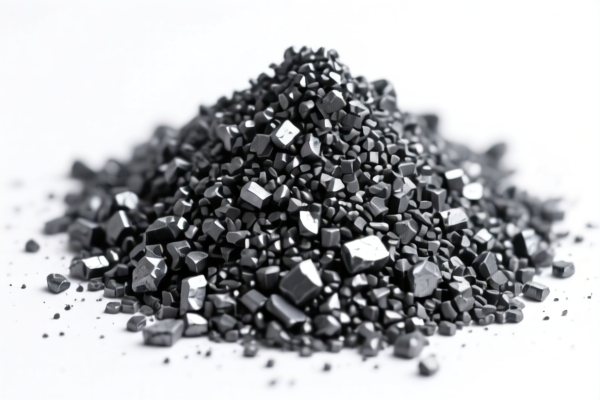
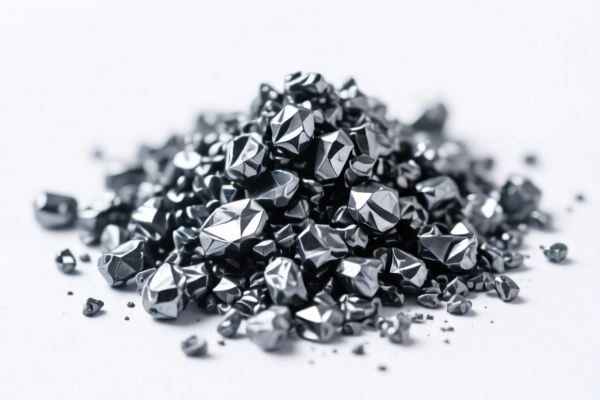
AI分析
⚙🔥 Casting Desulfurization Agents (Chemical Agents for Metal Processing)
🌐 HS Code Reference & Customs Clearance Guide | 2026 Latest Tariff Analysis | Professional-Level Clearance Strategy
📌 I. Product Definition & Classification: Do You Understand "Desulfurization Agents"?
Casting Desulfurization Agents are specialized chemical formulations used primarily in metallurgy and metal casting processes. Their core function is to reduce the sulfur content in molten metals (such as iron, steel, copper, or aluminum), thereby improving the mechanical properties, ductility, and overall quality of the final metal product.
In international trade, these products are classified based on their specific chemical composition and primary application:
Metallurgical Fluxes & Chemical Agents (Chapter 38):
If the product is a mixture used specifically to assist in the metal processing (e.g., magnesium-based mixtures for desulfurization), it generally falls under HS Code 3810 or 3824.
Specific Chemical Preparations (Chapter 38):
If the product is a distinct chemical preparation not elsewhere specified, it may fall under the "catch-all" provisions in 3824.
⚠ Key Distinction Point:
- If the agent is primarily for surface cleaning or acid pickling of metals (pre-treatment), it belongs to 3810.10.
- If the agent is a mixture for desulfurization (e.g., Mg-Fe-Si alloy powder, calcium carbide mixes), it is classified under 3810.90 or 3824.99.
- The primary purpose (desulfurization vs. surface cleaning) dictates the specific subheading.
📦 II. Detailed Classification of HSN Codes (2026 Latest Tariff Reference)
| HSN Code | Product Description | Application Scenario | Material Conflict? |
|---|---|---|---|
| 3810.90.50.00 | Chemical preparations for metal treatment; auxiliary preparations consistent with metal processing components | General chemical aids in metal working, deoxidizers, desulfurizers not specified elsewhere | ❌ No conflict |
| 3824.99.93.97 | Chemical products and preparations; "Other" catch-all category; no material conflict | Generic chemical mixtures for industrial use where no specific subheading fits better | ❌ No conflict |
| 3810.10.00.00 | Acid pickling and related chemical preparations for metals; suitable for metal/casting treatment | Pre-treatment chemicals for cleaning metal surfaces before casting or welding | ❌ No conflict |
| 3824.99.93.86 | Magnesium-based desulfurization mixtures; fits chemical preparation classification logic | Specific Mg-containing alloys or powders used directly in molten metal desulfurization | ❌ No conflict |
🔍 Key Reminder:
- 3810.90.50.00 and 3810.10.00.00 are often confused. 3810.10 is for pickling/acids (surface cleaning). 3810.90 is for other preparations (like desulfurizers added to the melt).
- 3824.99 items are used when the product is a complex mixture that doesn't fit neatly into the "metal treatment preparations" of 3810.
- Do NOT classify desulfurization agents as "metals" (Chapter 72/73) unless they are bulk alloy blocks intended for melting, not as chemical additives.
💰 III. Detailed Breakdown of 2026 Tariff Rates (Including Surtarges & Policy Add-ons)
✅ Applicable Country: United States (US)
✅ Country of Origin: China (CN)
✅ Effective Date: From November 10, 2025 (including subsequent imports)
🎯 1. 3810.90.50.00 —— Chemical Preparations for Metal Processing (General)
| Item | Content |
|---|---|
| Base Duty Rate | 5.0% (Ad Valorem) |
| USITC Surtarge | +25.0% (Section 301 Surtarges) |
| 122 Clause Surtarge | +10.0% (Section 122 Tariffs) |
| Total Tax Rate | 40.0% |
| Calculation Method | CIF Value × 40% |
| De Minimis Eligibility | ❌ Not Applicable (Deny De Minimis) |
| Legal Basis Path | Base: 3810.90.50.00 → Section 301: Footnote 9903.88.03 → Section 122: 10% surcharge |
📌 Explanation:
- The 5% base duty is the standard Most Favored Nation ( MFN) rate for chemical preparations.
- The 25% Section 301 tariff is applied to almost all chemical goods from China.
- The 10% Section 122 tariff is an additional surcharge on top of Section 301.
- Total 40% is a significant cost factor. Importers must account for this in their landed cost calculations.
🎯 2. 3824.99.93.97 —— Other Chemical Products and Preparations (Catch-All)
| Item | Content |
|---|---|
| Base Duty Rate | 5.0% (Ad Valorem) |
| USITC Surtarge | +25.0% (Section 301 Surtarges) |
| 122 Clause Surtarge | +10.0% (Section 122 Tariffs) |
| Total Tax Rate | 40.0% |
| Calculation Method | CIF Value × 40% |
| De Minimis Eligibility | ❌ Not Applicable |
| Legal Basis Path | Base: 3824.99.93.97 → Section 301: Footnote 9903.88.03 → Section 122: 10% surcharge |
📌 Note:
- Even though this is a "catch-all" category, it is subject to the same aggressive tariff structure as other chemical imports from China.
- Use this code only if the product does not fit the specific "metal treatment" description of 3810.
🎯 3. 3810.10.00.00 —— Acid Pickling & Related Chemical Preparations
| Item | Content |
|---|---|
| Base Duty Rate | 5.0% (Ad Valorem) |
| USITC Surtarge | +25.0% (Section 301 Surtarges) |
| 122 Clause Surtarge | +10.0% (Section 122 Tariffs) |
| Total Tax Rate | 40.0% |
| Calculation Method | CIF Value × 40% |
| De Minimis Eligibility | ❌ Not Applicable |
| Legal Basis Path | Base: 3810.10.00.00 → Section 301: Footnote 9903.88.03 → Section 122: 10% surcharge |
📌 Warning:
- Misclassification Alert: If your product is a desulfurizer (added to molten metal) and not an acid pickling agent (used for surface cleaning), using3810.10is incorrect.
- However, the tariff rate is identical (40%), so the financial impact is the same, but customs may audit for accuracy.
🎯 4. 3824.99.93.86 —— Magnesium-Based Desulfurization Mixtures
| Item | Content |
|---|---|
| Base Duty Rate | 5.0% (Ad Valorem) |
| USITC Surtarge | +25.0% (Section 301 Surtarges) |
| 122 Clause Surtarge | +10.0% (Section 122 Tariffs) |
| Total Tax Rate | 40.0% |
| Calculation Method | CIF Value × 40% |
| De Minimis Eligibility | ❌ Not Applicable |
| Legal Basis Path | Base: 3824.99.93.86 → Section 301: Footnote 9903.88.03 → Section 122: 10% surcharge |
📌 Note:
- This is the most precise code for magnesium-based desulfurizers.
- It confirms the product's nature as a chemical mixture for metallurgical use.
- Despite being a specific code, it is not exempt from Section 301 or 122 tariffs.
🛠 IV. Customs Clearance Practical Advice (Battle-Tested Pitfall Avoidance)
✅ 1. Document Preparation Checklist (Non-Negotiable)
| Document | Mandatory? | Description |
|---|---|---|
| ✅ Product Specification Sheet | ✔ Yes | Must detail chemical composition (e.g., % Mg, % Ca, % Fe), particle size, and melting point. |
| ✅ **Technical Data Sheet (TDS) | ✔ Yes | Explain the mechanism of action (e.g., "reacts with sulfur in molten iron to form MgS"). |
| ✅ **Safety Data Sheet (SDS) | ✔ Yes | Critical for chemical classification. Check Section 14 for transport classification. |
| ✅ **Commercial Invoice | ✔ Yes | Must clearly state: "Desulfurization Agent for Iron Casting," not just "Chemical." |
| ✅ **Packing List | ✔ Yes | Detail net/gross weight and packaging type (e.g., sealed bags to prevent oxidation). |
| ✅ **Bill of Lading | ✔ Yes | Ensure no dangerous goods markings unless applicable (most desulfurizers are non-hazardous but combustible). |
✅ 2. Declaration Tips (Key Mnemonics)
🔥 "Specify the Metal, Specify the Reaction, Avoid 'Generic Chemical'!"
| Scenario | Correct Declaration | Wrong Practice |
|---|---|---|
| Magnesium-based desulfurizer | 3824.99.93.86 - "Mg-Based Desulfurization Mixture for Iron Casting" |
Generic "Chemical Agent" → High audit risk |
| Acid pickling for metal surface | 3810.10.00.00 - "Acid Pickling Solution for Metal Pre-treatment" |
Using desulfurizer codes → Incorrect use |
| Multi-component chemical aid | 3810.90.50.00 - "Chemical Preparation for Metal Processing" |
Using 3824 catch-all if 3810 is more specific |
| **Bulk Alloy Blocks (for melting, not chemical additive) | Chapter 72/73 (Metal Alloy) | Chapter 38 → Wrong chapter, huge tariff difference |
✅ 3. Special Circumstance Handling
| Scenario | Handling Advice |
|---|---|
| OEM/Private Label | Provide the manufacturer’s formulation patent or formula if challenged. Avoid "proprietary" vague descriptions. |
| Mixtures with Binders | If the product contains significant non-chemistry binders (e.g., >50% clay), re-evaluate classification under refractory materials (Chapter 69). |
| **Dangerous Goods (DG) | Most desulfurizers are UN 1325 (Combustible Solid) or UN 1334 (Flammable Solid). If so, declare DG correctly. If not, SDS must prove non-DG status. |
| Small Sample Imports | Still subject to 40% tariff. Do not rely on de minimis (Section 321) for shipments from China. |
🌍 V. Global Market Clearance Comparison (2026 Latest)
| Country/Region | Recommended HSN Code | Tariff Rate (China Origin) | Certification Requirement | Remarks |
|---|---|---|---|---|
| 🇺🇸 USA | 3810.90.50.00 / 3824.99.93.86 |
40% (5% Base + 25% 301 + 10% 122) | SDS, Non-DG Declaration | High tariff barrier. Pre-ruling recommended. |
| 🇨🇳 China | 3810.90.50.00 / 3824.99.93.86 |
5% (Most-Favored-Nation) | GB Standards | Low import duty. Domestic production is common. |
| 🇪🇺 EU | 3824.99.97 / 3810.00 |
0% - 6.5% (Depends on exact type) | REACH Registration | REACH compliance is critical. No Section 301. |
| 🇮🇳 INDIA | 3824.99.99 |
7.5% - 10% | BIS Certification | Anti-dumping duties may apply to certain chemicals. |
| 🇻🇳 VIETNAM | 3824.99.99 |
0% - 10% (VAT 10%) | TCVN Standards | Potential for lower tariffs under RCEP if originating from RCEP members. |
📌 Conclusion:
- USA is the most expensive market due to layered Section 301 and 122 tariffs.
- EU and India require strict chemical compliance (REACH, BIS) but have lower tariff burdens.
- Strategic Shift: Consider sourcing from or processing in Vietnam or Thailand (RCEP members) to potentially avoid US Section 301 tariffs, provided substantial transformation occurs.
📌 VI. Common Mistakes & Pitfall Guide (Lessons Learned the Hard Way)
❌ Mistake 1: Classifying desulfurizers as "Metal Alloy" (Chapter 72) to avoid chemical tariffs
👉 Consequence: Customs will reclassify as Chapter 38 and apply 40% + back taxes + fines.
✅ Correction: If it’s a powder/particle added as an additive, it’s a chemical preparation (Ch 38). If it’s a solid block melted into the bath as the base metal, it might be Chapter 72.
❌ Mistake 2: Using "Chemical" or "Powder" as the description
👉 Consequence: High risk of audit. Customs may demand extensive proof of composition.
✅ Correction: Use specific names: "Magnesium Desulfurizing Agent for Cast Iron."
❌ Mistake 3: Assuming De Minimis (Section 321) applies
👉 Consequence: Shipments under $800 from China are NOT exempt for these goods.
✅ Correction: Always file formal entry, even for small samples.
❌ Mistake 4: Confusing Acid Pickling (3810.10) with Desulfurization (3810.90/3824)
👉 Consequence: While tax rate is same, incorrect classification leads to clearance holds.
✅ Correction: Match the description to the actual use. Pickling = cleaning. Desulfurization = chemical reaction in melt.
🎯 VII. Conclusion: Professional Declaration, Save Time, Reduce Costs!
🎯 Remember the Mantras:
🔹 "Specify the Metal, Specify the Reaction, Avoid 'Generic Chemical'!"
🔹 "HS Code Defines Life, 40% Tariff is Real, Declaration Must Be Precise!"
📌 Pro Tip:
If your desulfurization agents are originating from Vietnam, Mexico, Thailand, or Malaysia, you may qualify for Section 301 Exclusions or lower tariffs under USMCA/RCEP.
Recommend Advance Ruling (ACE/PREVIEW Program). Avoid clearance risks.
📣 Immediate Action:
📞 Contact Professional Customs Brokers + Provide Product Images + Apply for HSN Code Advance Ruling
🚀 Let Your Casting Desulfurization Agents Clear Customs Smoothly, Export Efficiently, and Maximize Profits!
✨ Professional Clearance Starts with Accurate Classification!
💼 Every Penny of Your Cost Warrants Precise Calculation!
用户评价
关于 HS 编码归类
协调制度(HS)是由世界海关组织(WCO)制定的国际贸易商品分类标准。全球 200 多个国家采用 HS 系统作为海关关税、贸易统计和进出口监管的基础。
每个 HS 编码遵循以下层级结构:
- 章(2 位)——商品大类(例如:第 84 章:机器和机械设备)
- 品目(4 位)——章内的更具体分类
- 子目(6 位)——国际通用细分,所有 WCO 成员国统一使用
- 本国细分(8-10 位)——各国自行扩展的细分编码,如美国 HTSUS 10 位编码
正确的 HS 编码归类对于顺利通关、准确缴纳关税和遵守贸易法规至关重要。错误归类可能导致海关延误、多缴关税或罚款。
从CN进口到US时,适用的关税税率可能包括:
- 最惠国(MFN)税率——适用于 WTO 成员国的标准关税税率
- 普通税率——适用于无贸易协定国家
- 贸易救济关税——附加关税,如 301 条款(反倾销)、232 条款(国家安全)或反补贴税
本页内容仅供参考。如需正式归类,请咨询当地海关或持牌报关代理。