chamfering and deburring tools
CN → US| HS编码 | 关税税率 | 原产国 | 目的国 | 文档 |
|---|---|---|---|---|
| 8207903080 | 40.0% | CN | US | 官方文档 |
| 8466100130 | 38.9% | CN | US | 官方文档 |
| 8207903085 | 40.0% | CN | US | 官方文档 |
| 8205595510 | 40.3% | CN | US | 官方文档 |
| 8205306000 | 40.0% | CN | US | 官方文档 |
商品图片
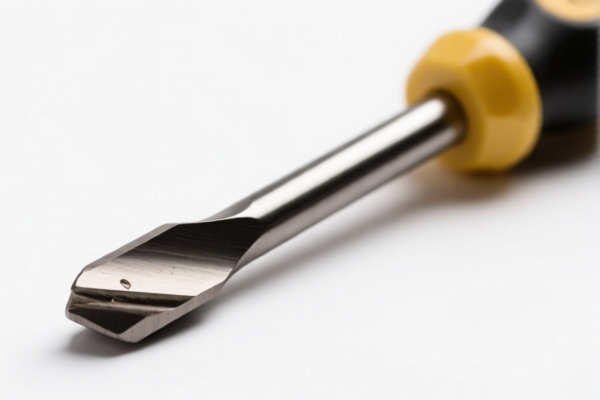
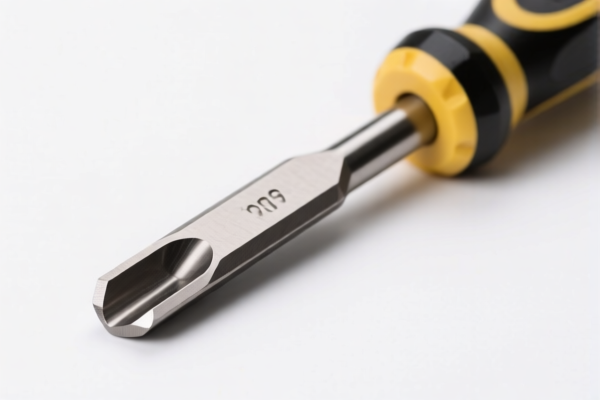
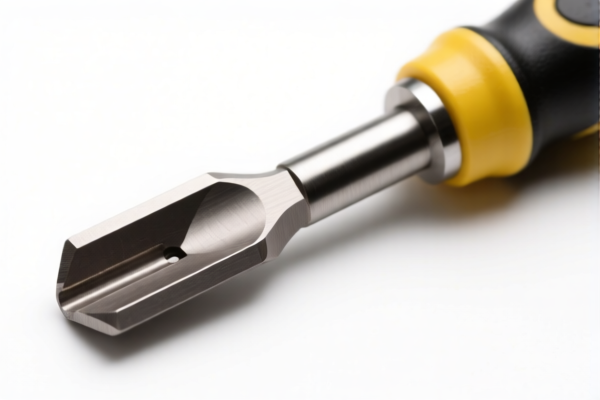
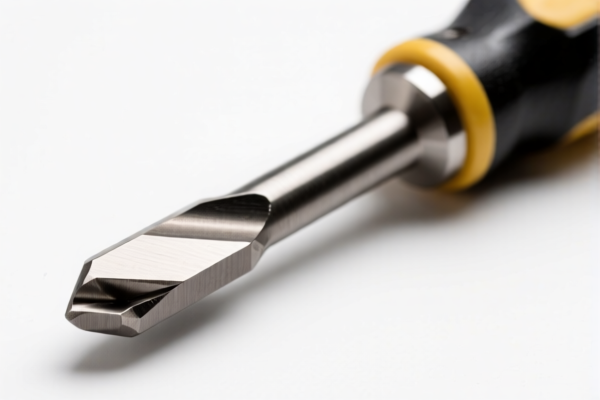
AI分析
✂️ Chamfering & Deburring Tools (倒角与去毛刺工具)
🌐 HS Code Reference & Customs Clearance Guide | 2026 Latest Tariff Analysis | Professional Entry Strategies 📌 1. Product Definition & Classification: What Exactly Are "Chamfering Tools"?
Chamfering and deburring tools are precision instruments used to remove burrs, sharp edges, and imperfections from metal, plastic, or wood workpieces. In international trade, their classification depends heavily on material composition, operating mechanism (manual vs. powered), and specific functional attachment.
Key Distinctions: * Manual Hand Tools: Simple devices held by hand (e.g., files, rasps, simple chamfer knives). Typically classified under Chapter 82 (Tools, Implements... of Base Metal). * Powered/Machine Tools: Tools used as attachments for drilling, milling, or CNC machines. Often classified under Chapter 84 (Machinery) or specific subsections of Chapter 82 for "parts/accessories." * Material Matters: Are they made of Steel? Tungsten Carbide? Wood? The base material often dictates the Chapter.
⚠️ Critical Classification Point: - If it is a hand-held file/razor → 8205 (Hand tools). - If it is a machine attachment/drill bit → 8207 (Interchangeable tools) or 8466 (Parts of machinery).
📦 2. HS Code Classification Matrix (2026 Latest Tariff Alignment)
Based on the provided data, here are the five most likely HS Codes for Chamfering/Deburring Tools, ranked by classification logic:
| HS Code | Product Description | Classification Logic | Tax Rate (Total) |
|---|---|---|---|
| 8207.90.30.80 | Cutting Tools (General) | Classified as "Cutting Tools." Focuses on the cutting function rather than the machine attachment aspect. Assumes general cutting geometry. | 40.0% |
| 8466.10.01.30 | Parts/Accessories for Machinery | Classified as a "Holder for Inserts" or accessory for cutting/drilling machinery. Focuses on the machine integration aspect. | 38.9% |
| 8207.90.30.85 | Metal Cutting Tools | Specific subset of 8207.90.30. Focuses on metal workpieces. Assumes metal-on-metal cutting action. | 40.0% |
| 8205.59.55.10 | Hand Tools (Rasps/Files) | Classified as "Hand Tools with Working Parts of Base Metal." Best for manual chamfering files or simple hand-held deburring knives. | 40.3% |
| 8205.30.60.00 | Similar Cutting Hand Tools | Classified as "Similar Cutting Tools" under hand tools. Broad catch-all for manual tools that perform cutting/chamfering but don’t fit strict file definitions. | 40.0% |
🔍 Key Insight: - 8466.10.01.30 offers the lowest total tax (38.9%) but requires proof that the tool is a machine accessory (e.g., used in a CNC machine or drill press). - 8205.59.55.10 is suitable for manual tools but carries the highest base duty (5.3%), resulting in the highest total tax (40.3%). - 8207.90.30.80/85 are the "safe" defaults for general cutting tools, carrying a standard 40% total rate.
💰 3. Detailed Tariff Breakdown (Including Surcharges & Policies)
✅ Applicable Country: USA (US)
✅ Origin: China (CN)
✅ Effective Date: 2025-11-10 onwards
🎯 1. 8207.90.30.80 & 8207.90.30.85
(General Cutting Tools / Metal Cutting Tools)
| Item | Detail |
|---|---|
| Base Duty | 5.0% (Ad Valorem) |
| Section 301 Surcharge | +25.0% (USITC Footnote) |
| Section 122 Tariff | +10.0% (Specific provision for China) |
| Total Effective Rate | 40.0% |
| Calculation | CIF Value × 40% |
| De Minimis Exemption | ❌ Not Eligible (Deny De Minimis) |
| Legal Path | Base Tariff 5% → Section 301 25% → Section 122 10% |
📌 Explanation: - These codes fall under Chapter 82 (Tools of Base Metal). - The 25% Section 301 is the standard retaliatory tariff on Chinese goods. - The 10% Section 122 is a specific additional duty applied to certain industrial tools from China. - Total: 40%. No exemptions available for standard imports.
🎯 2. 8466.10.01.30
(Parts & Accessories for Machinery: Cutting/Drilling Holders)
| Item | Detail |
|---|---|
| Base Duty | 3.9% (Ad Valorem) |
| Section 301 Surcharge | +25.0% |
| Section 122 Tariff | +10.0% |
| Total Effective Rate | 38.9% |
| Calculation | CIF Value × 38.9% |
| De Minimis Exemption | ❌ Not Eligible |
| Legal Path | Base Tariff 3.9% → Section 301 25% → Section 122 10% |
📌 Why This Matters: - This is the most cost-effective option among the provided codes (0.1% lower than the 8207 group). - Requirement: You must demonstrate that the tool is not a standalone hand tool but a component of a larger machine (e.g., a chamfering drill bit holder). - If cleared as a "part," the lower base duty (3.9% vs 5.0%) saves money.
🎯 3. 8205.59.55.10 & 8205.30.60.00
(Hand Tools: Rasps, Files, Similar Cutting Tools)
| Item | Detail |
|---|---|
| Base Duty | 5.3% (8205.59) / 5.0% (8205.30) |
| Section 301 Surcharge | +25.0% |
| Section 122 Tariff | +10.0% |
| Total Effective Rate | 40.3% (for 8205.59) / 40.0% (for 8205.30) |
| Calculation | CIF Value × 40.3% or 40.0% |
| De Minimis Exemption | ❌ Not Eligible |
📌 Explanation: - 8205.59.55.10 is for "Other Hand Tools with Working Parts of Base Metal." Common for manual chamfer files. - 8205.30.60.00 is for "Similar Cutting Tools." - 8205.59.55.10 is the most expensive option (40.3%) due to the higher base duty (5.3%). - Use this only if the tool is explicitly a manual, hand-held device and not a machine accessory.
🛠️ 4. Customs Clearance Operational Advice (Real-World Pitfall Guide)
✅ 1. Documentation Checklist (Non-Negotiable)
| Document | Required? | Notes |
|---|---|---|
| Product Specifications | ✔️ | Must specify: Material (e.g., HSS, Carbide), Usage (Manual vs. Machine), Dimensions. |
| Technical Drawing | ✔️ | Crucial for 8466 classification. Show how it attaches to a machine. |
| Product Photos | ✔️ | Clear images of the tool, including any mounting interfaces or shanks. |
| Commercial Invoice | ✔️ | Describe item as "Chamfering Tool, Model XYZ, [Material]," NOT just "Tool." |
| Packing List | ✔️ | Ensure quantity matches invoice. |
| Country of Origin Cert | ✔️ | Needed to apply Section 301/122 correctly. |
✅ 2. Classification Strategy (The "Golden Rule")
🔥 "Machine Accessory < General Cutter < Hand Tool"
Priority for Low Tax: 8466.10.01.30 (38.9%)
Middle Ground: 8207.90.30.80/85 (40.0%)
Highest Cost: 8205.59.55.10 (40.3%)
| Scenario | Recommended HS Code | Reason |
|---|---|---|
| Chamfering Drill Bit | 8466.10.01.30 |
It is a holder/attachment for a drilling machine. Lowest tax. |
| Manual Chamfer File | 8205.59.55.10 |
It is a hand-held rasp/file. Higher base duty. |
| Generic Cutting Tool | 8207.90.30.80 |
Safe fallback if machine attachment status is unclear. |
| Wood Chamfer Tool | 8205.30.60.00 |
If used for non-metal materials, this "similar tool" code may apply. |
✅ 3. Special Considerations
| Situation | Advice |
|---|---|
| Is it a "Drill Bit"? | If it has a shank for a chuck, argue for 8466 (Accessory). If it’s a simple blade, argue for 8207 (Cutting Tool). |
| Material Matters | If the tool is made of ceramic or diamond, it may NOT fall under these base metal codes. Check Chapter 81 or 82 exclusions. |
| Kit Sales | If sold as a "Kit" with a handle and replaceable blades, the entire kit may be classified under the blade holder code (8466) or the blade code (8207). Be consistent. |
| Section 122 Impact | The 10% Section 122 tariff is specific to certain industrial tools. Ensure your description aligns with the "industrial" nature of the product to avoid disputes. |
🌍 5. Global Market Comparison (2026 Snapshot)
| Market | Likely HS Code | Est. Total Duty (China Origin) | Notes |
|---|---|---|---|
| 🇺🇸 USA | 8466.10.01.30 |
38.9% | Lowest rate if machine accessory. No De Minimis. |
| 🇨🇳 China | 8207.90 |
~9-10% | Standard import duty. No Section 301/122. |
| 🇪🇺 EU | 8207.90 |
~6.5% | Standard MFN rate. No Section 301. |
| 🇨🇦 Canada | 8207.90 |
~8.5% | Standard duty. No Section 301. |
| 🇲🇽 Mexico | 8207.90 |
~5-10% | Varies by FTAA rules. |
📌 Conclusion for US Importers: - The 3.9% difference between
8466(38.9%) and8207(40.0%) seems small but adds up on high-volume shipments. - DO NOT rely on De Minimis (Section 321) for these tools. They are explicitly denied.
📌 6. Common Mistakes & Pitfalls (Learn from Others)
❌ Mistake 1: Classifying a machine chamfering bit as a hand file (8205).
👉 Result: Higher tax (40.3%) and potential audit for misclassification if technical drawings show machine interface.
❌ Mistake 2: Using "De Minimis" for shipments under $800.
👉 Result: Customs seizure or return. These tools are explicitly excluded from De Minimis exemptions for Chinese origin.
❌ Mistake 3: Vague Description "Chamfer Tool."
👉 Result: CBP issues a "Request for More Information" (RFI), delaying clearance by weeks.
👉 Fix: Use precise language: "Tungsten Carbide Chamfering Insert, Model C-100, for CNC Machine"
✅ Best Practice Description:
"CHAMFERING TOOL, TUNGSTEN CARBIDE, MODEL XYZ, FOR USE WITH CNC DRILL PRESS, ORIGIN: CHINA"
🎯 7. Final Recommendation
- Audit Your Product: Is it attached to a machine? → 8466.10.01.30 (Save 0.1%).
- If Hand-Held: Is it a file/rasp? → 8205.59.55.10 (Accept 40.3%).
- If General Cutting: → 8207.90.30.80 (Accept 40.0%).
- Prepare for 38.9%-40.3% Duty: Budget accordingly. No exemptions.
- Avoid De Minimis: Do not attempt to sneak these under $800; they are flagged.
✨ Professional Clearance Starts with Precise Classification!
💼 Every percentage point counts in the age of trade wars.
用户评价
关于 HS 编码归类
协调制度(HS)是由世界海关组织(WCO)制定的国际贸易商品分类标准。全球 200 多个国家采用 HS 系统作为海关关税、贸易统计和进出口监管的基础。
每个 HS 编码遵循以下层级结构:
- 章(2 位)——商品大类(例如:第 84 章:机器和机械设备)
- 品目(4 位)——章内的更具体分类
- 子目(6 位)——国际通用细分,所有 WCO 成员国统一使用
- 本国细分(8-10 位)——各国自行扩展的细分编码,如美国 HTSUS 10 位编码
正确的 HS 编码归类对于顺利通关、准确缴纳关税和遵守贸易法规至关重要。错误归类可能导致海关延误、多缴关税或罚款。
从CN进口到US时,适用的关税税率可能包括:
- 最惠国(MFN)税率——适用于 WTO 成员国的标准关税税率
- 普通税率——适用于无贸易协定国家
- 贸易救济关税——附加关税,如 301 条款(反倾销)、232 条款(国家安全)或反补贴税
本页内容仅供参考。如需正式归类,请咨询当地海关或持牌报关代理。