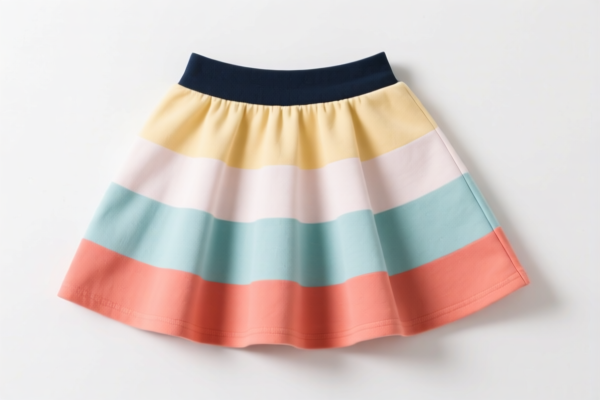
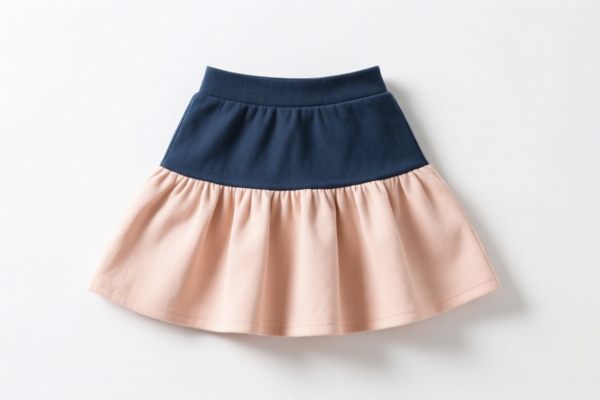
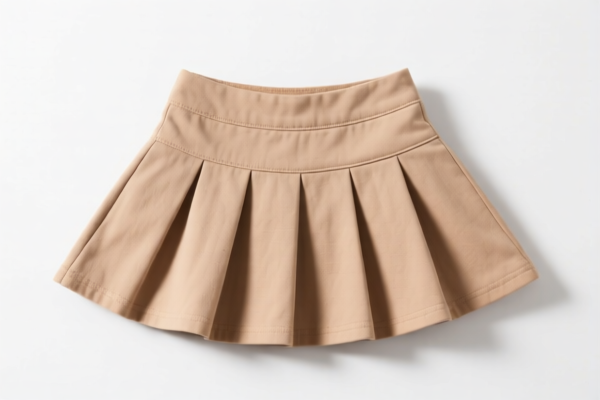
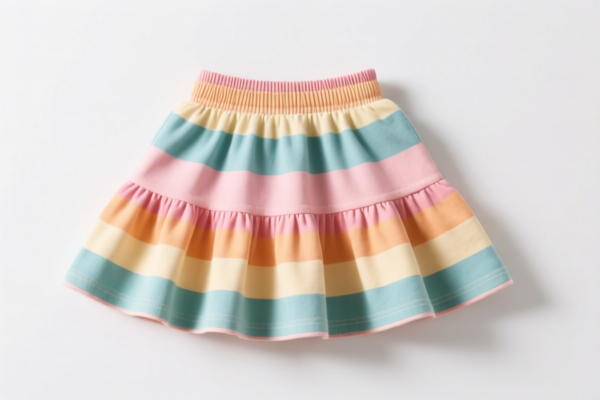
children's skirt
CN → US| HS编码 | 关税税率 | 原产国 | 目的国 | 文档 |
|---|---|---|---|---|
| 6104420020 | 29.0% | CN | US | 官方文档 |
| 6104520010 | 18.3% | CN | US | 官方文档 |
| 6204510010 | 31.5% | CN | US | 官方文档 |
| 6111206020 | 25.6% | CN | US | 官方文档 |
| 6108110020 | 32.4% | CN | US | 官方文档 |
商品图片
AI分析
👗 Children's Skirt: Strategic HS Code Classification & US Customs Clearance Guide | 2026 Tariff Deep Dive
🌐 HS Code Reference & Customs Clearance Strategy | 2026 Latest Tariff Analysis | Professional Compliance Guide
📌 Part 1: Product Definition & Classification Logic
A "Children's Skirt" is a specific garment category in international trade. In the Harmonized System (HS), classification depends on three critical factors: 1. Material Composition (Knitted vs. Woven; Cotton vs. Synthetic). 2. Construction Method (Knitted/Knotted vs. Woven/Sewn). 3. Age Group (Children under 13 vs. Adults).
⚠️ Key Classification Distinction:
- Knitted Skirts (Chapter 61): Made from knitted fabrics (stretchy, jersey, etc.). Usually lower base tariffs.
- Woven Skirts (Chapter 62): Made from woven fabrics (denim, cotton twill, etc.). Usually higher base tariffs.
- Lingerie/Sliplines (Chapter 61/62): Thin, undergarment-style skirts ("child’s slip") vs. outerwear skirts.
📦 Part 2: HS Code Classification Matrix (Based on Provided Data)
The following table maps the "Children's Skirt" product to its potential HS Codes, summaries, and tax implications based strictly on the provided dataset.
| HS Code | Product Summary & Logic | Material Inference | Total Tax Rate | Key Tax Components |
|---|---|---|---|---|
6104.42.00.20 |
Children's Skirt: Perfect match for form and use. Material inference shows no conflict. | Knitted (Implied by Ch 61) | 29.0% | Base: 11.5% Add-on: 7.5% 301 Sec: 10% |
6104.52.00.10 |
Skirt: Form matches. Material/Target missing but no conflict. | Knitted (Implied by Ch 61) | 18.3% | Base: 8.3% Add-on: 0.0% 301 Sec: 10% |
6204.51.00.10 |
Skirt: Form matches. Material inference shows no conflict. | Woven (Implied by Ch 62) | 31.5% | Base: 14.0% Add-on: 7.5% 301 Sec: 10% |
6111.20.60.20 |
Child’s Slip: Form is baby garment accessory. Material inferred as Cotton/Blend. | Knitted (Implied by Ch 61) | 25.6% | Base: 8.1% Add-on: 7.5% 301 Sec: 10% |
6108.11.00.20 |
Child’s Slip: Matches use and form. Material specified as Man-made Fiber. | Knitted (Implied by Ch 61) | 32.4% | Base: 14.9% Add-on: 7.5% 301 Sec: 10% |
🔍 Critical Analysis:
-6104.42.00.20is the most direct fit for a general "Children's Knitted Skirt".
-6104.52.00.10offers the lowest tax rate (18.3%) but lacks specific material/age confirmation in the summary, posing a compliance risk if audited.
-6204.51.00.10applies to Woven Skirts, which incur a higher base tariff (14.0%) than knitted counterparts.
-6111.20.60.20and6108.11.00.20refer to Slips/Sliplines (undergarments), not outerwear skirts. Misclassifying an outerwear skirt as a slip can lead to penalties.
💰 Part 3: 2026 US Tariff Structure Detailed Breakdown
✅ Applicable Jurisdiction: United States (US)
✅ Origin: China (CN) (Implied by the presence of "Section 301" and "122 Clause" tariffs in the data)
✅ Effective Time: Current 2026 Tariff Structure
🎯 1. 6104.42.00.20 — Children's Knitted Skirt (Recommended for General Use)
| Item | Details |
|---|---|
| Base Duty Rate | 11.5% (Ad Valorem) |
| Section 301 Add-on | 7.5% (Specific to Chapter 61 garments from China) |
| Section 122 Clause | 10% (De Minimis Loophole Closure Tariff) |
| Total Effective Rate | 29.0% |
| Calculation Base | CIF Value (Cost + Insurance + Freight) × 29.0% |
| De Minimis Exemption | ❌ NOT APPLICABLE (Deny De Minimis). Section 301 and 122 tariffs are not exempt under $800 threshold. |
| Legal Path | USITC:6104.42.00.20 → Section 301: 8524.11.10.00 (Footnote) → IEEPA:122 |
📌 Explanation:
- This is the standard rate for knitted children's skirts from China.
- The 10% Section 122 tariff was introduced to close the "de minimis" loophole for low-value shipments. Even if the package is under $800, this tariff applies.
🎯 2. 6104.52.00.10 — Other Knitted Skirts (Lowest Cost Option?)
| Item | Details |
|---|---|
| Base Duty Rate | 8.3% |
| Section 301 Add-on | 0.0% (Note: Data shows 0%, which is unusually low for China goods; verify origin) |
| Section 122 Clause | 10% |
| Total Effective Rate | 18.3% |
| Calculation Base | CIF Value × 18.3% |
| De Minimis Exemption | ❌ NOT APPLICABLE |
| Legal Path | USITC:6104.52.00.10 → IEEPA:122 |
📌 Caution:
- The 0% Section 301 suggests this code might not be subject to the standard 7.5% add-on, or the data assumes a non-China origin for the base component. However, the 10% Section 122 still applies.
- Risk: If customs determines this is a "Children's" skirt, they may reclassify to6104.42.00.20(29.0%). Use only if material/age is ambiguous.
🎯 3. 6204.51.00.10 — Woven Skirt
| Item | Details |
|---|---|
| Base Duty Rate | 14.0% |
| Section 301 Add-on | 7.5% |
| Section 122 Clause | 10% |
| Total Effective Rate | 31.5% |
| Calculation Base | CIF Value × 31.5% |
| De Minimis Exemption | ❌ NOT APPLICABLE |
📌 Note: Woven skirts are taxed higher than knitted ones. If your skirt is woven (e.g., denim, cotton twill), this is the correct code.
🎯 4. 6111.20.60.20 — Child’s Slip (Cotton/Blend)
| Item | Details |
|---|---|
| Base Duty Rate | 8.1% |
| Section 301 Add-on | 7.5% |
| Section 122 Clause | 10% |
| Total Effective Rate | 25.6% |
| Calculation Base | CIF Value × 25.6% |
📌 Clarification: This code is for slips/sliplines (undergarments), not outerwear skirts. Do not use for fashion skirts.
🎯 5. 6108.11.00.20 — Child’s Slip (Man-made Fiber)
| Item | Details |
|---|---|
| Base Duty Rate | 14.9% |
| Section 301 Add-on | 7.5% |
| Section 122 Clause | 10% |
| Total Effective Rate | 32.4% |
| Calculation Base | CIF Value × 32.4% |
📌 Clarification: Highest tax rate in the dataset. Only for synthetic slips.
🛠️ Part 4: Customs Clearance Practical Advice
✅ 1. Required Documentation Checklist
| Document | Mandatory? | Description |
|---|---|---|
| ✅ Product Specification Sheet | ✔️ | Must clearly state: "Children's Skirt," Age Group (e.g., 2-14 yrs), Fabric Composition (e.g., 95% Cotton, 5% Spandex), and Construction (Knitted/Woven). |
| ✅ Fabric Swatch/Composition Report | ✔️ | Third-party lab report confirming fiber content. Critical for distinguishing Ch 61 vs. Ch 62 and base rate. |
| ✅ Product Photos | ✔️ | Clear images showing the garment is a skirt (not a slip, not a dress, not pants). Include label showing "Made in China." |
| ✅ Commercial Invoice | ✔️ | Must list HS Code, Unit Price, Total Value, and Country of Origin. |
| ✅ Packing List | ✔️ | Weight, dimensions, and item count. |
✅ 2. Declaration Strategy (Key Tips)
🔥 Rule: "Be Specific, Not Generic."
| Scenario | Recommended Declaration | Wrong Approach |
|---|---|---|
| Knitted Skirt for Kids | Children's Knitted Skirt, 6104.42.00.20 |
"Girls' Clothing" or "Skirt" |
| Woven Skirt | Women's/Woven Skirt, 6204.51.00.10 |
"Jeans Skirt" (if woven) |
| Slip/Undergarment | Child's Cotton Slip, 6111.20.60.20 |
"Skirt" (if it's a slip) |
| De Minimis Shipment | Declare Full Value + Taxes | Attempting to hide under $800 (Section 122 tariff still applies!) |
✅ 3. Special Considerations for "Section 122" (10% Tariff)
⚠️ Critical Update:
- The 10% Section 122 tariff applies to all imports from China, regardless of value.
- De Minimis (Section 321) exemption is voided for these tariffs.
- Action: Even for small samples or low-value shipments, budget for the 10% additional duty in your cost calculations. Do not assume small packages are tax-free.
🌍 Part 5: Market Comparison & Risk Assessment
| Market | Recommended HS Code | Estimated Total Tax | Key Certification |
|---|---|---|---|
| 🇺🇸 USA (China Origin) | 6104.42.00.20 (Knitted) |
29.0% | CPSIA (Children's Product Cert) |
| 🇺🇸 USA (China Origin) | 6204.51.00.10 (Woven) |
31.5% | CPSIA |
| 🇪🇺 EU | 6104.42 or 6204.51 |
~12-16% | REACH, CE (if electronic accessories) |
| 🇨🇳 China (Export) | N/A | 0% (VAT refund applicable) | N/A |
📌 Conclusion:
- US Market: High tariffs (29-31.5%) due to Section 301 + Section 122.
- Compliance Risk: High. Misclassifying a "skirt" as a "slip" or vice versa can lead to significant duty evasion penalties.
- CPSIA Compliance: Ensure all children's clothing meets US Consumer Product Safety Improvement Act (CPSIA) standards, including lead content and phthalates testing.
📌 Part 6: Common Mistakes & Pitfalls
❌ Mistake 1: Claiming "De Minimis" exemption to avoid the 10% Section 122 tariff.
👉 Result: Customs seizure, fines, and back taxes. Section 122 tariffs cannot be avoided via de minimis.
❌ Mistake 2: Misclassifying a Knitted Skirt as a Woven Skirt (or vice versa).
👉 Result: If customs determines it’s knitted but you declared woven (6204.51.00.10), you may pay 31.5% instead of 29.0%, or face audits for incorrect classification.
❌ Mistake 3: Calling an Outerwear Skirt a "Slip" to get a lower base rate.
👉 Result: If the garment is structured, colored, and intended for outdoor wear, it is NOT a slip. Misclassification leads to duty evasion penalties.
❌ Mistake 4: Ignoring Material Composition.
👉 Result: Knitted (Ch 61) vs. Woven (Ch 62) changes the base rate. Cotton vs. Synthetic can also affect duties. Always provide a lab report.
✅ Correct Declaration Example:
"CHILDREN'S KNITTED SKIRT, 95% COTTON 5% SPANDEX, FOR AGES 2-14, HS 6104.42.00.20, MADE IN CHINA"
🎯 Part 7: Final Recommendations
- Use
6104.42.00.20for standard knitted children's skirts. It offers a balance of clarity and reasonable tax (29.0%). - Avoid
6104.52.00.10unless you have strong justification for the lower base rate, as it lacks specific "children's" confirmation in the summary. - Never use slip codes (
6111.20.60.20,6108.11.00.20) for outerwear skirts. - Budget for 29-31.5% total duty for US imports from China. Include the 10% Section 122 tariff in your landed cost calculations.
- Ensure CPSIA Compliance: Children's clothing requires strict safety testing in the US.
📌 Pro Tip:
Apply for an Advance Ruling from US Customs if your product is unique or if you are unsure about the Knitted vs. Woven classification. This provides legal certainty and prevents future disputes.
📣 Immediate Action:
📞 Contact your customs broker with product photos and fabric composition reports.
📝 Declare accurately: "Children's Knitted Skirt, HS 6104.42.00.20."
💰 Price your goods with 29.0% duty factored in.
✨ Professional Clearance, Accurate Classification, Cost Control!
💼 Every percent of duty saved is pure profit!
用户评价
关于 HS 编码归类
协调制度(HS)是由世界海关组织(WCO)制定的国际贸易商品分类标准。全球 200 多个国家采用 HS 系统作为海关关税、贸易统计和进出口监管的基础。
每个 HS 编码遵循以下层级结构:
- 章(2 位)——商品大类(例如:第 84 章:机器和机械设备)
- 品目(4 位)——章内的更具体分类
- 子目(6 位)——国际通用细分,所有 WCO 成员国统一使用
- 本国细分(8-10 位)——各国自行扩展的细分编码,如美国 HTSUS 10 位编码
正确的 HS 编码归类对于顺利通关、准确缴纳关税和遵守贸易法规至关重要。错误归类可能导致海关延误、多缴关税或罚款。
从CN进口到US时,适用的关税税率可能包括:
- 最惠国(MFN)税率——适用于 WTO 成员国的标准关税税率
- 普通税率——适用于无贸易协定国家
- 贸易救济关税——附加关税,如 301 条款(反倾销)、232 条款(国家安全)或反补贴税
本页内容仅供参考。如需正式归类,请咨询当地海关或持牌报关代理。