clothes drying rod
CN → US| HS编码 | 关税税率 | 原产国 | 目的国 | 文档 |
|---|---|---|---|---|
| 7326200020 | 88.9% | CN | US | 官方文档 |
| 7326908688 | 87.9% | CN | US | 官方文档 |
| 7326200090 | 88.9% | CN | US | 官方文档 |
| 5607493000 | 38.6% | CN | US | 官方文档 |
| 5607491000 | 37.7% | CN | US | 官方文档 |
商品图片
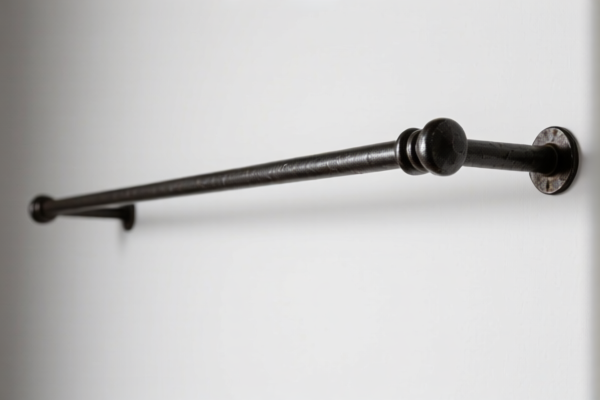
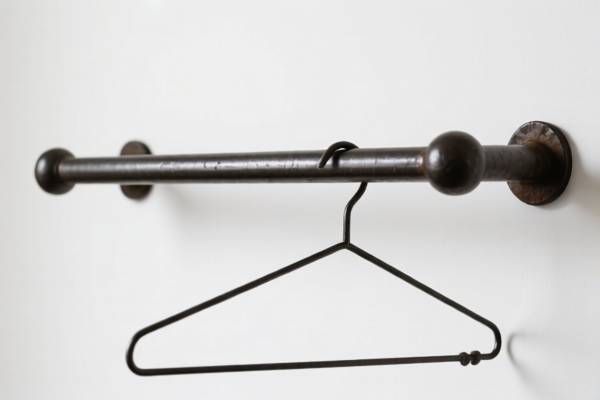
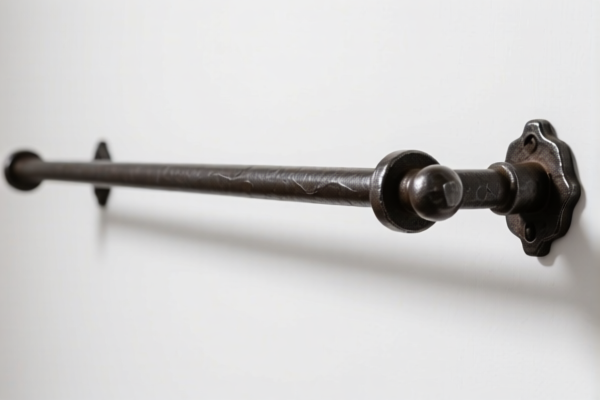
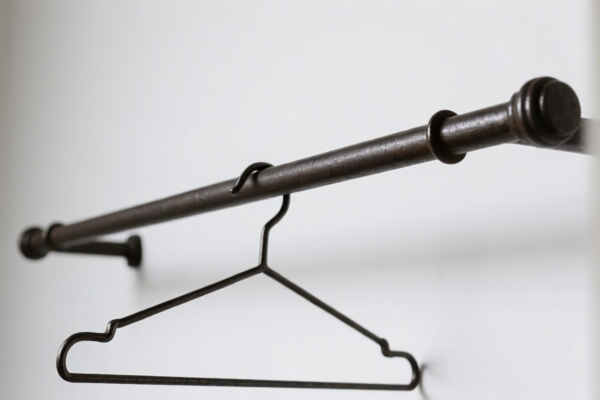
AI分析
🧺 Clothes Drying Rod (Laundry Drying Pole)
🌐 HS Code Reference & Customs Clearance Guide | 2026 Latest Tariff Analysis | Professional Entry Strategy
📌 Part I: Product Definition & Classification: Do You Really Know "Clothes Drying Rod"?
Clothes drying rods are essential household textile accessories used for hanging laundry to dry. In international trade, they are primarily classified based on their material composition (Iron/Steel vs. Plastic/Polymer) and structural form (Rigid Pole vs. Flexible Rope/Cord).
Rigid Drying Poles (Iron/Steel): Solid bars or pipes made of ferrous metals, used for supporting wet clothes.
Flexible Drying Lines/Ropes: Strands made of plastic, nylon, or coated steel, used for spanning distances between poles.
⚠️ Key Distinction Point:
- If the item is a solid, rigid bar (even if thin wire) → It is classified under Chapter 73 (Articles of Iron or Steel).
- If the item is a flexible cord, string, or rope (plastic/nylon) → It is classified under Chapter 56 (Wadding, felt and nonwovens; special yarns; twine, cordage, rope and cables and articles thereof).
- Do not mix materials: A plastic-coated steel rope might still be considered "steel" depending on the core weight, but pure plastic lines are "textile-like" or "plastic ropes."
📦 Part II: HS Code Classification Details (2026 Latest Tariff Authority Comparison)
| HS Code | Product Description | Applicable Scenario | Material |
|---|---|---|---|
7326.90.86.88 |
Other articles of iron or steel (e.g., Iron/Steel Drying Rods) | Rigid metal poles, generic steel drying bars | ✅ Iron/Steel |
7326.20.00.20 |
Articles of iron wire (e.g., Iron/Wire Drying Rods) | Wire-based rods, shaped wire products | ✅ Iron/Wire |
7326.20.00.90 |
Other articles of iron wire (e.g., Steel Drying Ropes) | Steel wire ropes/cords for drying | ✅ Steel Wire |
5607.49.30.00 |
Other ropes, plaited bands and twine, of polyethylene or polypropylene | Plastic/Polymer drying ropes | ✅ Plastic (PE/PP) |
5607.49.10.00 |
Ropes and cables, of plastics (e.g., Plastic Drying Lines) | General plastic drying lines | ✅ Plastic |
🔍 Key Reminder:
- Metal Rods: Always fall under HS 7326. Even if they are thin wires formed into a rod shape, they are "articles of iron wire" (7326.20) or "other articles" (7326.90).
- Plastic Ropes: Always fall under HS 5607. Even if they are used for drying clothes, if they are flexible plastic strands, they are "ropes of plastics."
- Misclassification Risk: Declaring a steel rope as a "plastic rope" to avoid steel tariffs is a high-risk customs violation.
💰 Part III: 2026 Latest Tariff Rate Breakdown (Including Additional Taxes & Policies)
✅ Applicable Country: United States (US)
✅ Origin: China (CN)
✅ Effective Time: Current 2026 Tariff Structure (Inclusive of Section 301 & Section 232 impacts)
🎯 1. 7326.90.86.88 —— Iron/Steel Articles (Rigid Drying Rods)
| Item | Content |
|---|---|
| Base Rate | 2.9% (Ad Valorem) |
| Section 301 Additional Tariff | +25.0% |
| Section 232 Additional Tariff | +10.0% (Specific to Steel/Aluminum/Copper products) |
| Total Tax Rate | 87.9% |
| Tax Calculation | CIF Value × 87.9% |
| De Minimis Exemption | ❌ Not Available |
| Legal Basis Path | Section 301: 9903.88.01 → Section 232: 9902.01.00 → USITC:7326.90.86.88 |
📌 Explanation:
- This is a high-risk category. Iron/steel articles are subject to both Section 301 (trade war tariffs) and Section 232 (national security tariffs).
- Total burden: 87.9%. This makes importing steel drying rods from China extremely costly.
- Note: Even "thin" steel poles are subject to Section 232 if they fall under the broad steel articles definition.
🎯 2. 7326.20.00.20 —— Articles of Iron Wire (Wire Drying Rods)
| Item | Content |
|---|---|
| Base Rate | 3.9% |
| Section 301 Additional Tariff | +25.0% |
| Section 232 Additional Tariff | +10.0% (Steel/Aluminum/Copper products) |
| Total Tax Rate | 88.9% |
| Tax Calculation | CIF Value × 88.9% |
| De Minimis Exemption | ❌ Not Available |
| Legal Basis Path | Section 301: 9903.88.01 → Section 232: 9902.01.00 → USITC:7326.20.00.20 |
📌 Explanation:
- Slightly higher base rate (3.9%) but same additional tariffs.
- Applies to rods made of iron wire or steel wire.
- Total burden: 88.9%.
🎯 3. 7326.20.00.90 —— Other Articles of Iron Wire (Steel Drying Ropes)
| Item | Content |
|---|---|
| Base Rate | 3.9% |
| Section 301 Additional Tariff | +25.0% |
| Section 232 Additional Tariff | +10.0% (Steel/Aluminum/Copper products) |
| Total Tax Rate | 88.9% |
| Tax Calculation | CIF Value × 88.9% |
| De Minimis Exemption | ❌ Not Available |
| Legal Basis Path | Section 301: 9903.88.01 → Section 232: 9902.01.00 → USITC:7326.20.00.90 |
📌 Explanation:
- Covers steel wire ropes used for drying.
- Total burden: 88.9%.
- Crucial: Even if it's a "rope" made of steel, it is NOT classified under Chapter 56 (Textiles/Plastics). It stays in Chapter 73.
🎯 4. 5607.49.30.00 —— Ropes of Polyethylene or Polypropylene
| Item | Content |
|---|---|
| Base Rate | 3.6% |
| Section 301 Additional Tariff | +25.0% |
| Section 232 Additional Tariff | 0% (Plastics are not subject to Section 232) |
| Total Tax Rate | 38.6% |
| Tax Calculation | CIF Value × 38.6% |
| De Minimis Exemption | ❌ Not Available |
| Legal Basis Path | Section 301: 9903.88.01 → USITC:5607.49.30.00 |
📌 Explanation:
- Significant Cost Saving Opportunity: Plastic ropes avoid the 10% Section 232 tariff.
- Total burden: 38.6%, which is ~50 percentage points lower than steel counterparts.
- Compliance Note: Ensure the product is purely plastic (PE/PP). If it has a steel core, it will be reclassified to Chapter 73.
🎯 5. 5607.49.10.00 —— Ropes of Plastics (Other)
| Item | Content |
|---|---|
| Base Rate | 2.7% |
| Section 301 Additional Tariff | +25.0% |
| Section 232 Additional Tariff | 0% |
| Total Tax Rate | 37.7% |
| Tax Calculation | CIF Value × 37.7% |
| De Minimis Exemption | ❌ Not Available |
| Legal Basis Path | Section 301: 9903.88.01 → USITC:5607.49.10.00 |
📌 Explanation:
- The lowest cost option for drying products.
- Total burden: 37.7%.
- Applies to general plastic drying lines that do not fit the PE/PP specific subheading or are generic plastic cords.
🛠️ Part IV: Customs Clearance Practical Advice (Actionable Pitfall Avoidance)
✅ 1. Material Verification is Critical
| Material Check | Correct HS Code | Risk if Misclassified |
|---|---|---|
| Steel/Iron Core | 7326.20.00.20 / 7326.20.00.90 / 7326.90.86.88 |
❌ High: 87-89% Tax + Penalties |
| Pure Plastic (PE/PP) | 5607.49.30.00 |
✅ Low: 38.6% Tax |
| Pure Plastic (Other) | 5607.49.10.00 |
✅ Low: 37.7% Tax |
| Mixed (Plastic Coated Steel) | Usually Chapter 73 | ⚠️ Medium: If steel content > plastic, it may still be Steel. |
📌 Rule of Thumb:
- Section 232 applies to ALL steel articles, regardless of size or use.
- Section 301 applies to ALL Chinese-origin goods in these categories.
- Plastic alternatives are the only way to reduce the tariff burden significantly.
✅ 2. Documentation Requirements
| Document | Requirement | Purpose |
|---|---|---|
| Product Specification Sheet | Must state Material (e.g., "100% Polyethylene," "Stainless Steel 304") | Customs verifies HS Code eligibility. |
| Material Safety Data Sheet (MSDS) | For plastic items | Confirms chemical composition. |
| Bill of Lading / Invoice | Must specify "Drying Rope" vs. "Drying Rod" | Descriptive accuracy prevents ambiguity. |
| Country of Origin Certificate | Must declare China | Triggers Section 301 tax. |
✅ 3. Declaration Strategy
| Scenario | Recommended Declaration | Tip |
|---|---|---|
| Plastic Drying Line | "Drying Rope, 100% Polyethylene" | Use "Rope" not "Rod" to align with 5607. |
| Steel Drying Pole | "Iron Drying Rod, Solid Steel" | Accept the 87.9% tax; no workaround for steel. |
| Wire Hanger | "Iron Wire Article" | Check if it falls under 7326.20. |
📌 Warning:
- Do NOT declare a steel rope as "plastic rope" to save taxes. Customs tests will reveal the steel core, leading to seizure, fines, and back-taxes.
- Do NOT declare a steel rod as "plastic" if it has plastic coating. If the steel is the essential character, it remains Chapter 73.
🌍 Part V: Global Market Comparison (2026 Update)
| Country/Region | Recommended HS Code | Tariff (China Origin) | Notes |
|---|---|---|---|
| 🇺🇸 USA | 5607.49.10.00 (Plastic) |
37.7% | Best option. Steel is 87-89%. |
| 🇺🇸 USA | 7326.90.86.88 (Steel) |
87.9% | Extremely high due to Sec 232 + 301. |
| 🇨🇳 China | 5607.49.10.00 |
10-15% | Export to China is low tax. |
| 🇪🇺 EU | 5607.49.10.00 |
0-6% | No Section 301/232 equivalents. |
| 🇯🇵 Japan | 5607.49.10.00 |
0-8% | Low tariffs for plastic items. |
📌 Conclusion:
- Plastic drying ropes are the most cost-effective product for the US market.
- Steel drying rods are prohibitively expensive to import into the US from China due to overlapping Section 232 and Section 301 tariffs.
- Strategy: Consider sourcing plastic drying products from non-China origins (e.g., Vietnam, India) to potentially avoid Section 301, or focus entirely on plastic materials to avoid Section 232.
📌 Part VI: Common Errors & Pitfalls (Lessons Learned)
❌ Error 1: Declaring a steel-coated nylon rope as "plastic rope" (5607).
👉 Consequence: Customs identifies the steel core → Reclassified to 7326.20.00.90 → Back-taxes of ~50% + Penalties.
❌ Error 2: Declaring a steel rod as "plastic" because it has plastic grips.
👉 Consequence: Essential character is steel → Reclassified to 7326.90.86.88 → 87.9% Tax.
❌ Error 3: Using vague terms like "Laundry Accessory" on the invoice.
👉 Consequence: Customs delay → Increased storage fees → Potential rejection.
✅ Correct Practice:
"Drying Rope, 100% Polyethylene, 10mm Diameter, Roll"
OR
"Iron Drying Rod, Solid Steel, 1m Length"
🎯 Part VII: Conclusion: Smart Sourcing, Lower Costs!
🎯 Key Takeaways:
🔹 Plastic = 37.7% Tax (Avoids Section 232).
🔹 Steel = 87.9-88.9% Tax (Hits by Section 232 + Section 301).
🔹 Material Definition is King: Be precise. "Wire" vs. "Rope" vs. "Rod" changes the HS Code and the Tax.📌 Pro Tip:
If you are importing large volumes, switch to plastic drying lines or source from non-China countries to mitigate Section 301 risks. For steel items, the tax burden is nearly fixed.
📣 Immediate Action:
📞 Verify Material Composition of your drying products today.
📄 Update HS Codes on your invoices to match the exact material (PE/PP vs. Iron/Steel).
🚀 Optimize Supply Chain: Prioritize plastic alternatives for the US market to save ~50% in tariffs.
✨ Professional Customs Clearance Starts with Accurate Classification!
💼 Your Profit Margin Depends on the First 4 Digits of the HS Code!
用户评价
关于 HS 编码归类
协调制度(HS)是由世界海关组织(WCO)制定的国际贸易商品分类标准。全球 200 多个国家采用 HS 系统作为海关关税、贸易统计和进出口监管的基础。
每个 HS 编码遵循以下层级结构:
- 章(2 位)——商品大类(例如:第 84 章:机器和机械设备)
- 品目(4 位)——章内的更具体分类
- 子目(6 位)——国际通用细分,所有 WCO 成员国统一使用
- 本国细分(8-10 位)——各国自行扩展的细分编码,如美国 HTSUS 10 位编码
正确的 HS 编码归类对于顺利通关、准确缴纳关税和遵守贸易法规至关重要。错误归类可能导致海关延误、多缴关税或罚款。
从CN进口到US时,适用的关税税率可能包括:
- 最惠国(MFN)税率——适用于 WTO 成员国的标准关税税率
- 普通税率——适用于无贸易协定国家
- 贸易救济关税——附加关税,如 301 条款(反倾销)、232 条款(国家安全)或反补贴税
本页内容仅供参考。如需正式归类,请咨询当地海关或持牌报关代理。