cold compress pack
CN → US| HS编码 | 关税税率 | 原产国 | 目的国 | 文档 |
|---|---|---|---|---|
| 6307909891 | 24.5% | CN | US | 官方文档 |
| 6307908940 | 17.0% | CN | US | 官方文档 |
| 9018908000 | 10.0% | CN | US | 官方文档 |
商品图片
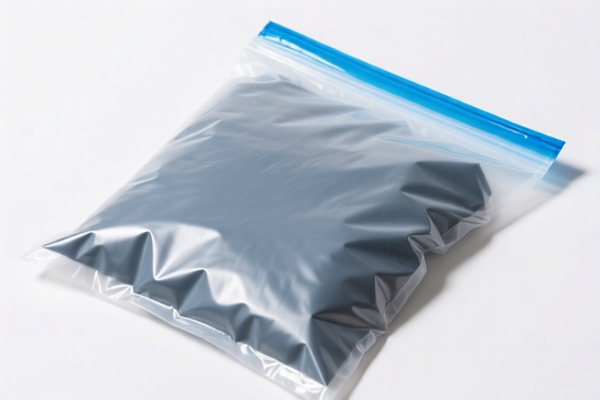
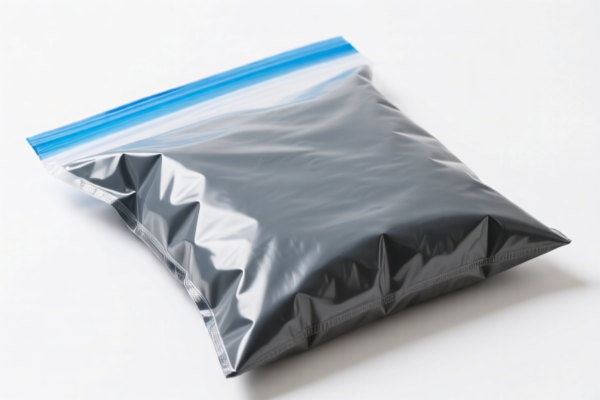
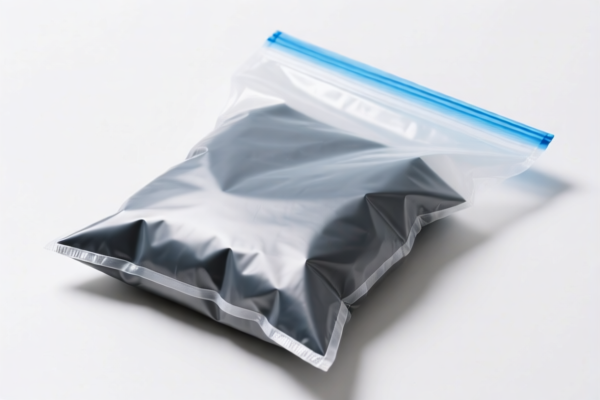
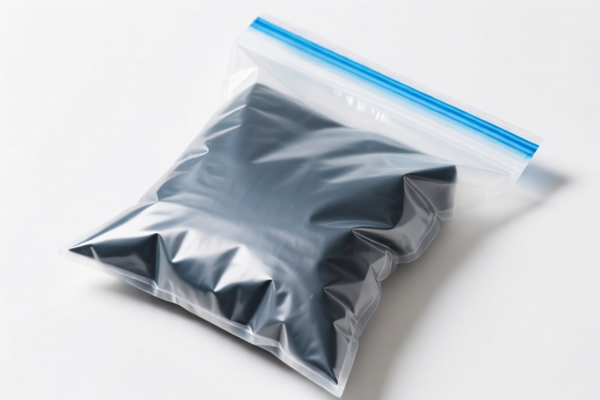
AI分析
❄️ Cold Compress Pack (Medical & Wellness)
🌐 HS Code Reference & Customs Clearance Guide | 2026 Latest Tariff Analysis | Professional Entry Strategy
📌 I. Product Definition & Classification: What Exactly is a "Cold Compress Pack"?
A Cold Compress Pack is a versatile therapeutic device used for pain relief, swelling reduction, and muscle recovery. In international trade, its classification is highly dependent on its material composition and intended use. It is not a single, unified product type but rather a functional category that spans textile goods, finished articles, and medical instruments.
⚠️ Key Classification Logic:
- If made primarily of textiles (cotton, polyester) and marketed as a general consumer wellness item → Chapter 63
- If made of plastic/gel/bulk materials without specific medical device claims → Chapter 63 (Other Finished Articles)
- If explicitly designed for medical/surgical use and classified as a medical auxiliary instrument → Chapter 90
📦 II. HS Code Classification Details (2026 Latest Tariff Authority Mapping)
Based on the provided data, the Cold Compress Pack falls into three primary HS Code categories. Each has distinct tax implications under current US-China trade policies.
| HS Code | Product Description | Material/Use Context |
|---|---|---|
9018.90.80.00 |
Medical & Surgical Instruments: Other Medical/Surgical Instruments and Apparatus | Medical Grade: Classified as a medical auxiliary device. Often used in clinical or serious therapeutic contexts. |
6307.90.98.91 |
Other Made-Up Articles: Finished Articles (Non-Textile Specific) | Non-Textile/Generic: Inferred as plastic, gel, or non-specific fabric blends. Categorized as "Other Finished Articles." |
6307.90.89.40 |
Other Made-Up Articles: Other Articles of Textile Materials | Textile Grade: Typically made of cotton or similar textile materials. Classified as a finished consumer textile product. |
🔍 Critical Distinction:
- Medical vs. Consumer: The biggest lever for tax optimization is whether the product is declared as a Medical Instrument (9018) or a General Good (6307).
- Material Matters: For Chapter 63 codes, the raw material (Cotton vs. Plastic/Gel mix) dictates the sub-heading.
💰 III. 2026 Latest Tariff Rate Breakdown (Including Additional Duties)
✅ Applicable Country: United States (US)
✅ Origin: China (CN)
✅ Effective Date: Current Trade Terms (Includes Section 122 & Section 301 implications)
🎯 1. 9018.90.80.00 —— Medical/Surgical Instrument (The "Lowest Tax" Option)
| Item | Detail |
|---|---|
| Base Tariff | 0.0% (Ad Valorem) |
| Additional Tariff (Section 301 / 122) | +10.0% (122 Clause Tariff) |
| Total Tariff Rate | 10.0% |
| Tax Calculation | CIF Value × 10% |
| De Minimis Exemption | ❌ Not Applicable (Commercial Import) |
| Legal Basis Path | USITC:9018.90.80.00 → Clause 122: 10% |
📌 Explanation:
- This code benefits from a 0% base tariff because it is classified as a medical device.
- However, it is NOT exempt from the "122 Clause" tariff, which adds a flat 10%.
- Why is this the best option? Compared to the 24.5% rate for other codes, this saves 14.5% in duties.
- ⚠️ Requirement: Must be justified as a "Medical or Surgical Instrument" with appropriate labeling/documentation.
🎯 2. 6307.90.89.40 —— Textile-Based Cold Pack (The "Standard Consumer" Option)
| Item | Detail |
|---|---|
| Base Tariff | 7.0% |
| Additional Tariff (Section 301 / 122) | +10.0% (122 Clause Tariff) |
| Section 301 Surtax | 0.0% (Note: Data indicates 0.0% for this specific sub-code in the provided context) |
| Total Tariff Rate | 17.0% |
| Tax Calculation | CIF Value × 17% |
| De Minimis Exemption | ❌ Not Applicable |
| Legal Basis Path | USITC:6307.90.89.40 → Base 7% + Clause 122 10% |
📌 Explanation:
- This code applies to cold packs made of cotton or textile materials.
- It incurs a 7% base duty plus the 10% 122 Clause duty.
- Total: 17.0%. This is significantly higher than the medical device classification.
🎯 3. 6307.90.98.91 —— Plastic/Gel-Based Cold Pack (The "Highest Tax" Option)
| Item | Detail |
|---|---|
| Base Tariff | 7.0% |
| Additional Tariff (Section 301 / 122) | +7.5% (Section 301 Surtax) |
| Additional Tariff (Clause 122) | +10.0% (122 Clause Tariff) |
| Total Tariff Rate | 24.5% |
| Tax Calculation | CIF Value × 24.5% |
| De Minimis Exemption | ❌ Not Applicable |
| Legal Basis Path | USITC:6307.90.98.91 → Base 7% + Surtax 7.5% + Clause 122 10% |
📌 Explanation:
- This code covers cold packs inferred to be made of plastic, gel, or mixed non-textile materials.
- It suffers from the full weight of trade tariffs:
- 7.0% Base
- 7.5% Section 301 Surcharge
- 10.0% 122 Clause
- Total: 24.5%. This is the most expensive classification and should be avoided if possible.
🛠️ IV. Customs Clearance Practical Advice (Avoiding Pitfalls)
✅ 1. Recommended HS Code Strategy
| Strategy | Target HS Code | Total Tax | Reason |
|---|---|---|---|
| 🏆 Optimal (Medical) | 9018.90.80.00 |
10.0% | Lowest tax rate. Requires medical device justification. |
| ⚖️ Moderate (Textile) | 6307.90.89.40 |
17.0% | Good for cotton-based packs without medical claims. |
| ❌ Avoid (Plastic/Gel) | 6307.90.98.91 |
24.5% | Highest tax due to double surcharges. |
💡 Pro Tip: If your product is a gel pack, consider whether it can be reasonably classified under
9018.90.80.00by emphasizing its therapeutic/medical application in marketing and documentation, rather than just its material.
✅ 2. Documentation Checklist for Clearance
To successfully declare the Cold Compress Pack, especially under the lower-taxed 9018 code, prepare the following:
| Document | Requirement | Notes |
|---|---|---|
| Product Description | "Cold Compress Pack" | Must include material and intended use. |
| Intended Use Statement | Critical for 9018 |
State clearly: "Used for medical therapy, pain relief, post-surgery care." |
| Material Composition | Detailed Breakdown | E.g., "Outer cover: Cotton; Inner fill: Non-toxic gel beads." |
| Photos | Clear Images | Show product, packaging, and any medical certifications. |
| Labeling | FDA/CE Mark (if applicable) | If claiming medical use, ensure labels comply with destination country regulations. |
| Invoice | Itemized | Separate unit price clearly. |
✅ 3. Common Misclassification Pitfalls
| Mistake | Consequence | Solution |
|---|---|---|
Declaring as "Plastic Goods" (6307.90.98.91) |
24.5% Tax | Avoid if possible. Justify as textile or medical if applicable. |
Failing to prove "Medical Use" for 9018 |
Rejection of 9018; forced to 6307 |
Provide usage instructions, doctor recommendations, or clinical context. |
| Mixing Textile and Non-Textile Components | Confusion at Customs | Clearly define the primary component. If >50% textile, lean towards 6307.89.40. |
🌍 V. Global Market Comparison (2026 Context)
| Region | Recommended HS Code | Est. Tax Rate | Key Requirement |
|---|---|---|---|
| 🇺🇸 USA | 9018.90.80.00 |
10.0% | Medical device justification; 122 Clause applies. |
| 🇨🇳 China | 6307.90 series |
Varies | Import duties apply; check specific FTAs. |
| 🇪🇺 EU | 9018.90 or 6307 |
Varies | CE Marking required for medical claims. |
📌 Conclusion:
- The US market offers the lowest duty rate (10%) if you can confidently classify the product as a Medical Instrument (9018.90.80.00).
- If classified as a general textile or plastic good, rates jump to 17.0% or 24.5%.
- Action Item: Review your product's marketing claims. If it is used for therapeutic relief, lean towards9018.90.80.00to save 14.5% in duties.
📌 VI. Final Recommendation & Call to Action
🎯 Strategic Advice:
1. If Medical Use: Declare as 9018.90.80.00. Ensure packaging and manuals reflect therapeutic intent.
2. If General Wellness: Use 6307.90.89.40 if made of cotton/textile. Avoid 6307.90.98.91 if possible to save 7.5%.
3. Documentation: Always include a "Statement of Intended Use" with your customs broker.
🚀 Optimize Your Costs Today!
Don't let a 14.5% tariff difference eat into your margins.
✅ Verify your material composition.
✅ Align your labeling with your HS Code.
✅ Consult a customs broker for pre-classification ruling.
✨ Precision Classification = Maximum Profit
💼 Your cold compress pack is more than a product—it's a strategic asset. Classify it right.
用户评价
关于 HS 编码归类
协调制度(HS)是由世界海关组织(WCO)制定的国际贸易商品分类标准。全球 200 多个国家采用 HS 系统作为海关关税、贸易统计和进出口监管的基础。
每个 HS 编码遵循以下层级结构:
- 章(2 位)——商品大类(例如:第 84 章:机器和机械设备)
- 品目(4 位)——章内的更具体分类
- 子目(6 位)——国际通用细分,所有 WCO 成员国统一使用
- 本国细分(8-10 位)——各国自行扩展的细分编码,如美国 HTSUS 10 位编码
正确的 HS 编码归类对于顺利通关、准确缴纳关税和遵守贸易法规至关重要。错误归类可能导致海关延误、多缴关税或罚款。
从CN进口到US时,适用的关税税率可能包括:
- 最惠国(MFN)税率——适用于 WTO 成员国的标准关税税率
- 普通税率——适用于无贸易协定国家
- 贸易救济关税——附加关税,如 301 条款(反倾销)、232 条款(国家安全)或反补贴税
本页内容仅供参考。如需正式归类,请咨询当地海关或持牌报关代理。