dresses
CN → US| HS编码 | 关税税率 | 原产国 | 目的国 | 文档 |
|---|---|---|---|---|
| 6204411000 | 24.7% | CN | US | 官方文档 |
| 6204412010 | 31.1% | CN | US | 官方文档 |
| 6104410010 | 31.1% | CN | US | 官方文档 |
| 6104420010 | 29.0% | CN | US | 官方文档 |
商品图片
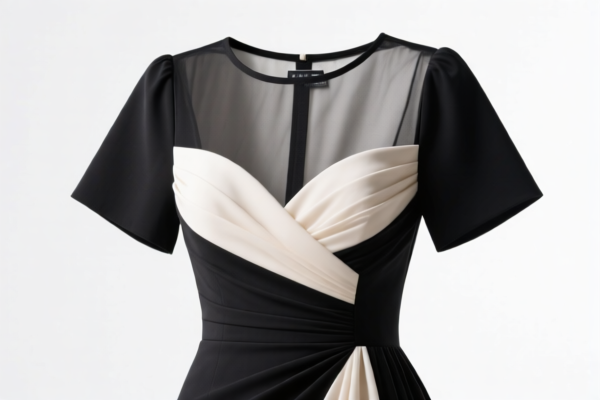
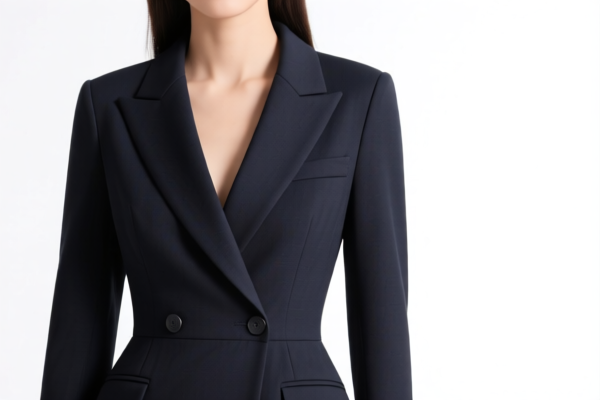
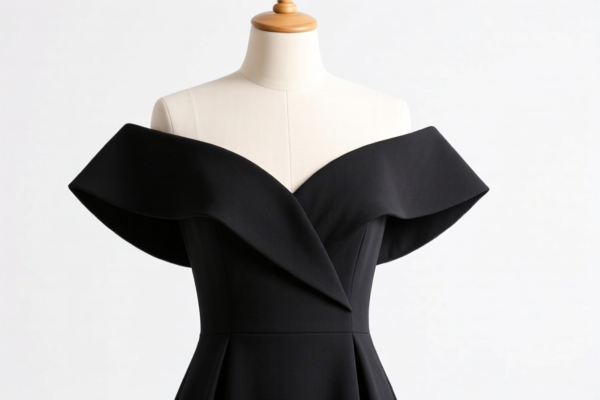
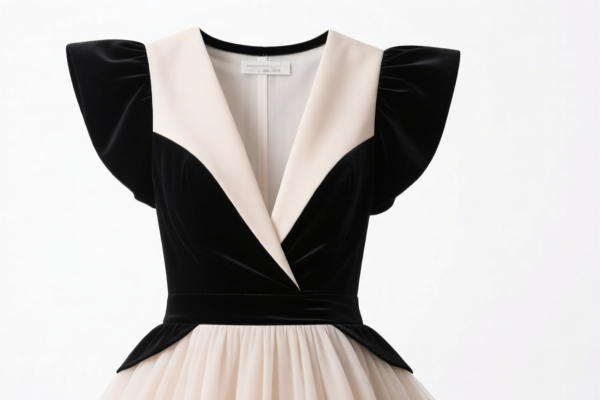
AI分析
👗 Women’s Dresses: Precision HS Code Classification & Duty Analysis (2026 Guide)
🌐 HS Code Reference & Customs Clearance Guide | 2026 Latest Tariff Rates | Professional Strategy for Apparel Importers
📌 1. Product Definition & Classification: Do You Know Which "Dress" You Are Importing?
Women’s dresses are a broad category in international trade. The critical distinction lies in the manufacturing process (Knitted/Crocheted vs. Woven) and the material composition (Wool/Fine Animal Hair vs. Cotton vs. Silk).
Knitted/Crocheted Dresses (Chapter 61):
- Made from fabric formed by interlocking loops of yarn (e.g., jersey, rib knit).
- Typically more stretchy, casual, or sporty.
- HS Code Prefix: 6104...
Woven Dresses (Chapter 62):
- Made from fabric formed by weaving two sets of yarns at right angles (e.g., cotton poplin, wool suiting, silk chiffon).
- Typically more structured, formal, or tailored.
- HS Code Prefix: 6204...
⚠️ Key Distinction Point:
- If the fabric is stretchy/knit → Look at 6104.
- If the fabric is structured/woven → Look at 6204.
- Silk Content: If woven dresses contain ≥30% silk, they have a specific sub-code.
📦 2. HS Code Classification Matrix (2026 Latest Tariff Rules)
Based on the provided data, here are the exact HS Codes and descriptions for women’s dresses:
| HS Code | Product Description | Material Type | Manufacturing Process | Key Attributes |
|---|---|---|---|---|
6104.41.00.10 |
Women’s/Girls’ Dresses | Wool or Fine Animal Hair | Knitted or Crocheted | Casual, knitwear dresses, sweaters dresses. |
6104.42.00.10 |
Women’s/Girls’ Dresses | Cotton | Knitted or Crocheted | T-shirt dresses, knit cotton summer dresses. |
6204.41.10.00 |
Women’s/Girls’ Dresses | Wool or Fine Animal Hair | Woven | Contains ≥30% Silk by weight. Formal, luxury blends. |
6204.41.20.10 |
Women’s/Girls’ Dresses | Wool or Fine Animal Hair | Woven | Other (Pure wool, low silk, or other fine animal hair). Tailored wool dresses. |
🔍 Critical Reminder:
- Do not confuse "Fine Animal Hair" with "Wool": Fine animal hair includes cashmere, mohair, alpaca, vicuña, etc. Standard sheep wool is "Wool." Both fall under6104.41and6204.41if fine/wool.
- Silk Threshold: For woven wool/silk blends, the 30% threshold is crucial. <30% silk? Use6204.41.20.10. ≥30% silk? Use6204.41.10.00.
- Knit vs. Woven: A cotton dress that is knit goes to6104.42, NOT6204.42(which doesn't exist in this data set for cotton woven dresses in the provided snippet).
💰 3. 2026 Tariff Rate Analysis (Detailed Tax Breakdown)
✅ Applicable Data Source: Provided
<DATA>XML
✅ Current Status: All listed items have 0% Total Tax
🎯 1. 6104.41.00.10 – Knitted Wool/Fine Animal Hair Dresses
| Item | Detail |
|---|---|
| Base Tariff | 0.0% |
| Additional Tariff | 0.0% |
| Total Tax Rate | 0.0% |
| Tax Detail | 基础关税: 0.0%, 加征关税: 0.0% |
📌 Explanation:
- Currently, there is no additional tariff applied to these specific knitted wool/fine animal hair dresses in the provided dataset.
- This is highly favorable for importers of knitwear from wool/cashmere.
🎯 2. 6104.42.00.10 – Knitted Cotton Dresses
| Item | Detail |
|---|---|
| Base Tariff | 0.0% |
| Additional Tariff | 0.0% |
| Total Tax Rate | 0.0% |
| Tax Detail | 基础关税: 0.0%, 加征关税: 0.0% |
📌 Explanation:
- Knitted cotton dresses are also exempt from tariffs in this dataset.
- Common for T-shirt dresses, summer knit dresses.
🎯 3. 6204.41.10.00 – Woven Wool/Fine Animal Hair Dresses (≥30% Silk)
| Item | Detail |
|---|---|
| Base Tariff | 0.0% |
| Additional Tariff | 0.0% |
| Total Tax Rate | 0.0% |
| Tax Detail | 基础关税: 0.0%, 加征关税: 0.0% |
📌 Explanation:
- Luxury blends of wool and high-silk content are also currently duty-free in this classification.
- Note: This is a woven product, yet it carries the same 0% rate in this specific dataset.
🎯 4. 6204.41.20.10 – Woven Wool/Fine Animal Hair Dresses (Other)
| Item | Detail |
|---|---|
| Base Tariff | 0.0% |
| Additional Tariff | 0.0% |
| Total Tax Rate | 0.0% |
| Tax Detail | 基础关税: 0.0%, 加征关税: 0.0% |
📌 Explanation:
- Pure wool or low-silk wool dresses are also duty-free.
- No penalty for being woven vs. knitted in this specific tariff schedule.
🛠️ 4. Customs Clearance Practical Advice
✅ 1. Essential Documentation Checklist
| Document | Required | Purpose |
|---|---|---|
| ✅ Fabric Content Label | ✔️ | Must clearly state: "100% Wool," "60% Cotton/40% Poly," etc. Crucial for distinguishing 6104.41 vs 6104.42. |
| ✅ Knit/Woven Certification | ✔️ | Supplier declaration: "Product is Knitted" or "Product is Woven." Visual inspection by customs may require a physical sample. |
| ✅ Silk Content Test Report | ✔️ | For 6204.41.10.00, a lab test proving ≥30% silk content is vital. If <30%, it must be reclassified to 6204.41.20.10. |
| ✅ Commercial Invoice | ✔️ | Must specify "Dresses, Women’s" and detail material breakdown. |
| ✅ Packing List | ✔️ | Quantity per style/color to ensure consistency with invoice. |
| ✅ Photos of Garment | ✔️ | Clear images showing texture (knit loops vs. woven structure) and care label. |
✅ 2. Classification Pitfalls & How to Avoid Them
| Common Mistake | Consequence | Correct Action |
|---|---|---|
| ❌ Misidentifying Knit vs. Woven | Wrong HS Code → Potential delay or reclassification | Use a stretch test: Knit fabric stretches in width/length; Woven fabric has little stretch. |
| ❌ Ignoring Silk Percentage | Classifying a 20% silk wool dress as 6204.41.10.00 (≥30% silk) |
Verify lab reports. If silk <30%, use 6204.41.20.10. |
| ❌ Vague Description ("Dress") | Customs may guess incorrectly, leading to audits | Specify: "Women’s Knitted Cotton Dress, Style XYZ, SKU 123." |
| ❌ Mixing Materials | Assuming "Wool Blend" means 6104.41 |
If blend includes cotton >50%, it might be 6104.42 (Cotton). Check composition. |
✅ 3. Special Considerations for Importers
| Scenario | Recommendation |
|---|---|
| OEM/Custom Designs | Provide detailed tech packs to customs brokers to prove construction method (knit vs. woven). |
| Mixed Shipments | If shipping knit cotton and woven wool together, separate declarations are recommended to avoid confusion. |
| Duty-Free Eligibility | Verify if your country of origin has FTA (Free Trade Agreement) benefits. Even with 0% base tariff, FTA can simplify paperwork (e.g., Certificate of Origin). |
| Silk Blends | For 6204.41.10.00, ensure the silk content is by weight, not by volume or thread count. |
🌍 5. Global Market Comparison (2026)
| Region | HS Code Prefix | Typical Duty Rate | Notes |
|---|---|---|---|
| 🇺🇸 USA | 6104 / 6204 |
Varies (Often 16-32%) | Note: The provided data shows 0%, but US may have additional Section 301 tariffs on textiles. Always verify US ITA rates. |
| 🇨🇳 China | 6104 / 6204 |
0-14% | Import duties vary by material. |
| 🇪🇺 EU | 6104 / 6204 |
12% (Wool) / 12% (Cotton) | Standard third-country duty. |
| 🇬🇧 UK | 6104 / 6204 |
12-16% | Post-Brexit tariffs apply. |
📌 Important Note:
The provided<DATA>shows 0% tax for all listed codes. This may reflect a specific bilateral agreement, a duty exemption program, or a snapshot of a particular trade environment. Always cross-check with the official customs authority of the destination country, as general most-favored-nation (MFN) rates may differ.
📌 6. Final Checklist for Smooth Clearance
- Confirm Fabric: Is it Knit (
6104) or Woven (6204)? - Confirm Material: Wool/Fine Animal Hair (
41) or Cotton (42)? - Confirm Silk Content (for Woven Wool): ≥30% (
6204.41.10.00) or <30% (6204.41.20.10)? - Verify Tax: Double-check if 0% applies to your specific origin/destination pair.
- Document: Ensure labels, invoices, and test reports match the declared HS Code.
🎯 Pro Tip:
"When in doubt, send a physical sample to your customs broker for classification. A $50 sample can save thousands in potential duties and delays."
✨ Stay Updated:
Tariff rates and HS Codes change frequently. For the most accurate 2026 classification, consult the official Harmonized Tariff Schedule (HTS) of your importing country.
📞 Need Help?
Contact a licensed customs broker with your fabric swatches, tech packs, and supplier invoices for a pre-classification review.
用户评价
关于 HS 编码归类
协调制度(HS)是由世界海关组织(WCO)制定的国际贸易商品分类标准。全球 200 多个国家采用 HS 系统作为海关关税、贸易统计和进出口监管的基础。
每个 HS 编码遵循以下层级结构:
- 章(2 位)——商品大类(例如:第 84 章:机器和机械设备)
- 品目(4 位)——章内的更具体分类
- 子目(6 位)——国际通用细分,所有 WCO 成员国统一使用
- 本国细分(8-10 位)——各国自行扩展的细分编码,如美国 HTSUS 10 位编码
正确的 HS 编码归类对于顺利通关、准确缴纳关税和遵守贸易法规至关重要。错误归类可能导致海关延误、多缴关税或罚款。
从CN进口到US时,适用的关税税率可能包括:
- 最惠国(MFN)税率——适用于 WTO 成员国的标准关税税率
- 普通税率——适用于无贸易协定国家
- 贸易救济关税——附加关税,如 301 条款(反倾销)、232 条款(国家安全)或反补贴税
本页内容仅供参考。如需正式归类,请咨询当地海关或持牌报关代理。