dustproof cover
CN → US| HS编码 | 关税税率 | 原产国 | 目的国 | 文档 |
|---|---|---|---|---|
| 4016996050 | 37.5% | CN | US | 官方文档 |
| 5603120070 | 35.0% | CN | US | 官方文档 |
| 4016990500 | 20.9% | CN | US | 官方文档 |
| 5603110070 | 35.0% | CN | US | 官方文档 |
| 3926909989 | 22.8% | CN | US | 官方文档 |
商品图片

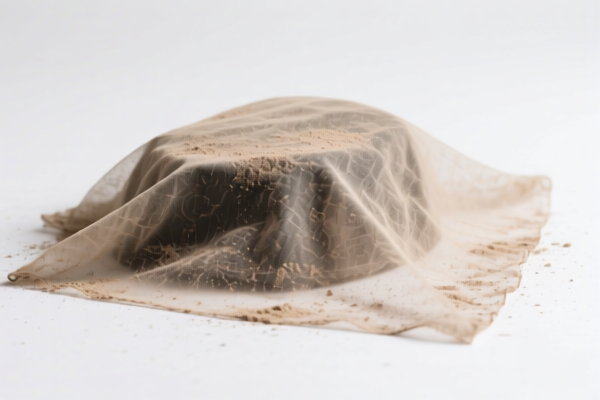
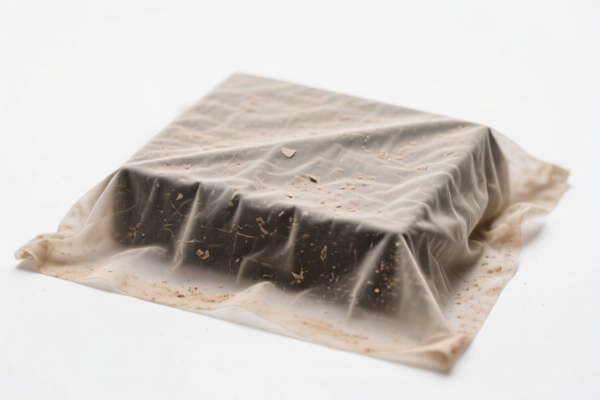
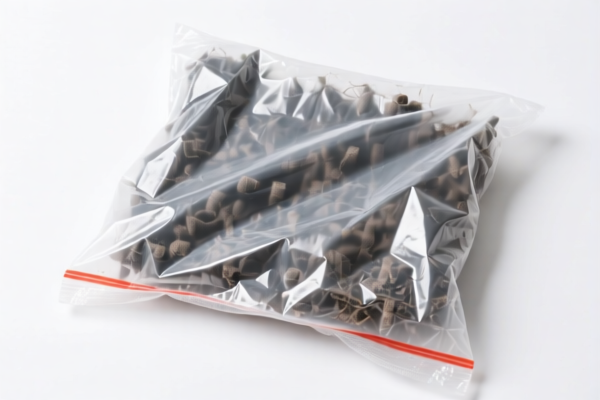
AI分析
🛡️ Dustproof Cover (防尘罩)
🌐 HS Code Classification & Customs Clearance Guide | 2026 Updated Tariff Analysis | Strategic Compliance Strategy
📌 I. Product Definition & Classification: Decoding the "Dustproof Cover"
A "Dustproof Cover" is a generic term for protective enclosures used to shield various items from dust, moisture, and debris. In international trade, HS Code classification is NOT determined by the name "Cover," but by the MATERIAL and the INTENDED USE.
⚠️ Critical Distinction:
- Rubber/Plastic Material: Classified under Chapter 40 (Rubber) or Chapter 39 (Plastics).
- Non-woven/Fabric Material: Classified under Chapter 56 (Non-wovens).
- Function: Whether it’s for household use, industrial machinery, or specific packaging.
Misclassification leads to severe penalties. Below are the 5 most likely HS Codes based on the provided data, categorized by material and logical inference.
📦 II. Detailed HS Code Breakdown (Based on Provided Data)
| HS Code | Material/Type | Summary of Inference | Total Tax Rate | Tax Breakdown Details |
|---|---|---|---|---|
| 4016.99.05.00 | Rubber/Plastic (Resilient) | Inferred as a household/other article made of rubber or plastic, categorized under "Other vulcanized rubber articles." | 20.9% | Base: 3.4% Section 301: 7.5% Section 122: 10% |
| 5603.11.00.70 | Non-woven Fabric (Light) | Inferred as a non-woven product application, specifically a spare part/component type matching this non-woven category. | 35.0% | Base: 0.0% Section 301: 25.0% Section 122: 10% |
| 4016.99.60.50 | Rubber/Plastic (General) | Inferred as a protective article made of rubber or plastic, falling into the residual "Other" category for these materials. | 37.5% | Base: 2.5% Section 301: 25.0% Section 122: 10% |
| 5603.12.00.70 | Non-woven Fabric (Medium) | Inferred as non-woven textile material used as a protective covering, matching the characteristics of non-woven articles. | 35.0% | Base: 0.0% Section 301: 25.0% Section 122: 10% |
| 3926.90.99.89 | Plastic (Rigid/Hard) | Inferred as a "Dustproof Box/Case" made of plastic, classified as a container or shell, falling under "Other plastic articles." | 22.8% | Base: 5.3% Section 301: 7.5% Section 122: 10% |
🔍 Key Insight:
- Section 301 Tariffs (7.5% - 25%) and Section 122 Tariffs (10%) are the dominant cost drivers, totaling 17.5% to 35% in additional duties on top of the base rate.
- Material is King: A rubber cover (20.9%) is significantly cheaper than a non-woven cover (35.0%) due to lower Section 301 rates.
💰 III. Tariff Rate Detailed Analysis (US Market Focus)
✅ Applicable Market: United States (US)
✅ Origin: China (CN)
✅ Effective Time: Current 2026 Tariff Structure (Post-Section 122 & 301 Updates)
🎯 1. Rubber/Plastic Resilient Covers (4016.99.05.00)
Best for: Flexible, shock-absorbing covers (e.g., for tools, electronics).
| Item | Details |
|---|---|
| Base Rate | 3.4% |
| Section 301 Tariff | +7.5% |
| Section 122 Tariff | +10.0% |
| Total Effective Rate | 20.9% |
| Legal Basis | USITC Footnotes for Chapter 40 + IEEPA/301 Directives |
📌 Why this rate?
Rubber articles often enjoy lower political tariffs (Section 301 at 7.5%) compared to textiles or rigid plastics, making them a cost-effective choice if the material allows.
🎯 2. Non-woven Fabric Covers (5603.11.00.70 / 5603.12.00.70)
Best for: Lightweight, disposable, or breathable covers (e.g., furniture dust sheets, garment bags).
| Item | Details |
|---|---|
| Base Rate | 0.0% |
| Section 301 Tariff | +25.0% (Highest bracket) |
| Section 122 Tariff | +10.0% |
| Total Effective Rate | 35.0% |
| Legal Basis | USITC Footnotes for Chapter 56 + IEEPA/301 Directives |
⚠️ Warning:
Although the base duty is 0%, the 35% total tariff is nearly double that of rubber covers. This makes non-woven covers expensive to import into the US. Consider if the product can be made of rubber or plastic to save 14.1%.
🎯 3. Plastic Rigid Cases (3926.90.99.89)
Best for: Hard "Dustproof Boxes" or shell-like enclosures.
| Item | Details |
|---|---|
| Base Rate | 5.3% |
| Section 301 Tariff | +7.5% |
| Section 122 Tariff | +10.0% |
| Total Effective Rate | 22.8% |
| Legal Basis | USITC Footnotes for Chapter 39 + IEEPA/301 Directives |
📌 Comparison:
Hard plastic cases (22.8%) are cheaper than non-woven covers (35.0%) but slightly more expensive than flexible rubber covers (20.9%).
🛠️ IV. Customs Clearance Practical Advice
✅ 1. Documentation Checklist (Must-Have)
| Document | Requirement | Reason |
|---|---|---|
| Product Specification | Must state Material Composition (e.g., "95% Vulcanized Rubber, 5% Fabric Lining") | Customs cannot classify by "Cover" alone; they need material % |
| Product Photos | Show texture (flexible rubber vs. rigid plastic vs. fabric weave) | Visual proof of material type |
| Usage Declaration | Clear description of use (e.g., "Protective cover for household power tools") | Helps distinguish from industrial machinery parts (which may have different codes) |
| Commercial Invoice | Item description must match HS Code logic (e.g., "Rubber Dust Cover" not just "Cover") | Avoids misdeclaration flags |
✅ 2. Classification Strategy (The "Save Money" Logic)
| Scenario | Recommended HS Code | Total Tax | Strategy |
|---|---|---|---|
| Flexible, Rubber-like | 4016.99.05.00 |
20.9% | ✅ Lowest Tax. Use if material is resilient rubber. |
| Hard, Plastic Box | 3926.90.99.89 |
22.8% | ✅ Moderate Tax. Use for rigid containers. |
| Non-woven/Fabric | 5603.11.00.70 |
35.0% | ❌ High Tax. Avoid if possible; expensive due to 301/122 tariffs. |
🔥 Pro Tip:
If your product is a non-woven dust cover, try to modify the design or material to use Rubber or Plastic if functionality allows. The 14.1% tax savings (35% - 20.9%) can significantly boost profit margins.
✅ 3. Common Pitfalls to Avoid
❌ Error 1: Generic Description "Dust Cover"
👉 Result: Customs will assign a default HS code with higher tariffs or request detailed breakdowns, causing delays.
👉 Fix: Always specify material (e.g., "Vulcanized Rubber Dust Cover").
❌ Error 2: Confusing "Cover" with "Machine Part"
👉 Result: If classified as a machine part, it might fall under Chapter 84/85 with different rates.
👉 Fix: If the cover is not integral to the machine's function (i.e., it's removable and protective), keep it in Chapter 40/39/56.
❌ Error 3: Ignoring Section 122 (10%)
👉 Result: Forgetting that all these categories incur an additional 10% tariff.
👉 Fix: Factor in the 20.9% - 37.5% range in your pricing model, not just the base duty.
🌍 V. Global Market Comparison (2026)
| Market | Recommended HS Code | Estimated Total Tariff | Notes |
|---|---|---|---|
| 🇺🇸 USA | 4016.99.05.00 (Rubber) |
20.9% | Highest cost due to 301 + 122 tariffs. |
| 🇺🇸 USA | 5603.11.00.70 (Non-woven) |
35.0% | Avoid for cost-sensitive projects. |
| 🇪🇺 EU | Various | ~0-6% | Generally lower duties; no Section 122 equivalent. |
| 🇨🇳 China | Various | ~2-10% | Lower base duties; no major punitive tariffs. |
📌 Conclusion for US Importers:
The Section 122 (10%) and Section 301 (7.5%-25%) tariffs are the main barriers.
- Best Option: Rubber/Plastic Resilient Articles (4016.99.05.00) at 20.9%.
- Worst Option: Non-woven Articles (5603.11.00.70) at 35.0%.
📌 VI. Final Recommendation
🎯 Step-by-Step Action Plan:
- Identify Material: Is your cover Rubber, Plastic, or Non-woven Fabric?
- Select HS Code:
- Rubber/Plastic (Resilient) →
4016.99.05.00(20.9%) - Plastic (Rigid) →
3926.90.99.89(22.8%) - Non-woven →
5603.11.00.70or5603.12.00.70(35.0%) - Prepare Documentation: Clearly state material composition in the invoice.
- Calculate Landed Cost: Include Total Tax (Base + 301 + 122).
💡 Final Tip:
If you are exporting to the US, prioritize Rubber or Plastic materials over Non-woven fabrics to save 14-17% in tariffs. If the product is rigid, consider3926.90.99.89as a balanced option.
✨ Professional Clearance Starts with Accurate Classification!
💼 Your Margins Depend on This Choice!
用户评价
关于 HS 编码归类
协调制度(HS)是由世界海关组织(WCO)制定的国际贸易商品分类标准。全球 200 多个国家采用 HS 系统作为海关关税、贸易统计和进出口监管的基础。
每个 HS 编码遵循以下层级结构:
- 章(2 位)——商品大类(例如:第 84 章:机器和机械设备)
- 品目(4 位)——章内的更具体分类
- 子目(6 位)——国际通用细分,所有 WCO 成员国统一使用
- 本国细分(8-10 位)——各国自行扩展的细分编码,如美国 HTSUS 10 位编码
正确的 HS 编码归类对于顺利通关、准确缴纳关税和遵守贸易法规至关重要。错误归类可能导致海关延误、多缴关税或罚款。
从CN进口到US时,适用的关税税率可能包括:
- 最惠国(MFN)税率——适用于 WTO 成员国的标准关税税率
- 普通税率——适用于无贸易协定国家
- 贸易救济关税——附加关税,如 301 条款(反倾销)、232 条款(国家安全)或反补贴税
本页内容仅供参考。如需正式归类,请咨询当地海关或持牌报关代理。