eco friendly willow mats
CN → US| HS编码 | 关税税率 | 原产国 | 目的国 | 文档 |
|---|---|---|---|---|
| 4602193500 | 35.0% | CN | US | 官方文档 |
| 4602194500 | 41.6% | CN | US | 官方文档 |
| 1404909090 | 35.0% | CN | US | 官方文档 |
| 1404904000 | 37.3% | CN | US | 官方文档 |
| 4601294000 | 38.3% | CN | US | 官方文档 |
| 4601942000 | 41.6% | CN | US | 官方文档 |
商品图片
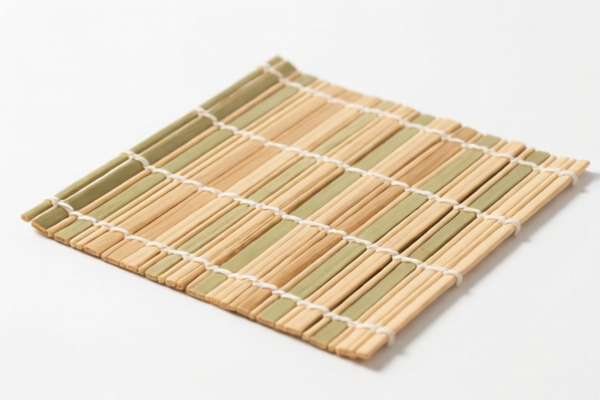
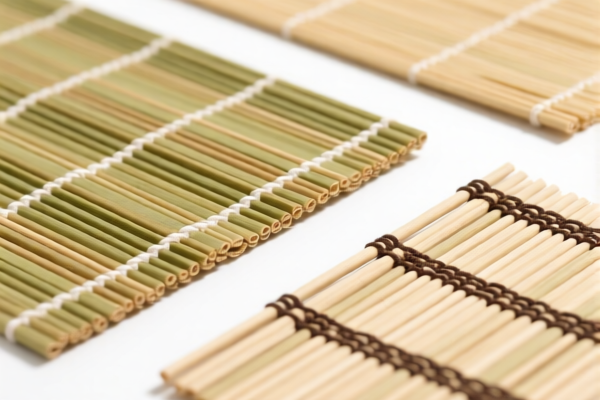
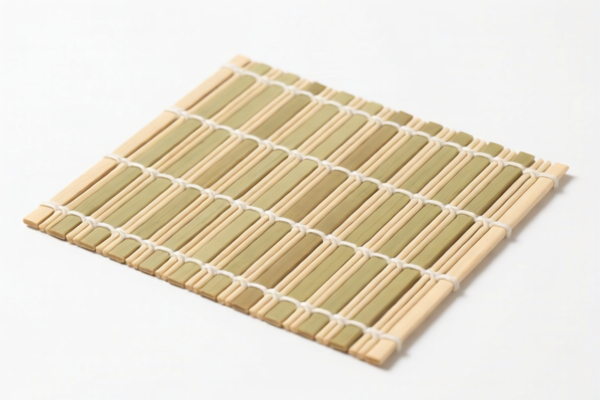
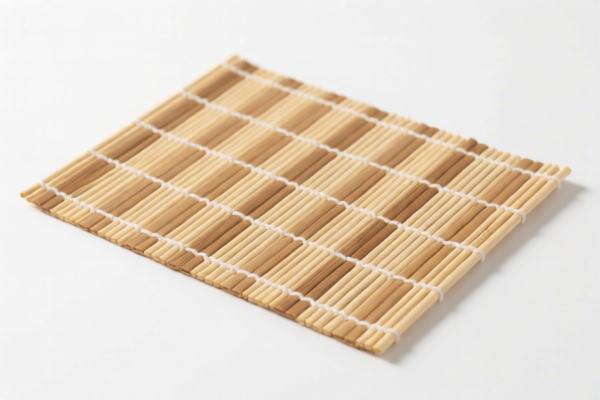
AI分析
🌿 Eco-Friendly Willow Mats | Biodegradable Woven Home & Garden Essentials
🌐 HS Code Reference & Customs Clearance Guide | 2026 Latest Tariff Analysis | Professional Entry Strategy for US Imports
📌 I. Product Definition & Classification: Do You Truly Understand "Willow Mats"?
Eco-Friendly Willow Mats are decorative, functional, or agricultural products made from natural willow branches (Salix species). In international trade, their classification hinges on two critical factors: 1. State of Processing: Are they raw bundles, woven into mats, or partially assembled? 2. Chapter Allocation: Do they fall under Chapter 14 (Vegetable Plaiting Materials) or Chapter 46 (Articles of Plaiting Materials)?
⚠️ Key Distinction Point:
- If the willow is raw, unbraided, or merely split/cut → Likely Chapter 14 (Raw/Partially Processed Plant Material).
- If the willow is woven, braided, or formed into a mat/structure → Likely Chapter 46 (Finished Plaiting Articles).
- Misclassification Risk: Declaring a finished mat as "raw willow" to lower duties is a common red flag for customs audits!
📦 II. HS Code Classification Matrix (2026 Latest Tariff Alignment)
Based on the provided data for "Willow Mat Raw Materials", here is the precise mapping. Note that while the input describes "raw materials," the summary mentions "mats," indicating a spectrum from raw plant matter to woven goods.
| HS Code | Product Description (Per DATA Summary) | Key Attributes | Classification Logic |
|---|---|---|---|
| 4602.19.35.00 | Willow mat raw material; willow material; raw form; fits willow/wooden woven article category. | Raw form but classified under woven articles. | High tax burden; assumes finished/woven status despite "raw" label. |
| 4602.19.45.00 | Willow mat raw material; fits primary form attribute of woven materials. | Primary woven material form. | Higher base duty; emphasizes "woven material" attribute. |
| 1404.90.90.90 | Willow mat raw material; plant material; other plant products; non-specific use. | Raw, non-specific plant matter. | Low base duty (0%); treated as generic plant material. |
| 1404.90.40.00 | Willow mat raw material; plant material; other plant products; no conflict. | Specific plant material category. | Moderate base duty (2.3%); recognized plant material. |
| 4601.29.40.00 | Willow mat raw material; primary form of woven/partially assembled plant material. | Partially assembled/woven. | Mid-range base duty (3.3%); acknowledges weaving process. |
| 4601.94.20.00 | Willow mat raw material; mat form; fits woven material morphological attribute. | Formed as a "mat." | High base duty (6.6%); clearly defined as a mat product. |
🔍 Critical Insight:
- Chapter 14 (1404.x) covers vegetable plaiting materials (raw or merely prepared).
- Chapter 46 (4601/4602) covers articles of plaiting materials (woven, braided, or assembled).
- Why multiple codes? Customs may interpret "raw material for willow mats" differently based on whether the seller claims it's just willow sticks (Ch 14) or pre-bundled for weaving (Ch 46).
💰 III. 2026 Latest Tariff Rate Breakdown (Including Surcharges & Policy Add-ons)
✅ Applicable Country: United States (US)
✅ Origin: China (CN) (Assumed based on typical "Section 301/122" tariff structures in data)
✅ Effective Time: Post-2025 Policies (Current Enforcement)
🎯 1. 4602.19.35.00 & 1404.90.90.90 —— Low Base Duty Variants
| Item | Content |
|---|---|
| Base Duty | 0.0% (Ad Valorem) |
| Section 301 Surcharge | +25.0% (USITC Footnote for China-origin goods) |
| Section 122/IEEPA Surcharge | +10.0% (Targeted tariffs on specific Chinese imports) |
| Total Duty Rate | 35.0% |
| Tax Calculation | CIF Value × 35% |
| De Minimis Eligibility | ❌ Not Applicable (Commercial entry, not small packages) |
| Legal Path | USITC:4602.19.35.00 → Sec301:Footnote → Sec122/IEEPA:9903.01 |
📌 Explanation:
- Even with 0% base duty, the 35% total burden is significant.
- Code1404.90.90.90often appeals to importers because it treats willow as a generic "other plant product," but customs scrutiny is high for woven items misclassified as raw materials.
🎯 2. 1404.90.40.00 —— Moderate Base Duty Variant
| Item | Content |
|---|---|
| Base Duty | 2.3% |
| Section 301 Surcharge | +25.0% |
| Section 122/IEEPA Surcharge | +10.0% |
| Total Duty Rate | 37.3% |
| Tax Calculation | CIF Value × 37.3% |
| De Minimis Eligibility | ❌ Not Applicable |
| Legal Path | USITC:1404.90.40.00 → Sec301:Footnote → Sec122/IEEPA |
📌 Note:
- Slightly higher than the 0% base codes due to specific plant material classification.
- Often used for willow branches that are split but not yet woven.
🎯 3. 4601.29.40.00 —— Partially Assembled/Woven Variant
| Item | Content |
|---|---|
| Base Duty | 3.3% |
| Section 301 Surcharge | +25.0% |
| Section 122/IEEPA Surcharge | +10.0% |
| Total Duty Rate | 38.3% |
| Tax Calculation | CIF Value × 38.3% |
| De Minimis Eligibility | ❌ Not Applicable |
| Legal Path | USITC:4601.29.40.00 → Sec301:Footnote → Sec122/IEEPA |
📌 Note:
- Applies if the willow is pre-woven into mats or bundles ready for final assembly.
- Chapter 46 implies a higher level of manufacturing than Chapter 14.
🎯 4. 4602.19.35.00 & 4601.94.20.00 & 4602.19.45.00 —— High Base Duty Variants
| Item | Content |
|---|---|
| Base Duty | 6.6% (for 4601.94.20.00 & 4602.19.45.00) / 0.0% (for 4602.19.35.00*) |
| Section 301 Surcharge | +25.0% |
| Section 122/IEEPA Surcharge | +10.0% |
| Total Duty Rate | 41.6% (for 6.6% base codes) / 35.0% (for 0% base code 4602.19.35.00) |
| Tax Calculation | CIF Value × 41.6% |
| De Minimis Eligibility | ❌ Not Applicable |
| Legal Path | USITC:4602.19.45.00 → Sec301:Footnote → Sec122/IEEPA |
📌 Important:
- 4602.19.35.00 is an anomaly with 0% base but still 35% total.
- 4601.94.20.00 and 4602.19.45.00 carry the highest total tax (41.6%) because they are classified as finished or semi-finished woven articles with higher base duties.
- Risk: Misclassifying raw willow as "mats" (Ch 46) when it's actually raw plant matter (Ch 14) can lead to underpayment penalties if customs reclassifies it later.
🛠️ IV. Customs Clearance Practical Advice (Battle-Tested Pitfall Avoidance)
✅ 1. Document Checklist (Non-Negotiable)
| Document | Required? | Purpose |
|---|---|---|
| ✅ Product Specification Sheet | ✔️ | Must clearly state: "Willow Species," "Processing Level" (Raw/Split/Woven), "End Use." |
| ✅ Photos of Product | ✔️ | Show texture, weave pattern, and any labels. Crucial for distinguishing Ch 14 vs. Ch 46. |
| ✅ Commercial Invoice | ✔️ | Description must match HS Code logic (e.g., "Raw Willow Sticks" vs. "Woven Willow Mats"). |
| ✅ Packing List | ✔️ | Weight breakdown (net/gross) to justify CIF value. |
| ✅ Certificate of Origin (CO) | ✔️ | Proves China origin → triggers Section 301/122 tariffs. |
| ✅ Fumigation Certificate | ✔️ | MANDATORY for plant materials (ISPM 15) to prevent pest entry. |
✅ 2. Declaration Strategy (Key Mantra)
🔥 “Be Honest About Processing: Raw is Ch 14, Woven is Ch 46. Honesty Saves Time, Deception Costs Time!”
| Scenario | Correct Declaration | Wrong Declaration | Consequence |
|---|---|---|---|
| Bundles of raw willow sticks | 1404.90.90.90 (Raw Plant Material) |
4602.19.35.00 (Woven Article) |
Overpaying 0% vs 0% base? No, but risk of reclassification if looks woven. |
| Pre-cut, split willow rods | 1404.90.40.00 (Prepared Plant Material) |
4601.29.40.00 (Woven) |
Avoid: If not woven, claiming Ch 46 may trigger audits for "finished goods." |
| Finished Woven Mats | 4601.94.20.00 or 4602.19.45.00 |
1404.90.90.90 (Raw) |
DANGER: Customs will reclassify → Back taxes + Penalties at 41.6% + 301. |
| Partially assembled mats | 4601.29.40.00 |
1404.90.40.00 |
Risk: If weave is visible, Ch 14 is too low. |
✅ 3. Special Considerations
| Situation | Handling Advice |
|---|---|
| OEM Custom Weave Patterns | Provide design files. Customs may view unique patterns as "finished goods" (Ch 46). |
| Willow with Leaves/Branches Attached | Fumigation is critical. Unprocessed plant parts may be rejected for pest risk. |
| "Eco-Friendly" Marketing Claims | Ensure documentation supports biodegradability. Some markets require specific "Sustainable" certifications for green claims. |
| Mixed Shipments (Raw + Woven) | Do NOT mix in one line item. Separate HS Codes on invoice to avoid ambiguity. |
🌍 V. Global Market Clearance Comparison (2026)
| Country/Region | Recommended HS Code (Willow Mat) | Base Duty | Add-ons (China) | Total Effective Rate | Notes |
|---|---|---|---|---|---|
| 🇺🇸 USA | 1404.90.90.90 (Raw) / 4602.19.45.00 (Woven) |
0% - 6.6% | 301: 25% + 122: 10% | 35.0% - 41.6% | Highest barrier. Fumigation strict. |
| 🇨🇳 China (Export) | 1404.90.90.90 |
0% - 13% (Export Tax) | None | Varies | Export tax may apply depending on policy. |
| 🇪🇺 EU | 1404.90.90 |
6.5% | None | 6.5% | No Section 301. Easier clearance. |
| 🇬🇧 UK | 1404.90.90 |
6.5% | None | 6.5% | Post-Brexit tariff alignment with EU. |
📌 Conclusion:
- The US market is the most expensive for willow products due to 35-41.6% total tariffs.
- Raw material classification (Ch 14) offers the lowest base duty (0-2.3%), but only if the product is not visibly woven.
- EU/UK remain attractive alternatives for "eco-friendly" willow goods with significantly lower tax burdens.
📌 VI. Common Mistakes & Pitfall Guide (Blood & Tears Lessons)
❌ Mistake 1: Declaring woven mats as "raw willow" to save 25% tariff.
👉 Consequence: Customs inspection reveals weave pattern → Reclassification to Ch 46 → Back taxes + 10% penalty.
❌ Mistake 2: Ignoring Fumigation Certificates.
👉 Consequence: Shipment held at US port → Storage fees + Destruction Risk for plant materials.
❌ Mistake 3: Using generic description "Willow Product" on Invoice.
👉 Consequence: Customs officer assigns arbitrary code → Likely the highest rate (41.6%) due to caution.
❌ Mistake 4: Mixing Raw Willow and Finished Mats in one HS Code.
👉 Consequence: Audit risk. Customs may apply the highest rate to the entire shipment.
✅ Correct Action:
"Willow Mats, Woven, 12x18 inches, Natural Color, Fumigated, HS Code 4601.94.20.00"
🎯 VII. Conclusion: Precision Classification for Maximum Profit
🎯 Remember the Mantra:
🔹 "Raw is 14, Woven is 46. Base duty low, total tax high. Fumigate always, documents clear."
🔹 "35% to 41.6% is the US reality. Plan your pricing accordingly!"
📌 Pro Tip:
- If possible, source willow mats from non-China origins (e.g., Vietnam, Indonesia) to avoid Section 301/122 tariffs entirely.
- For US imports, consider Applying for an Exclusion if available for specific willow products, though rare for plant materials.
- Always request a Pre-Ruling (USCBP) if shipment value is high, to lock in the HS Code and avoid post-clearance audits.
📣 Immediate Action:
📞 Consult with a licensed customs broker.
📦 Ensure Fumigation and Detailed Photos are ready.
🚀 Optimize your supply chain to minimize duty burden!
✨ Professional Customs Clearance Starts with Accurate Classification!
💼 Your Profit Margin Depends on the Details!
用户评价
关于 HS 编码归类
协调制度(HS)是由世界海关组织(WCO)制定的国际贸易商品分类标准。全球 200 多个国家采用 HS 系统作为海关关税、贸易统计和进出口监管的基础。
每个 HS 编码遵循以下层级结构:
- 章(2 位)——商品大类(例如:第 84 章:机器和机械设备)
- 品目(4 位)——章内的更具体分类
- 子目(6 位)——国际通用细分,所有 WCO 成员国统一使用
- 本国细分(8-10 位)——各国自行扩展的细分编码,如美国 HTSUS 10 位编码
正确的 HS 编码归类对于顺利通关、准确缴纳关税和遵守贸易法规至关重要。错误归类可能导致海关延误、多缴关税或罚款。
从CN进口到US时,适用的关税税率可能包括:
- 最惠国(MFN)税率——适用于 WTO 成员国的标准关税税率
- 普通税率——适用于无贸易协定国家
- 贸易救济关税——附加关税,如 301 条款(反倾销)、232 条款(国家安全)或反补贴税
本页内容仅供参考。如需正式归类,请咨询当地海关或持牌报关代理。