electric lock
CN → US| HS编码 | 关税税率 | 原产国 | 目的国 | 文档 |
|---|---|---|---|---|
| 8301406030 | 23.2% | CN | US | 官方文档 |
| 8301106080 | 23.6% | CN | US | 官方文档 |
| 7326190080 | 87.9% | CN | US | 官方文档 |
| 7326908688 | 87.9% | CN | US | 官方文档 |
| 8301106080 | 23.6% | CN | US | 官方文档 |
商品图片
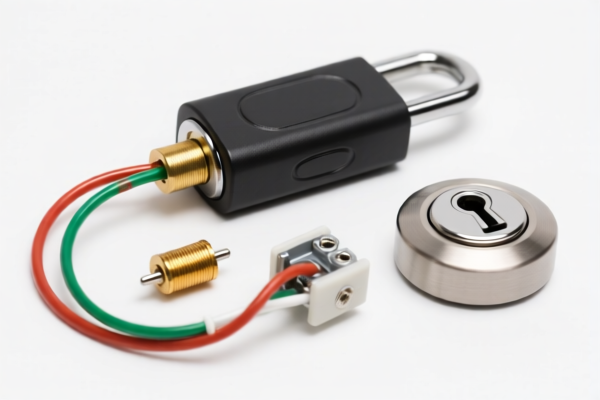
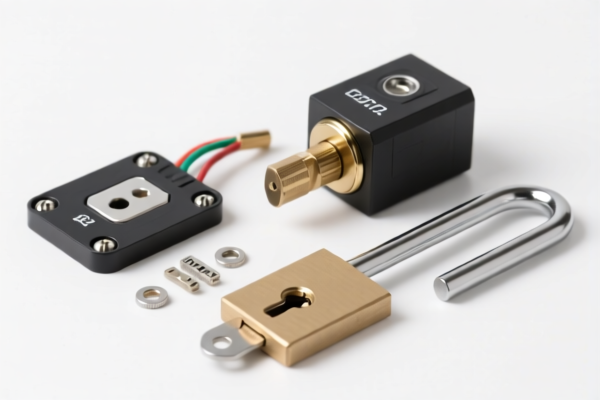
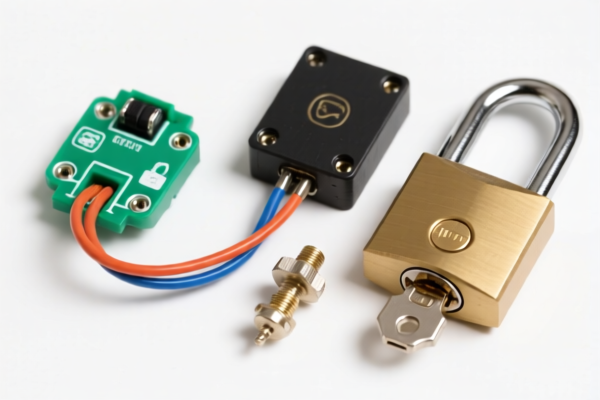
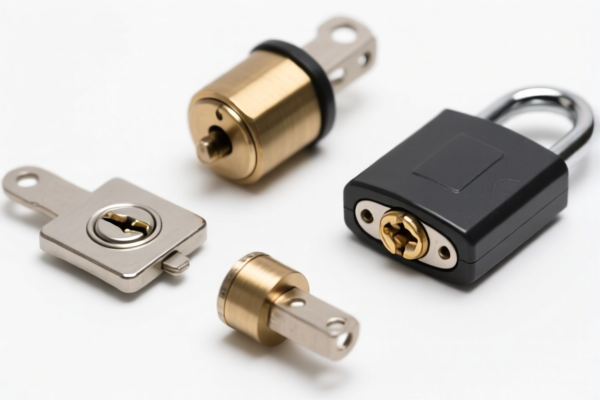
AI分析
🔐 Electric Locks (Electronic Locks & Security Latches)
🌐 HS Code Reference & Customs Clearance Guide | 2024/2025 Latest Tariff Analysis | Professional Clearance Strategy
📌 I. Product Definition & Classification: Do You Really Understand "Electric Locks"?
Electric locks are automated locking mechanisms used in security systems, access control, and smart home/office solutions. In international trade, classification depends heavily on material composition, functionality (whether it is a standalone lock or part of a system), and operating mechanism (electric vs. mechanical).
Based on the provided data, these products fall into two main categories: 1. Integrated Electronic Locks (HS 8301): Finished goods specifically designed as electric/solenoid locks. 2. Metal Lock Components/General Hardware (HS 7326): Locks that may lack specific electronic integration classification or are classified as general steel/iron articles if not strictly defined as "locks" in Chapter 83, or if classified under "other articles of iron/steel."
⚠️ Key Distinction Point:
- If the product is a complete electric locking assembly (with solenoid/actuator + housing), it typically falls under HS 8301.
- If the product is a metal lock body without clear electronic classification, or classified as "other steel articles," it may fall under HS 7326.
- Warning: Misclassification can lead to drastically different tariff rates (e.g., 23.2% vs. 87.9%).
📦 II. HS Code Classification Details (Latest Tariff Schedule)
| HS Code | Product Description | Application Scenario | Material/Function |
|---|---|---|---|
8301.40.60.30 |
Electric Locks, specifically classified under electric locks | Solenoid locks, magnetic locks for doors/gates | Base: Base Metal |
8301.10.60.80 |
Electric or Security Locks (Hanging/Padlock type inferred from metal material) | Padlocks with electronic elements, security latches | Base: Base Metal |
7326.19.00.80 |
Other articles of iron or steel (Security Locks inferred as steel products) | Steel-based locks not clearly classified under 8301, or industrial lock components | Base: Steel/Iron |
7326.90.86.88 |
Other articles of iron or steel (General category) | General metal lock bodies, industrial hardware | Base: Iron/Steel |
🔍 Important Note:
- HS 8301 is the primary category for "Locks of base metal." If the lock is electrically operated, it belongs here.
- HS 7326 applies if the product is deemed a "general article of iron/steel" rather than a specific lock, or if customs authorities classify it under general metal goods due to ambiguity. This often happens with heavy-duty industrial latches or components.
- The total tax rate difference between these categories is significant (23.2% vs. 87.9%), making accurate classification critical.
💰 III. 2024/2025 Latest Tariff Rate Breakdown (Including Surcharges & Policy Additions)
✅ Applicable Country: United States (US)
✅ Origin: China (CN)
✅ Effective Date: 2024-2025 (Subject to current trade policies)
🎯 1. 8301.40.60.30 — Electric Locks (Base Metal)
| Item | Content |
|---|---|
| Base Tariff | 5.7% (Ad valorem) |
| Section 301 Surcharge | +7.5% (Additional duty under US Trade Law Section 301) |
| Section 122 Tariff | +10% (Specific tariff for certain base metal articles) |
| Total Tax Rate | 23.2% |
| Tax Calculation | CIF Value × 23.2% |
| De Minimis Exemption | ❌ Not Applicable (Deny De Minimis) |
| Legal Basis Path | USITC:8301.40.60.30 → Section 301:7.5% → Section 122:10% |
📌 Explanation:
- This is the most favorable classification for electric locks.
- The total duty of 23.2% includes the base tariff, the Section 301 additional duty, and the Section 122 tariff.
- No 50% steel/aluminum surcharge applies here because it is classified under Chapter 83 (General Items of Base Metal), not Chapter 73 (Articles of Iron or Steel).
🎯 2. 8301.10.60.80 — Security Locks / Electric Padlocks
| Item | Content |
|---|---|
| Base Tariff | 6.1% (Ad valorem) |
| Section 301 Surcharge | +7.5% (Additional duty under US Trade Law Section 301) |
| Section 122 Tariff | +10% (Specific tariff for certain base metal articles) |
| Total Tax Rate | 23.6% |
| Tax Calculation | CIF Value × 23.6% |
| De Minimis Exemption | ❌ Not Applicable |
| Legal Basis Path | USITC:8301.10.60.80 → Section 301:7.5% → Section 122:10% |
📌 Note:
- Slightly higher base tariff (6.1%) compared to8301.40.60.30(5.7%), but the surcharges are the same.
- Suitable for padlocks or hanging locks with electric components.
- Total 23.6% is still significantly lower than the 7326 classification.
🎯 3. 7326.19.00.80 — Other Articles of Iron or Steel (Security Locks)
| Item | Content |
|---|---|
| Base Tariff | 2.9% (Ad valorem) |
| Section 301 Surcharge | +25.0% (Higher additional duty for steel articles) |
| Section 122 Tariff | +10% (Specific tariff) |
| Steel/Aluminum/Copper Surcharge | +50% (Special surcharge for steel products under specific trade measures) |
| Total Tax Rate | 87.9% |
| Tax Calculation | CIF Value × 87.9% |
| De Minimis Exemption | ❌ Not Applicable |
| Legal Basis Path | USITC:7326.19.00.80 → Section 301:25% → Section 122:10% → Steel Surcharge:50% |
📌 Critical Warning:
- This classification incurs a massive 87.9% total tariff.
- The 50% steel surcharge is applied because the product is classified under Chapter 73 (Iron or Steel Articles).
- This rate is prohibitive for most commercial shipments.
- Risk: If customs reclassifies your electric lock from 8301 to 7326, you will owe an additional ~65% in duties.
🎯 4. 7326.90.86.88 — Other Articles of Iron or Steel (General Category)
| Item | Content |
|---|---|
| Base Tariff | 2.9% (Ad valorem) |
| Section 301 Surcharge | +25.0% (Higher additional duty for steel articles) |
| Section 122 Tariff | +10% (Specific tariff) |
| Steel/Aluminum/Copper Surcharge | +50% (Special surcharge for steel products) |
| Total Tax Rate | 87.9% |
| Tax Calculation | CIF Value × 87.9% |
| De Minimis Exemption | ❌ Not Applicable |
| Legal Basis Path | USITC:7326.90.86.88 → Section 301:25% → Section 122:10% → Steel Surcharge:50% |
📌 Note:
- Same as above, this is a high-risk classification.
- Applies if the product is seen as a general steel item rather than a specific lock.
🛠️ IV. Customs Clearance Practical Advice (Avoid Pitfalls Guide)
✅ 1. Documentation Checklist (All Required)
| Document | Mandatory? | Description |
|---|---|---|
| ✅ Product Spec Sheet | ✔️ | Must clearly state: "Electric Lock," voltage, current, material (e.g., "Zinc Alloy with Electronic Component"). |
| ✅ Product Photos | ✔️ | Show the electronic components (solenoid, circuit board) to prove it is an electric lock, not just a steel item. |
| ✅ Commercial Invoice | ✔️ | Describe as "Electric Lock" or "Electronic Security Lock", NOT "Steel Hardware" or "Metal Part." |
| ✅ Packaging List | ✔️ | Indicate quantity, weight, and model numbers. |
| ✅ Function Description | ✔️ | Explain how the lock operates (e.g., "Solenoid-activated, 12V DC"). |
📌 Key Tip:
- Always emphasize the "Electric" or "Electronic" nature of the product.
- Avoid vague terms like "Metal Lock" or "Steel Latch" in the invoice description.
✅ 2. Classification Strategy (Golden Rules)
| Scenario | Recommended HS Code | Reason |
|---|---|---|
| Complete Electric Lock (with solenoid, housing, keys/cards) | 8301.40.60.30 or 8301.10.60.80 |
Classified as "Locks of Base Metal" with electric function. Lower tariff (23-24%). |
| Padlock with Electronic Key/Keypad | 8301.10.60.80 |
Specifically fits "Security Lock" under Chapter 83. |
| Lock Component (e.g., just the steel bolt without electronics) | 7326.19.00.80 |
Risky! Classified as "Other Steel Article." High tariff (87.9%). |
| Industrial Latch without Clear Electric Function | 7326.90.86.88 |
Risky! Classified as "Other Steel Article." High tariff (87.9%). |
🔥 Golden Rule:
"If it has electricity, it’s 8301. If it’s just steel, it’s 7326."
Misclassifying an electric lock as a steel article results in a ~65% tax increase.
✅ 3. Special Cases Handling
| Case | Handling Advice |
|---|---|
| OEM Electric Locks | Provide the OEM manual showing electronic integration. Use the term "Electric Lock" in the invoice. |
| Locks with Multiple Materials | If the main material is base metal and it functions as a lock, stick with 8301. Do not let customs classify it under Chapter 73 due to minor steel parts. |
| Smart Locks (Wi-Fi/BLE) | Still classified under 8301 as they are primarily locking devices. Provide proof of electronic control. |
| Large Industrial Gate Locks | If it’s a heavy-duty steel gate latch, customs may argue for 7326. Provide photos of the actuator/motor to support 8301. |
🌍 V. Global Market Comparison (2024/2025)
| Country/Region | Recommended HS Code | Tariff (China Origin) | Notes |
|---|---|---|---|
| 🇺🇸 USA | 8301.40.60.30 |
23.2% | Avoid 7326 (87.9%). |
| 🇨🇳 China | 8301.40.60.30 |
5-6% | Standard import duty for locks. |
| 🇪🇺 EU | 8301.10.00 |
2-3% | Low duty, no Section 301/122. |
| 🇬🇧 UK | 8301.40.00 |
2-3% | Post-Brexit, similar to EU. |
| 🇯🇵 Japan | 8301.40.00 |
2.5% | Low duty. |
📌 Conclusion:
- USA is the most challenging market due to Section 301 and Section 122 tariffs.
- Accurate classification under Chapter 83 is essential to avoid the 87.9% tariff.
- Other markets have significantly lower tariffs and no additional surcharges.
📌 VI. Common Mistakes & Pitfalls (Lessons Learned)
❌ Mistake 1: Describing the product as "Steel Lock" or "Metal Latch" on the invoice.
👉 Consequence: Customs may classify it under 7326, leading to an 87.9% tariff.
👉 Solution: Use "Electric Lock" or "Electronic Lock."
❌ Mistake 2: Shipping lock components (e.g., steel bolt only) without electronic parts.
👉 Consequence: Even if intended for electric locks, components may be classified as steel articles (7326).
👉 Solution: If possible, ship as complete units. If components, provide clear documentation of their use in electric locks.
❌ Mistake 3: Ignoring the Section 122 tariff.
👉 Consequence: Underestimating costs. Even under 8301, a 10% Section 122 tariff applies.
👉 Solution: Include all surcharges in your cost calculation.
❌ Mistake 4: Assuming all locks are the same.
👉 Consequence: Misclassification between 8301.10.60.80 and 8301.40.60.30 may lead to minor discrepancies (23.2% vs 23.6%).
👉 Solution: Match the HS code precisely to the product type (Padlock vs. Door Lock).
✅ Correct Practice:
"Electric Lock, Zinc Alloy, 12V DC Solenoid, Model XYZ, FCC Certified"
🎯 VII. Conclusion: Precise Classification, Save Costs, Ensure Smooth Clearance!
🎯 Remember the Golden Rules:
🔹 "Electric = 8301 (23%), Steel = 7326 (88%)!"
🔹 "Classify as Lock, Not Steel! Avoid the 65% Penalty!"
🔹 "Invoice Must Say 'Electric Lock'!"
📌 Tips:
- If your locks are shipped from Vietnam or Mexico, they may be exempt from Section 301 and Section 122 tariffs, resulting in 0-5% duty.
- Pre-classification ruling: Consider applying for an Advance Ruling from US Customs to confirm your HS code before shipping large volumes.
📣 Immediate Action:
📞 Contact a professional customs broker.
📸 Provide clear photos of the electronic components.
🚀 Ensure your invoice reads "Electric Lock" to avoid costly reclassifications.
✨ Professional Clearance Starts with Accurate Classification!
💼 Every dollar of duty saved is pure profit!
用户评价
关于 HS 编码归类
协调制度(HS)是由世界海关组织(WCO)制定的国际贸易商品分类标准。全球 200 多个国家采用 HS 系统作为海关关税、贸易统计和进出口监管的基础。
每个 HS 编码遵循以下层级结构:
- 章(2 位)——商品大类(例如:第 84 章:机器和机械设备)
- 品目(4 位)——章内的更具体分类
- 子目(6 位)——国际通用细分,所有 WCO 成员国统一使用
- 本国细分(8-10 位)——各国自行扩展的细分编码,如美国 HTSUS 10 位编码
正确的 HS 编码归类对于顺利通关、准确缴纳关税和遵守贸易法规至关重要。错误归类可能导致海关延误、多缴关税或罚款。
从CN进口到US时,适用的关税税率可能包括:
- 最惠国(MFN)税率——适用于 WTO 成员国的标准关税税率
- 普通税率——适用于无贸易协定国家
- 贸易救济关税——附加关税,如 301 条款(反倾销)、232 条款(国家安全)或反补贴税
本页内容仅供参考。如需正式归类,请咨询当地海关或持牌报关代理。