fireproof cement rapid setting
CN → US| HS编码 | 关税税率 | 原产国 | 目的国 | 文档 |
|---|---|---|---|---|
| 6810110010 | 38.2% | CN | US | 官方文档 |
| 6810110070 | 38.2% | CN | US | 官方文档 |
| 6815910011 | 35.0% | CN | US | 官方文档 |
| 6815994110 | 35.0% | CN | US | 官方文档 |
商品图片
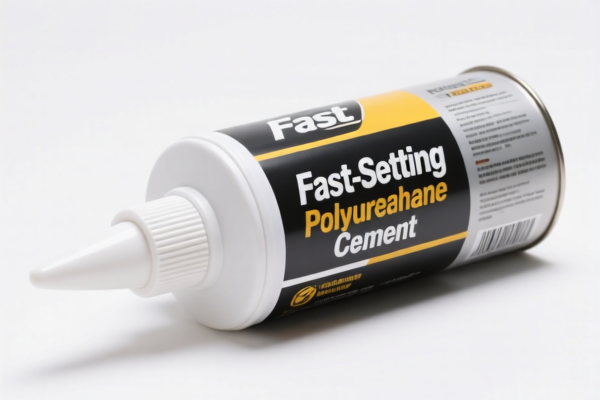
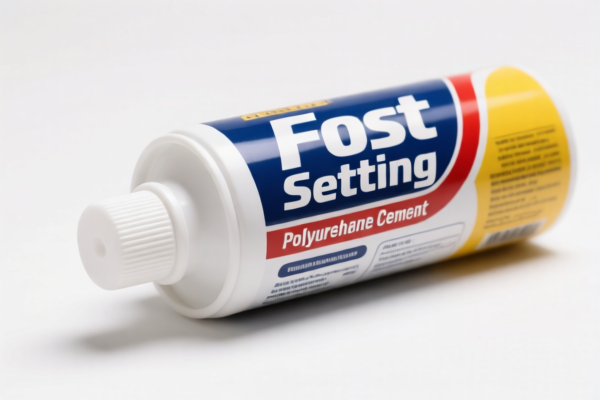
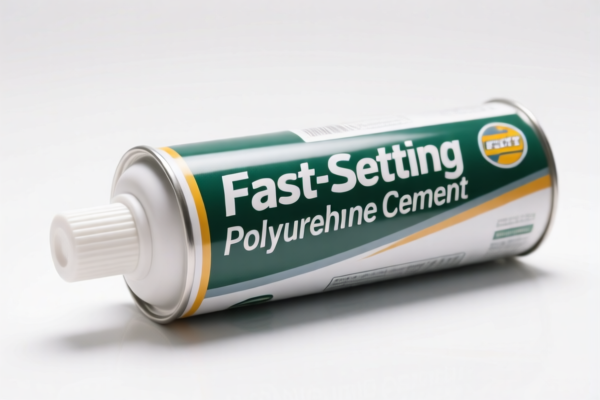
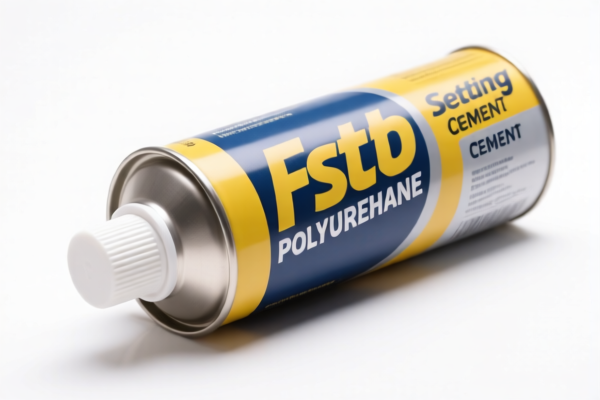
AI分析
🏗️ Fireproof Cement & Refractory Cement (Rapid Setting)
🌐 HS Code Reference & Clearance Guide | 2026 Latest Tariff Analysis | Professional Clearance Strategy
📌 I. Product Definition & Classification: What Exactly Is "Rapid Setting Fireproof Cement"?
Fireproof cement, often referred to as refractory cement or high-alumina cement, is a specialized binding material designed to withstand extreme temperatures and maintain structural integrity in harsh environments. In international trade, the classification depends heavily on the specific chemical composition and intended industrial application.
Refractory Cement (High-Temperature Resistance): Specifically formulated for kilns, furnaces, and industrial heating equipment, often containing magnesia or alumina.
Fireproof Cement (General Fire Resistance): Designed to slow down fire spread in construction structures, often matching the core material of cement products.
⚠️ Key Distinction:
- If the product is explicitly for industrial refractory applications (high heat resistance, specific mineral compositions like Magnesia) → Classified under Chapter 6815
- If the product is a general cementitious fireproofing material (structural fireproofing, matches general cement product forms) → Classified under Chapter 6810
📦 II. HS Code Classification Details (2026 Latest Tariff Authority Comparison)
Based on the provided data, here is the precise classification for "Fireproof Cement (Rapid Setting)":
| HS Code | Product Description | Applicable Scenario | Chemical/Physical Trait |
|---|---|---|---|
6810.11.00.10 |
Fireproof Cement (Rapid Setting), matching core material of Chapter 6810. | General construction fireproofing, structural fire protection. | Matches core material of cement products; rapid setting property. |
6810.11.00.70 |
Fireproof Cement (Rapid Setting), "Other" category under Chapter 6810 cement products. | Other general cement-based fireproofing applications not specified elsewhere in 6810.11. | "Other" cement products; rapid setting; general fireproofing use. |
6815.91.00.11 |
Refractory Cement (Fast-Setting), mineral material product. | Industrial furnaces, kilns, high-temperature equipment lining. | Mineral-based; fits Chapter 6815 scope; fast-setting. |
6815.99.41.10 |
Refractory Cement (Fast-Setting), mineral product with specific chemical components (e.g., Magnesia). | High-performance industrial refractory lining; specialized chemical composition. | Contains specific chemical components like Magnesium Oxide (MgO); mineral product. |
🔍 Critical Reminder:
- Chapter 6810 items (6810.11.x.x) are generally considered cement products for general fireproofing or construction.
- Chapter 6815 items (6815.91.x.x,6815.99.x.x) are mineral products specifically for refractory (high-temperature) industrial use.
- Do not confuse general fireproof cement (6810) with industrial refractory cement (6815). Misclassification can lead to significant duty discrepancies or customs holds.
💰 III. 2026 Latest Tariff Rate Breakdown (Including Additional Taxes & Policy Surcharges)
✅ Applicable Country: United States (US)
✅ Country of Origin: China (CN)
✅ Effective Date: From November 10, 2025 (and subsequent imports)
🎯 1. 6810.11.00.10 & 6810.11.00.70 —— Fireproof Cement (Rapid Setting)
| Item | Content |
|---|---|
| Base Tariff Rate | 3.2% (ad valorem) |
| Additional Tariff (Section 301) | +25.0% |
| Section 122 Tariff | +10.0% |
| Total Effective Tariff Rate | 38.2% |
| Tax Calculation | CIF Value × 38.2% |
| De Minimis Exemption Eligible? | ❌ No (deny_de_minimis) |
| Legal Authority Path | Section 301: 9903.88.01 → Section 122: 9903.10.01 → USITC: 6810.11.00.10/70 |
📌 Explanation:
- The Base Tariff is 3.2% under the standard Harmonized Tariff Schedule.
- The 25% Additional Tariff is imposed under Section 301 of the Trade Act of 1974 against Chinese goods.
- The 10% Section 122 Tariff applies to specific cement and concrete products under the International Emergency Economic Powers Act (IEEPA).
- Total 38.2% is a high tariff burden. Importers must budget accordingly.
🎯 2. 6815.91.00.11 & 6815.99.41.10 —— Refractory Cement (Fast-Setting)
| Item | Content |
|---|---|
| Base Tariff Rate | 0.0% (ad valorem) |
| Additional Tariff (Section 301) | +25.0% |
| Section 122 Tariff | +10.0% |
| Total Effective Tariff Rate | 35.0% |
| Tax Calculation | CIF Value × 35.0% |
| De Minimis Exemption Eligible? | ❌ No (deny_de_minimis) |
| Legal Authority Path | Section 301: 9903.88.01 → Section 122: 9903.10.01 → USITC: 6815.91.00.11/99.41.10 |
📌 Explanation:
- The Base Tariff is 0.0% for these specific mineral refractory products.
- However, the Additional Tariffs (25% + 10%) still apply in full.
- Total 35.0% is slightly lower than the 6810 category but still significant.
- Note: Even with a 0% base rate, the additional surcharges make it expensive.
🛠️ IV. Clearance Practical Advice (Battle-Tested Pitfall Avoidance Guide)
✅ 1. Required Documentation Checklist (Non-Negotiable)
| Document | Must Provide | Explanation |
|---|---|---|
| ✅ Product Technical Data Sheet | ✔️ | Must specify setting time (rapid/fast), composition (alumina/magnesia content), and temperature resistance. |
| ✅ MSDS (Material Safety Data Sheet) | ✔️ | Required for chemical classification and safety handling. |
| ✅ Product Photos (Label & Packaging) | ✔️ | Must show "Fireproof/Refractory," "Rapid Setting," and HS Code-related keywords. |
| ✅ Commercial Invoice | ✔️ | Clearly describe as "Fireproof Cement (Rapid Setting)" or "Refractory Cement (Fast-Setting)." Avoid vague terms like "Cement." |
| ✅ Packing List | ✔️ | Detailed weight and quantity. |
| ✅ Origin Certificate (CO) | ✔️ | Essential for proving CN origin and applying additional tariffs correctly. |
| ✅ Third-Party Test Report | ✔️ | ASTM C1105 or similar standards for fireproofing/refractory properties. |
✅ 2. Declaration Tips (Key Mantras)
🔥 "Specify Setting Time, Define Application, Avoid Ambiguity, Prevent Hold!"
| Scenario | Correct Declaration | Incorrect Practice |
|---|---|---|
| General fireproofing cement | 6810.11.00.10 or 6810.11.00.70 |
Vague: "Cement" → High risk of reclassification |
| Industrial refractory cement (MgO-based) | 6815.99.41.10 |
Vague: "Fire Cement" → Risk of being classified under 6810 (38.2%) if not proven refractory |
| Fast-setting for construction | 6810.11.00.10 |
Vague: "Building Material" → Unclear classification |
| High-temp kiln lining material | 6815.91.00.11 |
Vague: "Industrial Chemical" → Wrong chapter |
💡 Strategy:
- If your product is general fireproofing (e.g., for steel structures), use 6810.
- If your product is industrial refractory (e.g., for lining a furnace), use 6815.
- Always provide test reports proving the "Rapid Setting" or "Refractory" nature to support your chosen HS Code.
✅ 3. Special Cases Handling
| Situation | Handling Advice |
|---|---|
| Mixed Shipment (6810 & 6815) | Declare separately. Do not combine. Different tax rates (38.2% vs 35.0%) and different legal bases. |
| Customs Audit on "Rapid Setting" | Provide setting time data (e.g., "Initial set: 5 minutes, Final set: 30 minutes"). If not proven, customs may reclassify to standard cement. |
| Magnesia Content > X% | If Magnesia content is high, it must be declared under 6815.99.41.10 to avoid penalties for misclassification. |
| US vs. CN Origin | This analysis assumes Chinese Origin. If from another country, additional tariffs (25% + 10%) may not apply. |
🌍 V. Global Market Clearance Comparison (2026 Latest)
| Country/Region | Recommended HS Code | Tariff Rate | Certification Requirements | Notes |
|---|---|---|---|---|
| 🇺🇸 United States | 6810.11.00.10 / 6815.91.00.11 |
38.2% / 35.0% | ASTM, MSDS | High additional tariffs apply. |
| 🇨🇳 China | 6810.11.00.10 / 6815.91.00.11 |
0% - 5% | GB Standards | No additional tariffs. |
| 🇪🇺 European Union | 6810.11.00.10 / 6815.91.00.11 |
6.5% - 8.5% | CE, REACH | No Section 301/122 surcharges. |
| 🇬🇧 United Kingdom | 6810.11.00.10 / 6815.91.00.11 |
6.5% - 8.5% | UKCA, REACH | Post-Brexit tariffs. |
| 🇯🇵 Japan | 6810.11.00.10 / 6815.91.00.11 |
5.5% - 8.0% | JIS | No additional surcharges. |
📌 Conclusion:
- The US market imposes the highest total tariffs (35-38.2%) due to Section 301 and Section 122 measures.
- EU/UK/Japan have significantly lower tariffs (5-8.5%) and no additional punitive tariffs.
- For US imports, cost optimization is critical. Consider if alternative supply chains (e.g., Vietnam, India) are viable to avoid CN origin surcharges.
📌 VI. Common Mistakes & Pitfalls (Lessons Learned)
❌ Mistake 1: Declaring "Fireproof Cement" generally without specifying "Rapid Setting" or "Refractory."
👉 Consequence: Customs may reclassify to a different HS Code, leading to audit delays, penalties, and incorrect duty payment.
❌ Mistake 2: Assuming all cement falls under the same 38.2% rate.
👉 Consequence: Missing the 35.0% rate for 6815.91.00.11 (refractory) by misclassifying it as 6810 (38.2%). Saves 3.2% if correct.
❌ Mistake 3: Ignoring the "Section 122" tariff.
👉 Consequence: Underpayment of duties. Section 122 (10%) is mandatory for cement products from China. It is not optional.
✅ Correct Approach:
"Fireproof Cement, Rapid Setting, Alumina-Based, ASTM C1105 Certified, Model XYZ, Made in China"
🎯 VII. Conclusion: Precision in Classification, Profit in Clearance
🎯 Remember the Mantra:
🔹 "6810 for Fireproofing, 6815 for Refractory; 38.2% vs 35.0%, Know the Difference!"
🔹 "Section 301 + Section 122 = 35%+ Tax; Budget Accordingly!"
📌 Pro Tip:
If your product is essential for high-temperature industrial processes, ensure you have test reports proving its refractory nature to qualify for 6815 (35.0%) instead of 6810 (38.2%). Even a 3.2% difference adds up on large volumes.
📣 Immediate Action:
📞 Contact a licensed customs broker + Provide Technical Data Sheets + Request Pre-Ruling from CBP if unsure.
🚀 Ensure smooth clearance, avoid delays, and optimize your landed cost!
✨ Professional Clearance Starts with Precise Classification!
💼 Every Percent Counts in International Trade!
用户评价
关于 HS 编码归类
协调制度(HS)是由世界海关组织(WCO)制定的国际贸易商品分类标准。全球 200 多个国家采用 HS 系统作为海关关税、贸易统计和进出口监管的基础。
每个 HS 编码遵循以下层级结构:
- 章(2 位)——商品大类(例如:第 84 章:机器和机械设备)
- 品目(4 位)——章内的更具体分类
- 子目(6 位)——国际通用细分,所有 WCO 成员国统一使用
- 本国细分(8-10 位)——各国自行扩展的细分编码,如美国 HTSUS 10 位编码
正确的 HS 编码归类对于顺利通关、准确缴纳关税和遵守贸易法规至关重要。错误归类可能导致海关延误、多缴关税或罚款。
从CN进口到US时,适用的关税税率可能包括:
- 最惠国(MFN)税率——适用于 WTO 成员国的标准关税税率
- 普通税率——适用于无贸易协定国家
- 贸易救济关税——附加关税,如 301 条款(反倾销)、232 条款(国家安全)或反补贴税
本页内容仅供参考。如需正式归类,请咨询当地海关或持牌报关代理。