ground ginger powder
CN → US商品图片
AI分析
🌿 Ground Ginger Powder (Spices, Condiments, and Preserved Vegetables)
🌐 HS Code Reference & Customs Clearance Guide | 2026 Latest Tariff Analysis | Professional Clearance Strategy
📌 I. Product Definition & Classification: Do You Really Know "Ground Ginger"?
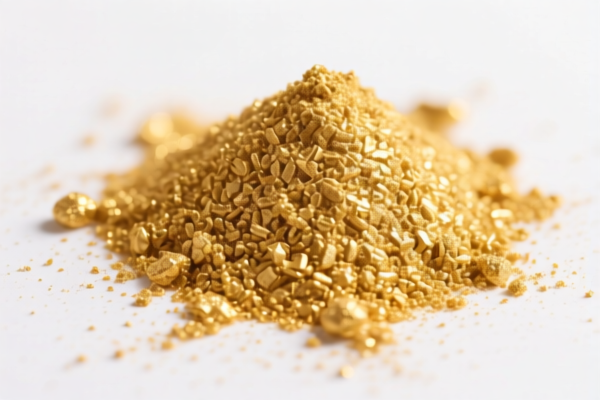
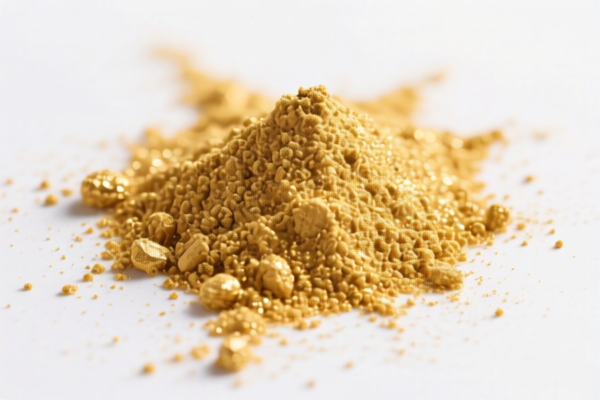
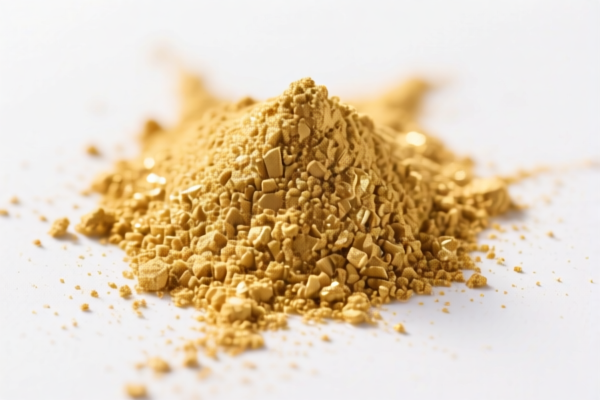
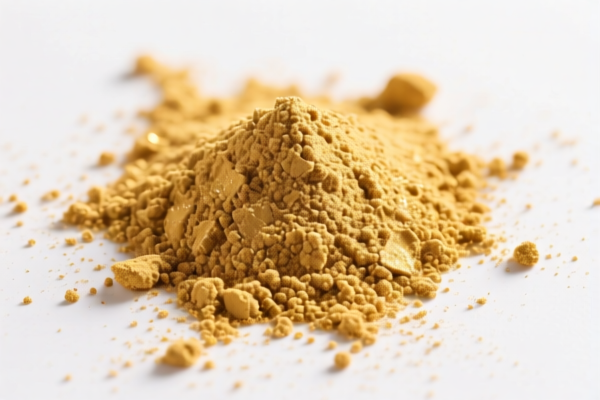
Ground ginger powder is a widely used spice derived from the dried and ground rhizomes of the ginger plant (Zingiber officinale). In international trade, it is strictly classified under Chapter 9 (Coffee, Tea, Mate and Spices) due to its primary use as a flavoring agent rather than a food additive or preservative in its raw state.
It is distinct from: 1. Fresh Ginger: Classified under Chapter 7 (Edible Vegetables), HS 0709.70. 2. Ginger Extracts/Oils: Classified under Chapter 33 (Essential Oils), HS 3301. 3. Prepared Mixtures: If mixed with salt, sugar, or other spices, it may fall under Chapter 21 (Miscellaneous Edible Preparations).
⚠️ Key Distinction:
- Pure ground ginger (no additives) → HS 0910.91
- Ginger mixed with other spices (e.g., curry powder) → HS 0910.99
- Ginger in vinegar or vinegar substitute (preserved) → HS 2001.90
📦 II. HS Code Classification Details (2026 Latest Tariff Authority Comparison)
| HS Code | Product Description | Application Scenario | Additives? |
|---|---|---|---|
0910.91.00.00 |
Ginger, ground or crushed | Pure ginger powder, no additives, used for cooking/spices | ❌ None |
0910.99.00.00 |
Other spices (mixed) | Ginger blends (e.g., with turmeric, cumin), spice mixes | ✅ Mixed |
2001.90.90.00 |
Vegetables prepared/preserved in vinegar | Pickled ginger, ginger in brine | ✅ Preserved |
0712.90.99.00 |
Dried vegetables (general) | Incorrect classification: Only if not considered a "spice" by local customs | N/A |
2103.90.90.00 |
Sauces and preparations | Ginger paste in a sauce base | ✅ Sauce base |
🔍 Key Reminder:
- Pure ground ginger powder MUST be classified under 0910.91.00.00. Misclassifying it as0712(dried vegetables) or2103(sauces) leads to clearance delays or penalties.
- If the product contains anti-caking agents (e.g., silicon dioxide), check local rules. Some countries still allow0910.91if the agent is minimal (<2%), but others may shift it to2103.90.
💰 III. 2026 Latest Tariff Rate Details (Including Surcharge Policies)
✅ Applicable Country: United States (US)
✅ Country of Origin: China (CN)
✅ Effective Date: From November 10, 2025 (and subsequent imports)
🎯 1. 0910.91.00.00 —— Ginger, Ground or Crushed
| Item | Content |
|---|---|
| Base Rate | 0% (ad valorem) |
| USITC Surcharge | None (Excluded from Section 301 list) |
| IEEPA Surcharge | 0% (Not targeted under recent IEEPA orders) |
| Total Tariff Rate | 0% |
| Tax Calculation | CIF Value × 0% |
| De Minimis Eligibility | ✅ Yes (Under $800, eligible for de minimis clearance) |
| Legal Basis Path | HTSUS:0910.91.00.00 → USITC:General → No Footnotes |
📌 Explanation:
- Ginger powder is NOT subject to Section 301 tariffs (25%) or IEEPA surcharges (10%) applied to many Chinese goods.
- Total Cost: 0%. This is a low-risk, low-cost category for clearance.
- Unlike electronics or steel, spices are largely exempt from trade war tariffs.
🎯 2. 0910.99.00.00 —— Other Spices (Mixed Spices)
| Item | Content |
|---|---|
| Base Rate | 0% |
| USITC Surcharge | None |
| IEEPA Surcharge | 0% |
| Total Tariff Rate | 0% |
| Tax Calculation | CIF Value × 0% |
| De Minimis Eligibility | ✅ Yes |
📌 Note:
- Even if mixed with other Chinese-origin spices, the rate remains 0%.
- However, ensure the product is truly a "spice mix" and not a "prepared food" (e.g., ginger sauce), which might have different duties.
🛠️ IV. Customs Clearance Practical Advice (Real-World Pitfall Avoidance)
✅ 1. Required Documentation Checklist (No Exceptions)
| Document | Mandatory | Description |
|---|---|---|
| ✅ Product Specification Sheet | ✔️ | Must state "Ground Ginger," particle size, moisture content (<8%), and purity (100% ginger). |
| ✅ Certificate of Origin (CO) | ✔️ | If claiming preferential rates (e.g., under RCEP or ASEAN), though not needed for 0% US duty. |
| ✅ Phytosanitary Certificate | ✔️ | CRITICAL: Ginger is an agricultural product. Many countries require this to prove it is pest-free. |
| ✅ Ingredient List | ✔️ | Must clearly state "No additives," "No anti-caking agents" (or specify type/amount if allowed). |
| ✅ Commercial Invoice | ✔️ | Use description: "Ground Ginger Powder, Pure, No Additives, HS 0910.91.00.00" |
| ✅ Labeling Compliance | ✔️ | Must show net weight, country of origin, and allergen warnings (if cross-contaminated). |
✅ 2. Declaration Tips (Key Mantra)
🔥 "Pure Ginger is 0910, Mix is 0910.99, Additives Change It All!"
| Situation | Correct Declaration | Wrong Practice |
|---|---|---|
| Pure ground ginger | 0910.91.00.00 |
Misclassifying as 0712 (Dried Veg) → Risk of audit |
| Ginger with salt/anti-caking | Check Local Rules: Often still 0910.91 if <2%, but some regions require 2103.90 |
Declaring pure when mixed → Penalty |
| Ginger in syrup/pickle | 2001.90.90.00 |
Declaring as spice → Incorrect chapter |
| Ginger powder mixed with salt | 0910.99.00.00 or 0910.91 (depending on mix) |
Ignoring additives → Classification error |
✅ 3. Special Handling
| Situation | Handling Advice |
|---|---|
| Anti-caking Agents | If silicon dioxide is used, declare it. In the US, it’s usually still 0910.91. In EU, it might trigger food additive regulations. |
| De Minimis (Under $800) | ✅ Eligible. No duty, simplified entry. But still requires accurate HS code and documentation. |
| FDA Registration | For US imports, facility must be FDA registered. Ginger is a "high-risk" food category in some contexts; ensure compliance. |
| Pesticide Residue | US EPA sets MRLs. Ensure ginger meets US pesticide limits. Provide test reports if requested. |
🌍 V. Global Market Comparison (2026 Latest)
| Country/Region | Recommended HS Code | Tariff Rate (China Origin) | Certification Required | Notes |
|---|---|---|---|---|
| 🇺🇸 USA | 0910.91.00.00 |
0% | FDA, Phytosanitary | No Section 301 tariffs on ginger. |
| 🇨🇳 China | 0910.91.00.00 |
8% | None (Import) | Domestic consumption tax may apply. |
| 🇪🇺 EU | 0910.91.00.00 |
0% (under GSP/Trade Agreements) | EU Food Safety, Pesticide MRLs | Strict pesticide limits. |
| 🇯🇵 Japan | 0910.91.00.00 |
0% | Food Sanitation Act, Pesticide MRLs | Very strict on residues. |
| 🇦🇺 Australia | 0910.91.00.00 |
5% | Biosecurity Import Permit | Strict biosecurity controls. |
📌 Conclusion:
- USA, EU, Japan: 0% tariff on ground ginger powder.
- Biosecurity/Phytosanitary: This is the biggest hurdle, not tariffs. Ensure proper certificates.
- Anti-caking agents: Check local food additive laws.
📌 VI. Common Errors & Pitfalls (Lessons Learned)
❌ Error 1: Declaring "Ginger Powder" as 0712.90 (Dried Vegetables)
👉 Consequence: Customs may reclassify to 0910, causing delays. While duty is similar, it triggers spice-specific regulations (pesticide tests).
❌ Error 2: Ignoring Anti-Caking Agents
👉 Consequence: If silicon dioxide is present but not declared, customs may classify as 2103.90 (Prepared Food), potentially changing duty treatment or requiring different FDA notifications.
❌ Error 3: Missing Phytosanitary Certificate
👉 Consequence: Rejection or Destruction. Ginger is a soil-grown product; pests/diseases are a major concern. Without this certificate, the shipment can be blocked at port.
❌ Error 4: Incorrect Description on Invoice
👉 Consequence: "Spice" is too vague. Use "Ground Ginger, Pure, No Additives, HS 0910.91.00.00" to avoid questions.
✅ Correct Practice:
"Ground Ginger Powder, 100% Pure Zingiber Officinale, No Additives, Fine Powder, Pesticide Residue Compliant with US EPA Standards, HS 0910.91.00.00"
🎯 VII. Conclusion: Professional Clearance for Spices
🎯 Key Takeaways:
🔹 "Ginger is 0910, Duty is 0%, but Phyto Cert is King!"
🔹 "No Section 301 Tariffs, but Biosecurity is Strict!"
🔹 "Declare Purity, List Additives, Avoid Delays!"
📌 Tips:
- If exporting to the US, ensure FDA registration is up to date.
- If exporting to EU/Japan, conduct pesticide residue testing before shipping.
- For small shipments (<$800), use de minimis but still provide accurate HS code and description.
📣 Immediate Action:
📞 Contact: Verify pesticide MRLs with local authorities + Ensure Phytosanitary Certificate is issued by origin country’s plant protection agency.
🚀 Let your ginger powder pass customs smoothly, without tariff burdens!
✨ Professional Clearance Starts with Accurate Classification!
💼 Your spice supply chain, optimized for cost and compliance!
用户评价
关于 HS 编码归类
协调制度(HS)是由世界海关组织(WCO)制定的国际贸易商品分类标准。全球 200 多个国家采用 HS 系统作为海关关税、贸易统计和进出口监管的基础。
每个 HS 编码遵循以下层级结构:
- 章(2 位)——商品大类(例如:第 84 章:机器和机械设备)
- 品目(4 位)——章内的更具体分类
- 子目(6 位)——国际通用细分,所有 WCO 成员国统一使用
- 本国细分(8-10 位)——各国自行扩展的细分编码,如美国 HTSUS 10 位编码
正确的 HS 编码归类对于顺利通关、准确缴纳关税和遵守贸易法规至关重要。错误归类可能导致海关延误、多缴关税或罚款。
从CN进口到US时,适用的关税税率可能包括:
- 最惠国(MFN)税率——适用于 WTO 成员国的标准关税税率
- 普通税率——适用于无贸易协定国家
- 贸易救济关税——附加关税,如 301 条款(反倾销)、232 条款(国家安全)或反补贴税
本页内容仅供参考。如需正式归类,请咨询当地海关或持牌报关代理。