guardrail
CN → US| HS编码 | 关税税率 | 原产国 | 目的国 | 文档 |
|---|---|---|---|---|
| 4016996050 | 37.5% | CN | US | 官方文档 |
| 9403708015 | 35.0% | CN | US | 官方文档 |
| 9403708003 | 35.0% | CN | US | 官方文档 |
| 4016100000 | 35.0% | CN | US | 官方文档 |
| 3926909989 | 22.8% | CN | US | 官方文档 |
商品图片
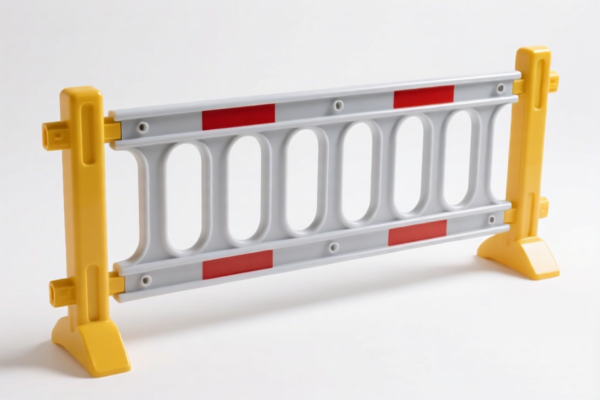
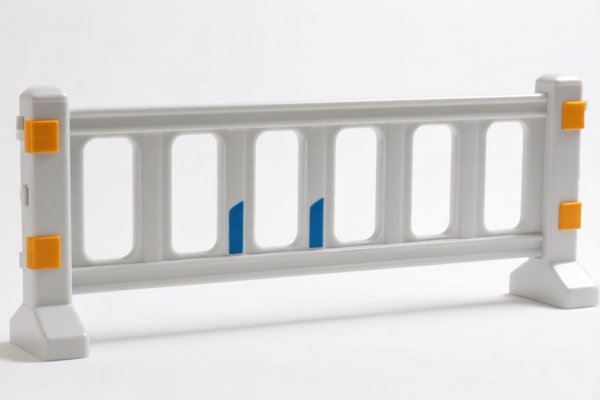
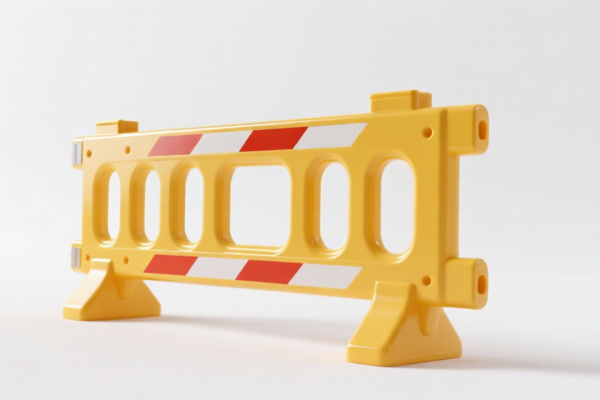
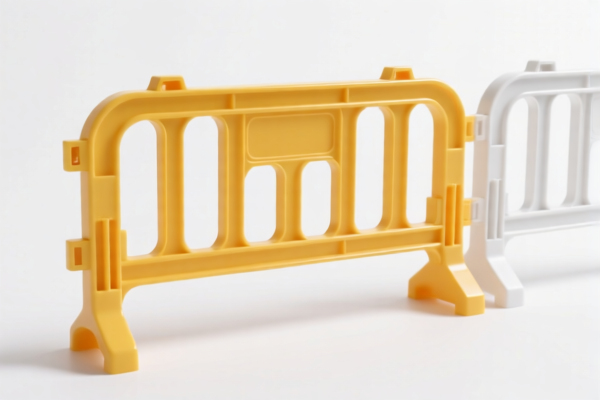
AI分析
🛡️ Guardrail (护栏/围栏)
🌐 HS Code Reference & Customs Clearance Guide | 2026 Latest Tariff Analysis | Professional Clearance Strategy
📌 I. Product Definition & Classification: Do You Really Understand "Guardrails"?
Guardrails, in the context of international trade, refer to protective barriers used in homes, playgrounds, or construction sites. They are primarily categorized by material and structure. In customs classification, the distinction is critical because the same physical object can fall under vastly different tariff codes based on whether it is deemed "Rubber," "Plastic," "Furniture," or "General Plastic Articles."
Key Classification Distinctions: * Rubber/Elastomer Guardrails: Made from vulcanized rubber or sponge rubber. Often used for impact absorption. → Chapter 40 * Plastic/Resin Guardrails: Made from rigid or semi-rigid plastic materials. Often used for home baby gates or pet fences. → Chapter 94 (Furniture) or Chapter 39 (General Plastic Articles)
⚠️ Critical Identification Point:
- If the material is soft, porous, or highly elastic (sponge/rubber) → Likely Chapter 40.
- If the material is rigid plastic and intended for home use → Likely 9403.70 (Plastic Furniture).
- If the plastic item does not fit standard furniture definitions → Likely 3926.90 (Other Plastic Articles).
📦 II. HS Code Classification Details (2026 Latest Tariff Authority Comparison)
Based on the inferred product attributes (Protective Barrier/Railing), here are the four potential HS Codes derived from the data.
| HS Code | Product Description | Inferred Material/Shape | Application Scenario |
|---|---|---|---|
4016.99.60.50 |
Other vulcanized rubber articles, n.e.s. | Vulcanized Rubber / Synthetic Rubber | Protective rubber barriers, high-impact bumpers |
9403.70.80.15 |
Other furniture: Of plastic | Plastic/Synthetic Material | Home protective furniture (e.g., baby safety gates classified as furniture) |
9403.70.80.03 |
Other furniture: Of plastic: Children's enclosures | Plastic/Synthetic Material | Specific: Children's playpen/guardrails |
4016.10.00.00 |
Cell sponges of rubber | Sponge Rubber / Elastic Body | Guardrails made of honeycomb or porous rubber structures |
3926.90.99.89 |
Other articles of plastics and articles of other materials of heading 39.01 to 39.14 | Sponge/Plastic Composite | General plastic/synthetic articles (Catch-all for non-furniture plastic guards) |
🔍 Key Insight:
- Material is King: If the manufacturer specifies "Rubber," codes4016apply. If "Plastic," codes9403or3926apply. - Function Matters: If it is explicitly a "Children's Enclosure,"9403.70.80.03is the most precise fit. - The "Furniture" Loophole: Safety gates for babies are often classified as "Furniture" (9403) rather than general plastic goods (3926), which may result in lower base tariffs.
💰 III. 2026 Latest Tariff Rate Breakdown (Including Surcharges & Policy Add-ons)
✅ Applicable Country: United States (US)
✅ Country of Origin: China (CN)
✅ Effective Time: Current trade policies apply (Section 301 & IEEPA)
🎯 1. 4016.99.60.50 – Other Vulcanized Rubber Articles
| Item | Detail |
|---|---|
| Base Tariff | 2.5% (Ad Valorem) |
| Section 301 Surcharge | +25.0% |
| IEEPA Surcharge (122) | +10.0% |
| Total Effective Rate | 37.5% |
| Tax Calculation | CIF Value × 37.5% |
| De Minimis Exemption? | ❌ NO (Not eligible for low-value shipment exemptions) |
| Legal Path | HTSUS: 4016.99.60.50 → USITC Footnote → Section 301 → IEEPA |
📌 Analysis:
- Rubber products face a 37.5% total duty rate. - The high base rate (2.5%) plus heavy surcharges makes this a costly classification. - Ensure the material is genuinely rubber; misclassification can lead to severe penalties.
🎯 2. 9403.70.80.15 – Other Furniture: Of Plastic
| Item | Detail |
|---|---|
| Base Tariff | 0.0% |
| Section 301 Surcharge | +25.0% |
| IEEPA Surcharge (122) | +10.0% |
| Total Effective Rate | 35.0% |
| Tax Calculation | CIF Value × 35.0% |
| De Minimis Exemption? | ❌ NO |
| Legal Path | HTSUS: 9403.70.80.15 → Section 301 → IEEPA |
📌 Analysis:
- This code benefits from a 0% base tariff, but the surcharges push the total to 35.0%. - This is a "catch-all" for plastic furniture that doesn't fit other specific subheadings. - Ideal for general home guardrails that don't fit the "Children's" definition.
🎯 3. 9403.70.80.03 – Plastic Furniture: Children's Enclosures
| Item | Detail |
|---|---|
| Base Tariff | 0.0% |
| Section 301 Surcharge | +25.0% |
| IEEPA Surcharge (122) | +10.0% |
| Total Effective Rate | 35.0% |
| Tax Calculation | CIF Value × 35.0% |
| De Minimis Exemption? | ❌ NO |
| Legal Path | HTSUS: 9403.70.80.03 → Section 301 → IEEPA |
📌 Analysis:
- Specifically for Children's Guardrails/Fences. - Like9403.70.80.15, it has a 0% base rate, resulting in a 35.0% total tax. - Advantage: More precise classification reduces the risk of customs audits compared to the generic80.15code.
🎯 4. 4016.10.00.00 – Cell Sponges of Rubber
| Item | Detail |
|---|---|
| Base Tariff | 0.0% |
| Section 301 Surcharge | +25.0% |
| IEEPA Surcharge (122) | +10.0% |
| Total Effective Rate | 35.0% |
| Tax Calculation | CIF Value × 35.0% |
| De Minimis Exemption? | ❌ NO |
| Legal Path | HTSUS: 4016.10.00.00 → Section 301 → IEEPA |
📌 Analysis:
- Applicable ONLY if the guardrail is made of sponge rubber (honeycomb/porous structure). - If your product is solid rubber, do NOT use this code, as it will be rejected as a misclassification. - Total rate is 35.0%, same as plastic furniture.
🎯 5. 3926.90.99.89 – Other Articles of Plastics
| Item | Detail |
|---|---|
| Base Tariff | 5.3% |
| Section 301 Surcharge | +7.5% |
| IEEPA Surcharge (122) | +10.0% |
| Total Effective Rate | 22.8% |
| Tax Calculation | CIF Value × 22.8% |
| De Minimis Exemption? | ❌ NO |
| Legal Path | HTSUS: 3926.90.99.89 → Section 301 → IEEPA |
📌 Analysis:
- This is the "Catch-All" for Plastic. - Lowest Total Rate: 22.8%. - Why is it lower? The Section 301 surcharge for general plastic articles is often lower (7.5%) compared to furniture (25%), depending on the specific ruling. - Risk: If customs determines the item is actually "Furniture" (Chapter 94), they will reclassify it, leading to back-taxes and penalties. Use this only if the item cannot be classified as furniture.
🛠️ IV. Customs Clearance Practical Advice (Battle-Tested Pitfall Avoidance)
✅ 1. Preparation Checklist (Non-Negotiable)
| Document | Required? | Purpose |
|---|---|---|
| ✅ Product Specification Sheet | ✔️ | Must detail material composition (e.g., "100% Vulcanized Rubber" vs. "ABS Plastic"). |
| ✅ Material Safety Data Sheet (MSDS) | ✔️ | Crucial if the product contains chemical treatments or is classified as rubber/sponge. |
| ✅ High-Resolution Photos | ✔️ | Show texture (sponge vs. solid), joints, and intended use (e.g., child safety gate). |
| ✅ Commercial Invoice | ✔️ | Must accurately describe the product. Avoid vague terms like "Plastic Part." Use "Plastic Safety Guardrail for Children." |
| ✅ Packaging List | ✔️ | Confirm no hidden components (e.g., metal screws) that might shift classification to metal hardware. |
✅ 2. Declaration Tips (Key Mnemonics)
🔥 “Material First, Function Second, Base Rate Dictates Risk!”
| Scenario | Recommended HS Code | Reason |
|---|---|---|
| Baby Safety Gate (Plastic) | 9403.70.80.03 |
Most accurate. Classifies as "Children's Enclosure" under Plastic Furniture. |
| Pet Barrier (Rigid Plastic) | 9403.70.80.15 |
Classified as "Other Plastic Furniture." |
| Rubber Bumper Guardrail | 4016.99.60.50 |
Solid rubber. High base tax (2.5%) + surcharges. |
| Sponge Rubber Foam Guard | 4016.10.00.00 |
Porous rubber structure. Low base tax (0%). |
| Generic Plastic Protector | 3926.90.99.89 |
Use if unsure if it counts as "Furniture." Lowest total tax (22.8%) but highest audit risk. |
✅ 3. Special Cases & Handling
| Case | Handling Suggestion |
|---|---|
| Mixed Materials | If the guardrail has plastic posts and rubber tops, customs may classify the whole item based on the essential character. Usually, the main structural material dictates the code. |
| OEM Custom Design | Provide design drawings to prove it is a "Guardrail" and not a "Toy" or "Construction Hardware." |
| "Furniture" vs. "General Article" | If you declare as 3926 (22.8%) but customs decides it's 9403 (35%), you face penalties. Strategy: If the item is clearly for home/family use, stick to 9403 to be safe, unless you have strong evidence it's not furniture. |
| Sponge Classification | To use 4016.10, the product must be cellulosic or cellular rubber. Solid foam blocks do not qualify. |
🌍 V. Global Market Comparison (2026 Update)
| Country/Region | Recommended HS Code | Estimated Duty (China Origin) | Key Certifications | Notes |
|---|---|---|---|---|
| 🇺🇸 USA | 9403.70.80.03 |
35.0% | FCC (if electronic), CPSIA (if for children) | High surcharges. 3926 is cheaper but risky. |
| 🇨🇳 China | 9403.70.80.03 |
5-10% | CCC (if applicable) | No Section 301 or IEEPA surcharges. |
| 🇪🇺 EU | 9403.70.80 |
0-2% | CE, REACH, EN71 (toys/safety) | Generally low tariffs. Strict safety standards for children's products. |
| 🇬🇧 UK | 9403.70.80 |
0-2% | UKCA, UK REACH | Post-Brexit rules apply. Safety standards remain high. |
📌 Conclusion:
- The USA is the most expensive market due to 35-37.5% effective duties. - China Origin goods face significant barriers in the US. - For US imports,3926.90.99.89(22.8%) is the most cost-effective if legally defensible. Otherwise,9403.70.80.03(35.0%) is the safest for children's products.
📌 VI. Common Mistakes & Pitfalls (Lessons Learned)
❌ Mistake 1: Calling a rubber guardrail "Plastic" to avoid higher rubber taxes.
👉 Consequence: Customs lab test reveals rubber → Reclassification + Penalty.
❌ Mistake 2: Using 3926 (22.8%) for a clear "Baby Gate."
👉 Consequence: Customs argues it is "Furniture" → Reclassification to 9403 (35%) + Back Taxes.
❌ Mistake 3: Claiming 4016.10 (Sponge) for solid rubber.
👉 Consequence: Structure mismatch → Seizure or Request for Additional Info.
✅ Correct Approach:
"Children's Plastic Safety Gate, Modular, Non-Electronic, Material: ABS Plastic, Intended for Home Use, Model XYZ, Complies with ASTM F2374 Standard."
🎯 VII. Conclusion: Precise Classification Saves Money!
🎯 Remember the Key Takeaways:
🔹 "Rubber? Check Chapter 40. Plastic? Check Chapter 94. General? Check 3926."
🔹 "Base Rate 0% doesn't mean Total Rate 0%. Add 35% for US Surcharges."
🔹 "Children's Products have a specific code (9403.70.80.03). Use it!"
📌 Pro Tip:
If your guardrails are sponge rubber, use 4016.10.00.00 (35% total) but ensure the texture is clearly cellular.
If they are plastic, and you want to minimize risk, use 9403.70.80.03 (35% total).
If you are confident it's not furniture, try 3926.90.99.89 (22.8% total) for maximum savings, but be prepared for customs inquiry.
📣 Immediate Action:
📞 Consult your customs broker with material specs and product photos.
📄 Request a Binding Tariff Ruling (BTR) from US Customs if shipment value is high.
🚀 Avoid Misclassification Risks and Clear Customs Smoothly!
✨ Professional Clearance Starts with Accurate Classification!
💼 Your Duty Cost is Directly Proportional to Your Classification Precision!
用户评价
关于 HS 编码归类
协调制度(HS)是由世界海关组织(WCO)制定的国际贸易商品分类标准。全球 200 多个国家采用 HS 系统作为海关关税、贸易统计和进出口监管的基础。
每个 HS 编码遵循以下层级结构:
- 章(2 位)——商品大类(例如:第 84 章:机器和机械设备)
- 品目(4 位)——章内的更具体分类
- 子目(6 位)——国际通用细分,所有 WCO 成员国统一使用
- 本国细分(8-10 位)——各国自行扩展的细分编码,如美国 HTSUS 10 位编码
正确的 HS 编码归类对于顺利通关、准确缴纳关税和遵守贸易法规至关重要。错误归类可能导致海关延误、多缴关税或罚款。
从CN进口到US时,适用的关税税率可能包括:
- 最惠国(MFN)税率——适用于 WTO 成员国的标准关税税率
- 普通税率——适用于无贸易协定国家
- 贸易救济关税——附加关税,如 301 条款(反倾销)、232 条款(国家安全)或反补贴税
本页内容仅供参考。如需正式归类,请咨询当地海关或持牌报关代理。