guitar string tools
CN → US| HS编码 | 关税税率 | 原产国 | 目的国 | 文档 |
|---|---|---|---|---|
| 9202904000 | 26.2% | CN | US | 官方文档 |
| 9209998000 | 22.8% | CN | US | 官方文档 |
| 9209991000 | 23.2% | CN | US | 官方文档 |
| 9202906000 | 14.6% | CN | US | 官方文档 |
| 8205517500 | 38.7% | CN | US | 官方文档 |
商品图片
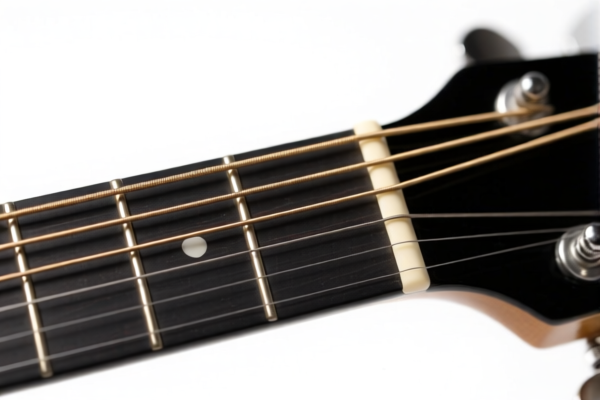
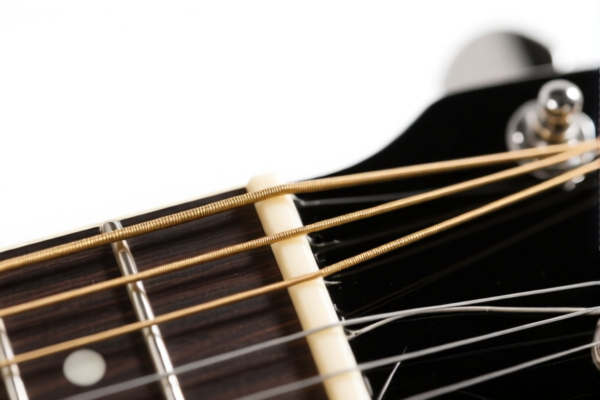
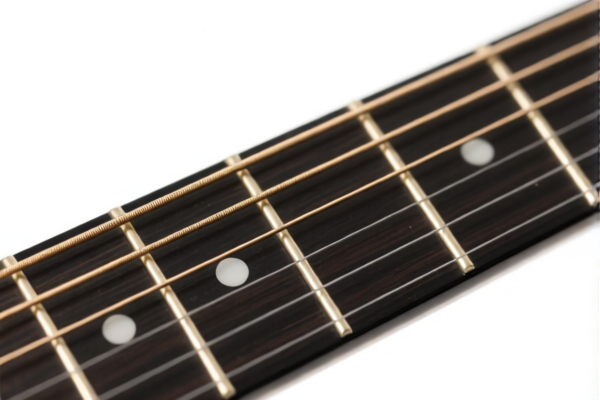
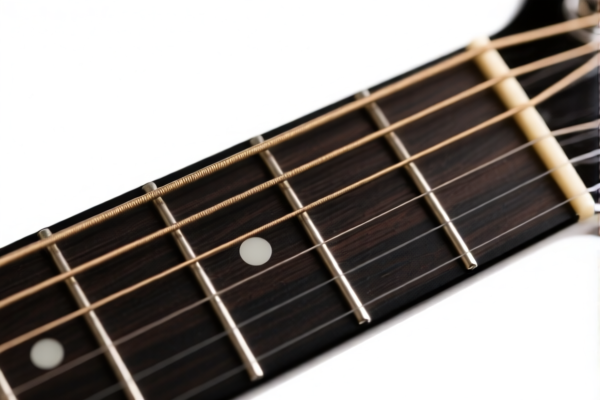
AI分析
🎸 Guitar String Tools: HS Code Classification & 2026 Import Tax Strategy
🌐 HS Code Reference & Clearance Guide | 2026 Latest Tariff Analysis | Professional Clearance Strategy
📌 I. Product Definition & Classification: What Exactly Are "Guitar String Tools"?
Guitar string tools are specialized instruments used for the maintenance, installation, and replacement of strings on stringed instruments (such as guitars, basses, violins, etc.). In international trade, their classification is critical because they can fall into musical instrument parts or hand tools, leading to significantly different tariff rates.
The Core Dilemma:
Are they considered "Parts/Accessories of Musical Instruments" (Chapter 92)?
OR
Are they considered "Hand Tools" (Chapter 82)?
⚠️ Key Distinction Point:
- If the tool is specifically designed for musical instruments and recognized as an integral part of instrument maintenance (e.g., winding keys, tuning peg tools, specialized bridge setters), it often leans toward Chapter 92.
- If the tool is a general-purpose hand tool (e.g., wire cutters, pliers, screwdrivers) used for guitar string installation but not exclusively for instruments, it may fall under Chapter 82 or other general tool categories.
- Note: Some "string tools" might be simple wire cutters or cutters used for trimming strings. These are often classified as hand tools.
📦 II. HS Code Classification Details (2026 Latest Tariff Authority Comparison)
Based on the provided data, here are the possible HS Code classifications for "Guitar String Tools," along with their logical justifications and tax implications.
| HS Code | Summary Justification | Category Logic | Total Tax Rate |
|---|---|---|---|
9202.90.40.00 |
String Tools Classified as String Instruments Based on consistency of use and material inference. |
Direct classification under String Instruments (9202) due to specific utility in handling strings. | 26.2% |
9209.99.80.00 |
Parts & Accessories of Instruments Fits the logic of the "Other" category for instrument parts. |
Classified as a part/accessory of musical instruments (Chapter 92, Part 9209). | 22.8% |
9209.99.10.00 |
Instrument-Related Scope Matches the purpose of instrument parts and accessories. |
Classified as a specific type of instrument part/accessory under the "Other" sub-category. | 23.2% |
9202.90.60.00 |
Consistent Use with String Instruments Inferred via "other" category fallback rules. |
Treated as a component of string instruments under a specific "other" sub-code. | 14.6% |
8205.51.75.00 |
Hand Tool Category Guitar tools fall under the scope of other hand tools and their parts. |
Classified as a general hand tool (Chapter 82), not an instrument part. | 38.7% |
🔍 Key Insight:
- The tax rate varies wildly from 14.6% to 38.7%.
- Chapter 92 codes (9202, 9209) generally reflect the view that these are instrument-specific.
- Chapter 82 code (8205) reflects the view that these are general hand tools.
- Strategy: Try to argue for the Chapter 92 classification, particularly9202.90.60.00(14.6%) if possible, as it offers the lowest tax burden. Avoid8205.51.75.00(38.7%) unless the tool is clearly a generic pair of pliers or cutters with no musical instrument specificity.
💰 III. 2026 Latest Tariff Rate Breakdown (Detailed Tax Clauses)
✅ Applicable Country: USA (US)
✅ Origin: China (CN)
✅ Effective Date: From November 10, 2025 (including subsequent imports)
🎯 1. 9202.90.40.00 —— String Tools as String Instruments
| Item | Detail |
|---|---|
| Base Tariff | 8.7% |
| Section 301 Tariff | 7.5% |
| Section 122 Tariff | 10% |
| Total Tax Rate | 26.2% |
| Tax Calculation | CIF Value × 26.2% |
| De Minimis Exemption | ❌ Not Eligible (deny_de_minimis) |
| Legal Basis Path | Base Tariff → Section 301 → Section 122 |
📌 Explanation:
- Base Tariff (8.7%): Standard MFN rate for string instruments/parts.
- Section 301 (7.5%): Standard US-China trade war tariff for many Chapter 92 goods.
- Section 122 (10%): Specific additional tariff for certain industrial/tool items, applied here based on classification logic.
🎯 2. 9209.99.80.00 —— Parts & Accessories (Other)
| Item | Detail |
|---|---|
| Base Tariff | 5.3% |
| Section 301 Tariff | 7.5% |
| Section 122 Tariff | 10% |
| Total Tax Rate | 22.8% |
| Tax Calculation | CIF Value × 22.8% |
| De Minimis Exemption | ❌ Not Eligible |
| Legal Basis Path | Base Tariff → Section 301 → Section 122 |
📌 Explanation:
- Lower base tariff (5.3%) compared to9202.90.40.00, but still subject to the same additional tariffs.
🎯 3. 9209.99.10.00 —— Instrument Parts (Specific Other)
| Item | Detail |
|---|---|
| Base Tariff | 5.7% |
| Section 301 Tariff | 7.5% |
| Section 122 Tariff | 10% |
| Total Tax Rate | 23.2% |
| Tax Calculation | CIF Value × 23.2% |
| De Minimis Exemption | ❌ Not Eligible |
| Legal Basis Path | Base Tariff → Section 301 → Section 122 |
📌 Explanation:
- Very similar to9209.99.80.00, with a slightly higher base tariff (5.7%).
🎯 4. 9202.90.60.00 —— String Instruments (Other)
| Item | Detail |
|---|---|
| Base Tariff | 4.6% |
| Section 301 Tariff | 0.0% |
| Section 122 Tariff | 10% |
| Total Tax Rate | 14.6% |
| Tax Calculation | CIF Value × 14.6% |
| De Minimis Exemption | ❌ Not Eligible |
| Legal Basis Path | Base Tariff → Section 122 |
📌 Explanation:
- Lowest Tax Rate!
- Zero Section 301 Tariff is the key advantage here.
- Only subject to Base (4.6%) + Section 122 (10%).
- Strategy: If the tool can be argued to fall under this specific sub-code, it saves ~8.2% compared to9202.90.40.00and ~24.1% compared to8205.51.75.00.
🎯 5. 8205.51.75.00 —— Hand Tools (Other)
| Item | Detail |
|---|---|
| Base Tariff | 3.7% |
| Section 301 Tariff | 25.0% |
| Section 122 Tariff | 10% |
| Total Tax Rate | 38.7% |
| Tax Calculation | CIF Value × 38.7% |
| De Minimis Exemption | ❌ Not Eligible |
| Legal Basis Path | Base Tariff → Section 301 → Section 122 |
📌 Explanation:
- Highest Tax Rate!
- The 25% Section 301 Tariff is the main driver.
- Although the base tariff is low (3.7%), the high Section 301 rate makes this the least favorable classification.
- Avoid unless the tool is definitively a generic hand tool with no instrument-specific design.
🛠️ IV. Clearance Practical Advice (Real-World Pitfall Guide)
✅ 1. Documentation Checklist (Must-Haves)
| Document | Required | Explanation |
|---|---|---|
| ✅ Product Specification Sheet | ✔️ | Include images, dimensions, material, and specific use case (e.g., "for winding guitar strings"). |
| ✅ Product Photos | ✔️ | Clear photos showing the tool in use on a guitar, or labeled as "Guitar String Winder." |
| ✅ Commercial Invoice | ✔️ | Clearly describe the item as "Guitar String Tool" or "Musical Instrument Accessory", NOT "Hand Tool" or "Pliers." |
| ✅ Original Packing List | ✔️ | Ensure no generic tool names are used in the packing list. |
| ✅ Brand & Model Info | ✔️ | Helps prove the item is specialized for musical instruments. |
✅ 2. Declaration Tips (Key Mantras)
🔥 "Be Specific, Avoid 'Hand Tool', Aim for 'Instrument Part'!"
| Scenario | Correct Declaration | Wrong Declaration |
|---|---|---|
| Specialized String Winder/Cutter | 9202.90.60.00 (Guitar String Tool) |
"Hand Tool" → 38.7% |
| General Wire Cutter | 8205.51.75.00 (Hand Tool) |
"Guitar Tool" → Risk of misclassification |
| Set of Guitar Accessories | 9209.99.80.00 (Parts/Accessories) |
"Musical Instrument" → 26.2% |
📌 Note:
- Use terms like "Accessory," "Component," "Maintenance Tool for Musical Instruments" in the description.
- Avoid generic terms like "Plumber's Tool," "Electrician's Pliers," or "General Hand Tool."
✅ 3. Special Case Handling
| Scenario | Advice |
|---|---|
| OEM Custom Tools | Provide design drawings to prove instrument-specific functionality. |
| Multi-Purpose Tools | If the tool can be used for guitars AND other things, argue for the instrument-specific classification if it is primarily marketed for guitars. |
| Small Packages (De Minimis) | ❌ No Exemption: All these HS codes are not eligible for de minimis (Section 321) exemption due to the Section 122/301 tariffs. Ensure full duty payment. |
🌍 V. Global Market Comparison (2026 Latest)
| Country/Region | Recommended HS Code | Tariff (China Origin) | Certification | Notes |
|---|---|---|---|---|
| 🇺🇸 USA | 9202.90.60.00 |
14.6% (Best Case) | None | Avoid 8205 (38.7%). |
| 🇨🇳 China | 9202.90.60.00 |
~6.5-8.7% | CCC (if electronic) | Standard import duties apply. |
| 🇪🇺 EU | 9209.90 |
~4.2% | CE | No Section 301/122 equivalents. |
| 🇬🇧 UK | 9209.99 |
~4.2% | UKCA | Post-Brexit rules apply. |
| 🇯🇵 Japan | 9209.99 |
~5.0% | PSE (if electric) | No significant trade war tariffs. |
📌 Conclusion:
- USA is the most complex market due to Section 301 and Section 122 tariffs.
- Effort to classify under9202.90.60.00(14.6%) is highly recommended over8205.51.75.00(38.7%).
- Other markets are relatively straightforward with standard MFN rates.
📌 VI. Common Errors & Pitfalls (Lessons Learned)
❌ Error 1: Declaring "Guitar String Cutters" as "Hand Tools" (8205)
👉 Consequence: 38.7% tax instead of 14.6%. Overpaying 24.1% in duties.
❌ Error 2: Using generic names like "Pliers" or "Cutters" in the invoice
👉 Consequence: Customs may reclassify as 8205.51.75.00 → 38.7% + potential penalties.
❌ Error 3: Assuming De Minimis Exemption Applies
👉 Consequence: No Exemption. All shipments must declare and pay full duties. Small package shipments will be delayed or taxed.
❌ Error 4: Ignoring Section 122 Tariff
👉 Consequence: Even with low base tariffs, the 10% Section 122 applies to all HS codes in the provided data. Factor this into your cost calculation.
✅ Correct Practice:
"Guitar String Winder and Cutter Set, Specific for Musical Instrument Maintenance, Model XYZ"
🎯 VII. Conclusion: Professional Classification Saves Money!
🎯 Remember the Mantra:
🔹 "Instrument Part, Not Hand Tool, Saves 24% in Duties!"
🔹 "HS Code Dictates Tax Rate, 14.6% vs 38.7%, Choose Wisely!"
📌 Pro Tip:
If your guitar string tools are manufactured in Vietnam, Mexico, or Thailand, you may be eligible for Section 301 Exemptions or lower tariffs.
Recommend Applying for a Binding Ruling (Advance Ruling) from US Customs (CBP) to confirm the correct HS code and tax rate before shipment.
📣 Immediate Action:
📞 Contact a professional customs broker + Provide product photos + Request HS Code Pre-Ruling
🚀 Let your guitar tools clear customs smoothly, maximize profits!
✨ Professional Clearance Starts with Accurate Classification!
💼 Every cent of duty should be calculated precisely!
用户评价
关于 HS 编码归类
协调制度(HS)是由世界海关组织(WCO)制定的国际贸易商品分类标准。全球 200 多个国家采用 HS 系统作为海关关税、贸易统计和进出口监管的基础。
每个 HS 编码遵循以下层级结构:
- 章(2 位)——商品大类(例如:第 84 章:机器和机械设备)
- 品目(4 位)——章内的更具体分类
- 子目(6 位)——国际通用细分,所有 WCO 成员国统一使用
- 本国细分(8-10 位)——各国自行扩展的细分编码,如美国 HTSUS 10 位编码
正确的 HS 编码归类对于顺利通关、准确缴纳关税和遵守贸易法规至关重要。错误归类可能导致海关延误、多缴关税或罚款。
从CN进口到US时,适用的关税税率可能包括:
- 最惠国(MFN)税率——适用于 WTO 成员国的标准关税税率
- 普通税率——适用于无贸易协定国家
- 贸易救济关税——附加关税,如 301 条款(反倾销)、232 条款(国家安全)或反补贴税
本页内容仅供参考。如需正式归类,请咨询当地海关或持牌报关代理。