invisible socks
CN → US| HS编码 | 关税税率 | 原产国 | 目的国 | 文档 |
|---|---|---|---|---|
| 6115969020 | 24.6% | CN | US | 官方文档 |
| 6117809510 | 32.1% | CN | US | 官方文档 |
| 6117809570 | 32.1% | CN | US | 官方文档 |
| 6115959000 | 31.0% | CN | US | 官方文档 |
商品图片
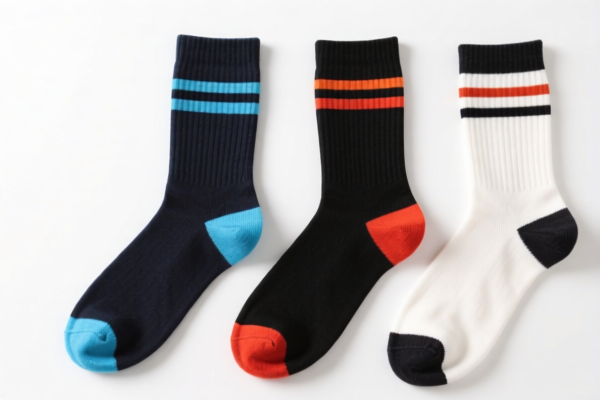
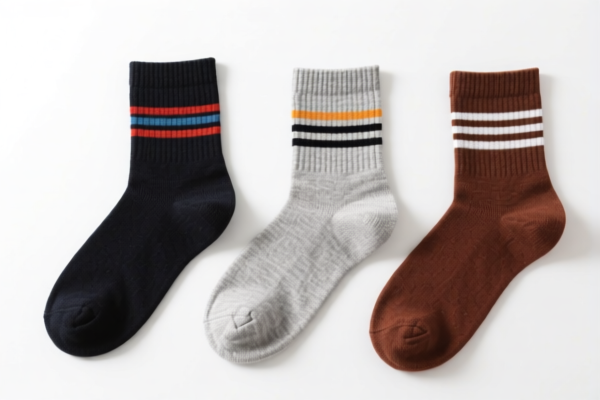
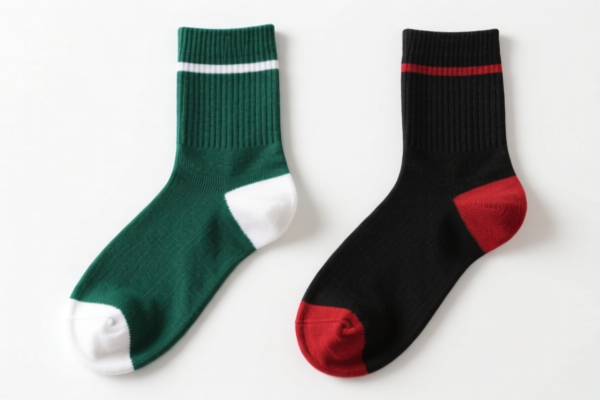
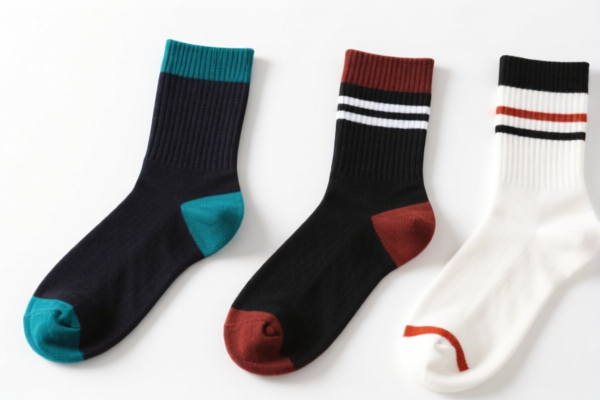
AI分析
🧦 Invisible Socks (No-Show Socks & Low-Cut Ankle Socks)
🌐 HS Code Reference & Customs Clearance Guide | 2026 Tariff Breakdown | Strategic Entry Protocol
📌 I. Product Definition & Classification: Are "Invisible Socks" Really Just Socks?
"Invisible Socks" (also known as No-Show or Low-Cut Socks) are designed to be worn with loafers, sneakers, and boat shoes, remaining hidden inside the footwear. In international trade, they are categorized based on their construction method (Knitted vs. Woven) and material composition (Synthetic, Cotton, or Blends).
Crucial Distinction for Customs:
While they are often called "socks," they may be classified under "Other made up clothing accessories" depending on the material and knitting structure. Misclassification leads to significant duty shocks (up to 32.1% vs. 24.6%).
⚠️ Key Differentiation Points:
- Knitted Hosiery (General Socks): If made of synthetic fibers and classified strictly as "socks" under Chapter 61 → 6115.96.90.20.
- Knitted Accessories (Cotton/Blends): If made of cotton or specific man-made fibers and deemed "accessories" rather than hosiery → 6117.80.95.10 / 6117.80.95.70.
- Cotton/Other Blends: If material is a mix of cotton and other fibers → 6115.95.90.00.
📦 II. HS Code Classification Matrix (2026 Official Tariff Schedule)
| HS Code | Product Description | Material Composition | Classification Logic |
|---|---|---|---|
6115.96.90.20 |
Invisible Socks (Hosiery Category) | Synthetic Fibers (e.g., Nylon, Polyester, Spandex) | Classified as "Other socks" under Chapter 61. Primary entry for pure synthetic no-show socks. |
6117.80.95.10 |
Invisible Socks (Apparel Accessories) | Cotton (Knitted or Crocheted) | Classified under "Other made up clothing accessories." Cotton content shifts it to Chapter 61.17. |
6117.80.95.70 |
Invisible Socks (Apparel Accessories) | Non-Cotton, Non-Wool Man-made Fibers (or Blends) | Classified as "Other made up clothing accessories." Applies to synthetic blends not covered by pure synthetic sock rules. |
6115.95.90.00 |
Invisible Socks (Hosiery Category) | Cotton / Fibers Blend | Classified as "Other socks." Used for mixed materials falling between pure cotton and pure synthetic. |
🔍 Critical Warning:
- "Sock" vs. "Accessory": If the product is labeled as a "sock" but made of cotton, it might fall under6117.80.95.10(Accessories) which carries a higher duty (32.1%) than pure synthetic socks (24.6%).
- Material Proof is Mandatory: Customs requires fiber composition analysis. Guessing "synthetic" when it is "cotton" will result in re-classification and back-taxes.
💰 III. 2026 Tariff Rate Deep Dive (Detailed Tax Breakdown)
✅ Applicable Market: United States (US)
✅ Origin: China (CN)
✅ Effective Date: Current 2026 Tariff Regime (Including Section 301 & 122)
🎯 1. 6115.96.90.20 — Synthetic Invisible Socks (The "Lower Duty" Path)
Best for: Pure Nylon/Polyester no-show socks.
| Tax Component | Rate | Legal Basis |
|---|---|---|
| Base Tariff (MFN) | 14.6% | Standard US Tariff Schedule |
| Section 301 Add-on | 0.0% | No additional Section 301 tariff for this specific code |
| Section 122 Tariff | 10.0% | Section 122 (China-specific) |
| Total Duty Rate | 24.6% | Calculated on CIF Value |
| De Minimis Exemption | ❌ No | Denied (Section 321) |
📌 Explanation:
- Total 24.6% is relatively lower compared to cotton variants.
- Why 10%? This is the Section 122 tariff, a specific China-origin surcharge applied to specific textile categories.
- Strategy: Ensure the product is 100% synthetic to avoid the higher cotton/blend classification.
🎯 2. 6117.80.95.10 — Cotton Invisible Socks (The "High Duty" Trap)
Best for: Pure Cotton or Cotton-dominant no-show socks.
| Tax Component | Rate | Legal Basis |
|---|---|---|
| Base Tariff (MFN) | 14.6% | Standard US Tariff Schedule |
| Section 301 Add-on | 7.5% | Section 301 "List 3" / "List 4" surcharge |
| Section 122 Tariff | 10.0% | Section 122 (China-specific) |
| Total Duty Rate | 32.1% | Calculated on CIF Value |
| De Minimis Exemption | ❌ No | Denied |
📌 Explanation:
- Total 32.1% is a significant jump (+7.5%) compared to synthetic socks.
- Why 7.5%? Cotton textiles are heavily scrutinized under Section 301 trade remedies.
- Risk: Do not ship cotton socks under the6115(Hosiery) code; they will be re-classified to6117(Accessories) with retroactive penalties.
🎯 3. 6117.80.95.70 — Non-Cotton/Non-Wool Synthetic Blends
Best for: Mixed synthetic fibers or non-cotton man-made fibers.
| Tax Component | Rate | Legal Basis |
|---|---|---|
| Base Tariff (MFN) | 14.6% | Standard US Tariff Schedule |
| Section 301 Add-on | 7.5% | Section 301 "List 3" / "List 4" surcharge |
| Section 122 Tariff | 10.0% | Section 122 (China-specific) |
| Total Duty Rate | 32.1% | Calculated on CIF Value |
| De Minimis Exemption | ❌ No | Denied |
📌 Explanation:
- Total 32.1%: Same rate as the cotton version.
- Logic: Even though it's synthetic, if it falls under6117.80(Accessories) rather than6115(Hosiery), the Section 301 surcharge applies.
- Nuance: This code captures blends where the "sock" definition doesn't strictly apply under6115.
🎯 4. 6115.95.90.00 — Cotton/Other Fiber Blends
Best for: Mixed cotton and synthetic/no-show blends.
| Tax Component | Rate | Legal Basis |
|---|---|---|
| Base Tariff (MFN) | 13.5% | Standard US Tariff Schedule (Slightly lower base) |
| Section 301 Add-on | 7.5% | Section 301 surcharge |
| Section 122 Tariff | 10.0% | Section 122 surcharge |
| Total Duty Rate | 31.0% | Calculated on CIF Value |
| De Minimis Exemption | ❌ No | Denied |
📌 Explanation:
- Total 31.0%: Slightly better than6117.80due to a lower base tariff (13.5% vs 14.6%), but still carries the 7.5% Section 301 add-on.
- Strategy: If your product is a cotton-synthetic blend, verify if it can be classified under6115.95(Hosiery) to avoid the6117(Accessory) penalty.
🛠️ IV. Customs Clearance实操建议 (Operational Strategy & Pitfalls)
✅ 1. Documentation Checklist (The "Golden Trio")
You cannot clear "Invisible Socks" with just a commercial invoice. You need: | Document | Requirement | Why? | | :--- | :--- | :--- | | Fiber Content Label | Mandatory | Must explicitly state "% Cotton", "% Polyester", etc. Customs will reject if missing. | | Construction Photo | High Res | Show the "No-Show" profile. Proves it's not a standard ankle sock (different HTS). | | Composition Certificate | Third Party | Lab report confirming material. Prevents "Cotton vs. Synthetic" disputes. |
✅ 2. Classification Strategy (The "Tax Optimization" Hacks)
🔥 Golden Rule: "If it's 100% Synthetic, Fight for 6115.96. If it has Cotton, Expect 32%."
| Scenario | Recommended HS Code | Risk if Wrong |
|---|---|---|
| 100% Nylon/Spandex | 6115.96.90.20 |
If misclassified as 6117 → +7.5% extra duty |
| 100% Cotton | 6117.80.95.10 |
If misclassified as 6115 → Audit + Penalty |
| Cotton/Poly Blend | 6115.95.90.00 |
If misclassified as 6117 → Slight savings loss, but avoid penalty |
| Non-Cotton/Non-Wool | 6117.80.95.70 |
Correct for specific synthetic blends |
✅ 3. Special Customs Warning
| 🚨 Pitfall | Consequence |
|---|---|
| Vague Description | "Socks for Men" |
| Wrong Fiber % | Declaring 100% Cotton when it's 95% Cotton/5% Spandex |
| Missing Section 122 | Forgetting the 10% surcharge |
🌍 V. Global Market Snapshot (US Focus)
| Destination | Recommended HS Code | Total Duty Rate | Key Constraint |
|---|---|---|---|
| 🇺🇸 USA | 6115.96.90.20 |
24.6% (Synthetic) | Section 301 + 122 applies to all |
| 🇺🇸 USA | 6117.80.95.10 |
32.1% (Cotton) | Higher rate for cotton/blend |
| 🇪🇺 EU | 6115/6117 | ~8-15% | No Section 301/122, but VAT applies |
| 🇨🇦 Canada | 6115/6117 | ~5-12% | CUSMA preferential rates if Mexican origin |
📌 Conclusion:
- USA Tariff Shock: The difference between 24.6% and 32.1% is 7.5%. On a $10,000 shipment, this is $750 extra cost.
- Optimization: If possible, shift production or product mix to 100% Synthetic to qualify for6115.96.90.20.
📌 VI. Common Mistakes & "Blood Lessons"
❌ Mistake 1: Calling them "Underwear" or "Lingerie".
👉 Result: Wrong HS Code, higher inspection rate, delayed clearance.
❌ Mistake 2: Assuming "Cotton" means "Cheap Tax".
👉 Result: Cotton triggers Section 301 (7.5% add-on), making it more expensive than synthetic!
❌ Mistake 3: Ignoring the "Section 122" 10% tax.
👉 Result: Underpaying by 10% → Customs issues a bill + interest later.
✅ Correct Action:
Label Clearly: "No-Show Socks, 95% Nylon, 5% Spandex, Made in China".
Declare: HS Code6115.96.90.20.
Calculate: CIF × 24.6% = Total Duty.
🎯 VII. Final Verdict & Call to Action
🎯 The Bottom Line:
Invisible Socks are a high-risk, high-reward classification game in the US market.
- Synthetic = 24.6% (The "Sweet Spot")
- Cotton/Blends = 31.0% - 32.1% (The "Pain Zone")
🔹 Strategy: Verify your fiber content before shipping.
🔹 Action: Apply for Customs Ruling if your product is a complex blend.
🔹 Mindset: "Material is Money." A 5% cotton difference can cost you 7.5% in taxes.
📣 Ready to Ship?
🚚 Check your label: Is it synthetic? →
6115.96.90.20
🚚 Check your label: Is it cotton? →6117.80.95.10
🚀 Ensure your docs: Fiber certificate + Photos + Commercial Invoice.
💡 Pro Tip: Consider sourcing non-China origins if possible to bypass Section 122 & 301 (Check Section 321 De Minimis rules).
✨ Precision in Classification = Precision in Profit!
💼 Don't let 7.5% eat your margin. Classify Right, Ship Smart.
用户评价
关于 HS 编码归类
协调制度(HS)是由世界海关组织(WCO)制定的国际贸易商品分类标准。全球 200 多个国家采用 HS 系统作为海关关税、贸易统计和进出口监管的基础。
每个 HS 编码遵循以下层级结构:
- 章(2 位)——商品大类(例如:第 84 章:机器和机械设备)
- 品目(4 位)——章内的更具体分类
- 子目(6 位)——国际通用细分,所有 WCO 成员国统一使用
- 本国细分(8-10 位)——各国自行扩展的细分编码,如美国 HTSUS 10 位编码
正确的 HS 编码归类对于顺利通关、准确缴纳关税和遵守贸易法规至关重要。错误归类可能导致海关延误、多缴关税或罚款。
从CN进口到US时,适用的关税税率可能包括:
- 最惠国(MFN)税率——适用于 WTO 成员国的标准关税税率
- 普通税率——适用于无贸易协定国家
- 贸易救济关税——附加关税,如 301 条款(反倾销)、232 条款(国家安全)或反补贴税
本页内容仅供参考。如需正式归类,请咨询当地海关或持牌报关代理。