kid's trousers
CN → US| HS编码 | 关税税率 | 原产国 | 目的国 | 文档 |
|---|---|---|---|---|
| 6104632011 | 45.7% | CN | US | 官方文档 |
| 6203424518 | 34.1% | CN | US | 官方文档 |
| 6104622011 | 32.4% | CN | US | 官方文档 |
| 6204639011 | 46.1% | CN | US | 官方文档 |
商品图片
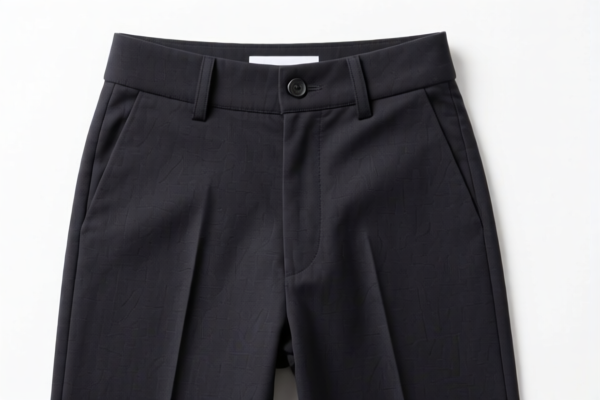
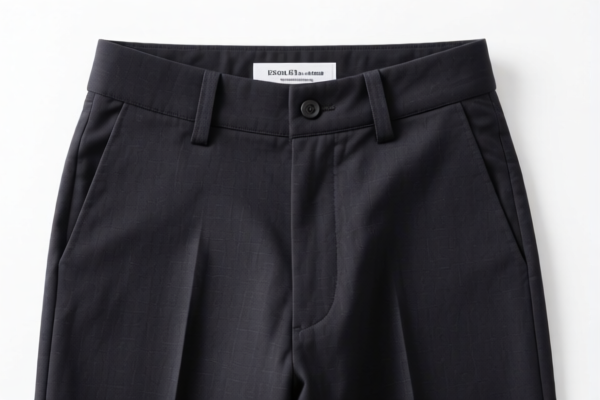
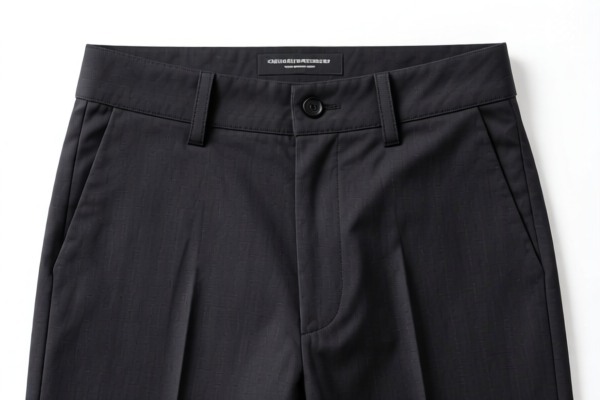
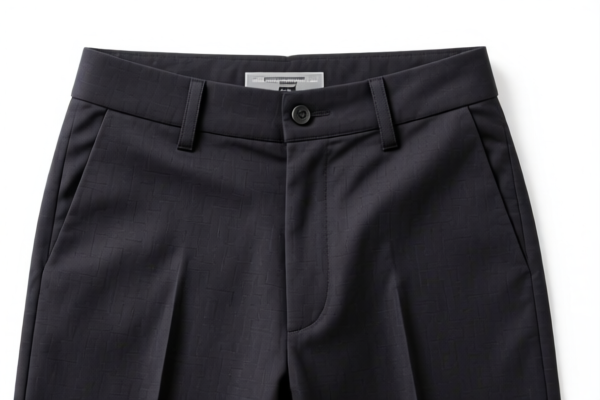
AI分析
👖 Kid's Trousers (Children's Bottoms)
🌐 HS Code Reference & Customs Clearance Guide | 2026 Latest Tariff Analysis | Professional Clearance Strategy
📌 I. Product Definition & Classification: Do You Really Understand "Kid's Trousers"?
Children's trousers are essential apparel items for infants and children, generally categorized by material and manufacturing process. In international trade, they are strictly divided based on knitted vs. woven fabric and boys/girls distinctions under specific tariff headings:
- Knitted Trousers (Chapter 61): Made from elastic, stretchy fabrics like jersey, sweatpants, or knit dress pants. Usually classified under heading 6104 (Girls/Women) or 6103 (Boys/Men), though for general "kid's trousers" not strictly gendered, 6104 is often the fallback for girls' or unisex knit bottoms.
- Woven Trousers (Chapter 62): Made from non-stretch, structured fabrics like cotton twill, denim, or polyester blends. These include dress pants, chinos, and casual woven trousers. Classified under heading 6204 (Girls/Women) or 6203 (Boys/Men).
⚠️ Key Distinction Point:
- If the fabric is knitted/knit (e.g., sweatpants, jersey leggings) → Goes to Chapter 61 (e.g.,6104.63.20.11,6104.62.20.11).
- If the fabric is woven (e.g., cotton twill, denim, formal trousers) → Goes to Chapter 62 (e.g.,6203.42.45.18,6204.63.90.11).
📦 II. HS Code Classification Details (2026 Latest Tariff Authoritative Comparison)
Based on the provided data, here are the four most likely HS Codes for Kid's Trousers, differentiated by material and structure:
| HS Code | Product Description | Material Inference | Suitability for Kid's Trousers |
|---|---|---|---|
6104.63.20.11 |
Knitted or Crocheted Trousers (Girls) | Inferred as Knitted Fabric | ✅ Yes: For girls' knit pants (e.g., leggings, sweatpants). High tax due to material/tariff structure. |
6203.42.45.18 |
Woven Trousers, Tights & Breeches (Boys) | Cotton or Other Fibers | ✅ Yes: For boys' woven pants (e.g., chino-style, casual trousers). Mid-range tax. |
6104.62.20.11 |
Knitted or Crocheted Trousers (Girls) | Cotton | ✅ Yes: For girls' cotton knit pants. Lower base tax compared to other knits. |
6204.63.90.11 |
Woven Trousers, Tights & Breeches (Girls) | Description Missing/General | ✅ Yes: For girls' woven pants where specific fiber isn't highlighted in summary. Highest tax in this set. |
🔍 Key Reminder:
- "Kid's" is not a standalone HS category. You must determine Gender (Boys6103/6203vs. Girls6104/6204) and Material (Knit61xxvs. Woven62xx) to select the correct code.
- If the item is unisex or generic, customs often defaults to the more specific subheadings provided above based on the actual fabric composition.
💰 III. 2026 Latest Tariff Rate Breakdown (Including Surtaxes & Policy Add-ons)
✅ Applicable Country: USA (US)
✅ Origin: China (CN)
✅ Effective Time: Post-November 2025 (Including subsequent imports)
🎯 1. 6104.63.20.11 — Knitted Girls’ Trousers (Non-Cotton/Other Knits)
| Item | Content |
|---|---|
| Base Tariff | 28.2% (Ad Valorem) |
| Section 301 Surtax | +7.5% (USITC Footnote for Chapter 61) |
| 122 Clause Tariff | +10% (Specific US Policy Add-on) |
| Total Tax Rate | 45.7% |
| Tax Calculation | CIF Value × 45.7% |
| De Minimis Exemption | ❌ Not Eligible (deny_de_minimis) |
| Legal Basis Path | Base:6104.63.20.11 → Surtax:7.5% → 122Clause:10% |
📌 Explanation:
- Base 28.2%: Standard US MFN rate for certain knit girls' trousers.
- 7.5% Surtax: Part of the USITC additional tariffs on Chinese textile/apparel goods.
- 10% 122 Clause: Additional punitive tariff under specific US trade provisions (often linked to forced labor or strategic sectors).
- Total 45.7%: This is a high-cost entry point. Ensure your margin can absorb this.
🎯 2. 6203.42.45.18 — Woven Boys’ Trousers (Cotton/Other)
| Item | Content |
|---|---|
| Base Tariff | 16.6% (Ad Valorem) |
| Section 301 Surtax | +7.5% |
| 122 Clause Tariff | +10% |
| Total Tax Rate | 34.1% |
| Tax Calculation | CIF Value × 34.1% |
| De Minimis Exemption | ❌ Not Eligible (deny_de_minimis) |
| Legal Basis Path | Base:6203.42.45.18 → Surtax:7.5% → 122Clause:10% |
📌 Note:
- Woven boys' trousers generally have a lower base rate (16.6%) compared to knitted girls' trousers (28.2%).
- However, the 34.1% total rate is still significant. This code is common for chinos, khakis, and casual woven pants.
🎯 3. 6104.62.20.11 — Knitted Girls’ Cotton Trousers
| Item | Content |
|---|---|
| Base Tariff | 14.9% (Ad Valorem) |
| Section 301 Surtax | +7.5% |
| 122 Clause Tariff | +10% |
| Total Tax Rate | 32.4% |
| Tax Calculation | CIF Value × 32.4% |
| De Minimis Exemption | ❌ Not Eligible (deny_de_minimis) |
| Legal Basis Path | Base:6104.62.20.11 → Surtax:7.5% → 122Clause:10% |
📌 Analysis:
- This is the most tax-efficient option among the four provided codes.
- It applies specifically to Cotton Knit trousers for girls (e.g., cotton leggings, knit dresses with pants).
- Tip: If your product is cotton knit, ensure it is classified here to save 3.3% compared to the other knit code (6104.63.20.11).
🎯 4. 6204.63.90.11 — Woven Girls’ Trousers (General/Other)
| Item | Content |
|---|---|
| Base Tariff | 28.6% (Ad Valorem) |
| Section 301 Surtax | +7.5% |
| 122 Clause Tariff | +10% |
| Total Tax Rate | 46.1% |
| Tax Calculation | CIF Value × 46.1% |
| De Minimis Exemption | ❌ Not Eligible (deny_de_minimis) |
| Legal Basis Path | Base:6204.63.90.11 → Surtax:7.5% → 122Clause:10% |
📌 Warning:
- This is the highest tax rate in the dataset.
- It likely applies to synthetic fiber or mixed fiber woven trousers for girls where no specific cotton/exempt category applies.
- Risk: Misclassifying a synthetic woven pant here instead of a more specific subheading (if available) could lead to overpayment.
🛠️ IV. Customs Clearance Practical Advice (Battle-Tested Pitfall Guide)
✅ 1. Required Documentation Checklist (Non-Negotiable)
| Document | Must Provide | Notes |
|---|---|---|
| ✅ Product Specification Sheet | ✔️ | Must state: Fabric Composition (e.g., 100% Cotton), Weave Type (Knit/Woven), Age Group (0-2T, 4T, etc.). |
| ✅ Fabric Swatch/Photo | ✔️ | Crucial for distinguishing Knit vs. Woven. Customs officers often request physical proof. |
| ✅ Commercial Invoice | ✔️ | Must clearly state: "Children's Trousers, [Material], [Knit/Woven], Model #XYZ". |
| ✅ Packing List | ✔️ | Detailed list of items per box. Avoid vague terms like "Apparel". |
| ✅ Labeling Compliance | ✔️ | US CPSC requires permanent care labels + fiber content. Missing labels = Detention/Return. |
| ✅ Fiber Content Declaration | ✔️ | Must match the invoice and label exactly (e.g., "60% Cotton, 40% Polyester"). |
✅ 2. Declaration Tips (Key Mantra)
🔥 "Knit vs. Woven Defines Chapter, Gender Defines Heading, Cotton Lowers Base!"
| Scenario | Correct Declaration | Error to Avoid |
|---|---|---|
| Girls' Cotton Leggings | 6104.62.20.11 (32.4%) |
Misclassifying as woven 62xx → 46.1% |
| Boys' Denim Jeans | 6203.42.45.18 (34.1%) |
Misclassifying as girls' code → Unjustified higher tax or compliance risk |
| Unisex Knit Pants | 6104.62.20.11 or 6104.63.20.11 |
Vague "Kid's Pants" → Customs may assign worst-case code |
| Synthetic Woven Pants | 6204.63.90.11 (46.1%) |
Assuming lower rate without checking fiber content |
✅ 3. Special Cases Handling
| Situation | Handling Advice |
|---|---|
| OEM Custom Kid's Pants | Provide design specs + size charts. Confirm if the buyer is US-based for CBP rules. |
| Mixed Orders (Knit+Woven) | Split Declaration. Do not mix knit and woven codes in one line item. |
| Infant Sleepwear | If the trousers are part of a sleep set, they may fall under 19 CFR 122.50 (Flame Retardant) standards. Extra documentation needed! |
| De Minimis (Section 321) | ❌ Not Applicable. Textiles/Apparels from China are explicitly excluded from $800 de minimis exemption. |
🌍 V. Global Market Clearance Comparison (2026 Latest)
| Country/Region | Recommended HS Code (Example) | Tariff | Certification | Notes |
|---|---|---|---|---|
| 🇺🇸 USA | 6104.62.20.11 / 6203.42.45.18 |
32.4% - 46.1% | CPSC Labeling | High Surtax + 122 Clause. No de minimis. |
| 🇨🇳 China | 6104.62.20.11 / 6203.42.45.18 |
5% - 10% | CCC (if applicable) | Lower import tax, but export documentation key. |
| 🇪🇺 EU | 6104.62.20.11 / 6204.63.90.11 |
8% - 12% | CE (if toy-related) / REACH | No Section 301 or 122 Clause. Generally cheaper. |
| 🇬🇧 UK | 6104.62.20.11 / 6203.42.45.18 |
8% - 12% | UKCA | Post-Brexit rules apply. |
| 🇦🇺 Australia | 6104.62.20.11 / 6203.42.45.18 |
5% - 10% | Standard Labeling | GSP preferences may apply for some origins. |
📌 Conclusion:
- USA is the most expensive market due to the Section 301 (7.5%) and 122 Clause (10%) add-ons on top of base tariffs.
- Total landed cost in the US can exceed 46% of the product value.
- Strategy: Consider pricing adjustments, duty drawbacks, or alternative origin countries if margins are tight.
📌 VI. Common Mistakes & Pitfall Guide (Lessons from Experience)
❌ Mistake 1: Calling all "Kid's Pants" one HS Code
👉 Consequence: Customs audits may reclassify, leading to back taxes + penalties. Always separate Knit/Woven and Boys/Girls.
❌ Mistake 2: Ignoring the "122 Clause"
👉 Consequence: Assuming only 301 tariffs (7.5%) apply. Missing the 10% 122 Clause results in underpayment and shipment hold.
❌ Mistake 3: Vague Description "Children's Clothes"
👉 Consequence: Customs may assign the highest duty rate (6204.63.90.11 at 46.1%) due to lack of specificity.
❌ Mistake 4: Mixing Knit and Woven in One BL
👉 Consequence: Entry Refusal. Each line item must be distinct.
✅ Correct Practice:
"Children's Cotton Knit Trousers, Girls, Model ABC, 100% Cotton Jersey, Certified CPSC Compliant"
🎯 VII. Conclusion: Precision Classification Saves Profit!
🎯 Remember the Mantra:
🔹 "Knit is 61, Woven is 62. Boys 6103/6203, Girls 6104/6204. Cotton Knit is Cheapest (32.4%), Synthetics Woven is Most Expensive (46.1%)!"
🔹 "US Market: 301 + 122 Clause = High Cost. Prepare for 40%+ Duty!"
📌 Pro Tip:
- If your trousers are 100% Cotton Knit, fight for
6104.62.20.11(32.4%).- If they are Woven, check if they qualify for
6203.42.45.18(34.1%) for boys.- Always verify fabric composition before shipment. A small change from Cotton to Polyester can jump your tariff by 10-15%.
📣 Immediate Action:
📞 Engage a Licensed Customs Broker + Provide Fabric Swatches + Apply for Binding Ruling if volumes are high.
🚀 Ensure CPSC Compliance Labels are sewn in BEFORE shipping to avoid US port detention.
✨ Professional Clearance Starts with Accurate Classification!
💼 Every Percent of Duty Saved is Pure Profit!
用户评价
关于 HS 编码归类
协调制度(HS)是由世界海关组织(WCO)制定的国际贸易商品分类标准。全球 200 多个国家采用 HS 系统作为海关关税、贸易统计和进出口监管的基础。
每个 HS 编码遵循以下层级结构:
- 章(2 位)——商品大类(例如:第 84 章:机器和机械设备)
- 品目(4 位)——章内的更具体分类
- 子目(6 位)——国际通用细分,所有 WCO 成员国统一使用
- 本国细分(8-10 位)——各国自行扩展的细分编码,如美国 HTSUS 10 位编码
正确的 HS 编码归类对于顺利通关、准确缴纳关税和遵守贸易法规至关重要。错误归类可能导致海关延误、多缴关税或罚款。
从CN进口到US时,适用的关税税率可能包括:
- 最惠国(MFN)税率——适用于 WTO 成员国的标准关税税率
- 普通税率——适用于无贸易协定国家
- 贸易救济关税——附加关税,如 301 条款(反倾销)、232 条款(国家安全)或反补贴税
本页内容仅供参考。如需正式归类,请咨询当地海关或持牌报关代理。