knitted or crocheted women's or girls' trousers and shorts
CN → US| HS编码 | 关税税率 | 原产国 | 目的国 | 文档 |
|---|---|---|---|---|
| 6111301000 | 45.7% | CN | US | 官方文档 |
| 6104632011 | 45.7% | CN | US | 官方文档 |
| 6204621521 | 34.1% | CN | US | 官方文档 |
| 6204639011 | 46.1% | CN | US | 官方文档 |
| 6111205000 | 32.4% | CN | US | 官方文档 |
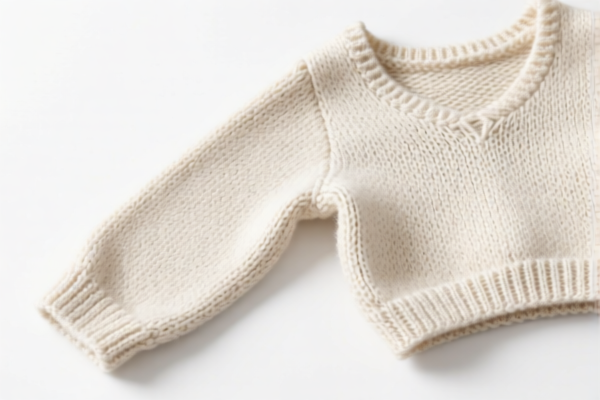
商品图片


AI分析
Based on the data provided, here is the comprehensive classification guide, tax breakdown, and customs clearance strategy for Knitted or Crocheted Women's or Girls' Trousers and Shorts.
👗👖 Knitted or Crocheted Women's & Girls' Trousers & Shorts: The 2026 Global Customs & Tax Handbook
🌐 HS Code Reference & Clearance Strategy | 2026 Tariff Analysis | Professional Entry Protocol
📌 I. Product Definition: What Exactly Are We Classifying?
Knitted or Crocheted Women's or Girls' Trousers and Shorts are categorized under Chapter 61 of the Harmonized System (HS). These are garments made from knitted or crocheted fabrics (as opposed to woven fabrics in Chapter 62).
Key Classification Criteria: 1. Construction: Must be knitted (looped yarn) or crocheted. 2. End-Use: Specifically for Women or Girls. 3. Age Nuance: "Girls" often overlaps with "Infants/Children" categories depending on age/size (under 14 vs. under 2/6 months), which triggers different HS codes (e.g., 6111 for infants). 4. Material Inference: While the prompt name does not specify fiber, classification relies on the fabric type (Knitted) and inferred material (Cotton vs. Synthetic) based on common market standards.
⚠️ Critical Distinction:
- Knitted → Chapter 61 (Codes like 6111, 6104).
- Woven → Chapter 62 (Codes like 6204).
Do not confuse knitted leggings with woven trousers; they fall into different chapters with different tax rates!
📦 II. HS Code Classification Breakdown (2026 Data Analysis)
The following codes are derived strictly from the provided dataset, covering both Knitted (Ch 61) and Woven (Ch 62) scenarios based on material and usage logic.
| HS Code | Category Logic | Material/Target Inference | Total Tax Rate |
|---|---|---|---|
| 6111.30.10.00 | Knitted | Children/Infant Trousers. Inferred: Synthetic Fiber or Cotton. Matches "Knitted" + "Child" logic. |
45.7% |
| 6104.63.20.11 | Knitted | Women's/Girls' Trousers. Inferred: Synthetic Fiber. Explicitly "Knitted" + "Female" + "Synthetic". |
45.7% |
| 6111.20.50.00 | Knitted | Children/Infant Trousers. Inferred: Cotton. Matches "Knitted" + "Child" + "Cotton". |
32.4% |
| 6204.62.15.21 | Woven | Women's/Girls' Trousers. Inferred: Non-Jeans/Non-Corduroy (Other Fabric). Note: Included as "Other" logical inference for non-knitted matches. |
34.1% |
| 6204.63.90.11 | Woven | Women's Trousers. Inferred: Synthetic Fiber or Cotton (Generic "Other"). Note: Matches "Women" + "Woven" generic logic. |
46.1% |
🔍 Data Source Analysis:
- The dataset highlights a clear split between Knitted (Ch 61) and Woven (Ch 62).
- 6104/6111 are the primary codes for the specific "Knitted" request.
- 6204 codes are included in the data as alternative matches for "Trousers" if the product is mistakenly identified as woven or if the query implies general trousers.
💰 III. 2026 Tariff Rate Deep Dive (US Market Specifics)
Based on the provided data, the tax structure applies to imports from China (CN) to the United States (US). The high rates are driven by a combination of Base, Section 301 (Trade War), and 122-section tariffs.
🎯 1. The "Knitted" High-Tax Scenario (Codes 6111.30.10.00 & 6104.63.20.11)
Total Tax: 45.7% Target: Knitted Trousers (Women/Girls/Children)
| Tax Component | Rate | Description & Legal Basis |
|---|---|---|
| Base Tariff (MFN) | 28.2% | Standard Most-Favored-Nation rate for Textiles/Apparel. |
| Section 301 / Add-on | 7.5% | Additional duty imposed under Trade Policy measures (Section 301). |
| Section 122 Duty | 10.0% | Special Additional Duty (often linked to specific textile categories or retaliatory measures). |
| Total Effective Rate | 45.7% | 28.2 + 7.5 + 10.0 = 45.7% |
📌 Calculation Example:
If a shipment of Knitted Women's Trousers is valued at $10,000 (CIF):
Tax = $10,000 × 45.7% = $4,570 (This is a massive cost impact!).
🎯 2. The "Cotton/Child" Slightly Lower Scenario (Code 6111.20.50.00)
Total Tax: 32.4% Target: Knitted Cotton Trousers (Children/Infant)
| Tax Component | Rate | Description & Legal Basis |
|---|---|---|
| Base Tariff | 14.9% | Lower base rate for specific cotton infant/children items. |
| Add-on | 7.5% | Fixed Section 301 / Trade Add-on. |
| Section 122 Duty | 10.0% | Standard 122 duty applies regardless of base rate. |
| Total Effective Rate | 32.4% | 14.9 + 7.5 + 10.0 = 32.4% |
📌 Strategic Insight:
Shifting from Synthetic/General Knitted (45.7%) to Cotton Children's Knitted (32.4%) saves 13.3% in duties. This is a significant margin for manufacturers.
🎯 3. The "Woven" Alternatives (Codes 6204...)
Total Tax: 34.1% – 46.1% Target: Woven Trousers (Women/Girls)
| HS Code | Base | Add-on | 122 Duty | Total |
|---|---|---|---|---|
| 6204.62.15.21 | 16.6% | 7.5% | 10% | 34.1% |
| 6204.63.90.11 | 28.6% | 7.5% | 10% | 46.1% |
⚠️ Warning: Woven trousers (6204) often face even higher base rates (up to 28.6%) compared to cotton knitted infant wear. The "Woven" category is generally more expensive to classify under this specific tariff regime.
🛠️ IV. Customs Clearance Practical Strategy (Action Plan)
✅ 1. Documentation Checklist (Mandatory)
To avoid delays and ensure correct classification (especially distinguishing Knitted vs. Woven):
| Document | Requirement | Why It Matters |
|---|---|---|
| 🧶 Fabric Composition Certificate | Must explicitly state: "100% Cotton" or "Synthetic (e.g., Polyester)" and "Knitted Structure". | Crucial for distinguishing between 6111 (Knitted) and 6204 (Woven). Misclassification leads to 10-13% tax penalties. |
| 👶 Age/Size Declaration | Clearly define: "Girls", "Women", or "Infants (0-24 months)". | Determines if you use the 6104 (Women) or 6111 (Infant) code. 6111 (Cotton) offers the lowest rate (32.4%). |
| 📷 Product Photos | Close-ups of the knit texture (looped yarn) vs. woven weave. | Customs officers visually inspect to confirm "Knitted" status. |
| 🏷️ Labeling | Must show "Made in China" (if applicable) and fiber content. | Required for Section 301 and Section 122 compliance. |
| 📝 Bill of Lading & Invoice | Item description: "Knitted Trousers, Women's, [Fiber Type]". | DO NOT just write "Trousers". Be specific! |
✅ 2. Classification Strategy (The "Rule of Thumb")
| Scenario | Recommended HS Code | Strategy |
|---|---|---|
| Knitted + Synthetic + Women/Girls | 6104.63.20.11 | Standard classification. Expect 45.7%. |
| Knitted + Cotton + Children/Infant | 6111.20.50.00 | Best Rate! Aim for this code if the product is for infants/toddlers. Save 13.3% vs. Synthetics. |
| Knitted + Children/Infant + Synthetic | 6111.30.10.00 | High tax zone (45.7%). Verify if it truly qualifies as "Infant" to avoid rejection. |
| Woven (Not Knitted) | 6204.62.15.21 | Only use if fabric is woven. Tax is 34.1% (if cotton/blended) to 46.1% (if synthetic). |
🔥 Pro Tip:
If your product is "Knitted Leggings" for girls:
- If Cotton → Push for 6111.20.50.00 (32.4%).
- If Synthetic → Expect 6104.63.20.11 (45.7%).
Do not try to classify synthetic knitted women's trousers as woven to save tax; Customs will reject it.
✅ 3. Special Cases & Pitfalls
| Risk | Description | Mitigation |
|---|---|---|
| ❌ Misidentifying Knitted vs. Woven | A "stretch" fabric might look woven but be knitted. | Submit a weave analysis from a third-party lab (e.g., SGS). |
| ❌ "Infant" vs. "Children" Confusion | Code 6111 is strictly for Infants/Children. Older girls (10+) fall under 6104. |
Check the age range on the size chart. If >4 years, use 6104 (Women's) category, which has higher taxes. |
| ❌ Section 122 Duty | This is an additional 10% tax. | Budget for it. It is not negotiable for China-origin goods. |
| ❌ Missing Material Data | If material is unknown, Customs may default to the highest tax bracket. | Always declare the fiber content (e.g., "80% Cotton, 20% Spandex"). |
🌍 V. Global Market Comparison (2026 Outlook)
| Destination | Typical Base Rate (China) | Add-ons | Total Est. Tax |
|---|---|---|---|
| 🇺🇸 USA | 14.9% - 28.6% | +7.5% (Sec 301) +10% (Sec 122) | 32.4% - 46.1% |
| 🇪🇺 EU | 12% - 16% | No Sec 301 | ~12-16% (No 122) |
| 🇨🇦 Canada | 18% - 22% | Sec 301 equivalent? | ~25-30% |
| 🇦🇺 Australia | 5% - 10% | No major add-ons | ~5-10% |
📌 Conclusion: The US market is the most punitive for these goods due to the Section 122 + 301 combination. If possible, consider supply chain diversification (e.g., Vietnam or Mexico) to avoid the 17.5% (7.5%+10%) surcharge.
📌 VI. Final Checklist for Exporters
- Verify Knitted Status: Ensure the fabric is truly knitted (looped), not woven.
- Define Fiber: Be precise (Cotton vs. Synthetic). This changes tax from 32.4% to 45.7%.
- Target Audience: Clearly label "Infant" vs. "Girl/Woman" to select the right chapter (6111 vs 6104).
- Budget for Taxes: Do not quote FOB without factoring in the 45.7% total duty for synthetic knitted women's trousers.
- Apply Pre-Ruling: For large shipments, request an Advance Ruling from US Customs (CBP) to lock in the classification.
💡 Expert Advice:
"The difference between a 32.4% and 45.7% tax is $1,330 per $10,000 shipment. If your product is cotton infant knitted trousers, fight to classify it under 6111.20.50.00. If it is synthetic women's trousers, accept the 45.7% cost or optimize your supply chain."
✨ Clearance Success = Accurate HS Code + Transparent Material Declaration + Strategic Pricing ✨
用户评价
关于 HS 编码归类
协调制度(HS)是由世界海关组织(WCO)制定的国际贸易商品分类标准。全球 200 多个国家采用 HS 系统作为海关关税、贸易统计和进出口监管的基础。
每个 HS 编码遵循以下层级结构:
- 章(2 位)——商品大类(例如:第 84 章:机器和机械设备)
- 品目(4 位)——章内的更具体分类
- 子目(6 位)——国际通用细分,所有 WCO 成员国统一使用
- 本国细分(8-10 位)——各国自行扩展的细分编码,如美国 HTSUS 10 位编码
正确的 HS 编码归类对于顺利通关、准确缴纳关税和遵守贸易法规至关重要。错误归类可能导致海关延误、多缴关税或罚款。
从CN进口到US时,适用的关税税率可能包括:
- 最惠国(MFN)税率——适用于 WTO 成员国的标准关税税率
- 普通税率——适用于无贸易协定国家
- 贸易救济关税——附加关税,如 301 条款(反倾销)、232 条款(国家安全)或反补贴税
本页内容仅供参考。如需正式归类,请咨询当地海关或持牌报关代理。