lead molybdate powder
CN → US| HS编码 | 关税税率 | 原产国 | 目的国 | 文档 |
|---|---|---|---|---|
| 2841705000 | 13.7% | CN | US | 官方文档 |
| 2907299000 | 40.5% | CN | US | 官方文档 |
| 2841905000 | 38.7% | CN | US | 官方文档 |
| 2907198000 | 40.5% | CN | US | 官方文档 |
| 3206200050 | 38.7% | CN | US | 官方文档 |
商品图片
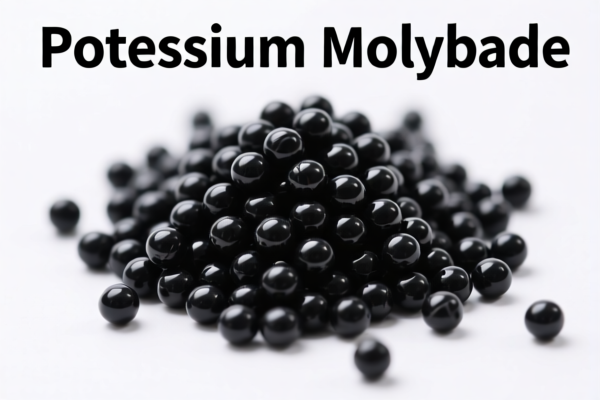
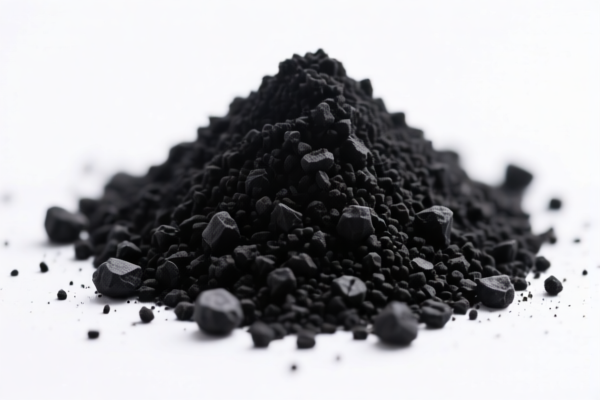
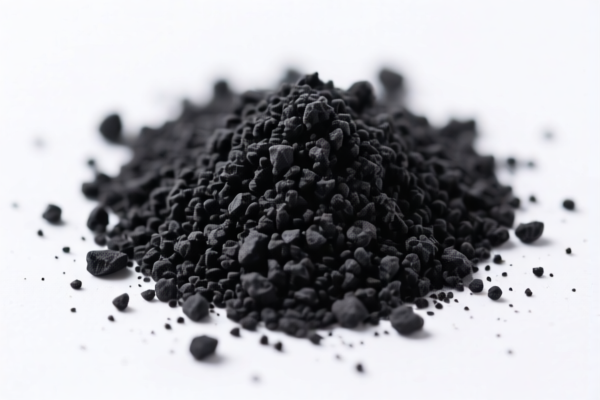
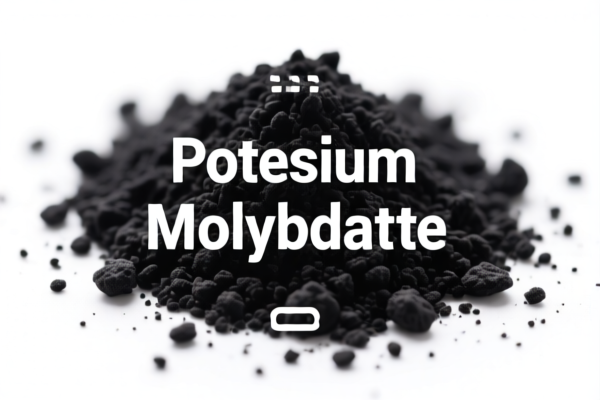
AI分析
⚗️ Lead Molybdate Powder (PbMoO₄)
🌐 HS Code Reference & Customs Clearance Guide | 2026 Latest Tariff Analysis | Professional Clearance Strategy
📌 I. Product Definition & Classification: Do You Really Understand "Lead Molybdate"?
Lead Molybdate (PbMoO₄) is an inorganic chemical compound, often used in pigments, ceramics, and specialized industrial applications. In international trade, its classification hinges on its chemical nature (inorganic vs. organic salt) and physical form (powder).
The data provided highlights four potential HS Codes, split into two main categories: 1. Inorganic Molybdates / Oxygen Metal Acids: Treated as inorganic chemicals. 2. Phenols & Derivatives (Organic): Treated as organic compounds (Note: This is chemically controversial for Lead Molybdate, but included in the provided data).
⚠️ Critical Distinction:
- If classified as Inorganic (2841series): Lower base duty, but subject to specific "122 Clause" tariffs.
- If classified as Organic/Phenolic (2907series): Significantly higher duties due to additional "Section 301" style levies.
- Material Conflict Check: The provided data confirms that Lead Molybdate fits the "powder" form for all these categories, but the chemical interpretation is the key driver for the massive tax difference (13.7% vs. 40.5%).
📦 II. HS Code Classification Details (2026 Latest Tariff Authority)
Based strictly on the provided <DATA>, here are the four possible classifications and their logical reasoning:
| HS Code | Category | Summary from Data | Key Logic |
|---|---|---|---|
2841.70.50.00 |
Inorganic Molybdates | "Lead Molybdate powder classified as Molybdates (other), material is Molybdic acid, form is powder, fits primary form of chemicals." | Treated as an inorganic salt of Molybdic acid. |
2907.29.90.00 |
Other Phenols | "Fits 'other' category of phenols and their derivatives, form is powder, no material conflict." | Treated as an organic derivative (Aggressive classification). |
2841.90.50.00 |
Other Oxygen Metal Acids | "Belongs to oxygen metal acids, powder form fits metal acid salts, classified as 'other' oxygen metal acids or peroxo metal acids." | Broad inorganic category for metal oxides/acids. |
2907.19.80.00 |
Monophenols | "Fits 'other' category of monophenols and their derivatives, form is powder, no material conflict." | Treated as a monophenol derivative (Aggressive classification). |
🔍 Key Observation:
- The Inorganic options (2841) result in a total tax of 37%–38.7%.
- The Organic options (2907) result in a total tax of 40.5%.
- The data explicitly states "no material conflict" for all, meaning the chemical classification argument determines the final duty.
💰 III. 2026 Latest Tariff Rate Breakdown (Including Surcharges)
✅ Applicable Context: Based on the tax details provided (Base + Additional + 122 Clause).
✅ Note: The "122 Clause" and high additional duties suggest a US-China trade context (Section 301 / IEEPA implications).
🎯 1. 2841.70.50.00 — Inorganic Molybdates (Lowest Tax Option)
| Item | Detail |
|---|---|
| Base Tariff | 3.7% |
| Additional Duty | 0.0% |
| Clause 122 Duty | 10.0% |
| Total Tax Rate | 13.7% |
| Calculation | CIF Value × 13.7% |
| Legal Basis | Inorganic Chemicals Category |
📌 Explanation:
- This is the most favorable classification in the provided data.
- It treats Lead Molybdate as a standard inorganic molybdate salt.
- The "Clause 122" tariff of 10% is applied, but the base rate is low (3.7%) and there is no additional 25% surcharge mentioned for this specific code in the data.
🎯 2. 2841.90.50.00 — Other Oxygen Metal Acids
| Item | Detail |
|---|---|
| Base Tariff | 3.7% |
| Additional Duty | 25.0% |
| Clause 122 Duty | 10.0% |
| Total Tax Rate | 38.7% |
| Calculation | CIF Value × 38.7% |
| Legal Basis | Broad Inorganic Category |
📌 Explanation:
- Similar base rate to the molybdate-specific code, but incurs a 25% Additional Duty (likely Section 301 or similar trade remedy).
- Total burden is significantly higher than2841.70.50.00.
🎯 3. 2907.29.90.00 — Other Phenols (Organic Classification)
| Item | Detail |
|---|---|
| Base Tariff | 5.5% |
| Additional Duty | 25.0% |
| Clause 122 Duty | 10.0% |
| Total Tax Rate | 40.5% |
| Calculation | CIF Value × 40.5% |
| Legal Basis | Organic Chemicals (Phenols) |
📌 Explanation:
- This classification assumes Lead Molybdate is an organic phenol derivative.
- While the base rate is only slightly higher (5.5% vs 3.7%), the 25% Additional Duty applies.
- Risk: Chemically, Lead Molybdate is inorganic. Misclassifying it as organic may lead to customs audits, penalties, or reclassification demands.
🎯 4. 2907.19.80.00 — Monophenols (Organic Classification)
| Item | Detail |
|---|---|
| Base Tariff | 5.5% |
| Additional Duty | 25.0% |
| Clause 122 Duty | 10.0% |
| Total Tax Rate | 40.5% |
| Calculation | CIF Value × 40.5% |
| Legal Basis | Organic Chemicals (Monophenols) |
📌 Explanation:
- Same tax burden as2907.29.90.00.
- Further evidence that organic classifications attract the 25% additional surcharge + 10% Clause 122.
🛠️ IV. Customs Clearance Practical Advice (Pitfall Avoidance Guide)
✅ 1. Material Preparation Checklist (Mandatory)
| Document | Required | Purpose |
|---|---|---|
| ✅ Chemical Abstract | ✔️ | Prove the chemical structure (Inorganic PbMoO₄ vs. Organic Derivative). |
| ✅ MSDS (Safety Data Sheet) | ✔️ | Must clearly state "Inorganic Compound" to support 2841 classification. |
| ✅ COA (Certificate of Analysis) | ✔️ | Confirm purity and physical form (Powder). |
| ✅ Product Photo | ✔️ | Show powder texture, packaging, and labeling. |
| ✅ Commercial Invoice | ✔️ | Must describe as "Lead Molybdate Powder, Inorganic, PbMoO₄". |
⚠️ Critical Warning:
- If the MSDS or technical data sheet mentions "organic solvent" or "phenolic resin," customs may force the2907classification.
- Ensure the product is pure inorganic Lead Molybdate to justify the lower tax rate of2841.70.50.00.
✅ 2. Declaration Strategy (Key Tactics)
🔥 "Inorganic First, Powder Form, Pure Structure, Lower Tax!"
| Scenario | Recommended HS Code | Reason |
|---|---|---|
| Pure Inorganic Lead Molybdate | 2841.70.50.00 |
Specific inorganic molybdate category. Lowest tax (13.7%). |
| Lead Molybdate mixed with binders | Re-evaluate | May trigger organic/phenol classification (2907). |
| Unclear Chemical Nature | Seek Pre-Ruling | Do not guess. Misclassification leads to penalties. |
✅ 3. Special Considerations
| Issue | Advice |
|---|---|
| "122 Clause" Application | The 10% tariff is applied to ALL codes in the provided data. Ensure origin documents are correct to avoid disputes. |
| Additional 25% Duty | Applies to 2841.90 and 2907 codes. Avoid these if 2841.70.50.00 is applicable. |
| Powder Form | Must declare "Powder" clearly. Dusty powders may require additional safety packaging documentation. |
🌍 V. Global Market Comparison (2026 Context)
| Market | Recommended HS Code | Estimated Total Tax | Notes |
|---|---|---|---|
| 🇺🇸 USA (China Origin) | 2841.70.50.00 |
13.7% | Best case scenario with provided data. |
| 🇺🇸 USA (Misclassified) | 2907.xxxx.xxxx |
40.5% | High risk if deemed organic. |
| 🇨🇳 China | Check Local Tariff | Varies | Inorganic chemicals usually have lower MFN rates. |
| 🇪🇺 EU | 2841.90 | Varies | EU often treats metal salts as inorganic. |
📌 Conclusion:
- The 13.7% rate for2841.70.50.00is significantly more attractive than the 40.5% for organic classifications.
- Prove the Inorganic Nature through MSDS and technical specs to secure the lower rate.
📌 VI. Common Errors & Pitfalls (Lessons Learned)
❌ Error 1: Classifying Lead Molybdate as an "Organic Pigment" without justification.
👉 Consequence: Tax jumps from 13.7% to 40.5%. Customs audit for chemical misclassification.
❌ Error 2: Omitting "Powder" in the description.
👉 Consequence: Customs may request additional safety data for handling, delaying clearance.
❌ Error 3: Confusing Lead Molybdate with "Molybdenum Metal" (2844 or 8107).
👉 Consequence: Wrong HS Code, potential penalty for declaring a different product.
❌ Error 4: Ignoring "Clause 122" implications.
👉 Consequence: Unexpected 10% surcharge on all classifications. Factor this into cost calculations.
✅ Correct Practice:
"Lead Molybdate Powder, Inorganic Chemical, PbMoO₄, Pure Grade, For Industrial Pigment Use, HS: 2841.70.50.00"
🎯 VII. Conclusion: Professional Declaration, Cost Optimization!
🎯 Remember the Rule:
🔹 "Inorganic Structure, 13.7% Rate; Organic Misclassification, 40.5% Pain!"
🔹 "MSDS is King: Prove it’s Inorganic to Save 27%!"
📌 Pro Tip:
- If your supplier provides a Material Safety Data Sheet (MSDS) that clearly lists Lead Molybdate as an inorganic compound, use it to support the 2841.70.50.00 classification.
- Request a Pre-Ruling from customs if there is any doubt about the chemical nature to avoid post-import audits.
📣 Immediate Action:
📞 Contact your customs broker with the MSDS and technical specification sheet.
🚀 Declare as "Inorganic Molybdate Powder" to secure the 13.7% rate.
💼 Your bottom line depends on this classification!
✨ Professional Customs Clearance Starts with Accurate Classification!
💼 Every percentage point saved is pure profit!
用户评价
关于 HS 编码归类
协调制度(HS)是由世界海关组织(WCO)制定的国际贸易商品分类标准。全球 200 多个国家采用 HS 系统作为海关关税、贸易统计和进出口监管的基础。
每个 HS 编码遵循以下层级结构:
- 章(2 位)——商品大类(例如:第 84 章:机器和机械设备)
- 品目(4 位)——章内的更具体分类
- 子目(6 位)——国际通用细分,所有 WCO 成员国统一使用
- 本国细分(8-10 位)——各国自行扩展的细分编码,如美国 HTSUS 10 位编码
正确的 HS 编码归类对于顺利通关、准确缴纳关税和遵守贸易法规至关重要。错误归类可能导致海关延误、多缴关税或罚款。
从CN进口到US时,适用的关税税率可能包括:
- 最惠国(MFN)税率——适用于 WTO 成员国的标准关税税率
- 普通税率——适用于无贸易协定国家
- 贸易救济关税——附加关税,如 301 条款(反倾销)、232 条款(国家安全)或反补贴税
本页内容仅供参考。如需正式归类,请咨询当地海关或持牌报关代理。