men's woven shorts
CN → US| HS编码 | 关税税率 | 原产国 | 目的国 | 文档 |
|---|---|---|---|---|
| 6203439030 | 45.4% | CN | US | 官方文档 |
| 6203424551 | 34.1% | CN | US | 官方文档 |
| 6210405539 | 17.1% | CN | US | 官方文档 |
| 6203424551 | 34.1% | CN | US | 官方文档 |
| 6203431330 | 45.4% | CN | US | 官方文档 |
商品图片
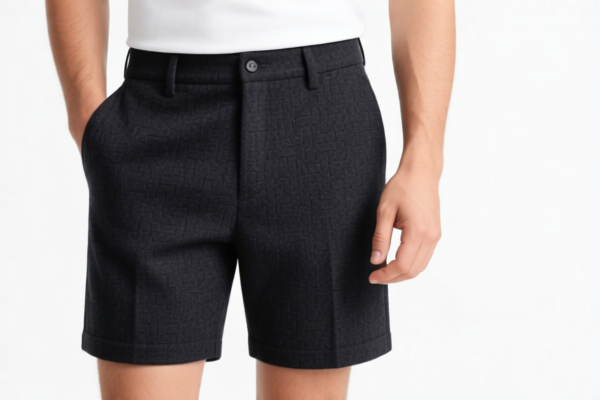
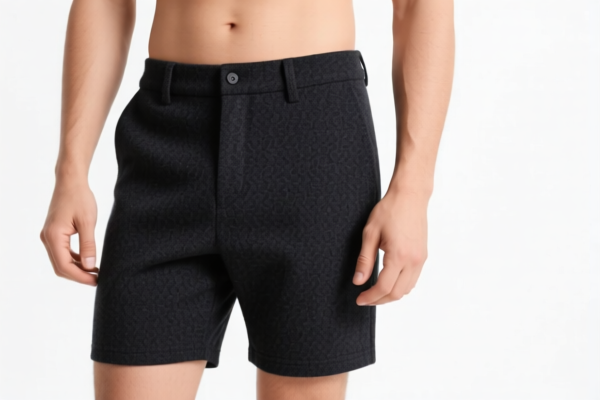
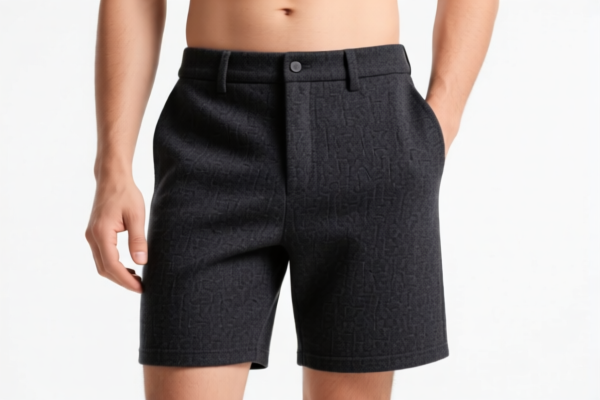
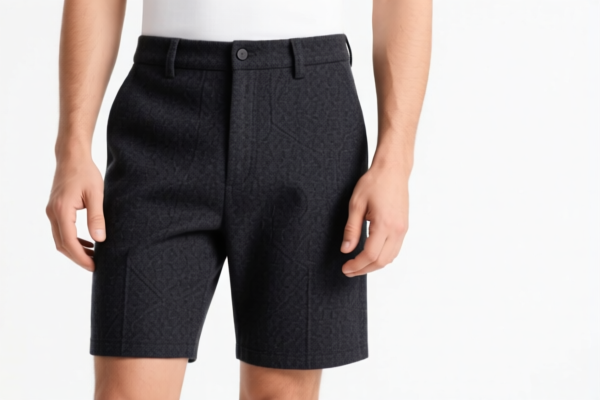
AI分析
🩳 Men's Woven Shorts: The Ultimate HS Code & Tax Guide (2026)
🌐 HS Code Reference & Clearance Strategy | 2026 Tariff Breakdown | Professional Import Guide
📌 I. Product Definition & Classification: Do You Really Know "Men's Woven Shorts"?
Men's Woven Shorts are a versatile category of lower-body apparel defined by their woven (non-knitted) fabric structure. In international trade, the HS Code classification is strictly dictated by the fabric composition, as even slight material differences can trigger massive tax jumps (from 17.1% to 45.4%).
Key Classification Factors: 1. Material Composition: * Cotton/Blends: Usually falls under specific sub-categories. * Synthetic Fibers (Polyester/Nylon): Often attracts higher duties depending on the blend. * Coated/Specialty Fabrics: Unique classification with lower base tariffs but specific conditions. 2. Construction: * Must be Woven (not knitted). Knitted shorts fall under Chapter 61, not 62. 3. Usage: * "Matching Form and Purpose" implies standard men's casual or dress shorts suitable for general wear.
⚠️ Critical Warning:
- Cotton vs. Synthetic: The tariff rate can fluctuate by nearly 30% solely based on whether the material is Cotton (lower base) or Synthetic (higher base).
- 122 Clause & Section 301: All items listed below are subject to additional punitive tariffs (Section 301/122), making precise material declaration vital.
📦 II. HS Code Classification Details (2026 Latest Tariff Schedule)
Below is the authoritative breakdown of the 5 specific scenarios found in your dataset, organized by material and tax impact.
| HS Code | Product Summary | Material Composition | Total Tax Rate | Key Tax Components |
|---|---|---|---|---|
| 6203.43.90.30 | Men's Woven Shorts | Synthetic Fibers or Natural Fiber Blend | 45.4% | Base (27.9%) + Add-on (7.5%) + Sec 122 (10%) |
| 6203.42.45.51 | Men's Woven Shorts | Cotton or Cotton Blend | 34.1% | Base (16.6%) + Add-on (7.5%) + Sec 122 (10%) |
| 6210.40.55.39 | Woven Men's Shorts | Synthetic Fiber or Coated Fabric | 17.1% | Base (7.1%) + Add-on (0.0%) + Sec 122 (10%) |
| 6203.42.45.51 | Woven Men's Shorts | Cotton or Synthetic Fiber Blend | 34.1% | Base (16.6%) + Add-on (7.5%) + Sec 122 (10%) |
| 6203.43.13.30 | Woven Men's Shorts | Synthetic Fiber or Cotton Blend | 45.4% | Base (27.9%) + Add-on (7.5%) + Sec 122 (10%) |
🔍 Deep Dive into Material Impact:
- Highest Tax Bracket (45.4%): Triggered when the shorts are primarily Synthetic (6203.43.90.30) or Synthetic/Cotton blends (6203.43.13.30). The base tariff is steep (27.9%).
- Mid Tax Bracket (34.1%): Triggered by Cotton (6203.42.45.51) or specific blends. While the base is lower (16.6%), the Section 301 surcharge still applies.
- Lowest Tax Bracket (17.1%): The "Sweet Spot" for 6210.40.55.39. This classification applies to Coated synthetic shorts or specific synthetic weaves where the Section 301 Add-on is waived (0.0%), though the base is low (7.1%).
💰 III. 2026 Tariff Rate Breakdown (Detailed Tax Logic)
✅ Scope: US Market Import
✅ Origin: China (CN)
✅ Status: Active for 2026 Clearances
🎯 Scenario A: The High-Tax Trap (45.4%)
- HS Codes:
6203.43.90.30,6203.43.13.30 - Material: Synthetic Fiber Dominant or Specific Blends.
- Tax Calculation:
- Base Tariff: 27.9% (Standard Most-Favored-Nation rate for synthetics).
- Section 301 Add-on: +7.5% (Targeting synthetic apparel).
- Clause 122 Tax: +10.0% (Specific punitive measure on certain textile categories).
- Total: 45.4%
- 📉 Impact: For a $10,000 shipment, you pay $4,540 in duties alone.
🎯 Scenario B: The Cotton Middle Ground (34.1%)
- HS Codes:
6203.42.45.51 - Material: Cotton or Cotton/Synthetic Blend.
- Tax Calculation:
- Base Tariff: 16.6% (Cotton is often taxed lower than synthetics).
- Section 301 Add-on: +7.5% (Still applies to woven cotton).
- Clause 122 Tax: +10.0% (Applies broadly).
- Total: 34.1%
- 📉 Impact: For a $10,000 shipment, duties = $3,410. Save $1,130 vs. Synthetic!
🎯 Scenario C: The Coated/Specialty Low-Rate (17.1%)
- HS Code:
6210.40.55.39 - Material: Synthetic Fiber OR Coated Fabric.
- Tax Calculation:
- Base Tariff: 7.1% (Very low base for coated/specialty woven).
- Section 301 Add-on: 0.0% (Crucial Exemption for this specific sub-category).
- Clause 122 Tax: +10.0% (Applies).
- Total: 17.1%
- 📉 Impact: For a $10,000 shipment, duties = $1,710. Save $2,700 vs. Standard Synthetic!
🛠️ IV. Clearance Practical Advice (Avoiding Pitfalls)
✅ 1. Material Declaration is KING
🔥 Rule: "Material defines the rate, not the style." - Action: Ensure your Commercial Invoice and Packing List explicitly state the fabric composition percentage (e.g., "100% Polyester" vs. "60% Cotton/40% Polyester"). - Risk: If you declare "Cotton Blend" but the lab test shows 80% Synthetic, you will face 45.4% instead of 34.1% + Severe Penalties.
✅ 2. The "Coated" Loophole (Use with Caution)
- Strategy: If your shorts are made from water-resistant or coated synthetic fabric, aggressively pursue the 6210.40.55.39 classification.
- Why: This is the only path to escape the 7.5% Section 301 add-on.
- Requirement: You must provide a technical datasheet proving the "coating" or specific synthetic weave structure to justify the 6210 code over 6203.
✅ 3. Required Documentation Checklist
| Document | Requirement | Why? |
|---|---|---|
| Fabric Content Label | Must match Invoice | Customs will check the physical label against the paperwork. |
| Weave vs. Knit Proof | Microscope photo or spec sheet | Proves it is Woven (Ch 62) and not Knitted (Ch 61). |
| Coating Certificate | (If using 6210) | Essential to justify the 0% Section 301 surcharge. |
| Bill of Lading | Must list HS Code | Mismatch leads to audit flags. |
🛑 V. Common Mistakes & How to Fix Them
❌ Mistake 1: Confusing "Woven" with "Knitted" * Scenario: Shipping Jersey (Knitted) shorts but declaring under 6203 (Woven). * Consequence: Rejection, potential seizure, or forced re-classification to Chapter 61 (different tax rates). * Fix: Verify the fabric construction. Knitted = Ch 61. Woven = Ch 62.
❌ Mistake 2: Vague Material Descriptions * Scenario: Declaring "Cotton/Poly Blend" without percentages. * Consequence: Customs may default to the highest tax rate (45.4%) assuming Synthetic. * Fix: Always list exact percentages (e.g., "80% Cotton, 20% Polyester").
❌ Mistake 3: Missing the "Coated" Opportunity * Scenario: Selling water-repellent shorts but classifying them as standard synthetic (6203). * Consequence: Paying 45.4% instead of 17.1%. * Fix: Submit technical specs proving the coating to qualify for 6210.40.55.39.
🌍 VI. Strategic Summary: Which HS Code Should You Pick?
| Your Product Type | Recommended HS Code | Total Tax | Strategy |
|---|---|---|---|
| 100% Cotton Shorts | 6203.42.45.51 |
34.1% | Good option, but watch out for Section 301. |
| Cotton/Poly Blend | 6203.42.45.51 |
34.1% | Ensure Cotton % is high to stay in this bracket. |
| 100% Synthetic Shorts | 6203.43.90.30 |
45.4% | Avoid if possible. Highest duty. |
| Coated/Waterproof Shorts | 6210.40.55.39 |
17.1% | 🏆 WINNER. Lowest tax if eligible. |
📌 VII. Final Clearance Advice
🚀 Pro Tip: "If you can prove your shorts are Coated, you save 28.3% in total tax compared to standard synthetic shorts!"
- Pre-Arrival Ruling: If unsure about the "Coated" status, apply for a Binding Ruling from US Customs to confirm the 17.1% rate.
- Sampling: Keep fabric swatches in your warehouse ready for immediate lab testing if Customs requests a material verification.
- Supplier Education: Ensure your factory labels the fabric content exactly as it appears in your customs entry. One percentage point shift can change the duty classification.
✨ Master your classification, minimize your tax, maximize your profit!
💼 Don't let a tax rate difference eat your entire margin.
🔒 Compliance is the key to seamless entry.
用户评价
关于 HS 编码归类
协调制度(HS)是由世界海关组织(WCO)制定的国际贸易商品分类标准。全球 200 多个国家采用 HS 系统作为海关关税、贸易统计和进出口监管的基础。
每个 HS 编码遵循以下层级结构:
- 章(2 位)——商品大类(例如:第 84 章:机器和机械设备)
- 品目(4 位)——章内的更具体分类
- 子目(6 位)——国际通用细分,所有 WCO 成员国统一使用
- 本国细分(8-10 位)——各国自行扩展的细分编码,如美国 HTSUS 10 位编码
正确的 HS 编码归类对于顺利通关、准确缴纳关税和遵守贸易法规至关重要。错误归类可能导致海关延误、多缴关税或罚款。
从CN进口到US时,适用的关税税率可能包括:
- 最惠国(MFN)税率——适用于 WTO 成员国的标准关税税率
- 普通税率——适用于无贸易协定国家
- 贸易救济关税——附加关税,如 301 条款(反倾销)、232 条款(国家安全)或反补贴税
本页内容仅供参考。如需正式归类,请咨询当地海关或持牌报关代理。