multi use tool
CN → US| HS编码 | 关税税率 | 原产国 | 目的国 | 文档 |
|---|---|---|---|---|
| 8205513060 | 38.7% | CN | US | 官方文档 |
| 8205598000 | 38.7% | CN | US | 官方文档 |
商品图片
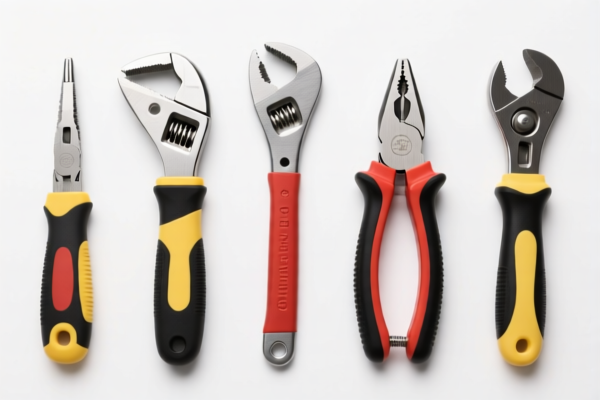
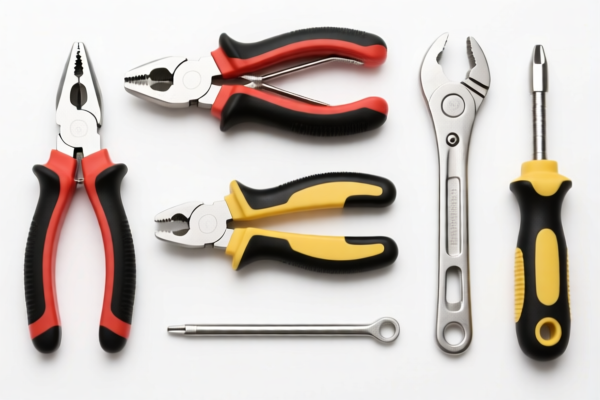
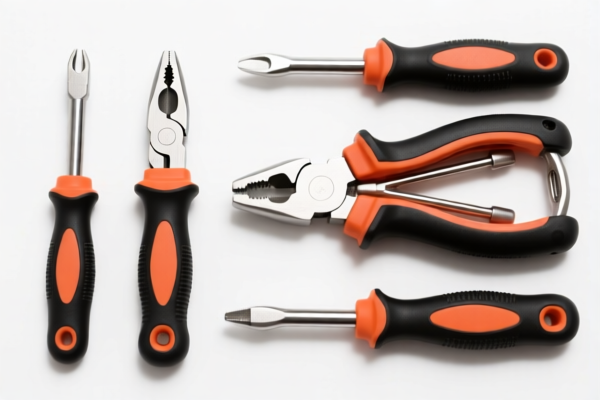
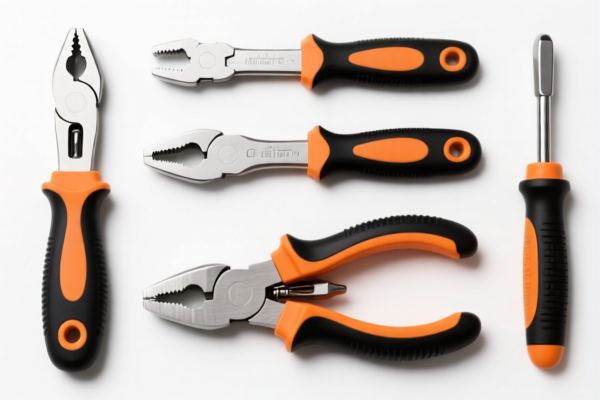
AI分析
🔧 Multi-Use Tools & Hand Tools (The "Swiss Army Knife" of Hardware)
🌐 HS Code Reference & Customs Clearance Guide | 2026 Latest Tariff Analysis | Professional Strategy
📌 I. Product Definition & Classification: What Exactly Is a "Multi-Use Tool"?
"Multi-use tools" in international trade are rarely a single, universal category. They fall under Chapter 82: Base Metal Tools, Implements, and Parts. Specifically, they are classified as Hand Tools or Parts of Hand Tools.
Key Distinction:
- Non-Mechanical/Manual Tools: Screwdrivers, pliers, wrenches, hammers, saws (manual), and glass cutters. These are the most common "multi-use" items found in household kits.
- Specialized Hand Tools: Vises, clamps, anvils, portable forges, and hand-operated grinding wheels with frameworks.
- Exclusions: These do NOT include parts of machine tools (e.g., CNC tool holders) or water-jet cutting machine accessories.
⚠️ Critical Classification Point:
- If the tool is household-use and made of Iron or Steel → Likely 8205.51.30.60
- If the tool is other (non-household, or non-iron/steel) → Likely 8205.59.80.00
- Never classify as "Mechanical Power Tools" (Chapter 84) unless it has a motor/engine.
📦 II. HS Code Classification Details (2026 Official Tariff Reference)
Based on the provided data, there are two primary HS Codes for these items. The distinction lies in specificity and material/usage.
| HS Code | Product Description | Applicable Scenario | Material/Type |
|---|---|---|---|
8205.51.30.60 |
Other handtools (including glass cutters) and parts thereof: Household tools, and parts thereof: Of iron or steel: Other (including parts) | Common household multi-tool kits (pliers, screwdrivers, wrenches), iron/steel construction | ✅ Iron or Steel ✅ Household Use |
8205.59.80.00 |
Other handtools (including glass cutters) and parts thereof: Other: Other: Other | Non-household tools, or tools made of non-iron/steel base metals, or other unspecified hand tools | ❌ Not Household OR ❌ Not Iron/Steel |
🔍 Key Insight:
-8205.51.30.60is the most likely code for standard household multi-tool sets (e.g., a plastic case with pliers, a screwdriver, and a knife). It specifically targets Iron or Steel household tools.
-8205.59.80.00is a "catch-all" for other hand tools that don’t fit the specific "household iron/steel" criteria (e.g., professional trade tools, or tools made of different base metals).
💰 III. 2026 Latest Tariff Rate Details (Including Surcharges)
✅ Applicable Country: United States (US)
✅ Origin: China (CN) (Note: High tariffs apply to Chinese origin due to Section 301/IEEPA)
✅ Effective Date: 2025/2026 Regime
🎯 1. 8205.51.30.60 —— Household Hand Tools (Iron/Steel)
| Item | Detail |
|---|---|
| Base Duty Rate | 3.7% (Ad Valorem) |
| Additional Duty (Section 301/IEEPA) | 25.0% |
| Total Tax Rate | 28.7% |
| Tax Calculation | CIF Value × 28.7% |
| De Minimis Eligibility | ❌ Not Eligible (High tariff rates typically exceed $800 de minimis thresholds or are excluded by specific trade remedies) |
| Legal Basis Path | HTSUS: 8205.51.30.60 → Section 301 Footnote → Total: 28.7% |
📌 Explanation:
- The 3.7% is the standard MFN (Most Favored Nation) duty for basic hand tools.
- The 25.0% is the punitive tariff imposed on Chinese goods under Section 301 of the Trade Act.
- Total Cost Impact: For every $1,000 of CIF value, you pay $287 in duties alone.
🎯 2. 8205.59.80.00 —— Other Hand Tools
| Item | Detail |
|---|---|
| Base Duty Rate | 3.7% (Ad Valorem) |
| Additional Duty (Section 301/IEEPA) | 25.0% |
| Total Tax Rate | 28.7% |
| Tax Calculation | CIF Value × 28.7% |
| De Minimis Eligibility | ❌ Not Eligible |
| Legal Basis Path | HTSUS: 8205.59.80.00 → Section 301 Footnote → Total: 28.7% |
📌 Note:
- Both codes carry the exact same tax burden (28.7%).
- The choice between them depends on accurate product description. Misclassification can lead to penalties or delays.
🛠️ IV. Customs Clearance Practical Advice (Actionable Pitfall Guide)
✅ 1. Required Documentation Checklist
| Document | Mandatory? | Notes |
|---|---|---|
| ✅ Commercial Invoice | ✔️ | Must clearly state "Hand Tools" or "Multi-Tool Kit". Avoid vague terms like "Hardware". |
| ✅ Product Photos | ✔️ | Must show the tool clearly (e.g., pliers, screwdriver blades) to prove it is manual/hand-operated. |
| ✅ Material Declaration | ✔️ | Confirm base metal (Iron/Steel vs. Aluminum/Copper). This determines if it’s 8205.51 or 8205.59. |
| ✅ Origin Certificate | ✔️ | Critical for Section 301 tariff verification. Must show Made in China (if applicable). |
| ✅ List of Contents | ✔️ | If a "kit", list each tool. Does not change HS Code but helps customs verify value. |
✅ 2. Classification Strategy (Key Tips)
🔥 “Be Specific, Be Accurate, Avoid ‘Other’ if Possible!”
| Scenario | Recommended HS Code | Reason |
|---|---|---|
| Standard Household Screwdriver/Pliers Set | 8205.51.30.60 |
It is a "Household tool" made of "Iron or Steel". |
| Professional Construction Pliers (Non-Household) | 8205.59.80.00 |
Not intended for household use; falls under "Other". |
| Aluminum Alloy Multi-Tool | 8205.59.80.00 |
Not "Iron or Steel". |
| Electric Screwdriver (Battery/Power) | ❌ NOT 8205 | Likely 8207.30 or 8467 (Power Tools). Different tariff! |
⚠️ Critical Warning:
- Do NOT classify powered tools as "Hand Tools" under 8205.
- Do NOT classify machine tool parts as "Hand Tools".
- If the item is a kit, classify the primary function. If it’s a mixed bag of different tools, the kit is often classified based on its essential character or the principal item.
✅ 3. Cost Optimization & Risk Mitigation
| Strategy | Description |
|---|---|
| Pre-Ruling Application | If unsure if your tool is "Household" or "Other", apply for a Binding Ruling with CBP before shipping. |
| Segmented Shipping | If you have both household (3.7% base) and professional tools, ensure they are not mixed in a way that creates ambiguity. |
| Value Declaration | Ensure CIF value includes freight and insurance. The 28.7% is calculated on the total landed cost, not just product cost. |
| Avoid De Minimis Reliance | Do not rely on the $800 de minimis exemption. High tariffs and specific exclusions often negate this for hardware from China. |
🌍 V. Global Market Comparison (2026 Snapshot)
| Market | HS Code (General) | Duty Rate (China Origin) | Notes |
|---|---|---|---|
| 🇺🇸 USA | 8205.51.30.60 / 8205.59.80.00 |
28.7% (3.7% Base + 25% Surtax) | High barrier due to Section 301. |
| 🇪🇺 EU | 8205.51.90 |
0% - 4% | No Section 301 equivalent. Lower barrier. |
| 🇨🇳 China | 8205.51 |
0% - 5% | Varies by exact subheading. |
| 🇬🇧 UK | 8205.51 |
0% - 4% | Post-Brexit trade agreements may offer 0% for some origins. |
📌 Conclusion:
- The US market is the most expensive for Chinese-made multi-use tools due to the 25% additional tariff.
- Consider supply chain diversification (e.g., manufacturing in Vietnam or Mexico) if targeting the US, to avoid Section 301 duties.
📌 VI. Common Mistakes & Pitfalls
❌ Mistake 1: Classifying an Electric Multi-Tool as 8205.
👉 Result: Classification error. Electric tools fall under Chapter 84. Penalties for misdeclaration.
❌ Mistake 2: Using vague terms like "Hardware Accessories" on the invoice.
👉 Result: Customs will detain the shipment and force re-classification, causing delays.
❌ Mistake 3: Assuming all tools from China are subject to 25%.
👉 Correction: All tools under 8205 from China are subject to 25% additional duty. There are no exemptions for standard hand tools in the current 2026 regime.
❌ Mistake 4: Misidentifying "Household" vs. "Industrial".
👉 Result: While the tax rate is the same (28.7%), incorrect classification can lead to audit flags and questions about product safety certifications (e.g., CPSC for household tools).
🎯 VII. Final Recommendations
🎯 Key Takeaways:
🔹 "Household Iron/Steel Tools" =
8205.51.30.60(28.7% Total)
🔹 "Other Hand Tools" =8205.59.80.00(28.7% Total)
🔹 "Power Tools" = NOT 8205 (Check Chapter 84)
🔹 "No De Minimis" for high-duty items.
✅ Best Practice:
1. Precise Naming: Use "Manual Hand Tool Set, Pliers & Screwdrivers, Iron/Steel".
2. Clear Photos: Show no power source.
3. Plan for Costs: Budget 28.7% of CIF value for duties.
4. Consider Alternatives: If margins are thin, explore non-Chinese origins to avoid the 25% surcharge.
📌 Pro Tip:
For high-volume imports, consider applying for a Section 301 Exclusion if available (though rare for basic hardware), or restructure your supply chain to include significant transformation in a third country.
📣 Immediate Action:
📞 Consult a licensed customs broker to verify if your specific "multi-use tool" qualifies for
8205.51.30.60vs8205.59.80.00based on exact composition.
🚀 Accurate classification saves thousands in unexpected duties!
✨ Professional Clearance, Started with Precision!
💼 Every percentage point of duty matters in the hardware trade.
用户评价
关于 HS 编码归类
协调制度(HS)是由世界海关组织(WCO)制定的国际贸易商品分类标准。全球 200 多个国家采用 HS 系统作为海关关税、贸易统计和进出口监管的基础。
每个 HS 编码遵循以下层级结构:
- 章(2 位)——商品大类(例如:第 84 章:机器和机械设备)
- 品目(4 位)——章内的更具体分类
- 子目(6 位)——国际通用细分,所有 WCO 成员国统一使用
- 本国细分(8-10 位)——各国自行扩展的细分编码,如美国 HTSUS 10 位编码
正确的 HS 编码归类对于顺利通关、准确缴纳关税和遵守贸易法规至关重要。错误归类可能导致海关延误、多缴关税或罚款。
从CN进口到US时,适用的关税税率可能包括:
- 最惠国(MFN)税率——适用于 WTO 成员国的标准关税税率
- 普通税率——适用于无贸易协定国家
- 贸易救济关税——附加关税,如 301 条款(反倾销)、232 条款(国家安全)或反补贴税
本页内容仅供参考。如需正式归类,请咨询当地海关或持牌报关代理。