password lock
CN → US| HS编码 | 关税税率 | 原产国 | 目的国 | 文档 |
|---|---|---|---|---|
| 8302419045 | 38.5% | CN | US | 官方文档 |
| 8301406030 | 23.2% | CN | US | 官方文档 |
| 7326908688 | 87.9% | CN | US | 官方文档 |
| 7326908676 | 87.9% | CN | US | 官方文档 |
| 8301300090 | 23.2% | CN | US | 官方文档 |
| 8302416045 | 88.9% | CN | US | 官方文档 |
商品图片
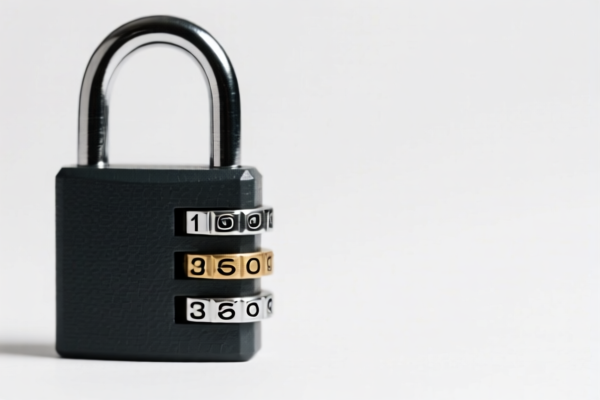
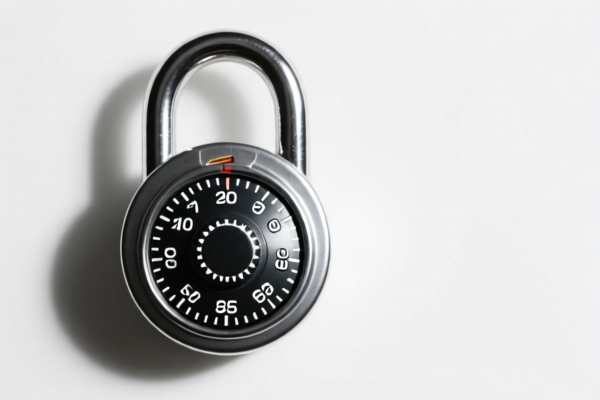
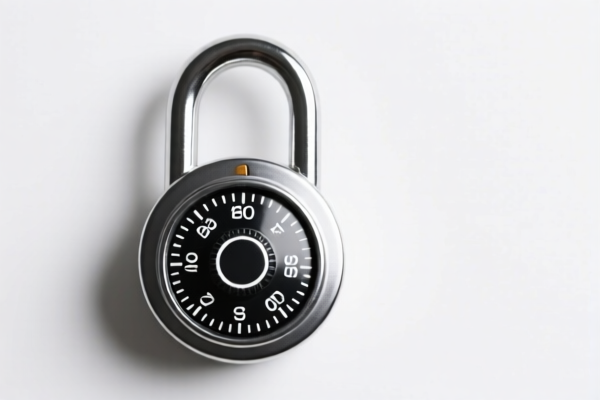
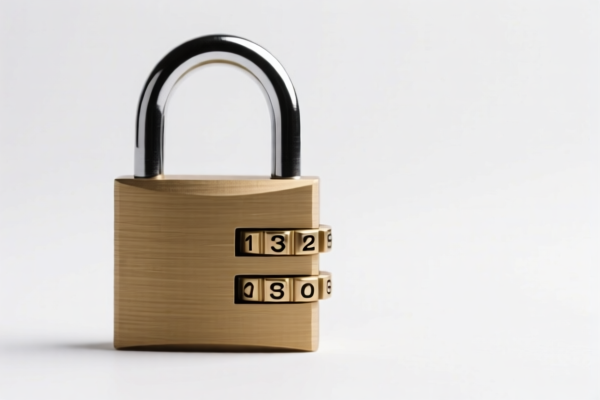
AI分析
🔐 Password Locks (Electronic/Smart Locks)
🌐 HS Code Reference & Customs Clearance Guide | 2026 Latest Tariff Analysis | Professional Clearance Strategy
📌 I. Product Definition and Classification: Do You Really Understand "Password Locks"?
A password lock (often categorized under smart locks, electronic locks, or keyless entry systems) is a security device that grants access via a unique code, biometric scan, or digital key, rather than a traditional physical key. In international trade, classification depends heavily on material composition, functionality, and installation context (building vs. furniture).
⚠️ Key Classification Distinctions:
- Built-in Building Hardware: Installed on doors/walls as structural components → Often classified under 8302 (Base Metal Fittings) or 8301 (Locks).
- Furniture-Specific Locks: Designed primarily for cabinets, drawers, or safes → Classified under 8301 (Locks).
- Raw Metal Components: If the product is essentially a machined steel part without complex electronic integration or specific locking function → May fall under 7326 (Other Articles of Iron/Steel).
📦 II. HS Code Classification Details (2026 Latest Tariff Authority Reference)
| HS Code | Product Description | Application Scenario | Material & Function |
|---|---|---|---|
8302.41.90.45 |
Base Metal Fittings for Building Use | Installed on doors, windows, or architectural structures | Base metal; structural fitting character |
8301.40.60.30 |
Electronic Locks (Non-Key) | Smart doors, keyless entry systems | Base metal; specific electronic locking function |
8301.30.00.90 |
Locks for Furniture or Banknote Boxes | Cabinet locks, safe locks, drawer locks | Base metal; specific locking mechanism |
7326.90.86.88 |
Other Articles of Iron or Steel | General metal parts, non-specific hardware | Iron/Steel; generic manufactured article |
7326.90.86.76 |
Parts and Articles of Iron/Steel | Sub-components or generic metal accessories | Iron/Steel; part of a larger mechanism |
🔍 Critical Reminder:
- If the lock is integrated into a door frame or serves as architectural hardware,8302.41.90.45is often appropriate.
- If it is a standalone electronic lock unit with a keypad/biometric sensor,8301.40.60.30or8301.30.00.90is more precise.
- Avoid7326unless the item is a raw metal part without specific locking function; misclassification here leads to extremely high penalties due to "Steel/Aluminum/Copper" surcharges.
💰 III. 2026 Latest Tariff Rate Breakdown (Including Surcharges & Policy Add-ons)
✅ Applicable Country: United States (US)
✅ Origin: China (CN)
✅ Effective Time: 2025–2026 (Current Trade Environment)
🎯 1. 8302.41.90.45 —— Base Metal Fittings for Building Use
| Item | Content |
|---|---|
| Base Duty Rate | 3.5% |
| Section 301 Surcharge | +25.0% |
| Section 122 Surcharge | +10.0% |
| Total Effective Rate | 38.5% |
| Tax Calculation | CIF Value × 38.5% |
| De Minimis Eligibility | ❌ Not Eligible (High risk of seizure under current enforcement) |
| Legal Basis Path | USITC:8302.41.90.45 → Section 301: Footnote 9903.88.01 → Section 122: IEEPA |
📌 Explanation:
- This classification benefits from a lower base duty (3.5%) compared to general metal articles.
- However, the 25% Section 301 and 10% Section 122 still apply, totaling 38.5%.
- This is one of the more favorable classifications for password locks if they are considered "building fittings."
🎯 2. 8301.40.60.30 & 8301.30.00.90 —— Specific Locks (Electronic/Furniture)
| Item | Content |
|---|---|
| Base Duty Rate | 5.7% |
| Section 301 Surcharge | +7.5% (Reduced rate for certain HTS codes) |
| Section 122 Surcharge | +10.0% |
| Total Effective Rate | 23.2% |
| Tax Calculation | CIF Value × 23.2% |
| De Minimis Eligibility | ❌ Not Eligible |
| Legal Basis Path | USITC:8301.40.60.30 → Section 301: Exclusion List → Section 122: IEEPA |
📌 Explanation:
- Most Recommended Classification: If your password lock is a distinct electronic device, this code offers the lowest total tax burden (23.2%).
- The Section 301 rate is only 7.5% for these specific lock codes, a significant saving compared to the 25% general rate.
- Key Requirement: Must clearly demonstrate that the product is a "Lock" (8301) rather than a "Fitting" (8302) or "General Metal Article" (7326).
🎯 3. 7326.90.86.88 & 7326.90.86.76 —— Other Articles of Iron/Steel
| Item | Content |
|---|---|
| Base Duty Rate | 2.9% |
| Section 301 Surcharge | +25.0% |
| Section 122 Surcharge | +10.0% |
| Steel/Aluminum/Copper Surcharge | +50.0% (Critical Penalty) |
| Total Effective Rate | 87.9% |
| Tax Calculation | CIF Value × 87.9% |
| De Minimis Eligibility | ❌ Not Eligible |
| Legal Basis Path | USITC:7326.90.86.88 → Section 301 → Section 232 (Steel/Aluminum) → Section 122 |
📌 Explanation:
- DANGER ZONE: This classification incurs a massive 50% surcharge under Section 232 for steel/aluminum products.
- Never use this code for a finished password lock unless it is a raw, unassembled metal part with no locking function.
- Misclassifying a smart lock as a "generic steel article" can result in audit flags, back taxes, and penalties.
🛠️ IV. Customs Clearance Practical Advice (Battle-Tested Pitfall Guide)
✅ 1. Preparation Checklist (Non-Negotiable)
| Document | Required? | Description |
|---|---|---|
| ✅ Product Specification Sheet | ✔️ | Must detail voltage, battery type, connectivity (Wi-Fi/Bluetooth), and locking mechanism. |
| ✅ Technical Diagram | ✔️ | Shows internal components to prove it is an "Electronic Lock" (8301) vs. "Metal Fitting" (8302). |
| ✅ Product Photos (Clear) | ✔️ | Must show keypad/sensor, brand, model number, and input/output ports. |
| ✅ Certifications | ✔️ | FCC (for electronics), UL/ETL (for safety), RoHS (if applicable). |
| ✅ Commercial Invoice | ✔️ | Clearly state: "Electronic Password Lock, Model XYZ, Origin: China." |
| ✅ Packing List | ✔️ | List all accessories (batteries, screws, template) to avoid "missing parts" delays. |
✅ 2. Declaration Strategy (Key Mnemonics)
🔥 “Classify as Lock, Not Metal; Avoid 7326, Save 50%!”
| Scenario | Correct Declaration | Incorrect Practice |
|---|---|---|
| Smart Door Lock (Wi-Fi/BLE) | 8301.40.60.30 (23.2%) |
Misclassified as 7326.90.86.88 → 87.9% |
| Cabinet/Drawer Lock | 8301.30.00.90 (23.2%) |
Misclassified as "Furniture Part" → Unclear, potential audit |
| Architectural Door Hardware | 8302.41.90.45 (38.5%) |
Using 8301 when installed as part of door frame → Potential re-classification |
| Raw Metal Lock Body (No Electronics) | 8302.41.90.45 or 7326 (if part) |
Claiming 8301 without electronic proof → Denied entry |
✅ 3. Special Handling Cases
| Case | Handling Advice |
|---|---|
| OEM/ODM Smart Locks | Provide design specs and user manual. Proves it is a finished "Lock" (8301), not a component. |
| Locks with Batteries | Declare as UN3480/UN3090 if lithium. Requires MSDS and special shipping marks. |
| Integrated Door Handles | If the lock is part of the handle assembly, argue for 8302 (Fitting) but be prepared for 38.5% tax. |
| Pre-Assembly Kits | If sold as a "Kit" (Lock + Strike Plate + Screws), declare as one complete article under the primary function (Lock). Do not split! |
🌍 V. Global Market Comparison (2026 Update)
| Country/Region | Recommended HS Code | Est. Duty | Certifications | Notes |
|---|---|---|---|---|
| 🇺🇸 USA | 8301.40.60.30 |
23.2% | FCC + UL | Best rate for electronics. Avoid 7326. |
| 🇨🇳 China | 8301.40.60.30 |
5–7% | CCC | Low import duty for re-export. |
| 🇪🇺 EU | 8301.40.60.30 |
0–2.5% | CE + GDPR | Data privacy compliance critical for Wi-Fi locks. |
| 🇬🇧 UK | 8301.40.60.30 |
0–2.5% | UKCA | Post-Brexit rules apply. |
| 🇦🇺 Australia | 8301.40.60.30 |
5% | RCM | Standard rates. |
📌 Conclusion:
- The US is the most complex market due to Section 301, 122, and 232 tariffs.
- Classification as8301(Lock) is critical to avoid the 87.9% penalty rate of7326.
- Always prioritize electronic function proof over material description.
📌 VI. Common Errors & Pitfall Avoidance (Blood & Tears Lessons)
❌ Error 1: Declaring an electronic smart lock as "Steel Fitting" (7326)
👉 Consequence: 87.9% tariff + potential Section 232 penalty. Loss of profitability!
❌ Error 2: Splitting a "Lock + Strike Plate + Batteries" shipment
👉 Consequence: Each item taxed separately. Strike plate might be 8302 (38.5%), Batteries 8507 (varies). Total cost skyrockets.
❌ Error 3: Omitting "Electronic" in product description
👉 Consequence: Customs may reclassify to 7326 (Metal Article) due to lack of evidence for 8301 (Lock). Audit risk.
❌ Error 4: Using "Password Lock" without HS Code precision
👉 Consequence: Vague descriptions lead to manual examination, delays, and storage fees.
✅ Correct Practice:
“Electronic Smart Password Lock, Wi-Fi Enabled, Model XYZ, FCC Certified, Includes Battery and Strike Plate, HS Code 8301.40.60.30”
🎯 VII. Conclusion: Precision Classification = Profit Protection
🎯 Remember the Mantra:
🔹 “Don’t call it steel, call it a lock!”
🔹 “8301 saves you 64% vs. 7326!”
🔹 “Electronics prove the function, metal proves nothing!”
📌 Pro Tip:
If you are importing large volumes, apply for a Binding Ruling (Advance Ruling) from CBP.
- Submit product samples and specs.
- Get written confirmation that your smart locks fall under 8301.40.60.30 (23.2%).
- This shields you from future reclassifications and penalties.
📣 Take Action Now:
📞 Hire a licensed customs broker with experience in electronic hardware.
📄 Prepare FCC certificates and technical manuals immediately.
🚀 Declare accurately as8301to save thousands in duties.
✨ Professional clearance starts with precise classification!
💼 Your profit margin depends on the right HS Code!
用户评价
关于 HS 编码归类
协调制度(HS)是由世界海关组织(WCO)制定的国际贸易商品分类标准。全球 200 多个国家采用 HS 系统作为海关关税、贸易统计和进出口监管的基础。
每个 HS 编码遵循以下层级结构:
- 章(2 位)——商品大类(例如:第 84 章:机器和机械设备)
- 品目(4 位)——章内的更具体分类
- 子目(6 位)——国际通用细分,所有 WCO 成员国统一使用
- 本国细分(8-10 位)——各国自行扩展的细分编码,如美国 HTSUS 10 位编码
正确的 HS 编码归类对于顺利通关、准确缴纳关税和遵守贸易法规至关重要。错误归类可能导致海关延误、多缴关税或罚款。
从CN进口到US时,适用的关税税率可能包括:
- 最惠国(MFN)税率——适用于 WTO 成员国的标准关税税率
- 普通税率——适用于无贸易协定国家
- 贸易救济关税——附加关税,如 301 条款(反倾销)、232 条款(国家安全)或反补贴税
本页内容仅供参考。如需正式归类,请咨询当地海关或持牌报关代理。