pepper grinder
CN → US| HS编码 | 关税税率 | 原产国 | 目的国 | 文档 |
|---|---|---|---|---|
| 8205517500 | 38.7% | CN | US | 官方文档 |
| 6911108010 | 38.3% | CN | US | 官方文档 |
| 6911104100 | 16.3% | CN | US | 官方文档 |
| 8205513030 | 38.7% | CN | US | 官方文档 |
| 8210000000 | 38.7% | CN | US | 官方文档 |
商品图片
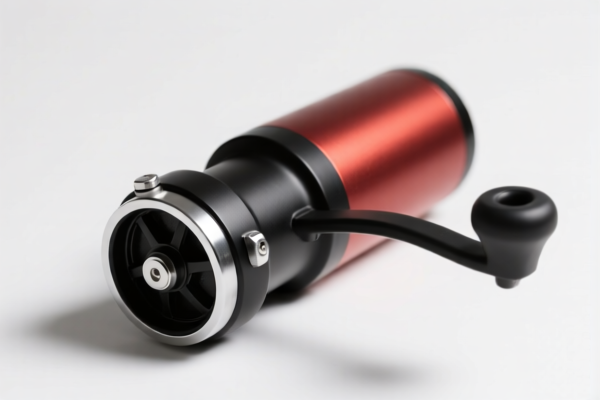
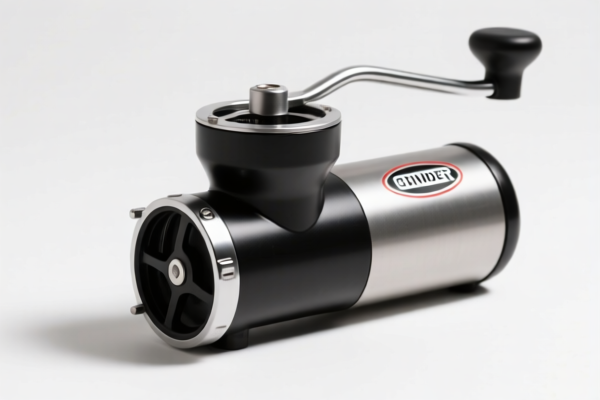
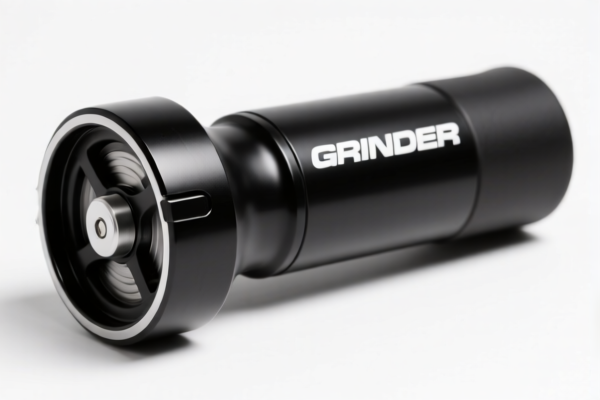

AI分析
🌶️ Pepper Grinder (Pepper Mills & Shakers)
🌐 HS Code Reference & Customs Clearance Guide | 2024 Latest Tariff Analysis | Strategic Compliance Strategy
📌 One, Product Definition: What exactly is a "Pepper Grinder"?
The pepper grinder is a ubiquitous kitchen tool used to crush peppercorns into powder for culinary seasoning. In international trade, classification depends heavily on its material, mechanism, and perceived primary function. Is it a simple ceramic vessel? Or is it a mechanical hand tool with metal grinding parts?
⚠️ Key Distinction for Customs:
- If the grinding mechanism is made of base metal (steel/iron) and considered a "hand tool," it falls under Chapter 82.
- If the body is primarily ceramic, glass, or porcelain and viewed as a "household utensil," it may fall under Chapter 69.
- Note: Misclassification here leads to massive tariff discrepancies (from 16.3% to 38.7%).
📦 Two. HS Code Classification Matrix (Based on Provided Data)
| HS Code | Product Description & Logic | Primary Material/Feature | Estimated Total Tax* |
|---|---|---|---|
8205.51.75.00 |
Hand Tool: Pepper grinder classified as a "hand tool" with grinding function. | Metal grinding mechanism dominates | 38.7% |
8205.51.30.30 |
Hand Tool: Other hand tools for kitchen/table use. | Metal/Wood/Ceramic mix, but classified as tool | 38.7% |
8210.00.00.00 |
Machine/Tool: Manual mechanical appliance for food preparation. | Base metal components/Parts | 38.7% |
6911.10.80.10 |
Household Utensil: Kitchenware, likely ceramic or metal, classified as household vessel. | Ceramic/Metal Household Item | 38.3% |
6911.10.41.00 |
Household Utensil: Tableware/Kitchenware (similar to salt & pepper shakers). | Ceramic/Glass/Metal Tableware | 16.3% |
🔍 Critical Insight:
- The lowest tax rate (16.3%) applies ONLY if the item is strictly classified as tableware/kitchenware (HS6911.10.41.00).
- The highest tax rates (~38.7%) apply if customs views the product primarily as a mechanical hand tool (HS8205or8210) due to the presence of metal grinding burrs.
- HS6911.10.80.10is a middle-ground classification for ceramic/metal household items but still carries high tariffs due to specific subheading rules.
💰 Three. Detailed Tariff Breakdown (US Market Focus)
✅ Applicable Context: Import into the United States from China.
✅ Effective Date: Current regulations (2024/2025 Context).
✅ Components: Base Duty + Section 301 (Added) + Section 122 (Added).
🎯 1. The "Low-Risk" Classification: 6911.10.41.00 (Best Case Scenario)
Use this if the product is marketed primarily as decorative tableware or ceramic shakers.
| Item | Detail |
|---|---|
| Base Duty | 6.3% |
| Section 301 Tariff | 0.0% (Exempt or low level for this specific subheading in some contexts, but verify latest lists) |
| Section 122 Tariff | +10% |
| Total Effective Rate | 16.3% |
| Strategic Value | ✅ Lowest Cost. Ideal for ceramic-based grinders or "shaker-style" dispensers. |
📌 Explanation:
- This classification treats the pepper grinder as tableware (like a salt shaker), not a mechanical tool.
- The absence of the heavy 25% Section 301 tariff makes this the most cost-effective route.
- Requirement: Must demonstrate that the primary identity is a "household vessel" rather than a "mechanical implement."
🎯 2. The "Standard" Household Classification: 6911.10.80.10
Use if the item is complex ceramic/metal hybrid kitchenware.
| Item | Detail |
|---|---|
| Base Duty | 20.8% |
| Section 301 Tariff | +7.5% |
| Section 122 Tariff | +10% |
| Total Effective Rate | 38.3% |
| Strategic Value | ⚠️ High Cost. Higher base duty makes this less competitive than 6911.10.41.00. |
📌 Explanation:
- This subheading captures "other" ceramic household utensils.
- The high base duty (20.8%) significantly impacts margins.
- Often used when the product doesn't fit neatly into standard tableware categories but isn't a "hand tool."
🎯 3. The "Hand Tool" Classifications: 8205.51.75.00, 8205.51.30.30, 8210.00.00.00
Use if the grinder is heavily metal-based or marketed as a "tool" for preparation.
| Item | Detail |
|---|---|
| Base Duty | 3.7% |
| Section 301 Tariff | +25.0% |
| Section 122 Tariff | +10% |
| Total Effective Rate | 38.7% |
| Strategic Value | ❌ Highest Cost. Despite low base duty, the 25% penalty tariff crushes profitability. |
📌 Explanation:
- Section 301 (25%): Applied to most Chinese-made metal goods and tools.
- Why Base Duty is Low (3.7%): Metals/tools often have low base tariffs, but the retaliatory tariff is punitive.
- Risk: If you classify a ceramic grinder as a "metal hand tool" to save on base duty, you will be hit with the 25% penalty, resulting in the highest total tax.
🛠️ Four. Customs Clearance Recommendations (Action Plan)
✅ 1. Strategic Classification Advice
| Goal | Recommended HS Code | Why? |
|---|---|---|
| Minimize Tax | 6911.10.41.00 |
Only 16.3% total tax. Treat as tableware/shaker. |
| Accurate Compliance | 6911.10.80.10 |
If it's complex ceramicware, this is safer than misclassifying as hand tools. |
| Avoid | 8205... or 8210... |
38.7% tax is nearly double the cheapest option. Only use if the product is strictly a metal mechanical tool with no ceramic/tableware aspects. |
✅ 2. Documentation & Declaration Tips
To support the lower-tax classification (6911.10.41.00):
- Product Naming:
- ✅ Good: "Ceramic Pepper Shaker with Grinding Mechanism," "Kitchen Tableware Set: Pepper Dispenser."
- ❌ Bad: "Manual Metal Grinding Tool," "Industrial Spice Grinder."
- Material Emphasis:
- Highlight that the primary material is ceramic, glass, or wood, with metal being a minor internal component.
- Describe the function as "dispensing" rather than "processing" or "manufacturing."
- Usage Context:
- Provide images showing the product on a dining table alongside salt shakers, napkins, and plates.
- Avoid photos showing the grinder being used in a factory or workshop setting.
✅ 3. Common Pitfalls & Mitigation
| Pitfall | Consequence | Solution |
|---|---|---|
| Over-describing as "Metal Tool" | Customs may reclassify to 8205 (38.7% tax). |
Focus description on "Kitchenware" and "Tableware." |
| Ignoring Section 122 | Unexpected 10% charge at border. | Budget for the 10% Section 122 tariff in all scenarios. |
| Mixing Containers | If some units are HS 6911 (16.3%) and others 8205 (38.7%) in one shipment, customs may audit all. |
Separate shipments by HS Code to avoid blanket audits. |
🌍 Five. Global Market Context (2024 Snapshot)
| Market | Recommended HS Code | Approx. Total Tax | Key Requirement |
|---|---|---|---|
| 🇺🇸 USA | 6911.10.41.00 |
16.3% | Strong evidence of "Tableware" intent. |
| 🇺🇸 USA | 8205.51.75.00 |
38.7% | Avoid unless necessary; high penalty. |
| 🇪🇺 EU | Varies (Check NC Code) | 0-4.5% | Usually lower tariffs; focus on CE/FDA food safety compliance. |
| 🇬🇧 UK | Similar to EU | 0-4.5% | Post-Brexit rules apply; check UK Tariff. |
📌 Conclusion for US Importers:
The difference between 16.3% and 38.7% is 22.4%.
On a $10,000 shipment, this is a $2,240 difference.
Action: Ensure your product description and marketing materials align with6911.10.41.00(Tableware/Household Vessel) rather than Hand Tools.
📌 Six. Final Checklist for Smooth Clearance
- [ ] Photos: Include image of grinder on a table setting.
- [ ] Description: Use keywords "Ceramic," "Shaker," "Tableware," "Dispenser."
- [ ] Materials List: Clearly state % of ceramic vs. metal.
- [ ] Intended Use: "For home kitchen seasoning dispensing."
- [ ] Pre-Advice: Consider filing a Binding Ruling Request with US Customs if volume is high, to lock in the
6911classification.
🎯 Pro Tip:
"Don't let metal burrs make you pay a metal tax!"
If your grinder is primarily ceramic, fight for the6911classification. It’s the difference between profit and loss.
📣 Need Help?
Consult a licensed customs broker to review your specific product samples before finalizing the HS Code.
🚀 Smart Classification = Lower Costs = Higher Margins.
✨ Accurate Classification is the First Step to Profitable Trade.
💼 Don't guess. Verify. Save.
用户评价
关于 HS 编码归类
协调制度(HS)是由世界海关组织(WCO)制定的国际贸易商品分类标准。全球 200 多个国家采用 HS 系统作为海关关税、贸易统计和进出口监管的基础。
每个 HS 编码遵循以下层级结构:
- 章(2 位)——商品大类(例如:第 84 章:机器和机械设备)
- 品目(4 位)——章内的更具体分类
- 子目(6 位)——国际通用细分,所有 WCO 成员国统一使用
- 本国细分(8-10 位)——各国自行扩展的细分编码,如美国 HTSUS 10 位编码
正确的 HS 编码归类对于顺利通关、准确缴纳关税和遵守贸易法规至关重要。错误归类可能导致海关延误、多缴关税或罚款。
从CN进口到US时,适用的关税税率可能包括:
- 最惠国(MFN)税率——适用于 WTO 成员国的标准关税税率
- 普通税率——适用于无贸易协定国家
- 贸易救济关税——附加关税,如 301 条款(反倾销)、232 条款(国家安全)或反补贴税
本页内容仅供参考。如需正式归类,请咨询当地海关或持牌报关代理。