pickled sheep hides
CN → US| HS编码 | 关税税率 | 原产国 | 目的国 | 文档 |
|---|---|---|---|---|
| 4113906000 | 36.6% | CN | US | 官方文档 |
| 4106910000 | 38.3% | CN | US | 官方文档 |
| 4101501091 | 17.5% | CN | US | 官方文档 |
| 4113903000 | 38.3% | CN | US | 官方文档 |
| 4101201020 | 17.5% | CN | US | 官方文档 |
商品图片
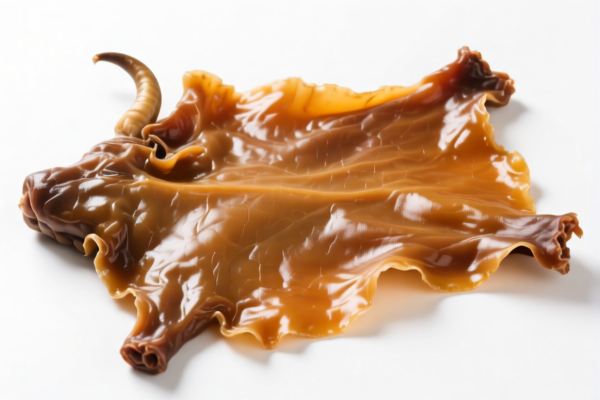
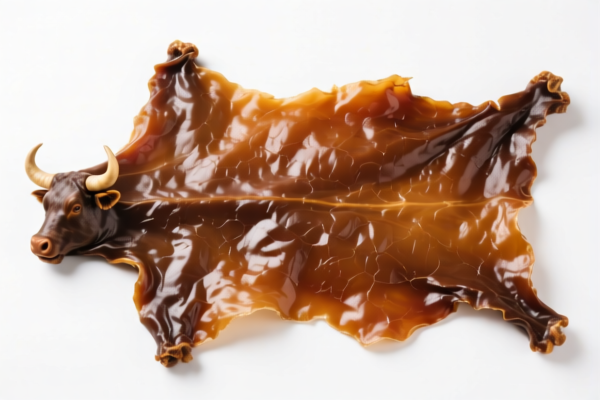
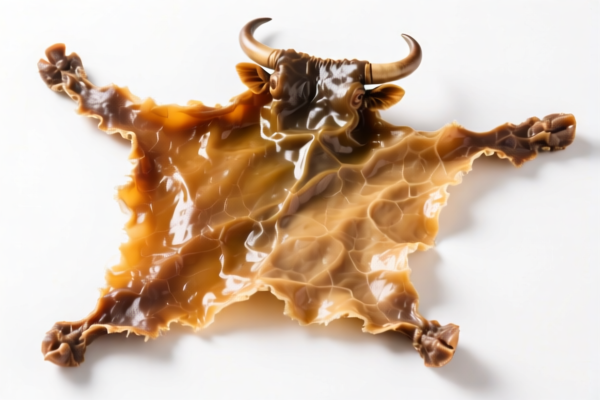
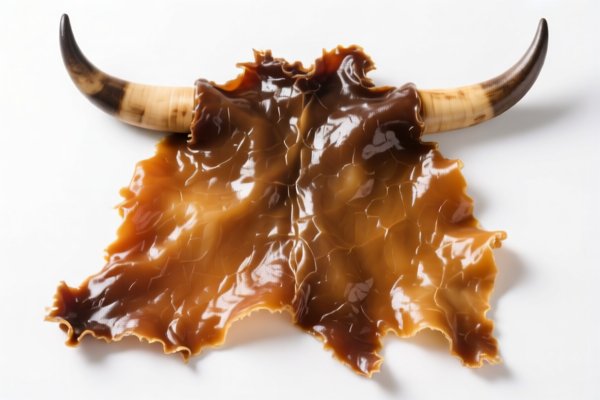
AI分析
🐑 Pickled Sheep Hides (Salted Sheep Skins)
🌐 HS Code Reference & Customs Clearance Guide | 2026 Latest Tariff Analysis | Professional Compliance Strategy
📌 I. Product Definition & Classification: Are You Sure About "Pickled"?
Pickled sheep hides, in international trade, refer to raw sheep skins that have undergone preservation treatment using salt or brine to prevent decomposition prior to tanning. In the context of customs classification, the term "pickled" (腌制) generally indicates a state of preservation or semi-tanning, but it is distinct from fully tanned leather.
International trade categorizes these into two main states based on the degree of processing:
Raw/Preserved Skins (未鞣制/盐渍): These are raw hides simply treated with salt for storage and transport. They have not undergone the chemical stabilization of leather. Semi-Tanned/Partially Tanned Skins (半鞣制/粗鞣): These have undergone initial chemical treatments that partially stabilize the collagen structure, often referred to as "pickled" in broader processing contexts, but still require further finishing to become leather.
⚠️ Key Distinction Point:
- If the hide is raw and only salted for preservation → Classified under Chapter 41, Heading 4101 (Raw Hides & Skins).
- If the hide has undergone initial tanning/pickling beyond simple salting → Classified under Chapter 41, Heading 4106 (Other Preserved Hides/Skins).
- If the hide is fully tanned → Classified under Chapter 41, Heading 4113 (Tanned Leather).
📦 II. HS Code Classification Details (2026 Latest Tariff Authority Comparison)
| HS Code | Product Description | Application Scenario | Processing State |
|---|---|---|---|
4101.50.10.91 |
Raw sheepskins, pickled/salted, classified as mammalian raw hides | Raw material for tanning; simple salt preservation | ✅ Raw/Preserved |
4101.20.10.20 |
Raw sheepskins, pickled/salted (alternative raw classification) | Raw material; defined as "not tanned" but salted for storage | ✅ Raw/Preserved |
4106.91.00.00 |
Other preserved sheepskins, pickled (semi-tanned state) | Semi-tanned or chemically stabilized hides | ✅ Semi-Tanned |
4106.92.00.00 |
Other preserved sheepskins, pickled (alternative semi-tanned) | Semi-tanned or primary form preservation | ✅ Semi-Tanned |
4113.90.30.00 |
Other tanned sheepskin leather, pickled (further processed) | Tanned leather, further processed beyond initial pickling | ✅ Tanned/Finished |
4113.90.60.00 |
Other tanned sheepskin leather, pickled (final processed) | Tanned leather, final form description | ✅ Tanned/Finished |
🔍 Key Reminder:
- "Pickled" is ambiguous: In Chinese customs practice, "腌制" (pickled) can refer to both simple salting (raw state) and acid/salt pickling (pre-tanning state). This drastically changes the HS code. - Raw vs. Tanned: If the hide is still flexible and has not been chemically fixed, it is likely 4101. If it has undergone acid/salt pickling to prepare for tanning, it may fall under 4106. Fully finished leather goes to 4113. - Misclassification Risk: Declaring semi-tanned hides as raw hides (or vice versa) can lead to significant tariff differences and customs delays.
💰 III. 2026 Latest Tariff Rate Breakdown (Including Additional Duties & Policy Add-ons)
✅ Applicable Country: United States (US)
✅ Country of Origin: China (CN)
✅ Effective Date: November 10, 2025 (and subsequent imports)
🎯 1. 4101.50.10.91 & 4101.20.10.20 — Raw/Preserved Sheepskins
| Item | Content |
|---|---|
| Base Duty Rate | 0.0% (ad valorem) |
| USITC Additional Duty | +7.5% (Section 301 / Specific Footnotes) |
| IEEPA Additional Duty | +10% (Targeted China/HK products, effective Nov 10, 2025) |
| Total Duty Rate | 17.5% |
| Tax Calculation | CIF Value × 17.5% |
| De Minimis Exemption Eligibility | ❌ No (deny_de_minimis applies) |
| Legal Basis Path | IEEPA:9903.01.25 → IEEPA:9903.01.24 → USITC:4101.50.10.91 → FOOTNOTE:9903.01.25 |
📌 Explanation:
- "Base Rate 0%": Raw hides typically have low base tariffs.
- "USITC +7.5%": This specific rate applies to certain raw hides under Section 301 investigations.
- "IEEPA +10%": The new 10% surcharge on Chinese-origin goods under the International Emergency Economic Powers Act.
- Total 17.5%: This is a moderate tariff compared to finished leather, but still significant due to the 10% IEEPA add-on.
🎯 2. 4106.91.00.00 & 4106.92.00.00 — Semi-Tanned/Preserved Sheepskins
| Item | Content |
|---|---|
| Base Duty Rate | 3.3% (ad valorem) |
| USITC Additional Duty | +25.0% (Section 301) |
| IEEPA Additional Duty | +10.0% (Targeted China/HK products) |
| Total Duty Rate | 38.3% |
| Tax Calculation | CIF Value × 38.3% |
| De Minimis Exemption Eligibility | ❌ No (deny_de_minimis applies) |
| Legal Basis Path | IEEPA:9903.01.25 → IEEPA:9903.01.24 → USITC:4106.91.00.00 → FOOTNOTE:9903.88.01 |
📌 Note:
- "Base Rate 3.3%": Semi-tanned hides incur a higher base duty than raw hides.
- "USITC +25%": The standard 25% Section 301 tariff applies to processed leather products.
- "IEEPA +10%": The additional 10% surcharge.
- Total 38.3%: This is a high tariff, reflecting the processed nature of the goods.
🎯 3. 4113.90.30.00 & 4113.90.60.00 — Tanned Sheepskin Leather
| Item | Content |
|---|---|
| Base Duty Rate | 3.3% (ad valorem) |
| USITC Additional Duty | +25.0% (Section 301) |
| IEEPA Additional Duty | +10.0% (Targeted China/HK products) |
| Total Duty Rate | 38.3% |
| Tax Calculation | CIF Value × 38.3% |
| De Minimis Exemption Eligibility | ❌ No (deny_de_minimis applies) |
| Legal Basis Path | IEEPA:9903.01.25 → IEEPA:9903.01.24 → USITC:4113.90.30.00 → FOOTNOTE:9903.88.01 |
📌 Explanation:
- "Base Rate 3.3%": Finished leather has a base duty similar to semi-tanned hides.
- "USITC +25%": The standard 25% Section 301 tariff applies.
- "IEEPA +10%": The additional 10% surcharge.
- Total 38.3%: This is a high tariff, identical to semi-tanned hides due to the same additional duty structures.
🛠️ IV. Customs Clearance Practical Advice (Avoid Pitfalls)
✅ 1. Documentation Checklist (Essential)
| Document | Required | Description |
|---|---|---|
| ✅ Product Specification Sheet | ✔️ | Must specify: "Sheepskin," "Pickled/Salted," and processing stage (Raw vs. Semi-Tanned). |
| ✅ Chemical Process Description | ✔️ | Detail the pickling process: Is it simple salt (NaCl) or acid/salt pre-tanning? |
| ✅ Photos (Clear & Labeled) | ✔️ | Show texture, flexibility, and any labeling. Raw hides look stiff/waxy; semi-tanned look pliable. |
| ✅ Commercial Invoice | ✔️ | Must clearly state "Pickled Sheepskins" and the exact HS Code. Avoid vague terms like "Leather Material." |
| ✅ Packing List | ✔️ | Detail weight, dimensions, and packaging material (cartons, pallets). |
| ✅ Certificate of Origin (CO) | ✔️ | If applicable for origin preference, but note US tariffs apply to CN origin. |
✅ 2. Declaration Strategy (Key Mnemonics)
🔥 "Raw is Salted, Semi is Acid, Tanned is Finish. Don't Mix!"
| Scenario | Correct HS Code | Incorrect Declaration | Consequence |
|---|---|---|---|
| Simple Salt Preserved | 4101.50.10.91 / 4101.20.10.20 |
Declared as "Leather" | ❌ Under-declared value/duty → Penalty |
| Acid/Salt Pickled (Pre-Tanning) | 4106.91.00.00 / 4106.92.00.00 |
Declared as "Raw Hides" | ❌ Over-declared duty? No, usually under-declared if base rate differs. Risk of misclassification. |
| Fully Tanned Leather | 4113.90.30.00 / 4113.90.60.00 |
Declared as "Raw" | ❌ Major under-declaration → Heavy fines |
| Unknown Process | ❌ Do Not Ship Yet | "Leather Hides" | ❌ Customs Examination → Delays & Costs |
✅ 3. Special Handling Cases
| Case | Handling Advice |
|---|---|
| Mixed Batches | If a shipment contains both raw and semi-tanned hides, separate them. Mixed declarations are a red flag. |
| OEM Custom Pickling | Provide the buyer’s specification sheet showing the exact pickling formula to justify the HS code. |
| Small Quantity (De Minimis) | ❌ Not Eligible. All leather products from China are subject to full duty assessment. No $800 de minimis exemption. |
| Origin Misdeclaration | Do not claim origin as "Vietnam" or "Turkey" if processed in China. This is fraud. |
🌍 V. Global Market Clearance Comparison (2026 Latest)
| Country/Region | Recommended HS Code | Tariff (China Origin) | Certification | Notes |
|---|---|---|---|---|
| 🇺🇸 USA | 4101.50.10.91 (Raw) |
17.5% | No specific | High additional duties apply. |
| 🇺🇸 USA | 4106.91.00.00 (Semi) |
38.3% | No specific | Highest cost category. |
| 🇨🇳 China | 4101.50.10.91 |
Low | None | Exporting to China? Check local rules. |
| 🇪🇺 EU | 4101 / 4106 |
Varies | REACH (Chemicals) | EU has strict chemical restrictions (REACH). |
| 🇬🇧 UK | 4101 / 4106 |
Varies | UK REACH | Post-Brexit rules apply. |
| 🇯🇵 Japan | 4101 / 4106 |
Low | None | Generally lower tariffs. |
📌 Conclusion:
- USA is the most expensive market due to Section 301 and IEEPA tariffs.
- EU/UK have strict chemical regulations (REACH) on pickling agents (chromium, aldehydes, etc.). Ensure compliance.
- Raw hides (17.5%) are significantly cheaper to import into the US than semi-tanned/tanned (38.3%).
📌 VI. Common Errors & Pitfalls (Blood & Tears Lessons)
❌ Error 1: Calling "Pickled Hides" "Leather"
👉 Consequence: If it's raw/semi-tanned, it's not leather. Misclassification → Audit & Fines.
❌ Error 2: Assuming "Pickled" means "Raw"
👉 Consequence: If it's acid-pickled (semi-tanned), declaring as raw hides (4101) may be challenged. If the chemical content shows tanning agents, Customs will reclassify to 4106 or 4113 → Back Taxes + Penalties.
❌ Error 3: Ignoring IEEPA 10% Surcharge
👉 Consequence: Many importers still calculate only 25% (Section 301). Forgetting the extra 10% leads to underpayment → CBSA/Customs Demand.
❌ Error 4: Using "De Minimis" for Small Shipments
👉 Consequence: Leather from China is never exempt from de minimis. Attempting to use it results in seizure or delay.
✅ Correct Approach:
"Sheepskins, Pickled, Salted, Not Tanned, for Further Processing, HS 4101.50.10.91"
OR
"Sheepskins, Partially Tanned/Pickled, HS 4106.91.00.00"
🎯 VII. Conclusion: Professional Declaration, Save Time, Reduce Cost!
🎯 Remember the Mnemonic:
🔹 "Raw is Salted, Semi is Acid, Tanned is Finish. 17.5%, 38.3%, 38.3%."
🔹 "HS Code is Life, Tariff Difference is Huge. Declare Correctly, Avoid Penalties!"
📌 Tips:
- If your sheepskins are pickled with non-chromium agents (e.g., vegetable tanning precursors), ensure documentation reflects this for EU/UK REACH compliance.
- Consider Advance Ruling from US Customs if the pickling process is ambiguous.
- Do not split shipments to avoid detection of mixed classifications.
📣 Immediate Action:
📞 Contact a Professional Customs Broker + Provide Product Photos + Verify Pickling Process
🚀 Ensure Your Sheepskins Clear Customs Smoothly, Avoid Delays, and Maximize Profit!
✨ Professional Clearance Starts with Accurate Classification!
💼 Every Dollar of Cost Deserves Precise Calculation!
用户评价
关于 HS 编码归类
协调制度(HS)是由世界海关组织(WCO)制定的国际贸易商品分类标准。全球 200 多个国家采用 HS 系统作为海关关税、贸易统计和进出口监管的基础。
每个 HS 编码遵循以下层级结构:
- 章(2 位)——商品大类(例如:第 84 章:机器和机械设备)
- 品目(4 位)——章内的更具体分类
- 子目(6 位)——国际通用细分,所有 WCO 成员国统一使用
- 本国细分(8-10 位)——各国自行扩展的细分编码,如美国 HTSUS 10 位编码
正确的 HS 编码归类对于顺利通关、准确缴纳关税和遵守贸易法规至关重要。错误归类可能导致海关延误、多缴关税或罚款。
从CN进口到US时,适用的关税税率可能包括:
- 最惠国(MFN)税率——适用于 WTO 成员国的标准关税税率
- 普通税率——适用于无贸易协定国家
- 贸易救济关税——附加关税,如 301 条款(反倾销)、232 条款(国家安全)或反补贴税
本页内容仅供参考。如需正式归类,请咨询当地海关或持牌报关代理。