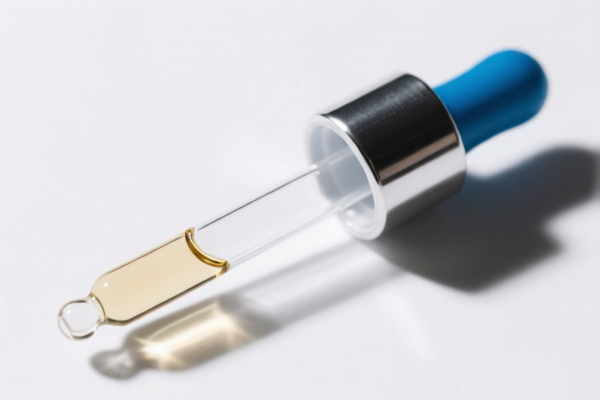
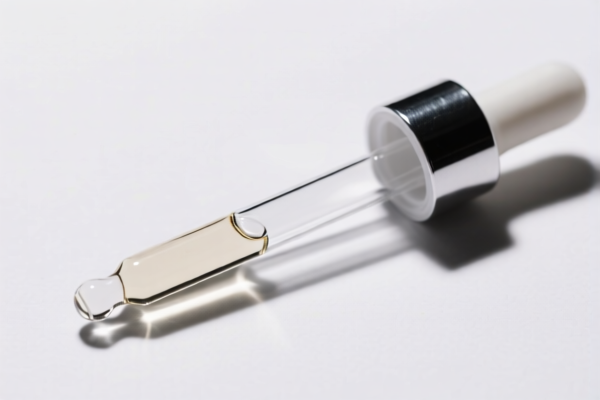
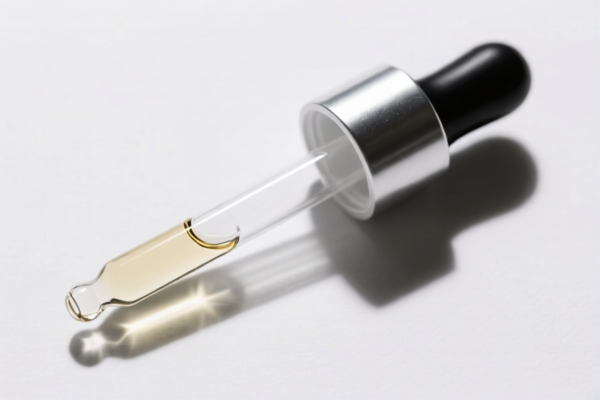
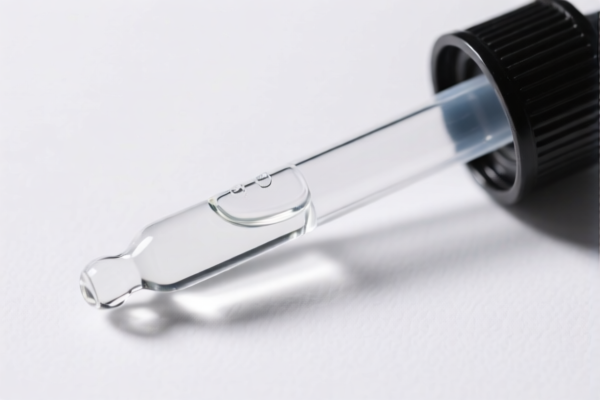
pipette plug
CN → US| HS编码 | 关税税率 | 原产国 | 目的国 | 文档 |
|---|---|---|---|---|
| 7017200000 | 41.7% | CN | US | 官方文档 |
| 3926909989 | 22.8% | CN | US | 官方文档 |
| 7017905000 | 41.7% | CN | US | 官方文档 |
| 3926909910 | 22.8% | CN | US | 官方文档 |
| 3917290090 | 38.1% | CN | US | 官方文档 |
商品图片
AI分析
💧 Pipette Plugs (Pipette Tips / Plugged Pipettes)
🌐 HS Code Reference & Customs Clearance Guide | 2026 Latest Tariff Analysis | Professional Entry Strategy
📌 I. Product Definition & Classification: Do You Really Understand "Pipette Plugs"?
Pipette plugs (often referring to plugged pipette tips or pipettes with integrated filters/plugs) are critical consumables or instruments in laboratory settings, used for precise liquid handling in chemistry, biology, and medical diagnostics. In international trade, their classification depends heavily on two factors: Material (Glass vs. Plastic) and Functionality (Laboratory Instrument vs. General Plastic Article).
Key Distinction Logic:
- Glass Pipettes: If made of glass and used for precise volumetric measurement in labs → Classified under Chapter 70 (Glassware).
- Plastic Pipettes/Tips: If made of plastic (PP, PS, PE) and used as disposable consumables or lab utensils → Classified under Chapter 39 (Plastics Articles).
⚠️ Critical Note:
- If the product is a reusable glass pipette with precision calibration →7017.20.00.00or7017.90.50.00.
- If the product is a disposable plastic pipette tip or plastic pipette body →3926.90.99.89or3926.90.99.10.
- If it is a rigid plastic tube (less common for standard pipettes but possible for specific designs) →3917.29.00.90.
📦 II. HS Code Classification Details (2026 Latest Tariff Authority)
| HS Code | Product Description | Application Scenario | Material | Tax Rate |
|---|---|---|---|---|
7017.20.00.00 |
Laboratory glassware for pipettes, made of silicate glass | Reusable glass pipettes, volumetric pipettes | Glass | 41.7% |
7017.90.50.00 |
Other laboratory glassware for pipettes | Glass pipettes (non-specific subheading) | Glass | 41.7% |
3926.90.99.89 |
Other articles of plastics: Other | Disposable plastic pipette tips, plastic lab utensils | Plastic | 22.8% |
3926.90.99.10 |
Other articles of plastics: Laboratory articles | Plastic pipettes used for laboratory measuring | Plastic | 22.8% |
3917.29.00.90 |
Rigid tubes, pipes, and hoses of plastics | Plastic pipettes classified as rigid tubes | Plastic | 38.1% |
🔍 Key Reminder:
- Glass items face significantly higher tariffs (41.7%) due to base + additional duties.
- Plastic items generally face lower tariffs (22.8% or 38.1%), but classification must be precise.
- "Pipette Plug" often implies a plastic tip for a pipette gun. If so,3926.90.99.89is the most common classification for disposable tips.
💰 III. 2026 Latest Tariff Rate Breakdown (Including Additional Duties)
✅ Applicable Country: United States (US)
✅ Origin: China (CN)
✅ Effective Date: November 10, 2025 (and subsequent imports)
🎯 1. 7017.20.00.00 & 7017.90.50.00 — Laboratory Glass Pipettes
| Item | Content |
|---|---|
| Base Tariff | 6.7% (Ad Valorem) |
| Section 301 Tariff | +25.0% (Additional Duty for Chinese Origin) |
| Section 122 Tariff | +10.0% (Specific Additional Duty) |
| Total Tariff | 41.7% |
| Calculation | CIF Value × 41.7% |
| De Minimis Exemption | ❌ Not Eligible |
| Legal Path | Base Rate (6.7%) + Section 301 (25%) + Section 122 (10%) |
📌 Explanation:
- Glass laboratory equipment from China is subject to heavy cumulative duties.
- The 25% Section 301 tariff is standard for many Chinese industrial/lab goods.
- The 10% Section 122 tariff adds further cost, making glass pipettes expensive to import.
🎯 2. 3926.90.99.89 & 3926.90.99.10 — Plastic Pipettes / Tips (Lab Articles)
| Item | Content |
|---|---|
| Base Tariff | 5.3% (Ad Valorem) |
| Section 301 Tariff | +7.5% (Reduced Additional Duty for Some Plastic Articles) |
| Section 122 Tariff | +10.0% (Specific Additional Duty) |
| Total Tariff | 22.8% |
| Calculation | CIF Value × 22.8% |
| De Minimis Exemption | ❌ Not Eligible |
| Legal Path | Base Rate (5.3%) + Section 301 (7.5%) + Section 122 (10%) |
📌 Explanation:
- Plastic lab consumables benefit from a lower Section 301 rate (7.5%) compared to glass (25%).
- However, the 10% Section 122 still applies, keeping the total at 22.8%.
- This is significantly cheaper than glass alternatives.
🎯 3. 3917.29.00.90 — Plastic Pipettes (Rigid Tubes)
| Item | Content |
|---|---|
| Base Tariff | 3.1% (Ad Valorem) |
| Section 301 Tariff | +25.0% (Standard Additional Duty) |
| Section 122 Tariff | +10.0% (Specific Additional Duty) |
| Total Tariff | 38.1% |
| Calculation | CIF Value × 38.1% |
| De Minimis Exemption | ❌ Not Eligible |
| Legal Path | Base Rate (3.1%) + Section 301 (25%) + Section 122 (10%) |
📌 Explanation:
- If classified as "rigid tubes" rather than "lab articles," the Section 301 rate jumps to 25%.
- This is much more expensive than the "lab articles" classification (22.8%).
- Avoid this classification if your product is clearly a laboratory utensil.
🛠️ IV. Customs Clearance Practical Advice (Pitfall Avoidance Guide)
✅ 1. Document Checklist (Mandatory)
| Document | Required | Notes |
|---|---|---|
| ✅ Product Specification Sheet | ✔️ | Must specify: Material (Glass/Plastic), Volume, Reusable/Disposable, Lab-use |
| ✅ Product Photos | ✔️ | Clear images showing brand, model, and any "Lab Use" labeling |
| ✅ Commercial Invoice | ✔️ | Must describe as "Laboratory Pipette" or "Pipette Tips" not generic "Plastic Tube" |
| ✅ Packaging List | ✔️ | Show quantity per box, net/gross weight |
| ✅ Certificate of Origin | ✔️ | For potential preferential treatment (if applicable) |
| ✅ FCC/CE/RoHS Reports | ✔️ | If electronic components (e.g., electronic pipettes) are involved |
✅ 2. Declaration Tips (Key Strategy)
🔥 Mnemonic:
"Glass is Expensive (41.7%), Plastic is Cheaper (22.8%), Don't Call it a Tube (38.1%)!"
| Scenario | Correct Declaration | Incorrect Action |
|---|---|---|
| Disposable Plastic Tips | 3926.90.99.89 (Other Plastic Articles) |
Declaring as 3917.29.00.90 (Tube) → +15.3% extra tax |
| Reusable Glass Pipettes | 7017.20.00.00 |
Declaring as plastic → Customs seizure & fines |
| Plastic Lab Pipettes | 3926.90.99.10 (Lab Articles) |
Declaring as generic plastic → Risk of reclassification |
| Pipette Gun (Device) | Likely 9027.80.00.00 (Not in data, but check) |
Do not mix device with consumables in one HS if different |
✅ 3. Special Cases
| Case | Recommendation |
|---|---|
| Mixed Container | Separate glass and plastic items in the declaration. Do not lump them under one HS code. |
| Plastic Tips with Filter | Still classified under 3926.90.99.89 if primarily plastic lab consumable. |
| Bulk vs. Retail | Bulk packaging does not change HS code. Focus on product nature, not packaging size. |
| Electronic Pipettes | If it has a motor/display, it may fall under 9027.80.00.00 (Instruments). Check if this data applies. |
🌍 V. Global Market Comparison (2026 Latest)
| Country/Region | Recommended HS Code | Tariff (China Origin) | Certification Required | Notes |
|---|---|---|---|---|
| 🇺🇸 USA | 3926.90.99.89 |
22.8% | FDA/CE/RoHS | Highest complexity due to Section 122 & 301 |
| 🇨🇳 China | 3926.90.99.89 |
5% | CCC (if applicable) | No additional tariffs |
| 🇪🇺 EU | 3926.90.99 |
~6% | CE/REACH | No Section 301/122 equivalents |
| 🇬🇧 UK | 3926.90.99 |
~6% | UKCA | Post-Brexit rules apply |
| 🇯🇵 Japan | 3926.90.99 |
~3-6% | PSE (if electronic) | Low tariffs, strict quality standards |
📌 Conclusion:
- USA is the most expensive market due to layered tariffs (Base + 301 + 122).
- Plastic pipettes are far more cost-effective to export to the US than glass.
- Always aim for3926.90.99.xxclassification for plastic lab items to minimize tax.
📌 VI. Common Errors & Pitfalls (Lessons Learned)
❌ Error 1: Classifying plastic pipette tips as "Rigid Tubes" (3917.29.00.90)
👉 Consequence: Tax jumps from 22.8% to 38.1% → Loss of 15.3% margin!
❌ Error 2: Declaring glass pipettes as plastic
👉 Consequence: Customs inspection reveals glass → Seizure, fines, and back taxes (41.7% vs 22.8%).
❌ Error 3: Using vague terms like "Plastic Tube"
👉 Consequence: Customs reclassifies to worst-case scenario → Delays and additional duties.
❌ Error 4: Ignoring Section 122 Tariff
👉 Consequence: Underpayment → Penalties and interest.
✅ Correct Practice:
"Laboratory Plastic Pipette Tips, Disposable, Polypropylene, Sterile, 1000pcs/Box, Model XYZ"
🎯 VII. Conclusion: Precise Classification Saves Money!
🎯 Remember:
🔹 "Glass is 41.7%, Plastic is 22.8%, Tubes are 38.1%!"
🔹 "Use 'Lab Article' for plastics, not 'Tube', to save 15%!"
🔹 "Always declare material and function clearly!"
📌 Pro Tip:
- If you export plastic pipette tips, ensure your supplier provides a Material Declaration stating "Polypropylene (PP) for Laboratory Use" to support the 3926.90.99 classification.
- Consider Advance Ruling from US CBP if you are importing large volumes to lock in the correct HS code.
📣 Immediate Action:
📞 Consult a licensed customs broker.
📄 Prepare detailed product specs (Material, Volume, Usage).
🚀 Optimize your supply chain to minimize tariff impact!
✨ Professional Clearance Starts with Accurate Classification!
💼 Every percentage point saved is profit earned!
用户评价
关于 HS 编码归类
协调制度(HS)是由世界海关组织(WCO)制定的国际贸易商品分类标准。全球 200 多个国家采用 HS 系统作为海关关税、贸易统计和进出口监管的基础。
每个 HS 编码遵循以下层级结构:
- 章(2 位)——商品大类(例如:第 84 章:机器和机械设备)
- 品目(4 位)——章内的更具体分类
- 子目(6 位)——国际通用细分,所有 WCO 成员国统一使用
- 本国细分(8-10 位)——各国自行扩展的细分编码,如美国 HTSUS 10 位编码
正确的 HS 编码归类对于顺利通关、准确缴纳关税和遵守贸易法规至关重要。错误归类可能导致海关延误、多缴关税或罚款。
从CN进口到US时,适用的关税税率可能包括:
- 最惠国(MFN)税率——适用于 WTO 成员国的标准关税税率
- 普通税率——适用于无贸易协定国家
- 贸易救济关税——附加关税,如 301 条款(反倾销)、232 条款(国家安全)或反补贴税
本页内容仅供参考。如需正式归类,请咨询当地海关或持牌报关代理。