plastic corner protector
CN → US| HS编码 | 关税税率 | 原产国 | 目的国 | 文档 |
|---|---|---|---|---|
| 3923109000 | 38.0% | CN | US | 官方文档 |
| 3926305000 | 22.8% | CN | US | 官方文档 |
| 3926901000 | 20.9% | CN | US | 官方文档 |
| 3923900080 | 38.0% | CN | US | 官方文档 |
| 3921190090 | 41.5% | CN | US | 官方文档 |
商品图片
AI分析
🛡️ Plastic Corner Protector | 📦 Packaging & Protection Accessories
🌐 HS Code Reference & Customs Clearance Guide | 2026 Latest Tariff Analysis | Professional通关 Strategy
📌 Part 1: Product Definition & Classification: What Exactly Is a "Plastic Corner Protector"?
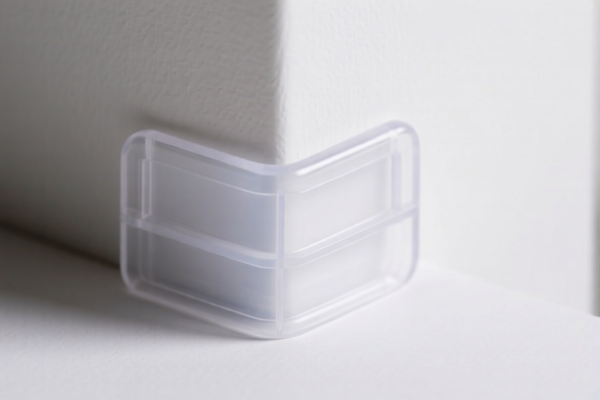
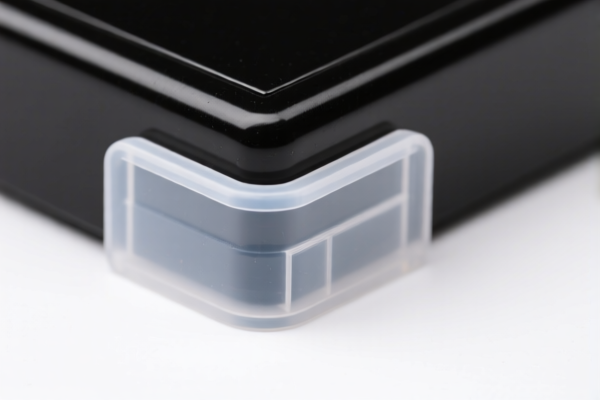
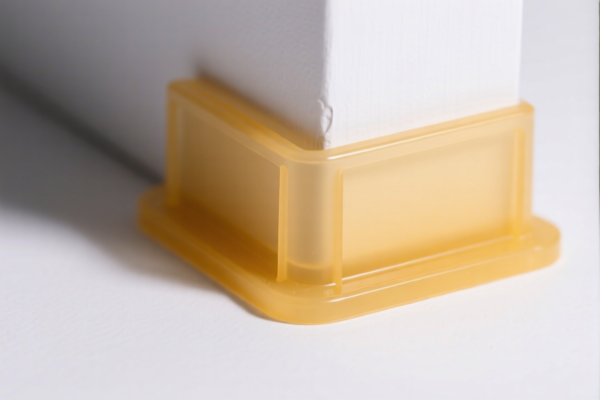
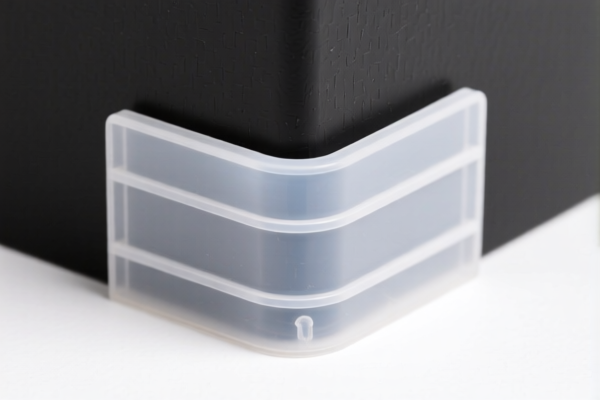
Plastic corner protectors are rigid or semi-rigid L-shaped components made primarily from polyethylene (PE), polypropylene (PP), or PVC. They are designed to reinforce and protect the corners of cardboard boxes, pallets, furniture, and other goods during shipping, storage, and handling.
In international trade, their classification hinges on function and structure: 1. Packaging Accessories: If primarily used to reinforce packaging integrity (e.g., protecting cardboard edges during transit). 2. Plastic Parts/Components: If viewed as industrial plastic components for protection or connection. 3. Plastic Sheets/Plates: If the product is essentially a flat sheet bent into an L-shape, potentially falling under generic plastic articles.
⚠️ Key Distinction:
- If the product is specifically shaped for packaging reinforcement → Often classified under 3923 (Articles for the conveyance or packing of goods).
- If the product is a generic plastic molded part → May fall under 3926 (Other articles of plastic).
- If the product is simply a bent plastic sheet/plate → May fall under 3921 (Plates, sheets, film, foil, and strip).
📦 Part 2: HS Code Classification Details (2026 Latest Tariff Mapping)
Based on the provided data, here are the five most relevant HS Codes for Plastic Corner Protectors, along with their logical justifications and tax implications.
| HS Code | Summary / Description | Logical Justification for Classification |
|---|---|---|
3923.10.90.00 |
Plastic articles for the conveyance or packing of goods | Primary Fit: Corner protectors are directly used to protect packaging. This code covers "packaging protective articles" (包装防护用品). The logic is that they are essential accessories to the primary packaging (box/pallet). |
3926.30.50.00 |
Plastic fittings and connectors | Secondary Fit: Viewed as a "connection or protection part" (连接、保护类零件). If the corner protector is used to join two surfaces or provide structural reinforcement beyond simple packaging, this "other plastic fittings" logic applies. |
3926.90.10.00 |
Other plastic articles | Tertiary Fit: Treated as a "component/accessory" (零部件/配件) not specifically categorized elsewhere. This is a "catch-all" for plastic parts that don’t fit neatly into specific machinery or consumer goods categories. |
3923.90.00.80 |
Other plastic articles for packing/conveyance | Alternative Packaging Fit: Specifically covers "sealing/protection parts" (密封/保护件) within the packaging category. If the corner protector is part of a larger packing system (e.g., stretch-wrapped corners), this code is appropriate. |
3921.19.00.90 |
Other plates, sheets, foil, and strip | Material-Based Fit: If the corner protector is essentially a "bent plastic sheet" (延伸品), it may be classified by its raw material form rather than its final function. This is a "fallback" (兜底) category for generic plastic plates/shapes. |
🔍 Critical Note:
- 3923.10 and 3923.90 are often the most accurate for packaging-specific corner guards.
- 3926.30 and 3926.90 are more common for industrial or structural plastic corners.
- 3921.19 is risky if the product is clearly a finished "protector" rather than a raw sheet.
💰 Part 3: 2026 Tariff Rate Breakdown (Including Surtaxes)
✅ Applicable Country: USA (US)
✅ Origin: China (CN)
✅ Effective Date: 2025/2026 (Current Policy)
🎯 1. 3923.10.90.00 & 3923.90.00.80 —— Packaging Protective Articles
| Item | Details |
|---|---|
| Base Tariff | 3.0% |
| Section 301 Surtax | +25.0% |
| 122-Clause Tariff | +10.0% |
| Total Effective Rate | 38.0% |
| De Minimis Exemption | ❌ Not Eligible (Section 301 and 122 clauses generally override de minimis for high-risk items) |
| Legal Basis | Base Tariff → Section 301 (USITC) → 122-Clause (US Trade Act) |
📌 Explanation:
- These codes carry the highest surtax (25%) because they are viewed as standard packaging materials subject to broad trade restrictions.
- The 122-Clause (10%) is an additional penalty for certain Chinese-origin plastic goods, bringing the total to 38%.
🎯 2. 3926.30.50.00 —— Plastic Fittings/Connectors
| Item | Details |
|---|---|
| Base Tariff | 5.3% |
| Section 301 Surtax | +7.5% |
| 122-Clause Tariff | +10.0% |
| Total Effective Rate | 22.8% |
| De Minimis Exemption | ❌ Not Eligible |
| Legal Basis | Base Tariff → Section 301 (Lower Bracket) → 122-Clause |
📌 Explanation:
- This code benefits from a lower Section 301 surtax (7.5%) compared to packaging goods.
- Total rate is 22.8%, making it a more cost-effective classification if legally justifiable as a "fitting" rather than just "packaging."
🎯 3. 3926.90.10.00 —— Other Plastic Articles
| Item | Details |
|---|---|
| Base Tariff | 3.4% |
| Section 301 Surtax | +7.5% |
| 122-Clause Tariff | +10.0% |
| Total Effective Rate | 20.9% |
| De Minimis Exemption | ❌ Not Eligible |
| Legal Basis | Base Tariff → Section 301 (Lower Bracket) → 122-Clause |
📌 Explanation:
- This is the most favorable rate (20.9%) in the dataset.
- Justification must be strong: The item must be clearly a "part/component" rather than a "packaging material."
🎯 4. 3921.19.00.90 —— Plastic Plates/Sheets
| Item | Details |
|---|---|
| Base Tariff | 6.5% |
| Section 301 Surtax | +25.0% |
| 122-Clause Tariff | +10.0% |
| Total Effective Rate | 41.5% |
| De Minimis Exemption | ❌ Not Eligible |
| Legal Basis | Base Tariff → Section 301 (Highest Bracket) → 122-Clause |
📌 Explanation:
- This is the highest risk classification (41.5%).
- Classifying a finished "protector" as a "sheet" is often challenged by customs if it has a clear functional shape. Avoid unless no other option exists.
🛠️ Part 4: Customs Clearance Practical Advice (Avoiding Pitfalls)
✅ 1. Documentation Checklist (Must-Haves)
| Document | Required | Purpose |
|---|---|---|
| ✅ Product Spec Sheet | ✔️ | Clearly states material (PE/PP/PVC), dimensions, and weight. |
| ✅ Photos | ✔️ | Show L-shape, usage context (e.g., attached to a box), and texture. |
| ✅ Commercial Invoice | ✔️ | Use precise descriptions: "L-Shaped Plastic Corner Protector for Packaging" (avoid vague terms like "Plastic Part"). |
| ✅ Packing List | ✔️ | Detail quantity and weight. |
| ✅ HS Code Justification Memo | ✔️ | Explain why it fits the chosen code (e.g., "Designed specifically for corner reinforcement in logistics"). |
✅ 2. Classification Strategy (Cost Optimization)
| Scenario | Recommended HS Code | Tariff Rate | Strategy |
|---|---|---|---|
| Generic Packaging Supply | 3923.10.90.00 |
38.0% | High cost, but safest for obvious packaging items. |
| Industrial/Structural Component | 3926.90.10.00 |
20.9% | Best Value. Justify as a "plastic component" for structural protection. |
| Connection/Fitting Part | 3926.30.50.00 |
22.8% | Good alternative if used to join/preserve structure. |
| Bent Sheet Material | 3921.19.00.90 |
41.5% | Avoid. High risk of rejection and high tariff. |
🔥 Pro Tip:
- Try to classify under 3926 codes (20.9%–22.8%) if the product has any industrial application beyond simple box protection.
- Avoid 3921 unless the product is literally a flat sheet being shipped as such.
✅ 3. Common Errors & How to Avoid Them
❌ Error 1: Misclassifying as "Plastic Bags" or "Containers"
👉 Risk: Wrong HS Code → Delay + Penalties.
👉 Fix: Clearly state "Corner Protector" in the description.
❌ Error 2: Claiming De Minimis Exemption for shipments under $800
👉 Risk: Denied. Section 301 and 122 clauses apply to all shipments, regardless of value.
👉 Fix: Budget for full tariff (20.9%–41.5%) even for small parcels.
❌ Error 3: Vague Description "Plastic Parts"
👉 Risk: Customs may assign a higher-duty code or request detailed info.
👉 Fix: Use precise terms: "Polyethylene L-Shaped Corner Guard for Pallets."
🌍 Part 5: Global Market Comparison (2026)
| Region | Recommended HS Code | Est. Tariff | Notes |
|---|---|---|---|
| 🇺🇸 USA | 3926.90.10.00 |
20.9% | Lowest US Rate. Use this if functional justification allows. |
| 🇺🇸 USA | 3923.10.90.00 |
38.0% | Safe but expensive. |
| 🇨🇳 China | 3926.90.90.90 |
~5-8% | Import into China is cheaper; no Section 301. |
| 🇪🇺 EU | 3926.90.97 |
~4.5% | Lower tariffs in EU, no US-style surtaxes. |
| 🇬🇧 UK | 3926.90.90 |
~4.5% | Post-Brexit rules apply; generally favorable. |
📌 Conclusion:
- USA: Focus on 3926 codes to save ~17% vs. 3923.
- Non-US Markets: Standard HS codes apply with lower base rates.
📌 Part 6: Final Recommendations for Importers
-
Pre-Classification is Key:
- Submit an Advance Ruling Request to CBP (US Customs) if the shipment volume is high. This locks in the HS Code and protects against retroactive duties.
-
Documentation Precision:
- Never use generic terms like "Plastic Product."
- Use: "L-Shaped Plastic Corner Protector, Polyethylene, for Cartons/Pallets, Model XYZ."
-
Tariff Engineering:
- If possible, market the product as an "Industrial Corner Component" rather than just a "Packaging Accessory" to qualify for 3926 codes (20.9%–22.8%).
-
Avoid 3921.19:
- The 41.5% rate is punitive and often incorrect for finished protectors.
🎯 Conclusion: Smart Classification, Lower Costs
🔹 Best Rate:
3926.90.10.00at 20.9%
🔹 Safest Rate:3923.10.90.00at 38.0%
🔹 Highest Risk:3921.19.00.90at 41.5%
📌 Final Tip:
"Choose your HS Code wisely. A difference of 20% in tariff can make or break your margin. Document everything, be precise, and consider an Advance Ruling for peace of mind."
✨ Professional Customs Clearance Starts with Accurate Classification!
💼 Every Dollar Saved in Tariffs is Pure Profit!
用户评价
关于 HS 编码归类
协调制度(HS)是由世界海关组织(WCO)制定的国际贸易商品分类标准。全球 200 多个国家采用 HS 系统作为海关关税、贸易统计和进出口监管的基础。
每个 HS 编码遵循以下层级结构:
- 章(2 位)——商品大类(例如:第 84 章:机器和机械设备)
- 品目(4 位)——章内的更具体分类
- 子目(6 位)——国际通用细分,所有 WCO 成员国统一使用
- 本国细分(8-10 位)——各国自行扩展的细分编码,如美国 HTSUS 10 位编码
正确的 HS 编码归类对于顺利通关、准确缴纳关税和遵守贸易法规至关重要。错误归类可能导致海关延误、多缴关税或罚款。
从CN进口到US时,适用的关税税率可能包括:
- 最惠国(MFN)税率——适用于 WTO 成员国的标准关税税率
- 普通税率——适用于无贸易协定国家
- 贸易救济关税——附加关税,如 301 条款(反倾销)、232 条款(国家安全)或反补贴税
本页内容仅供参考。如需正式归类,请咨询当地海关或持牌报关代理。