plastic waste
CN → US| HS编码 | 关税税率 | 原产国 | 目的国 | 文档 |
|---|---|---|---|---|
| 3915900090 | 35.0% | CN | US | 官方文档 |
| 3926909989 | 22.8% | CN | US | 官方文档 |
| 3915100000 | 35.0% | CN | US | 官方文档 |
| 3915100000 | 35.0% | CN | US | 官方文档 |
| 3915900090 | 35.0% | CN | US | 官方文档 |
商品图片
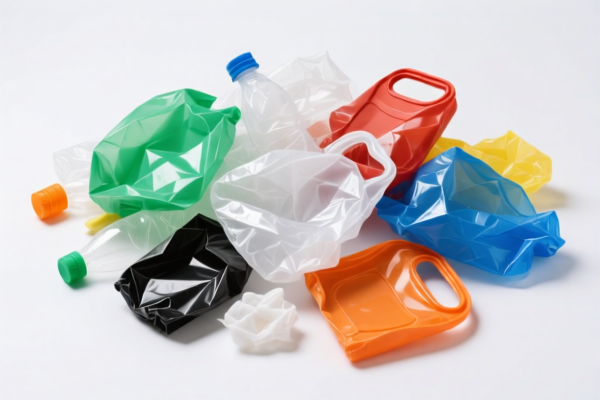
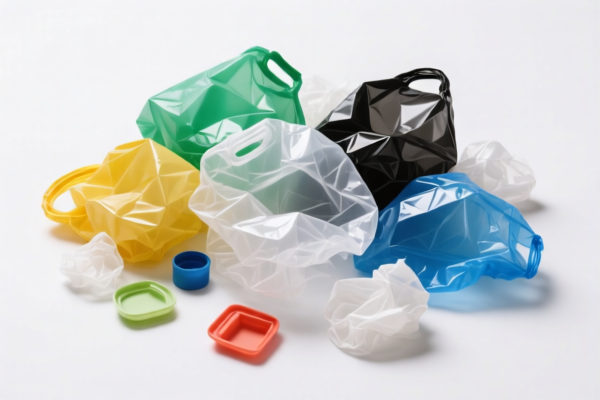
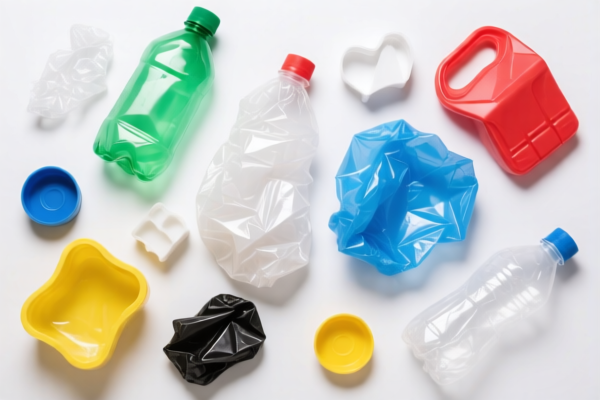
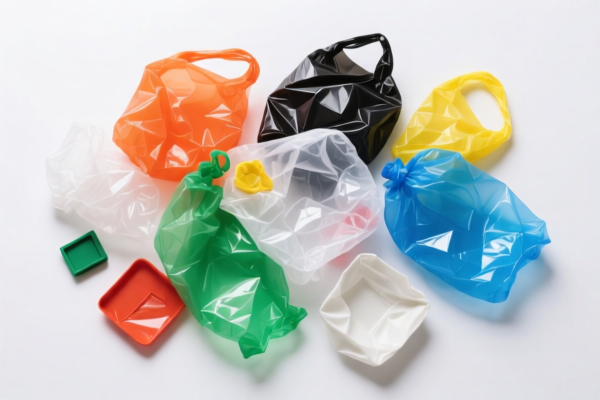
AI分析
🗑️ Plastic Waste (Scrap & Discards)
🌐 HS Code Reference & Customs Clearance Guide | 2026 Latest Tariff Analysis | Professional Strategy for US Imports
📌 I. Product Definition & Classification: What Exactly is "Plastic Waste"?
Plastic waste refers to discarded plastic materials that are no longer suitable for their original purpose. In international trade, this category is strictly divided based on polymer type and physical form. Misclassification is a major risk, as the tariffs for "Polyethylene Waste" differ significantly from "Other Plastic Waste" or "Finished Plastic Articles."
Key Distinction Criteria:
1. Material Composition: Is it Polyethylene (PE), Polyethylene Terephthalate (PET), or mixed/other polymers?
2. Form: Is it loose scrap/chips, or are they pre-processed components/articles?
3. Category: Does it fall under "Waste/Scrap" (Chapter 39, Section 11) or "Other Articles of Plastic" (Section 39, Chapter 39.26)?
⚠️ Critical Warning:
- Polyethylene (PE) Waste and General Plastic Waste face a 35% total tariff due to specific trade remedies.
- Non-PE Plastic Scraps/Articles may qualify for a lower 22.8% total tariff.
- Do not confuse "Waste" with "Finished Parts"; however, some "scrap" items classified as "other articles" may enjoy lower duties.
📦 II. HS Code Classification Matrix (2026 Authorized List)
Based on the provided dataset, here are the specific HS Codes applicable to Plastic Waste imports:
| HS Code | Product Description | Material Focus | Physical Form | Key Characteristic |
|---|---|---|---|---|
3915.90.00.90 |
Other waste, scrap, and waste of plastics | Mixed/General Plastics | Waste/Chips/Shreds | Not PET. General plastic scrap not specified as PE. |
3926.90.99.89 |
Other articles of plastic and articles of other materials of heading 39.01 to 39.14 | Plastics (General) | Various (Articles) | Classified as "Other Plastic Products" rather than raw waste. Often applies to semi-processed scrap that retains article characteristics. |
3915.10.00.00 |
Waste, scrap, and offal, of ethylene polymers | Ethylene Polymers (PE) | Waste/Chips/Shreds | Specifically Polyethylene (PE) waste. |
3915.10.00.00 |
Ethylene plastic waste | Ethylene Polymers (PE) | Waste | Same as above; strict classification for PE waste. |
3915.90.00.90 |
Ethylene plastic waste | Ethylene (Polyethylene) | Plastic Waste | Categorized under "Other" if not specifically caught by other PE codes, but still attracts the 35% rate in this dataset. |
🔍 Analysis:
- Codes3915.10.00.00and3915.90.00.90carry the highest tax burden (35%).
- Code3926.90.99.89offers a lower burden (22.8%), applicable when the item is defined as an "article" or general plastic waste not fitting the PE category.
- PET Waste: The dataset explicitly states3915.90.00.90is "NOT PET". If your waste is PET, ensure it doesn't fall into a different sub-heading not listed here, or it may be misclassified.
💰 III. 2026 Tariff Rate Breakdown (Detailed Tax Analysis)
✅ Applicable Country: United States (US)
✅ Origin: China (CN)
✅ Effective Date: November 10, 2025 onwards
🎯 1. High-Tariff Category: PE & General Plastic Waste (35.0%)
Applies to HS Codes:
- 3915.10.00.00 (Ethylene Polymer Waste)
- 3915.90.00.90 (General/Ethylene Plastic Waste)
| Tax Component | Rate | Legal/Policy Basis |
|---|---|---|
| Base Duty | 0.0% | Standard MFN rate for waste of plastics. |
| Section 301 Tariff | +25.0% | USITC Footnote 9903.88.01 (Trade Remedy). |
| Section 122 Tariff | +10.0% | IEEPA Additional Tariff (China-specific). |
| TOTAL DUTY RATE | 35.0% | High Impact Category |
📌 Explanation:
- These codes attract the full burden of trade restrictions.
- The 25% is a standard punitive tariff on Chinese plastic scrap.
- The 10% is an additional levy under Section 122/IEEPA regulations targeting Chinese-origin goods.
- Result: For every $10,000 CIF value, you pay $3,500 in duties.
🎯 2. Lower-Tariff Category: Other Plastic Articles/Scrap (22.8%)
Applies to HS Code:
- 3926.90.99.89 (Other Plastic Articles)
| Tax Component | Rate | Legal/Policy Basis |
|---|---|---|
| Base Duty | 5.3% | Standard MFN rate for other plastic articles. |
| Section 301 Tariff | +7.5% | USITC Footnote (Reduced rate for this specific sub-category). |
| Section 122 Tariff | +10.0% | IEEPA Additional Tariff (China-specific). |
| TOTAL DUTY RATE | 22.8% | Moderate Impact Category |
📌 Explanation:
- This lower rate applies when the waste is classified as "Other Articles of Plastic" (3926) rather than raw "Waste of Plastics" (3915).
- This might apply to more processed scrap, plastic regrind, or items that retain some "article" identity.
- Savings: Compared to the 35% rate, this saves 12.2% on the CIF value.
🛠️ IV. Customs Clearance Practical Advice
✅ 1. Documentation Checklist (Must-Haves)
| Document | Requirement | Purpose |
|---|---|---|
| Commercial Invoice | Must specify: Material (e.g., PE, PP, Mixed), Form (Shreds, Granules, Blocks), and Explicitly state "NOT PET" if using 3915.90.00.90. |
Prevents classification errors. |
| Packing List | Net Weight, Gross Weight, Number of Packages. | Verification of cargo quantity. |
| Material Safety Data Sheet (MSDS) | If applicable (e.g., for chemically treated waste). | Safety compliance. |
| Test Report / Certificate of Origin | Proof of polymer type (e.g., FTIR test report). | Crucial to prove it is Ethylene (PE) or Mixed/Other to justify the HS Code. |
| Photo Evidence | Clear images of the waste in bulk/bales. | Helps customs verify "Waste" vs. "Used Goods" vs. "New Articles". |
✅ 2. Classification Strategy & Risk Mitigation
🔥 "Classify by Polymer, Declare by Form, Avoid the 35% Trap!"
| Scenario | Recommended HS Code | Total Tax | Strategy |
|---|---|---|---|
| Pure Polyethylene (PE) Scrap | 3915.10.00.00 |
35.0% | Inevitable high tax. Focus on efficient logistics to offset cost. |
| Mixed Plastic Scrap (Non-PE, Non-PET) | 3915.90.00.90 |
35.0% | Ensure it is NOT PE. If it contains PE, it must be declared as PE. |
| Plastic Scrap classified as "Articles" | 3926.90.99.89 |
22.8% | Optimization Target: If the waste is processed into specific shapes or has article-like characteristics, argue for this code to save 12.2%. |
| PET Waste | Not in Dataset | N/A | WARNING: The dataset explicitly excludes PET from 3915.90.00.90. Ensure PET is not misclassified here. Check other PET waste codes. |
⚠️ Common Pitfalls:
1. Misidentifying Polymer: Claiming "Mixed Plastic" when it is primarily PE → Results in penalties and back-taxes.
2. Confusing "Waste" with "Used Plastic Parts": Used parts may fall under3926(22.8%) if they are still functional or semi-functional. True "Waste" (unusable) falls under3915(35%).
3. Ignoring Section 122: Even base rates are low, but the 10% IEEPA applies to almost all Chinese plastic imports. Factor this into your landed cost immediately.
📌 V. Customs Clearance Recommendations (Action Plan)
-
Verify Polymer Composition:
Before shipping, conduct a polymer identification test. If it is PE, accept the 35% rate. If it is mixed but not PE,3915.90.00.90is the correct (but still 35%) code. If it can be argued as "Other Articles," aim for3926.90.99.89. -
Detailed Description in Invoice:
Do not just write "Plastic Waste."
Write: "Plastic Scrap (Shredded), Material: Polyethylene (PE), Form: Loose Chips, NOT PET, Origin: China."
For3926: "Plastic Components/Scrap, Material: Mixed Polymers, Form: Pre-processed Articles, NOT Raw Waste." -
Prepare for Section 301 & 122 Compliance:
- Ensure your supplier is not on any SDN or Entity Lists.
-
Verify that the goods are not subject to Section 232 (Steel/Aluminum, if mixed) or other specific bans.
-
Consider "De Minimis" Exclusions:
- Do NOT rely on Section 321 (De Minimis <$800) for these items.
- Deny De Minimis: Most plastic waste from China is subject to strict scrutiny and does not qualify for duty-free entry under $800 due to trade remedies.
🎯 VI. Summary & Cost-Saving Insight
-
Highest Risk:
3915.10.00.00&3915.90.00.90→ 35.0% Total Tax
(Includes 0% Base + 25% Sec 301 + 10% Sec 122) -
Potential Savings:
3926.90.99.89→ 22.8% Total Tax
(Includes 5.3% Base + 7.5% Sec 301 + 10% Sec 122)
💡 Pro Tip:
If your plastic waste is processed, sorted, and has a commercial form (not just loose trash), consult a customs broker to see if3926.90.99.89is viable. The 12.2% difference can significantly improve your profit margin on low-value scrap.
📣 Final Check:
- Is it PE? → Pay 35%.
- Is it Mixed/Other (and raw)? → Pay 35%.
- Is it Article-like/Processed? → Try to qualify for 22.8%.
- Never assume PET is included in 3915.90.00.90 per this dataset.
✨ Accurate Classification = Lower Duties + Faster Clearance!
💼 Plan your HS Code today, save your margin tomorrow.
用户评价
关于 HS 编码归类
协调制度(HS)是由世界海关组织(WCO)制定的国际贸易商品分类标准。全球 200 多个国家采用 HS 系统作为海关关税、贸易统计和进出口监管的基础。
每个 HS 编码遵循以下层级结构:
- 章(2 位)——商品大类(例如:第 84 章:机器和机械设备)
- 品目(4 位)——章内的更具体分类
- 子目(6 位)——国际通用细分,所有 WCO 成员国统一使用
- 本国细分(8-10 位)——各国自行扩展的细分编码,如美国 HTSUS 10 位编码
正确的 HS 编码归类对于顺利通关、准确缴纳关税和遵守贸易法规至关重要。错误归类可能导致海关延误、多缴关税或罚款。
从CN进口到US时,适用的关税税率可能包括:
- 最惠国(MFN)税率——适用于 WTO 成员国的标准关税税率
- 普通税率——适用于无贸易协定国家
- 贸易救济关税——附加关税,如 301 条款(反倾销)、232 条款(国家安全)或反补贴税
本页内容仅供参考。如需正式归类,请咨询当地海关或持牌报关代理。