polybutylene flakes
CN → US| HS编码 | 关税税率 | 原产国 | 目的国 | 文档 |
|---|---|---|---|---|
| 3907995010 | 41.5% | CN | US | 官方文档 |
| 3907995050 | 41.5% | CN | US | 官方文档 |
商品图片
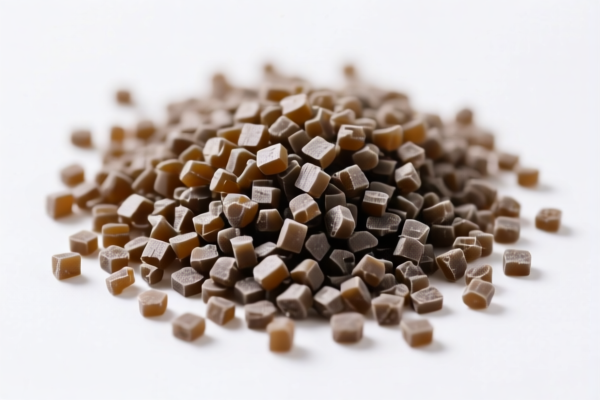
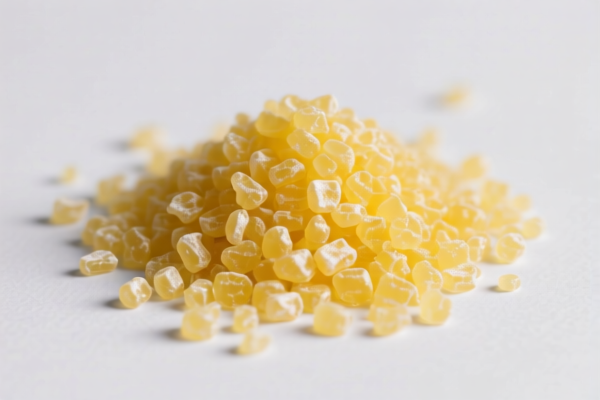
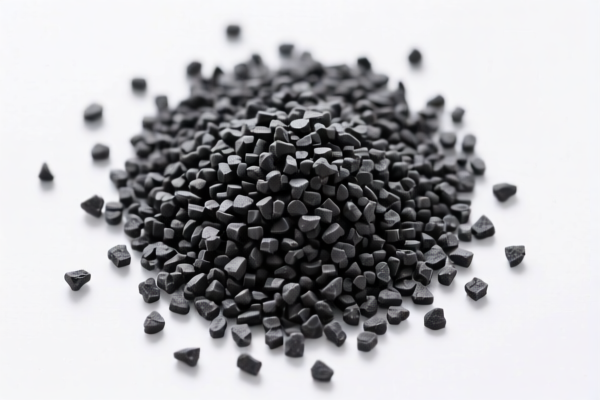

AI分析
🧪 Polybutylene Terephthalate (PBT) Resin & Flakes
Polyacetals, other polyethers and epoxide resins, in primary forms; polycarbonates, alkyd resins, polyallyl esters and other polyesters, in primary forms
🌐 HS Code Reference & Customs Clearance Guide | 2026 Latest Tariff Analysis | Professional Clearance Strategy
📌 One: Product Definition & Classification: Do You Really Know "PBT Flakes"?
Polybutylene Terephthalate (PBT) is an engineering thermoplastic polyester, renowned for its stiffness, impact resistance, and chemical stability. In international trade, "Flakes" are considered primary forms (raw materials), not finished goods. They are the granular or flaky precursor used to manufacture injection-molded parts, fibers, and films.
⚠️ Key Distinction:
- If the product is raw resin/flakes (unmolded) → It falls under Chapter 39 (Plastics and Articles Thereof).
- If the product is finished parts (e.g., PBT gears, connectors) → It falls under Chapter 39 (Articles of Plastics) or other specific chapters depending on function.
- Crucial Note: "Flakes" imply the raw polymer state, eligible for specific subheadings under 3907.
📦 Two: HS Code Classification Details (2026 Latest Tariff Authority Comparison)
| HS Code | Product Description | Application Scenario | Tax Rate (US/CN Origin) |
|---|---|---|---|
3907.99.50.10 |
Polybutylene terephthalate (PBT) specifically classified under "Other polyesters" | Raw PBT flakes, pellets, or granules for injection molding; high-performance engineering plastic raw material | 31.5% (Base 6.5% + 25% Additional) |
3907.99.50.50 |
Other polyesters (Other) | Other polyester resins not specified elsewhere (e.g., PETG, COP, or unspecified polyester flakes) | 31.5% (Base 6.5% + 25% Additional) |
🔍 Focus Reminder:
- PBT is a distinct polyester. If the material is confirmed as Polybutylene Terephthalate, it should ideally be classified under3907.99.50.10.
- If the exact chemical composition is unconfirmed or it is a blended/other polyester, it falls under the residual category3907.99.50.50.
- Both categories carry the same high tariff burden due to US trade policy.
💰 Three: 2026 Latest Tariff Rate Details (Including Additional Taxes)
✅ Applicable Country: United States (US)
✅ Country of Origin: China (CN)
✅ Effective Time: 2025/2026 Current Trade Policy
🎯 1. 3907.99.50.10 — Polybutylene Terephthalate (PBT)
| Item | Content |
|---|---|
| Base Tariff (MFN) | 6.5% |
| Section 301 Additional Tariff | +25.0% |
| Total Tariff Rate | 31.5% |
| Tax Calculation | CIF Value × 31.5% |
| De Minimis Exemption | ❌ Not Applicable (Section 301 tariffs generally apply to de minimis shipments for China origin) |
| Legal Basis Path | HTSUS:3907.99.50.10 → USITC Footnote 9903.88.01 (Section 301 List 3/4) |
📌 Explanation:
- PBT is classified under "Other polyesters."
- The 25% additional tariff is a direct result of the US Section 301 investigation on Chinese goods.
- This is a high-cost commodity for importers. Margins must be carefully calculated.
🎯 2. 3907.99.50.50 — Other Polyesters (Other)
| Item | Content |
|---|---|
| Base Tariff (MFN) | 6.5% |
| Section 301 Additional Tariff | +25.0% |
| Total Tariff Rate | 31.5% |
| Tax Calculation | CIF Value × 31.5% |
| De Minimis Exemption | ❌ Not Applicable |
| Legal Basis Path | HTSUS:3907.99.50.50 → USITC Footnote 9903.88.01 |
📌 Note:
- Even if the polyester is not PBT (e.g., a specialized copolyester), the tariff rate is identical.
- Misclassification Risk: Declaring "Other Polyesters" to avoid specific PBT checks can lead to customs audits. Ensure technical data sheets (TDS) support the classification.
🛠️ Four: Customs Clearance Practical Advice (实战避坑指南)
✅ 1. Preparation Checklist (Non-negotiable)
| Document | Must Provide | Description |
|---|---|---|
| ✅ Technical Data Sheet (TDS) | ✔️ | Must explicitly state "Polybutylene Terephthalate (PBT)" or "Polyester Resin" |
| ✅ Formula/Composition Certificate | ✔️ | % composition of monomers (Terephthalic Acid + Butanediol) |
| ✅ Product Photos | ✔️ | Clear view of flakes/pellets, bag labeling, lot number |
| ✅ Commercial Invoice | ✔️ | Description: "PBT Resin Flakes, Unmolded, Raw Material" |
| ✅ Packing List | ✔️ | Net/Gross weight, packaging type (e.g., 25kg bags) |
| ✅ Certificate of Origin | ✔️ | To verify China origin (triggers 301 tariffs) |
✅ 2. Declaration Tips (Key Mantra)
🔥 "Raw Form Only, No Finished Goods, Name Accurate, Tariff Avoids Trouble!"
| Situation | Correct Declaration | Wrong Practice |
|---|---|---|
| PBT Flakes/Pellets | 3907.99.50.10 |
Declare as "Plastic Parts" → Wrong Chapter (39 vs 39) |
| Unidentified Polyester | 3907.99.50.50 |
Guessing PBT without proof → Audit risk |
| Finished PBT Gears | 3917.31.00.xx or 3926.90.99 |
Declare as "Flakes" → Fraudulent misclassification |
| Recycled PBT | 3907.99.50.10 (if virgin-like) |
Declare as "Waste Plastic" → Illegal entry |
✅ 3. Special Case Handling
| Situation | Handling Advice |
|---|---|
| Blended Polymers | If PBT is blended with glass fiber (GF), it is still 3907.99.50.10 but must be declared as "PBT/GF Composite" |
| Recycled PBT | If it is recycled flakes, ensure it meets the definition of "primary form." If contaminated, it may fall under Chapter 38 or 3915. |
| Sample Shipments | Section 301 tariffs apply to de minimis (under $800) if origin is China. Do not use "Gift" or "Sample" to evade. |
| Supply Chain Shift | Consider sourcing from Thailand/Vietnam (if processing origin rules are met) to avoid 301 tariffs, but beware of "Transshipment" audits. |
🌍 Five: Global Main Market Customs Comparison (2026 Latest)
| Country/Region | Recommended HS Code | Tariff (China Origin) | Certification | Remarks |
|---|---|---|---|---|
| 🇺🇸 USA | 3907.99.50.10 |
31.5% | None (Plastic) | High tax due to Section 301 |
| 🇨🇳 China | 3907.99.50.10 |
~5-6% | None | Lower cost for domestic use |
| 🇪🇺 EU | 3907.99.50 |
6.5% | REACH (Registration) | No additional tariffs, but REACH compliance is critical |
| 🇯🇵 Japan | 3907.99.50 |
6.0% | JIS/Plastic ID | Low tariff, strict quality standards |
| 🇮🇳 India | 3907.99.50 |
7.5-10% | BIS (if applicable) | Higher than China, but lower than US |
📌 Conclusion:
- USA is the most expensive market for PBT flakes from China due to the 25% add-on tariff.
- EU and Japan are more cost-effective but require REACH/JIS compliance.
- Margin Protection: Importers to the US must price in at least 25% extra duty cost.
📌 Six: Common Errors & Pitfalls (Blood and Tears Lessons)
❌ Error 1: Declaring PBT flakes as "Plastic Waste" (3915.20.00.00)
👉 Consequence: Smuggling charge, heavy fines, shipment destruction. PBT flakes are raw materials, not waste.
❌ Error 2: Misdeclaring PBT as "Other Plastics" (3926.90.99)
👉 Consequence: Wrong classification. Raw resin must be in Chapter 39, Heading 3907.
❌ Error 3: Ignoring Section 301 Applicability
👉 Consequence: Underpayment of duties. The CBP (Customs and Border Protection) actively checks plastic resins from China.
❌ Error 4: Using vague descriptions like "Plastic Granules"
👉 Consequence: Customs detention for missing technical data. Always specify Polymer Type (PBT).
✅ Correct Practice:
"Polybutylene Terephthalate (PBT) Resin Flakes, Virgin, Unmolded, Raw Material, For Injection Molding, Model XYZ, TDS Attached"
🎯 Seven: Conclusion: Precise Classification, Cost Control
🎯 Remember the Mantra:
🔹 "Flakes are Raw, PBT is Specific, 31.5% is the Price, Don't Guess, Just Verify!"
🔹 "Chapter 39, Heading 50, Check the 10-digit, Avoid the Audit Trap!"
📌 Pro Tip:
- If your PBT flakes are not from China (e.g., from South Korea or Taiwan), the 25% additional tariff may not apply. Verify the Country of Origin carefully.
- For US importers, consider Bonded Warehouses or Foreign Trade Zones (FTZ) to defer duty payments if possible.
📣 Immediate Action:
📞 Contact your customs broker + Provide TDS + Apply for Pre-Ruling if volume is high.
🚀 Ensure your PBT flakes clear customs smoothly, avoid delays, and protect your profit margins!
✨ Professional Customs Clearance, Starting with Precise Classification!
💼 Every percent of tax matters in the plastics trade!
用户评价
关于 HS 编码归类
协调制度(HS)是由世界海关组织(WCO)制定的国际贸易商品分类标准。全球 200 多个国家采用 HS 系统作为海关关税、贸易统计和进出口监管的基础。
每个 HS 编码遵循以下层级结构:
- 章(2 位)——商品大类(例如:第 84 章:机器和机械设备)
- 品目(4 位)——章内的更具体分类
- 子目(6 位)——国际通用细分,所有 WCO 成员国统一使用
- 本国细分(8-10 位)——各国自行扩展的细分编码,如美国 HTSUS 10 位编码
正确的 HS 编码归类对于顺利通关、准确缴纳关税和遵守贸易法规至关重要。错误归类可能导致海关延误、多缴关税或罚款。
从CN进口到US时,适用的关税税率可能包括:
- 最惠国(MFN)税率——适用于 WTO 成员国的标准关税税率
- 普通税率——适用于无贸易协定国家
- 贸易救济关税——附加关税,如 301 条款(反倾销)、232 条款(国家安全)或反补贴税
本页内容仅供参考。如需正式归类,请咨询当地海关或持牌报关代理。