polyester backpack
CN → US| HS编码 | 关税税率 | 原产国 | 目的国 | 文档 |
|---|---|---|---|---|
| 4202923120 | 52.6% | CN | US | 官方文档 |
| 4202923131 | 52.6% | CN | US | 官方文档 |
| 3923290000 | 38.0% | CN | US | 官方文档 |
| 6305330080 | 25.9% | CN | US | 官方文档 |
| 4202923131 | 52.6% | CN | US | 官方文档 |
商品图片
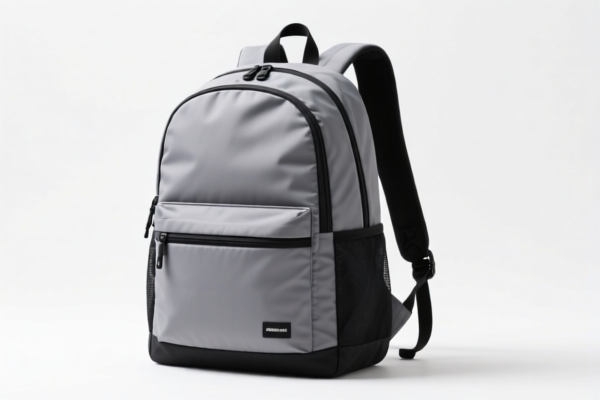
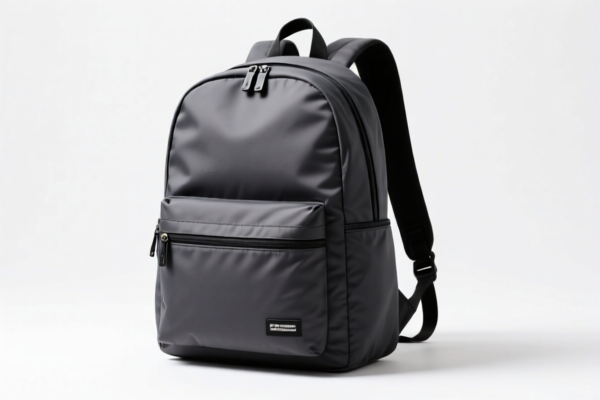

AI分析
🎒 Polyester Backpack: HS Code Classification & Customs Clearance Guide (2026 Update)
🌐 HS Code Reference & Customs Strategy | Professional Duty Calculation & Compliance
📌 I. Product Definition: What Exactly is a "Polyester Backpack"?
A Polyester Backpack is a versatile carrier made primarily from synthetic polyester fibers. In international trade, it falls under the broad category of Luggage, Handbags, and Similar Containers. However, the specific HS Code depends heavily on:
- Surface Material: Is the outer surface textile (polyester fabric) or plastic?
- Composition: Is it made of synthetic fibers (polyester) or artificial fibers (rayon/viscose)?
- Primary Use: Is it for travel, sports, school, or industrial packaging?
⚠️ Critical Distinction:
- Textile Bags: If the main exterior is woven polyester fabric → Usually falls under 4202 (Luggage) or 6305 (Sacks/Packings).
- Plastic Bags: If the exterior is considered a plastic sheet/film composite → Might fall under 3923 (Plastic Articles for Packaging).
- Misclassification Risk: Importing a textile backpack as a "plastic bag" (3923) can trigger significant audits, as the duty rates differ drastically.
📦 II. HS Code Classification Matrix (Data-Based Analysis)
Based on the provided dataset, here are the 4 distinct classification paths for polyester backpacks, depending on precise material composition and design.
| HS Code | Summary Description | Material/Composition | Primary Use/Context |
|---|---|---|---|
4202.92.31.20 |
Polyester Tear-Resistant Backpack | Synthetic Fibers (Polyester) | General travel/backpack usage; fits "synthetic fiber bag" definition. |
4202.92.31.31 |
Polyester Tear-Resistant/Sports Bag | Artificial Fibers (or Synthetic) | Travel, Sports, or Similar Bags. (Note: Dataset lists this code for both "Synthetic" and "Artificial" contexts). |
3923.29.00.00 |
Polyester Sports Bag | Plastic / Synthetic Fiber Composite | Classified under Plastic Packaging Articles; implies plastic-dominated structure or lining. |
6305.33.00.80 |
Polyester Sports Bag | Artificial Textile Material | Used for packaging/carrier bags; textile-based but classified as "sacks/packings". |
🔍 Key Insight:
-4202.92.31.xxis the standard for apparel-style backpacks (tear-resistant, synthetic/artificial fiber).
-3923.29.00.00is risky if the bag is predominantly textile, as it targets plastic packaging.
-6305.33.00.80is a niche classification for textile bags used as packaging (e.g., reusable shopping bags, bulk carriers), not typically for personal wear backpacks.
💰 III. 2026 Tariff Rate Breakdown (US Market - China Origin)
✅ Applicable Country: United States (US)
✅ Origin: China (CN)
✅ Effective Period: Current US Import Duties (Including Section 301 & IEEPA)
🎯 1. High-Duty Group: 4202.92.31.20 & 4202.92.31.31
(Standard Polyester/Synthetic Backpacks)
| Component | Rate | Explanation |
|---|---|---|
| Base Tariff (MFN) | 17.6% | Standard duty for "Luggage, handbags, etc., of synthetic fibers." |
| Section 301 Tariff | 25.0% | Additional duty on Chinese goods under US Trade Law Section 301. |
| IEEPA / 122-Clause Tariff | 10.0% | Additional duty under International Emergency Economic Powers Act / Section 122. |
| 🔴 TOTAL EFFECTIVE RATE | 52.6% | High Cost! Must be accounted for in pricing strategy. |
📌 Legal Basis Path:
USITC:4202.92.31.20/31→Section 301: 25%→IEEPA: 10%→Base: 17.6%
🎯 2. Medium-High Duty Group: 3923.29.00.00
(Plastic-Dominated Sports Bags)
| Component | Rate | Explanation |
|---|---|---|
| Base Tariff (MFN) | 3.0% | Standard duty for "Plastic bags, pouches, and sacks." |
| Section 301 Tariff | 25.0% | Additional duty on Chinese plastic articles. |
| IEEPA / 122-Clause Tariff | 10.0% | Additional duty under IEEPA. |
| 🔴 TOTAL EFFECTIVE RATE | 38.0% | Slightly lower, but classification risk is high for textile bags. |
📌 Warning: If CBP determines the bag is textile, not plastic, this code will be rejected, and you will be reassigned to
4202with a 14.6% penalty difference in duties + potential fines.
🎯 3. Lower-Duty Group: 6305.33.00.80
(Textile Packaging Bags)
| Component | Rate | Explanation |
|---|---|---|
| Base Tariff (MFN) | 8.4% | Standard duty for "Sacks and bags, of synthetic textile materials." |
| Section 301 Tariff | 7.5% | Reduced Section 301 duty for certain textile packaging. |
| IEEPA / 122-Clause Tariff | 10.0% | Additional duty under IEEPA. |
| 🔴 TOTAL EFFECTIVE RATE | 25.9% | Lowest Rate, but High Classification Risk. |
📌 Critical Note: This code is for packaging bags (e.g., reusable market bags), NOT for personal backpacks. Misclassifying a personal backpack as a "packaging bag" is a common fraud red flag.
🛠️ IV. Customs Clearance Practical Guide (Avoiding Pitfalls)
✅ 1. Essential Documentation Checklist
| Document | Requirement | Purpose |
|---|---|---|
| Commercial Invoice | Must specify "Polyester Backpack" + "Tear-Resistant" | Clarifies material and durability features. |
| Product Spec Sheet | List % Composition (e.g., 100% Polyester) | Determines if it's "Synthetic" (4202) or "Artificial" (6305/4202). |
| Photos | Show exterior fabric texture, lining, and hardware | Proves it is a backpack (straps, zippers) and not a plastic sack. |
| Bill of Lading | Clear description | Must match invoice exactly. |
| Origin Certificate | Form A or Standard CO | For base tariff calculation (though US tariffs are high for CN origin). |
✅ 2. Classification Strategy: How to Choose the Right Code?
| Scenario | Recommended HS Code | Reasoning |
|---|---|---|
| Standard Personal/School Backpack (Polyester fabric) | 4202.92.31.20 |
Most accurate for "synthetic fiber luggage/bags." |
| Sports/Tear-Resistant Bag (Polyester fabric) | 4202.92.31.31 |
Specifically for "sports/travel" bags under Chapter 42. |
| Bag with Heavy Plastic Lining/Coating | 3923.29.00.00 |
Only if the outer surface is primarily plastic film. |
| Reusable Shopping Bag (Textile) | 6305.33.00.80 |
Only if it functions as a packaging container, not a wearable backpack. |
🔥 Golden Rule:
"If it has shoulder straps, a back panel, and is worn on the body, it is almost always4202."
Do not use3923or6305for personal backpacks. CBP will likely reclassify and audit.
✅ 3. Common Errors & Penalties
| Error | Consequence |
|---|---|
Misclassifying Backpack as "Plastic Bag" (3923) |
CBP reclassifies to 4202 → Pay 14.6% more duty + potential liquidated damages. |
Misclassifying Backpack as "Packaging Bag" (6305) |
CBP reclassifies to 4202 → Pay 26.7% more duty + penalties. |
| Vague Description ("Bag") | CBP assigns highest possible duty + holds shipment for examination. |
| Ignoring Section 301/IEEPA | Underpayment → Audit + Interest + Fines. |
🌍 V. Global Market Comparison (2026)
| Market | Recommended HS Code | Approx. Total Duty (China Origin) | Notes |
|---|---|---|---|
| 🇺🇸 USA | 4202.92.31.20 |
52.6% | High tariffs due to Section 301 + IEEPA. |
| 🇪🇺 EU | 4202.92.30 |
~12% | No Section 301. Standard EU duty for synthetic bags. |
| 🇨🇳 China | 4202.92.31 |
~10% | Import duty into China (if re-exporting or domestic). |
| 🇯🇵 Japan | 4202.92.30 |
~15% | Standard MFN rate. |
| 🇬🇧 UK | 4202.92.30 |
~12% | Post-Brexit tariffs similar to EU. |
📌 Strategic Advice:
- USA: Plan for 52.6% duty. Consider tariff engineering (e.g., using recycled materials if eligible, or sourcing from non-China countries like Vietnam/Bangladesh if possible).
- EU/UK/Japan: Standard duties apply (~10-15%). No major political tariffs.
📌 VI. Final Checklist for Importers
- ✅ Verify Material: Confirm if the outer surface is 100% Polyester (Synthetic) or Artificial Fiber.
- ✅ Confirm Function: Is it for wearing (backpack) or packaging? If wearing → Use
4202. - ✅ Calculate Total Landed Cost: Include 52.6% for US imports from China.
- ✅ Prepare Evidence: Keep photos and spec sheets ready to prove "Backpack" nature if CBP challenges.
- ✅ Avoid Low-Risk Codes: Do not use
3923or6305for personal backpacks unless explicitly advised by a customs broker.
🎯 Conclusion: Precision Saves Money
🔹 "Backpack = 4202. Plastic Bag = 3923. Packaging Bag = 6305."
🔹 US Tariff Reality: 52.6% for standard polyester backpacks.
🔹 Action: Use4202.92.31.20or4202.92.31.31for accurate classification.
🔹 Risk: Misclassification leads to audits, penalties, and delays.
📣 Next Steps:
📞 Consult a licensed customs broker to review your product samples.
📄 Request a Binding Ruling from CBP if volume is high.
🌐 Optimize Supply Chain: Consider sourcing from non-China countries to mitigate US tariff risks.
✨ Clear Classification. Compliant Clearance. Competitive Costs.
💼 Your backpack’s journey starts with the right HS Code!
用户评价
关于 HS 编码归类
协调制度(HS)是由世界海关组织(WCO)制定的国际贸易商品分类标准。全球 200 多个国家采用 HS 系统作为海关关税、贸易统计和进出口监管的基础。
每个 HS 编码遵循以下层级结构:
- 章(2 位)——商品大类(例如:第 84 章:机器和机械设备)
- 品目(4 位)——章内的更具体分类
- 子目(6 位)——国际通用细分,所有 WCO 成员国统一使用
- 本国细分(8-10 位)——各国自行扩展的细分编码,如美国 HTSUS 10 位编码
正确的 HS 编码归类对于顺利通关、准确缴纳关税和遵守贸易法规至关重要。错误归类可能导致海关延误、多缴关税或罚款。
从CN进口到US时,适用的关税税率可能包括:
- 最惠国(MFN)税率——适用于 WTO 成员国的标准关税税率
- 普通税率——适用于无贸易协定国家
- 贸易救济关税——附加关税,如 301 条款(反倾销)、232 条款(国家安全)或反补贴税
本页内容仅供参考。如需正式归类,请咨询当地海关或持牌报关代理。