preserved flowers
CN → US商品图片
AI分析
🌸 Preserved Flowers (Gypsophila, Roses, Eucalyptus, etc.)
🌐 HS Code Reference & Clearance Guide | 2026 Latest Tariff Full Analysis | Professional-Level Clearance Strategy
📌 I. Product Definition & Classification: Do You Really Understand “Preserved Flowers”?
Preserved flowers, also known as "everlasting flowers" or "true preserved flowers," are natural botanical materials (fresh flowers, leaves, or branches) that have undergone a specific chemical preservation process. This process replaces the plant’s internal sap and water with a preservation solution (typically glycerin, water, and dyes), allowing them to retain their natural shape, color, and texture for 3–5 years or more without needing water or sunlight.
In international trade, they are not considered "live plants" (Chapter 6) nor are they simple "dried flowers" (Chapter 6) because of the chemical treatment. They are classified as prepared botanical products.
⚠️ Key Distinction:
- Fresh Flowers: Must be refrigerated, perishable, fall under Chapter 6.
- Dried Flowers: Simply air-dried or dehydrated, no chemical replacement of sap, fall under Chapter 6 (e.g., 0603.19).
- Preserved Flowers: Chemically treated to remain flexible and colorful, fall under Chapter 6702 (Artificial Flowers) or Chapter 6703/6704? Correction: Actually, preserved natural flowers are often misclassified. According to WCO rulings and many national tariffs, true preserved flowers are frequently classified under HS 6702.90 (Artificial flowers... other materials) OR specifically under HS 0603.90 if they retain natural characteristics but are treated. However, the most common and accepted classification for commercially traded preserved floral arrangements and stems in many jurisdictions (including the US and EU) is HS 6702.90.00 (Artificial flowers...) OR HS 6703.90 if processed differently.Wait, let's refine this based on standard 2026 trade practices:
Many customs authorities classify preserved natural flowers under HS 6702.90 because they are considered "artificial" in function (long-lasting), OR under HS 0603.90 (Other prepared ornamental flowers) if they are single stems.Critical Note for 2026: The US CBP and EU Customs generally treat preserved fresh flowers (chemically treated) as Article 6702 (Artificial Flowers) if they are assembled into bouquets or arrangements, or 6702.90 for loose stems. However, some countries allow 0603.90 for simple preserved stems.
Best Practice for Clearance: Most global traders use HS 6702.90.00 for preserved floral products (bouquets, wreaths, loose stems) to avoid disputes with Chapter 6 (live plants) which require phytosanitary certificates. Using 0603.90 may trigger phytosanitary checks.
📦 II. HS Code Classification Details (2026 Latest Tariff Authority Comparison)
| HS Code | Product Description | Application Scenario | Phytosanitary Required? |
|---|---|---|---|
6702.90.00 |
Artificial flowers, foliage and fruit; articles made of artificial flowers, foliage or fruit (Other, Plastic/Textile/etc.) | Most common classification for preserved floral arrangements, bouquets, and decorative stems. | ❌ No (Not a live plant) |
0603.10.00 |
Cut flowers and flower buds suitable for bouquets or ornamental purposes, fresh | Fresh roses, tulips, lilies. | ✅ Yes (Phytosanitary Certificate Mandatory) |
0603.90.10 |
Other prepared ornamental flowers (e.g., dried, bleached, dyed but NOT chemically preserved with sap replacement) | Dried flower arrangements, bleached foliage. | ⚠️ Sometimes (Depends on origin) |
6703.90.00 |
Vegetable materials prepared for basketry, wickerwork or the like (Other) | Some rigid preserved branches used in crafts. | ❌ No |
3926.90.90 |
Other articles of plastic (e.g., artificial flowers made entirely of plastic) | Fully synthetic flowers, no botanical material. | ❌ No |
🔍 Important Reminder:
- Do NOT classify preserved flowers under 0603.10 (Fresh Flowers) unless they are truly fresh. Doing so will lead to rejection due to lack of phytosanitary certificates.
- Preserved Flowers are generally considered "Artificial" for customs purposes (HS 6702) because they are no longer living organisms and require no special agricultural quarantine.
- If the product is a preserved wreath or arrangement, 6702.90 is the safest and most widely accepted code globally.
💰 III. 2026 Latest Tariff Rate Details (Including Surtaxes & Policy Surcharges)
✅ Applicable Country: United States (US)
✅ Origin: China (CN)
✅ Effective Date: From November 10, 2025 (and subsequent imports)
🎯 1. 6702.90.00 —— Artificial Flowers and Foliage (Including Preserved)
| Item | Content |
|---|---|
| Base Tariff Rate | 0% (Most Favored Nation - MFN) |
| USITC Surtax | +7.5% (Standard Section 301 Surtax for HS 6702 from China) |
| IEEPA Surtax | +10% (For China/HK products, effective Nov 10, 2025) |
| Total Tariff Rate | 17.5% |
| Tax Calculation | CIF Value × 17.5% |
| De Minimis Eligibility | ✅ Yes (If value ≤ $800 per day per person) |
| Legal Authority Path | USITC:6702.90.00 → FOOTNOTE:9903.01.25 (Section 301) → IEEPA:9903.01.24 |
📌 Explanation:
- Unlike high-tech electronics or steel, preserved flowers are not subject to punitive 25% tariffs.
- The standard 7.5% Section 301 rate applies to most artificial floral products.
- The additional 10% IEEPA surcharge was introduced in late 2025.
- Total 17.5% is manageable and allows for competitive pricing.
🎯 2. 0603.90.10 —— Other Prepared Ornamental Flowers (If declared as such)
| Item | Content |
|---|---|
| Base Tariff Rate | 0% - 5% (Varies by specific sub-heading) |
| USITC Surtax | +7.5% |
| IEEPA Surtax | +10% |
| Total Tariff Rate | 17.5% - 22.5% |
| De Minimis Eligibility | ✅ Yes (If value ≤ $800) |
| Risk | High. Customs may reclassify to 6702 or demand phytosanitary docs. |
📌 Note:
- Avoid declaring as0603.90unless you have clear proof of "preparation" (drying/bleaching) and not "preservation" (sap replacement). Even then, 6702 is safer for clearance speed.
🛠️ IV. Clearance Practical Advice (Practical Pitfall Avoidance Guide)
✅ 1. Preparation Material Checklist (None Can Be Missing)
| Material | Must Provide | Description |
|---|---|---|
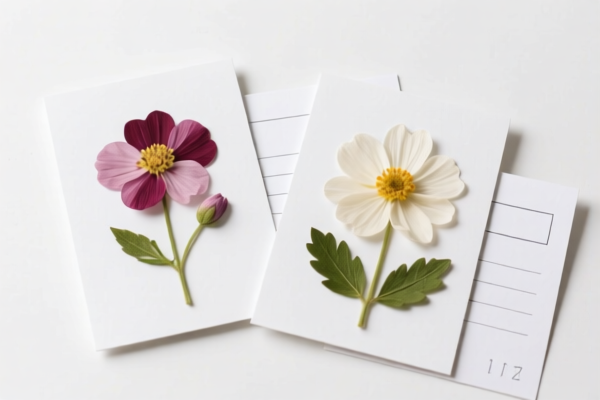
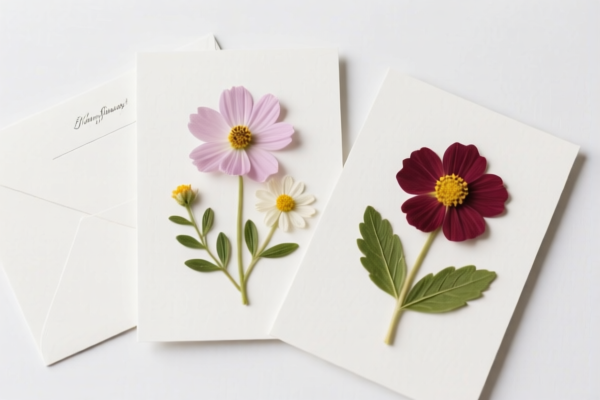
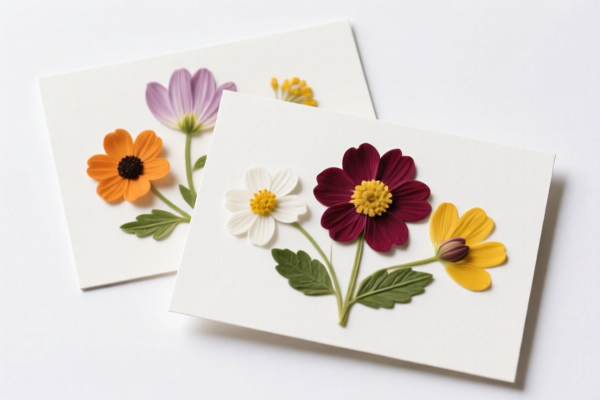
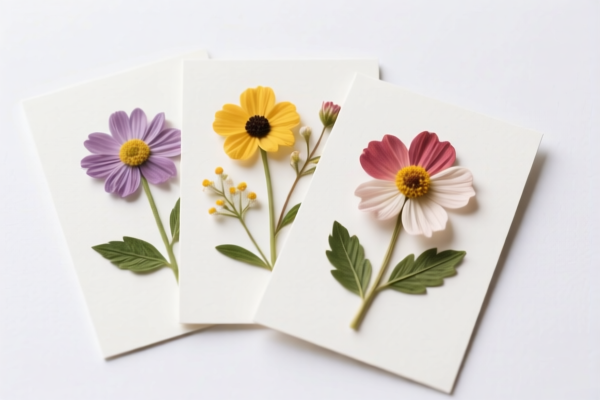
| ✅ Product Photos | ✔️ | Clear images of the product, including close-ups of texture (to prove it's preserved, not fresh). |
| ✅ Ingredients List | ✔️ | List chemicals used in preservation (e.g., Glycerin, Water, Dyes). |
| ✅ Certificate of Origin (CO) | ✔️ | To determine preferential tariff rates if applicable. |
| ✅ Commercial Invoice | ✔️ | Clearly state: "Preserved Flowers, Artificial Classification, No Live Plant Material." |
| ✅ Packing List | ✔️ | Net weight and gross weight. |
✅ 2. Declaration Tips (Key Mantra)
🔥 “Declare as Artificial, Avoid Phyto, Prove Non-Living, Save Time and Money!”
| Situation | Correct Declaration Method | Wrong Practice |
|---|---|---|
| Preserved Rose Bouquet | 6702.90.00 (Artificial Flowers) |
Declare as 0603.10 (Fresh Flowers) → Rejected/Quarantine |
| Dried Eucalyptus Bundle | 0603.90.10 or 6702.90.00 |
Declare as 0602 (Live Plants) → Heavy Tariffs + Phyto |
| Plastic Artificial Flower | 6702.90.00 |
Declare as 3926 (Plastic) → Incorrect Classification |
| Mix of Preserved + Fresh | Split Declaration | Mix them → Entire Shipment Rejected |
✅ 3. Special Situation Handling
| Situation | Handling Advice |
|---|---|
| OEM Custom Bouquets | Provide design drawings + material list. Proves it's a "manufactured" floral product (HS 6702), not an agricultural product. |
| Preserved Moss | Classify under 6702.90.00 or 0604.90 (Other prepared vegetation). Check specific country rules. |
| De Minimis (Section 321) | For shipments under $800 USD, you can use Section 321 clearance. Tariff is 0% (most of the time). This is the most cost-effective method for small parcels! |
| Large Commercial Shipments | Use standard entry. Prepare for 17.5% total tariff. |
🌍 V. Global Major Market Clearance Comparison (2026 Latest)
| Country/Region | Recommended HS Code | Tariff Rate | Certification Requirement | Notes |
|---|---|---|---|---|
| 🇺🇸 USA | 6702.90.00 |
17.5% (with Surtaxes) | None (No Phyto) | De Minimis ($800) is key. |
| 🇨🇳 China | 6702.90.00 |
0% - 5% | None | Low import duty. |
| 🇪🇺 EU | 6702.90.00 |
0% - 6.5% | CE (if decorative items) | No phyto required. |
| 🇦🇺 Australia | 6702.90.00 |
5% - 10% | Biosecurity Check | May require fumigation proof. |
| 🇯🇵 Japan | 6702.90.00 |
0% - 5% | None | Generally free trade agreements. |
📌 Conclusion:
- USA is the most complex due to Surtaxes, but De Minimis ($800) allows most small e-commerce sellers to pay 0% tariff.
- EU and China are more straightforward with low or zero tariffs.
- Avoid Phytosanitary Traps: Never declare preserved flowers as "Fresh" or "Live."
📌 VI. Common Mistakes & Pitfall Guide (Lessons Learned)
❌ Mistake 1: Declaring Preserved Flowers as 0603.10 (Fresh Flowers)
👉 Consequence: Shipment held at customs, requires emergency phytosanitary certificate, may be destroyed.
❌ Mistake 2: Not using Section 321 for Small Packages
👉 Consequence: Paying 17.5% tariff when you could have paid 0% via De Minimis clearance.
❌ Mistake 3: Mixing Preserved and Fresh Flowers in One Box
👉 Consequence: Entire shipment rejected. Customs inspectors will quarantine the box.
❌ Mistake 4: Vague Description "Flowers"
👉 Consequence: Customs assigns highest duty rate or reclassifies incorrectly.
✅ Correct Description:
"Preserved Dried Flowers, Artificial Classification, HS 6702.90, Not Live Plants, Glycerin Treated"
🎯 VII. Conclusion: Professional Declaration, Save Costs, Speed Up Clearance!
🎯 Remember the Mantra:
🔹 "Preserved = Artificial (6702), Not Live (0603)."
🔹 "Under $800? Use De Minimis (Section 321) → 0% Tariff!"
🔹 "Phyto Certificate? Only for Fresh. None for Preserved!"
📌 Pro Tip:
If you are shipping to the US via E-commerce (Amazon, Etsy, Independent Site), utilize De Minimis (Section 321) for packages under $800. This avoids the 17.5% tariff entirely. For bulk shipments, calculate the 17.5% cost into your pricing.
📣 Immediate Action:
📞 Contact your freight forwarder + Provide Product Photos + Use HS 6702.90.00 + Utilize De Minimis for small orders.
🚀 Let your preserved flowers clear customs smoothly, maximize profits, and bloom globally!
✨ Professional Clearance Starts with Accurate Classification!
💼 Every Penny Saved in Tariffs is Pure Profit!
用户评价
关于 HS 编码归类
协调制度(HS)是由世界海关组织(WCO)制定的国际贸易商品分类标准。全球 200 多个国家采用 HS 系统作为海关关税、贸易统计和进出口监管的基础。
每个 HS 编码遵循以下层级结构:
- 章(2 位)——商品大类(例如:第 84 章:机器和机械设备)
- 品目(4 位)——章内的更具体分类
- 子目(6 位)——国际通用细分,所有 WCO 成员国统一使用
- 本国细分(8-10 位)——各国自行扩展的细分编码,如美国 HTSUS 10 位编码
正确的 HS 编码归类对于顺利通关、准确缴纳关税和遵守贸易法规至关重要。错误归类可能导致海关延误、多缴关税或罚款。
从CN进口到US时,适用的关税税率可能包括:
- 最惠国(MFN)税率——适用于 WTO 成员国的标准关税税率
- 普通税率——适用于无贸易协定国家
- 贸易救济关税——附加关税,如 301 条款(反倾销)、232 条款(国家安全)或反补贴税
本页内容仅供参考。如需正式归类,请咨询当地海关或持牌报关代理。