protective goggles
CN → US| HS编码 | 关税税率 | 原产国 | 目的国 | 文档 |
|---|---|---|---|---|
| 9004900010 | 20.0% | CN | US | 官方文档 |
| 9004900090 | 20.0% | CN | US | 官方文档 |
| 3926909950 | 22.8% | CN | US | 官方文档 |
| 3926909989 | 22.8% | CN | US | 官方文档 |
| 9013907000 | 35.0% | CN | US | 官方文档 |
商品图片
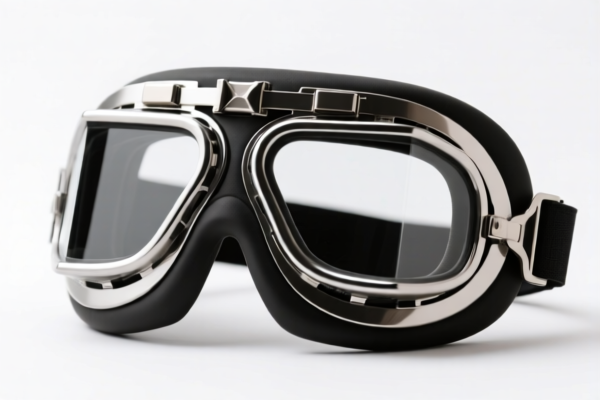
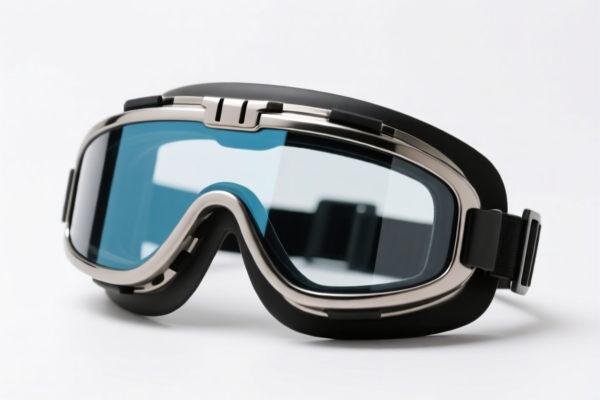
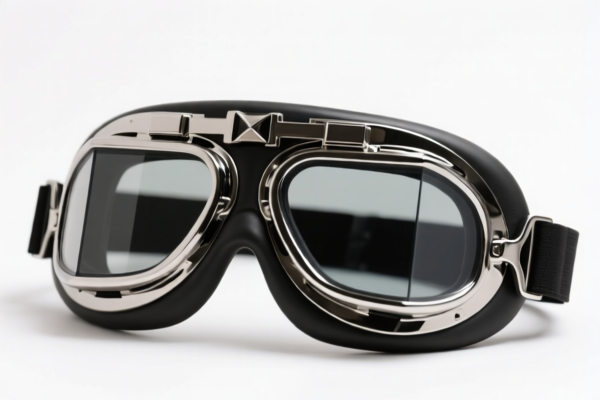
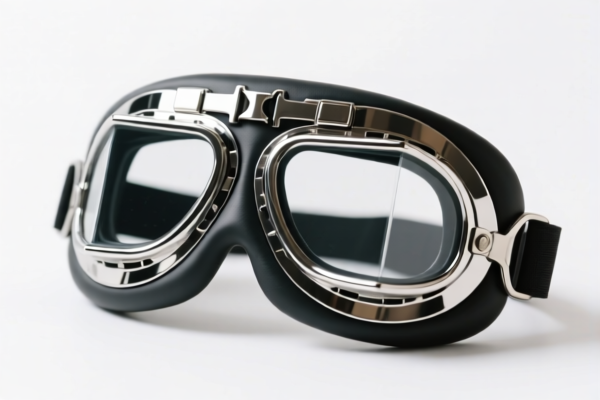
AI分析
🥽 Protective Goggles (Safety Eyewear & Optical Shields)
🌐 HS Code Reference & Customs Clearance Guide | 2026 Latest Tariff Analysis | Professional Compliance Strategy
📌 I. Product Definition and Classification: What Exactly Are "Protective Goggles"?
Protective goggles are essential personal protective equipment (PPE) designed to shield the eyes from physical hazards (dust, debris, liquids) and optical hazards (UV, laser, intense light). In international trade, they are classified based on their primary function and material composition.
There are two main classification paths: 1. Optical/Medical Devices: If the goggles are primarily for medical use or contain precision optical lenses (e.g., welding shields with auto-darkening filters, prescription safety glasses), they fall under Chapter 90. 2. Plastic Accessories/Other Goods: If the goggles are simple plastic safety glasses without complex optical components, they may fall under plastic products (Chapter 39) or general accessories.
⚠️ Key Distinction Point:
- If the product is a "Shield" or "Screen" made of plastic, used for facial protection → Chapter 39 (Plastics).
- If the product is "Glasses/Lenses" for eye protection, resembling regular eyewear → Chapter 90 (Optical Instruments).
📦 II. HS Code Classification Details (2026 Latest Tariff Authority Comparison)
Based on the provided data, here are the four potential HS Codes and the logic behind their classification:
| HS Code | Product Description | Classification Logic (Why it fits) | Tax Rate |
|---|---|---|---|
9004.90.00.10 |
Goggles, other than sunglasses, and similar articles | Best Fit for Optical Protection. Protective goggles are legally categorized under "Goggles" (护目镜) in the Harmonized System. This code specifically covers non-sunglass eye protection. | 20.0% |
9004.90.00.90 |
Other eyewear and parts thereof | Alternative Optical Classification. If the goggles are considered a general variant of eyewear not specifically listed in .10, this "Other" category applies. The summary notes "no material conflict," confirming plastic frames are acceptable here. | 20.0% |
3926.90.99.50 |
Other articles of plastics (including visors/shields) | Plastic Shield Classification. If the product is viewed as a face shield or visor (面罩/面屏) made of plastic, it falls here. The summary explicitly states it matches the characteristics of a "mask or screen" and assumes plastic material. | 22.8% |
3926.90.99.89 |
Other塑料制品兜底分类 (Other plastic articles) | Fallback Plastic Classification. A generic "catch-all" for plastic products. Used if the goggles are deemed a simple plastic accessory rather than an optical instrument or specific shield. | 22.8% |
🔍 Critical Analysis:
- Chapter 90 (9004.90) is generally preferred for true safety eyewear because it aligns with the functional definition of "goggles" (护目镜).
- Chapter 39 (3926.90) applies if the item is a plastic face shield (面罩) or if customs authorities classify simple plastic safety glasses as "plastic articles" rather than optical devices.
- Tax Difference: Chapter 90 (20%) is slightly cheaper than Chapter 39 (22.8%).
💰 III. 2026 Latest Tariff Rate Breakdown (Detailed Tax Clauses)
✅ Applicable Country: United States (US)
✅ Country of Origin: China (CN)
✅ Effective Date: Current rates include Section 301 and IEEPA surcharges.
🎯 1. HS Code 9004.90.00.10 & 9004.90.00.90 (Optical Classification)
| Item | Detail |
|---|---|
| Base Duty Rate | 2.5% (Ad Valorem) |
| Section 301 Surcharge | 7.5% (Additional tariff on Chinese goods) |
| Section 122 Tariff | 10% (Specific statutory surcharge) |
| Total Effective Tax Rate | 20.0% |
| Tax Calculation | CIF Value × 20.0% |
| Legal Basis | Base Rate + Section 301 (7.5%) + Section 122 (10%) |
📌 Explanation:
- The 20% total rate is a combination of the standard Most Favored Nation (MFN) rate and additional punitive tariffs.
- Section 122 (10%) is a critical addition often overlooked. It applies to specific imports and significantly impacts the total cost.
- Section 301 (7.5%) reflects the ongoing trade friction tariffs on Chinese manufactured goods.
🎯 2. HS Code 3926.90.99.50 & 3926.90.99.89 (Plastic Classification)
| Item | Detail |
|---|---|
| Base Duty Rate | 5.3% (Ad Valorem) |
| Section 301 Surcharge | 7.5% (Additional tariff on Chinese goods) |
| Section 122 Tariff | 10% (Specific statutory surcharge) |
| Total Effective Tax Rate | 22.8% |
| Tax Calculation | CIF Value × 22.8% |
| Legal Basis | Base Rate + Section 301 (7.5%) + Section 122 (10%) |
📌 Explanation:
- Although the base rate (5.3%) is lower than the optical base rate (2.5%... wait, 5.3 > 2.5? Actually, 2.5 vs 5.3, so optical is cheaper base), the total rate is higher (22.8%).
- Why? The base rate for plastics is 5.3%, which is higher than the 2.5% for optical goggles. Even with the same surcharges, the total burden is heavier.
- Recommendation: If functionally justified, 9004.90 (20%) is cheaper than 3926.90 (22.8%).
🛠️ IV. Customs Clearance Practical Advice (Avoiding Pitfalls)
✅ 1. Required Documentation Checklist
| Document | Mandatory? | Explanation |
|---|---|---|
| ✅ Product Specification Sheet | ✔️ | Must clearly state: "Protective Goggles," "Safety Standard (ANSI Z87.1)," material (e.g., Polycarbonate). |
| ✅ Product Photos | ✔️ | Show the full product, lens clarity, frame structure, and any packaging labels. |
| ✅ Commercial Invoice | ✔️ | Must specify the HS Code and describe the item accurately (e.g., "Polycarbonate Safety Goggles"). |
| ✅ Certificate of Origin | ✔️ | To confirm Chinese origin and apply appropriate tariffs. |
| ✅ Safety Compliance Certificate | Optional but Recommended | ANSI Z87.1 or CE marking certificates to prove it is indeed "protective eyewear" (Chapter 90) and not just a fashion accessory. |
✅ 2. Declaration Tips (Key Keywords)
🔥 "Function Determines Code: Goggles go to 90, Shields go to 39!"
| Scenario | Correct Declaration | Incorrect Declaration | Consequence |
|---|---|---|---|
| Standard Safety Glasses | "Protective Goggles, Plastic, Non-Prescription" (HS 9004.90.00.10) | "Plastic Eyewear Accessory" | Risk of misclassification to Chapter 39 (22.8%) or higher scrutiny. |
| Face Shield / Visor | "Plastic Face Shield, Polycarbonate" (HS 3926.90.99.50) | "Goggles" | If it covers the whole face, 9004 may be rejected; 3926 is safer. |
| Welding Helmet | "Welding Goggle with Filter" | "Plastic Goggle" | May require specific optical classification; ensure optical components are declared. |
✅ 3. Special Handling for Section 122 & 301
- Section 122 (10%) is non-negotiable for most Chinese imports. Ensure your customs broker is aware of this to avoid surprise bills.
- Section 301 (7.5%) applies uniformly. No exemptions for general consumer safety gear unless specific exclusions apply (check current USTR exclusion lists).
- Cost Optimization: Since 9004.90 (20%) is cheaper than 3926.90 (22.8%), always argue for the Chapter 90 classification if the product is truly eyewear. Provide evidence (e.g., ANSI Z87.1 certification) that it is designed for optical protection, not just general plastic shielding.
🌍 V. Global Market Comparison (2026 Latest)
| Country/Region | Recommended HS Code | Est. Duty Rate | Certification Required | Notes |
|---|---|---|---|---|
| 🇺🇸 USA | 9004.90.00.10 |
20.0% | ANSI Z87.1 (Recommended) | High tariffs due to Section 301 & 122. |
| 🇨🇳 China | 9004.90.00.10 |
~5-10% (Import) | GB Standard (e.g., GB 14866) | Domestic production often cheaper. |
| 🇪🇺 EU | 9019.10 or 3926.90 |
0% - 4.5% | CE Marking | Lower tariffs, but strict CE compliance. |
| 🇬🇧 UK | 9004.90.00.10 |
0% - 4.5% | UKCA Marking | Post-Brexit, check UK Global Tariff. |
| 🇦🇺 Australia | 9004.90.00.10 |
5% | AS/NZS 1337 | Moderate duties, no major surcharges. |
📌 Conclusion:
- USA is the most expensive market for protective goggles due to 20% total tax.
- EU/UK/Australia have significantly lower tariff barriers, making them more attractive for export if USA tariffs are prohibitive.
📌 VI. Common Errors & Pitfall Guide (Lessons Learned)
❌ Error 1: Classifying Goggles as "Plastic Parts" (Chapter 39)
👉 Result: Higher duty rate (22.8% vs 20%). Unnecessary cost increase.
👉 Fix: Emphasize "Goggles" and "Eye Protection" in description.
❌ Error 2: Ignoring Section 122 (10%) in cost calculations
👉 Result: Underestimating landed cost by 10%.
👉 Fix: Always include Section 122 in your duty calculation model.
❌ Error 3: Confusing Sunglasses with Protective Goggles
👉 Result: Sunglasses have different codes (9004.10). If misdeclared, customs may reject or reclassify.
👉 Fix: Clearly state "Non-Sunglass" or "Clear Lens" if applicable.
✅ Correct Declaration Example:
"Protective Safety Goggles, Polycarbonate Lenses, UV Protection, ANSI Z87.1 Certified, Model: PG-2026"
🎯 VII. Conclusion: Smart Classification for Cost Efficiency
🎯 Remember the Golden Rule:
🔹 "Goggles = 9004 (20%) | Shield = 3926 (22.8%)"
🔹 "Save 2.8% by choosing the right optical code!"
📌 Pro Tip:
If you are exporting large volumes, consider applying for an Advance Ruling from US Customs and Border Protection (CBP) to confirm the HS Code (9004.90.00.10) and ensure consistency across shipments. This avoids post-import audits and back taxes.
📣 Take Action Now:
📞 Contact your freight forwarder with the ANSI Z87.1 certificate
🚀 Use HS Code 9004.90.00.10 for accurate 20% duty calculation
💡 Maximize your margin by minimizing customs errors!
✨ Professional Customs Clearance Starts with Precise Classification!
💼 Every Percentage Point Counts!
用户评价
关于 HS 编码归类
协调制度(HS)是由世界海关组织(WCO)制定的国际贸易商品分类标准。全球 200 多个国家采用 HS 系统作为海关关税、贸易统计和进出口监管的基础。
每个 HS 编码遵循以下层级结构:
- 章(2 位)——商品大类(例如:第 84 章:机器和机械设备)
- 品目(4 位)——章内的更具体分类
- 子目(6 位)——国际通用细分,所有 WCO 成员国统一使用
- 本国细分(8-10 位)——各国自行扩展的细分编码,如美国 HTSUS 10 位编码
正确的 HS 编码归类对于顺利通关、准确缴纳关税和遵守贸易法规至关重要。错误归类可能导致海关延误、多缴关税或罚款。
从CN进口到US时,适用的关税税率可能包括:
- 最惠国(MFN)税率——适用于 WTO 成员国的标准关税税率
- 普通税率——适用于无贸易协定国家
- 贸易救济关税——附加关税,如 301 条款(反倾销)、232 条款(国家安全)或反补贴税
本页内容仅供参考。如需正式归类,请咨询当地海关或持牌报关代理。