range current sensor
CN → US| HS编码 | 关税税率 | 原产国 | 目的国 | 文档 |
|---|---|---|---|---|
| 8504312000 | 35.0% | CN | US | 官方文档 |
| 8504314035 | 41.6% | CN | US | 官方文档 |
| 8549390000 | 35.0% | CN | US | 官方文档 |
| 8549990000 | 35.0% | CN | US | 官方文档 |
商品图片
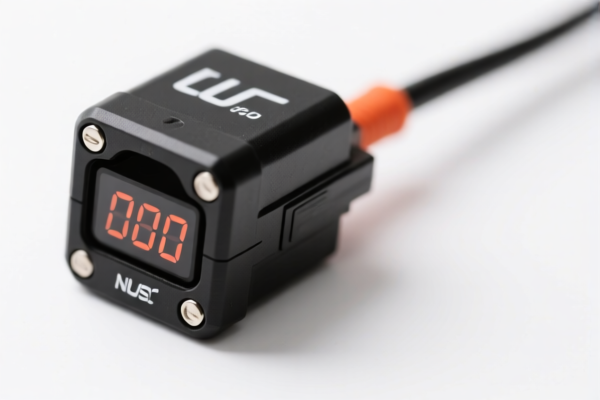
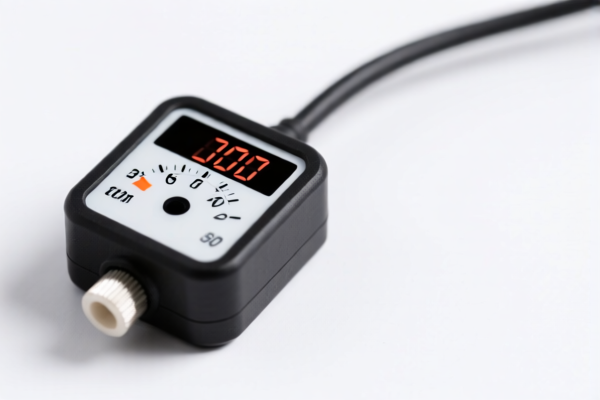
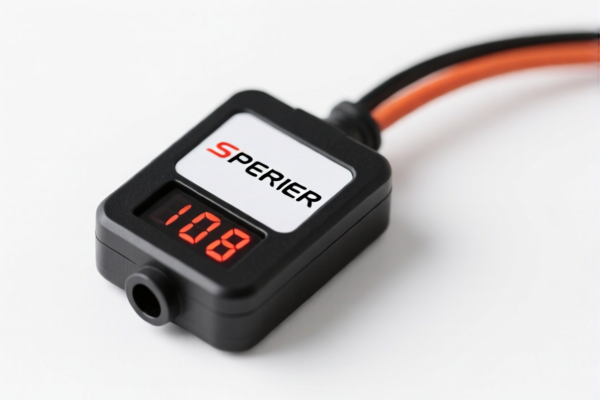
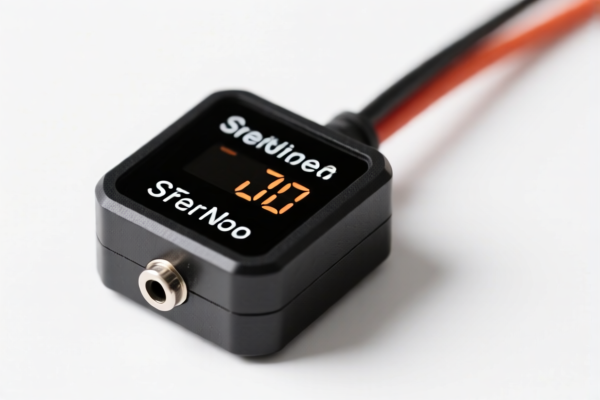
AI分析
⚡ Range Current Sensor (Current Transformers)
🌐 HS Code Reference & Customs Clearance Guide | 2026 Latest Tariff Analysis | Professional Entry Strategy
📌 I. Product Definition & Classification: Do You Really Understand "Current Sensors"?
A Range Current Sensor (often technically referred to as a Current Transformer or CT) is a critical electrical component used to measure alternating current (AC) by transforming high currents into lower, manageable values for monitoring, protection, or billing purposes. In international trade, classification hinges on whether it is viewed as an inductor, a transformer, or electronic waste/component.
⚠️ Key Distinction:
- Is it a functional electrical component (Inductor/Transformer)? → Chapter 85
- Is it scrap/waste or a generic electronic part? → Chapter 85/84 (Fallbacks)
- Note: Current sensors are primarily functional components, not waste.
📦 II. HS Code Classification Details (2026 Latest Tariff Authority Match)
Based on the provided data, here are the four possible HS Codes and the specific logical reasoning for each classification.
| HS Code | Product Description | Reasoning from Data | Applicable Scenario |
|--------|--------------------------|-----------------------------|
| 8504.31.20.00 | Inductor Type | "Current transformers belong to inductors, fitting the 'inductor' usage definition, with no material or form conflict." | Best for sensors functioning primarily as magnetic inductors for signal sensing. |
| 8504.31.40.35 | Transformer Type | "Current transformers belong to transformers, fitting the 'other transformers' category. As electrical components, their power specs fit the classification description." | Best for traditional current transformers used for metering or protection (transformer principle). |
| 8549.39.00.00 | Electronic Component (Waste/Scrap Category) | "Falls under 'Electrical & Electronic Scrap and Waste' under 'Other Electrical & Electronic Components'." | ⚠️ High Risk: Only applicable if declared as scrap, used units, or specific loose components falling into broader waste/recycling categories. |
| 8549.99.00.00 | Electronic Component (N.E.S.) | "Falls under 'Electrical & Electronic' material/usage attributes as 'Other/n.e.s.' (Not Elsewhere Specified), with no material or form conflict." | Fallback option if the specific transformer/inductor codes are rejected, but often attracts higher scrutiny. |
🔍 Important Note:
- Codes 8504.31.xx are the standard functional classifications for current transformers/inductors.
- Codes 8549.xx are general/waste categories. Using these for new, functional sensors may trigger Customs audits for misclassification, as they are typically reserved for scrap or broader electronic assemblies.
💰 III. 2026 Latest Tariff Rate Breakdown (Including Surcharges)
✅ Applicable Country: United States (US)
✅ Country of Origin: China (CN)
✅ Effective Date: Post-November 2025 (Current Regulations)
🎯 1. 8504.31.20.00 — Classification as Inductor
| Item | Content |
|---|---|
| Base Tariff | 0.0% |
| Section 301 Surcharge | +25.0% (25% Additional Tariff) |
| Section 122 Surcharge | +10.0% (122-Clause Tariff) |
| Total Tax Rate | 35.0% |
| Tax Calculation | CIF Value × 35% |
| De Minimis Exemption? | ❌ NO (Denied) |
| Legal Basis Path | Section 301: 25% → Section 122: 10% → USITC: 8504.31.20.00 |
📌 Explanation:
- This is the most common classification for high-quality current transformers.
- The 35% total rate is high but stable.
- No base tariff, only punitive surcharges.
🎯 2. 8504.31.40.35 — Classification as Transformer
| Item | Content |
|---|---|
| Base Tariff | 6.6% |
| Section 301 Surcharge | +25.0% |
| Section 122 Surcharge | +10.0% |
| Total Tax Rate | 41.6% |
| Tax Calculation | CIF Value × 41.6% |
| De Minimis Exemption? | ❌ NO (Denied) |
| Legal Basis Path | Base: 6.6% → Section 301: 25% → Section 122: 10% → USITC: 8504.31.40.35 |
📌 Explanation:
- If Customs classifies the sensor strictly as a power or signal transformer rather than an inductor, the base rate of 6.6% applies.
- Total Rate: 41.6% (Higher than the inductor classification due to the base tariff).
- Key Difference: +6.6% higher than the inductor classification.
🎯 3. 8549.39.00.00 — Classification as Electronic Component (Other)
| Item | Content |
|---|---|
| Base Tariff | 0.0% |
| Section 301 Surcharge | +25.0% |
| Section 122 Surcharge | +10.0% |
| Total Tax Rate | 35.0% |
| Tax Calculation | CIF Value × 35% |
| De Minimis Exemption? | ❌ NO (Denied) |
| Legal Basis Path | Section 301: 25% → Section 122: 10% → USITC: 8549.39.00.00 |
📌 Explanation:
- Rate: 35.0% (Same as Inductor).
- Risk: This code is often associated with "scrap" or "used" goods. Declaring new sensors here may lead to Customs holds for misdeclaration. Use only if explicitly agreed upon with a broker for specific component types.
🎯 4. 8549.99.00.00 — Classification as Electronic Component (N.E.S.)
| Item | Content |
|---|---|
| Base Tariff | 0.0% |
| Section 301 Surcharge | +25.0% |
| Section 122 Surcharge | +10.0% |
| Total Tax Rate | 35.0% |
| Tax Calculation | CIF Value × 35% |
| De Minimis Exemption? | ❌ NO (Denied) |
| Legal Basis Path | Section 301: 25% → Section 122: 10% → USITC: 8549.99.00.00 |
📌 Explanation:
- Rate: 35.0% (Same as Inductor).
- Risk: "N.E.S." (Not Elsewhere Specified) codes are last resorts. Customs may challenge this if a more specific code (8504) exists. Only use if 8504 codes are strictly rejected due to technical specifications.
🛠️ IV. Customs Clearance Practical Advice (Real-World Pitfall Guide)
✅ 1. Documentation Checklist (Non-Negotiable)
| Document | Required | Explanation |
|---|---|---|
| ✅ Product Datasheet | ✔️ | Must specify: Primary Current, Secondary Current, Accuracy Class, Frequency (Hz). |
| ✅ Technical Manual | ✔️ | Proves it is a Current Transformer/Inductor, not a generic "sensor" or "waste". |
| ✅ Circuit Diagram | ✔️ | Essential to distinguish between Inductor (8504.31.20) vs Transformer (8504.31.40). |
| ✅ Commercial Invoice | ✔️ | Clearly state: "Current Transformer / Range Current Sensor for Electrical Monitoring". Avoid vague terms like "Electronic Part". |
| ✅ Packing List | ✔️ | Ensure no "scrap" or "used" language appears. |
| ✅ Origin Certificate | ✔️ | If claiming any potential exemptions (rare for these codes), provide proof. |
✅ 2. Declaration Strategy (Critical Tips)
🔥 “Accurate Description Wins, Vague Names Lose!”
| Scenario | Correct Declaration | Risk if Incorrect |
|---|---|---|
| New Current Transformer | 8504.31.20.00 (Inductor) or 8504.31.40.35 (Transformer) |
Misclassification → 35-41.6% Duty + Penalties |
| Used/Scrap CTs | 8549.39.00.00 |
Using new goods under this code → Customs Audit/Seizure |
| Generic "Sensor" | Specify Type: "Current Sensor, Transformer Type" | Vague description → Delays & Higher Scrutiny |
| High-Precision Metering CT | 8504.31.40.35 |
If declared as Inductor, Customs may argue it's a transformer → Rate Change to 41.6% |
📌 Key Insight:
- Inductor (8504.31.20) is generally safer and cheaper (35%) if the device functions primarily as a magnetic inductor.
- Transformer (8504.31.40) is technically more accurate for traditional CTs but incurs a 6.6% base tariff (Total 41.6%).
- Avoid 8549 Codes for new goods unless instructed by a customs broker due to "waste" connotations.
✅ 3. Special Handling
| Scenario | Handling Advice |
|---|---|
| OEM Custom Sensors | Provide client PO + Technical Spec Sheet to prove functional purpose. |
| High-Precision Billing CTs | Likely falls under 8504.31.40.35 (Transformer). Budget for 41.6%. |
| Hall-Effect Sensors (Non-Magnetic) | If not a transformer/inductor, may fall under 8549 or other chapters. Consult broker. |
| Mixed Containers | Ensure CTs are not mixed with "scrap metal" to avoid contamination of declaration. |
🌍 V. Global Market Comparison (2026 Latest)
| Country/Region | Recommended HS Code | Tariff (China Origin) | Certification | Notes |
|---|---|---|---|---|
| 🇺🇸 USA | 8504.31.20.00 / 8504.31.40.35 |
35% or 41.6% | UL, NEMA, IEC 61869 | High scrutiny on "Transformer" vs "Inductor". |
| 🇨🇳 China | 8504.31.20.00 |
~0-6% | CCC, RoHS | Standard export classification. |
| 🇪🇺 EU | 8504.31.00 |
0-2.7% | CE, IEC 61869 | Lower duties, strict safety standards. |
| 🇬🇧 UK | 8504.31.00 |
0-2.7% | UKCA, IEC 61869 | Post-Brexit rules apply. |
📌 Conclusion:
- USA is the most expensive market due to Section 301 and 122 tariffs.
- EU/UK offer significantly lower duties but require strict CE/UKCA compliance.
- China serves as the manufacturing hub with minimal export tax.
📌 VI. Common Errors & Pitfalls (Blood & Tears Lessons)
❌ Error 1: Declaring Current Transformers as "Generic Electronic Components"
👉 Result: Customs assigns 8549.99.00.00 (35% rate), but may still audit for "waste" classification.
👉 Fix: Use 8504.31.xx codes.
❌ Error 2: Confusing Inductor vs Transformer
👉 Result: If declared as Inductor (35%) but deemed Transformer, Customs may assess 41.6%.
👉 Fix: Provide technical data to support Inductor classification if possible (lower tax).
❌ Error 3: Omitting Technical Specifications
👉 Result: Customs cannot determine if it's a transformer or inductor → Delay + Manual Assessment.
👉 Fix: Always include Primary/Secondary Current Ratio in documentation.
❌ Error 4: Using Scrap Codes for New Goods
👉 Result: Seizure or Fine for misdeclaration.
👉 Fix: Never use 8549 codes for new, functional sensors.
✅ Correct Approach:
"Current Transformer, Model XYZ, 100:5A, 50/60Hz, Insulated, New, For Electrical Metering, USITC 8504.31.20.00"
🎯 VII. Conclusion: Precise Classification Saves Money!
🎯 Remember the Rules:
🔹 "Inductor 35%, Transformer 41.6%, Scrap 35% but High Risk!"
🔹 "Technical Docs are Key: Prove it's an Inductor to Save 6.6%!"
🔹 "No De Minimis for CTs: Plan for 35-42% Duty!"
📌 Pro Tip:
If your CTs are originating from Vietnam, Mexico, or Thailand, you may exempt from Section 301 tariffs (0% base, 0% 301, 0% 122).
Recommendation: Apply for Advance Ruling with US Customs (CBP) to lock in the 8504.31.20.00 classification and avoid future disputes.
📣 Immediate Action:
📞 Contact a Licensed Customs Broker + Provide Datasheet + Request HS Code Advance Ruling
🚀 Ensure Smooth Clearance, Minimize Duty, Maximize Profit!
✨ Professional Clearance Starts with Accurate Classification!
💼 Every Percent Counts in Global Trade!
用户评价
关于 HS 编码归类
协调制度(HS)是由世界海关组织(WCO)制定的国际贸易商品分类标准。全球 200 多个国家采用 HS 系统作为海关关税、贸易统计和进出口监管的基础。
每个 HS 编码遵循以下层级结构:
- 章(2 位)——商品大类(例如:第 84 章:机器和机械设备)
- 品目(4 位)——章内的更具体分类
- 子目(6 位)——国际通用细分,所有 WCO 成员国统一使用
- 本国细分(8-10 位)——各国自行扩展的细分编码,如美国 HTSUS 10 位编码
正确的 HS 编码归类对于顺利通关、准确缴纳关税和遵守贸易法规至关重要。错误归类可能导致海关延误、多缴关税或罚款。
从CN进口到US时,适用的关税税率可能包括:
- 最惠国(MFN)税率——适用于 WTO 成员国的标准关税税率
- 普通税率——适用于无贸易协定国家
- 贸易救济关税——附加关税,如 301 条款(反倾销)、232 条款(国家安全)或反补贴税
本页内容仅供参考。如需正式归类,请咨询当地海关或持牌报关代理。