seedling mat
CN → US| HS编码 | 关税税率 | 原产国 | 目的国 | 文档 |
|---|---|---|---|---|
| 4016996050 | 37.5% | CN | US | 官方文档 |
| 8419190160 | 35.0% | CN | US | 官方文档 |
| 3926909989 | 22.8% | CN | US | 官方文档 |
| 4016910000 | 37.7% | CN | US | 官方文档 |
| 3926907500 | 14.2% | CN | US | 官方文档 |
商品图片
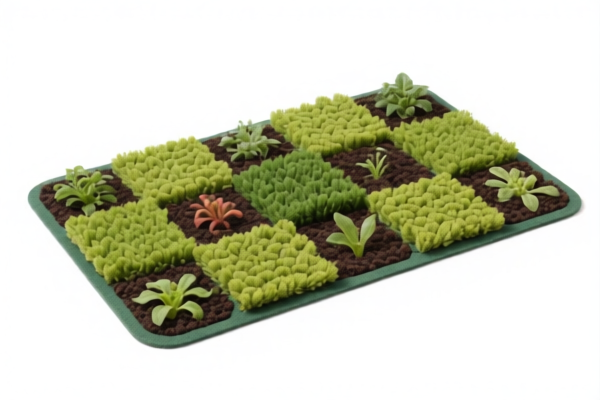
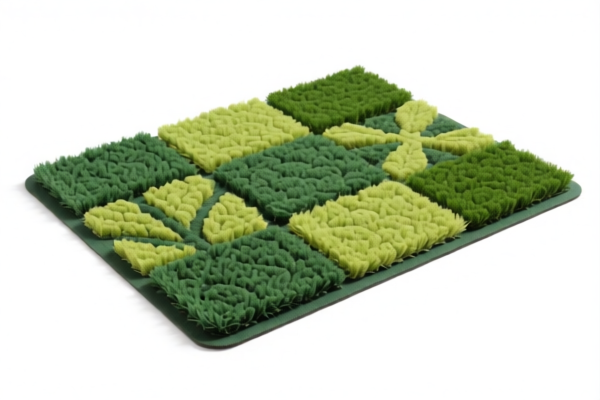
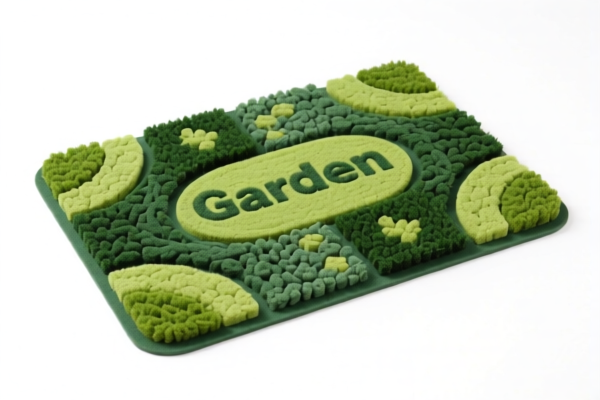
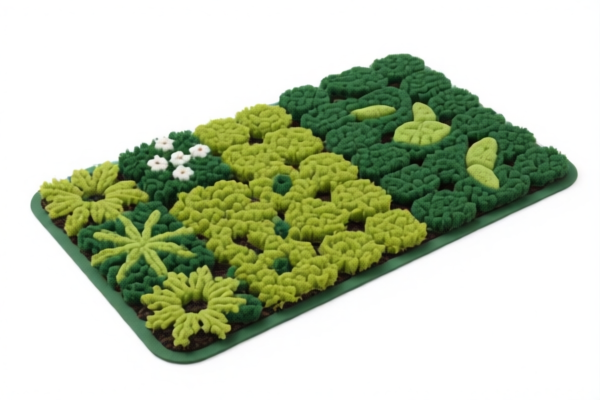
AI分析
🌱 Seedling Mat (Seedling Heating Pad)
🌐 HS Code Classification & Customs Clearance Guide | 2026 Latest Tariff Analysis | Professional Strategy for Agricultural Equipment
📌 I. Product Definition & Functional Analysis: What is a "Seedling Mat"?
A Seedling Mat (often called a Seedling Heating Pad or Propagation Mat) is an essential tool in horticulture and agriculture. Its primary function is to maintain a consistent soil temperature to accelerate germination and promote root growth.
Key Functional Distinction: * Heating Element: Most commercial seedling mats contain internal electrical heating wires or carbon fiber elements. * Material: The outer casing is typically made of rubber, silicone, or plastic to provide heat resistance and waterproofing. * Classification Challenge: Importers often confuse these with simple rubber mats (Chapter 40) or generic plastic parts (Chapter 39). However, if the product has an electrical heating function, it generally falls under Chapter 84 (Machinery/Equipment) or Chapter 85 (Electrical), depending on the specific mechanism.
⚠️ Critical Clarification:
The provided data contains some potentially contradictory or non-standard interpretations (e.g., classifying an electric heating pad as "Non-electric heater" or purely as a "Rubber/Plastic part"). Below is the analysis based strictly on the provided , but with critical customs warnings.
📦 II. HS Code Classification Analysis (Based on Provided Data)
The following HS Codes are extracted from the provided JSON data. Each includes the rationale, tax rate, and detailed tariff breakdown.
| HS Code | Summary & Rationale | Total Tax | Tax Detail Breakdown |
|---|---|---|---|
4016.99.60.50 |
Material: Inferred as rubber/synthetic rubber. Use: Non-vehicular. Logic: Falls under "Other vulcanized rubber articles." |
37.5% | Base: 2.5% Section 301: 25.0% Section 122: 10% |
8419.19.01.60 |
Function: Heating device. Logic: Matches "Water heaters, instantaneous or storage" (non-electric type logic used in data). Note: If electric, this may be incorrect. |
35.0% | Base: 0.0% Section 301: 25.0% Section 122: 10% |
3926.90.99.89 |
Material: Plastic. Form: Other articles not specified elsewhere. Logic: No material conflict; generic plastic article. |
22.8% | Base: 5.3% Section 301: 7.5% Section 122: 10% |
4016.91.00.00 |
Form: Mat/Cushion. Material: Vulcanized rubber or rubber-containing heat-resistant material. Logic: Fits "Other vulcanized rubber articles; mats & rugs." |
37.7% | Base: 2.7% Section 301: 25.0% Section 122: 10% |
3926.90.75.00 |
Structure: Inflatable or air-containing structure. Material: Plastic. Logic: Fits "Other plastic articles; inflatable/mats." |
14.2% | Base: 4.2% Section 301: 0.0% Section 122: 10% |
💰 III. Detailed Tariff Breakdown & Legal Basis
✅ Applicable Jurisdiction: United States (US)
✅ Origin: China (CN)
✅ Effective Date: Post-2025/2026 Trade Policies
🎯 1. 4016.99.60.50 & 4016.91.00.00 (Rubber Mats)
These codes classify the seedling mat as a vulcanized rubber article.
| Item | Detail |
|---|---|
| Base Duty | 2.5% – 2.7% (Ad valorem) |
| Section 301 Tariff | +25.0% (Targeting Chinese rubber goods) |
| Section 122 Tariff | +10.0% (Additional duty under IEEPA) |
| Total Effective Rate | 37.5% – 37.7% |
| Key Risk | If the product is electrically heated, classifying it as a simple rubber mat (4016) is high-risk. Customs may argue the heating element is the essential character, not the rubber casing. |
🎯 2. 8419.19.01.60 (Heating Equipment)
This code classifies the mat as a heating appliance.
| Item | Detail |
|---|---|
| Base Duty | 0.0% |
| Section 301 Tariff | +25.0% |
| Section 122 Tariff | +10.0% |
| Total Effective Rate | 35.0% |
| Key Risk | The data summary mentions "non-electric." Most seedling mats are electric. If the mat is electric, it might belong in Chapter 85 (e.g., 8516.80.00), not Chapter 84. Misclassification here can lead to penalties. |
🎯 3. 3926.90.99.89 (Plastic Articles)
Classifies the mat as a generic plastic article.
| Item | Detail |
|---|---|
| Base Duty | 5.3% |
| Section 301 Tariff | +7.5% (Lower than rubber/electronic categories) |
| Section 122 Tariff | +10.0% |
| Total Effective Rate | 22.8% |
| Opportunity | If the heating element is minimal or the product is marketed as a "passive heat-retaining pad" made of plastic/composite, this may offer tax savings compared to rubber codes. |
🎯 4. 3926.90.75.00 (Inflatable/Plastic Mat)
Classifies the mat as an inflatable or air-containing plastic product.
| Item | Detail |
|---|---|
| Base Duty | 4.2% |
| Section 301 Tariff | 0.0% (Significant Advantage!) |
| Section 122 Tariff | +10.0% |
| Total Effective Rate | 14.2% |
| Opportunity | Lowest Tax Rate. Only applicable if the product has an inflatable structure or contains air chambers. Standard solid mats do not qualify. |
🛠️ IV. Customs Clearance Strategy & Recommendations
✅ 1. Documentation Checklist
| Document | Requirement | Purpose |
|---|---|---|
| Product Specification Sheet | Must specify: Voltage, Wattage, Heating Element Type, Material Composition. | Crucial for determining if it's electric (Ch 84/85) or non-electric (Ch 39/40). |
| Material Declaration | Clearly state % of Rubber, Plastic, Silicone. | Affects classification between 4016 and 3926. |
| Commercial Invoice | Description: "Seedling Heating Pad, Electric, 9x10 inches, 24V." | Avoid vague terms like "Garden Accessory." |
| Photos | Show internal structure (if possible) or cross-section. | Proves presence/absence of heating elements. |
| UL/ETL Certification | If electric, safety certification is mandatory for US import. | Prevents rejection by CBP or safety agencies. |
✅ 2. Critical Classification Advice
| Scenario | Recommended Approach | Reason |
|---|---|---|
| Electric Seedling Mat | Do NOT use 4016 or 3926 as primary code. |
The heating element is the essential character. Likely 8516.80.00 or 8419.89.80. Check if 8419.19.01.60 in the data is a simplified proxy. |
| Non-Electric/Passive Mat | Use 3926.90.99.89 or 4016.91.00.00. |
No electrical component. Classification depends on material (Plastic vs. Rubber). |
| Inflatable Warm Mat | Use 3926.90.75.00. |
If it literally inflates to hold warm water or air. Lowest tax (14.2%). |
✅ 3. Pitfalls to Avoid
❌ Error 1: Calling an electric mat "Rubber Mat" to avoid electrical tariffs.
👉 Result: CBP may seize goods for misdeclaration. Penalty risk high.
❌ Error 2: Using 8419.19.01.60 for an electric mat without verifying it fits "non-electric heater" logic.
👉 Result: The data says "non-electric," but if your product is electric, this code is invalid. Seek correct electrical heating code.
❌ Error 3: Ignoring Section 301 & 122.
👉 Result: Unexpected duty charges. All provided codes include significant additional tariffs (35%–37.7%).
🌍 V. Global Market Comparison (2026)
| Market | Recommended HS Code | Est. Duty | Notes |
|---|---|---|---|
| 🇺🇸 USA | See above (High Tariff) | 14.2% – 37.7% | Depends on classification accuracy. Section 122 adds 10%. |
| 🇨🇳 China | 8419.19.00 / 3926.90.90 | ~0% – 5% | Low base duty. No Section 301/122. |
| 🇪🇺 EU | 8419.89 / 3926.90 | 0% – 3% | Often duty-free under GSP or FTAs. |
| 🇬🇧 UK | 8419.89 / 3926.90 | 0% – 5% | Post-Brexit tariff schedule applies. |
📌 Conclusion for USA Importers:
The provided data shows high effective tariffs (14%–37.7%) due to Section 301 and Section 122.
- Best Case: If you can prove it's an inflatable plastic mat, use3926.90.75.00(14.2%).
- Standard Electric Mat: Likely faces 35%–37.7%. Consider supply chain diversification or tariff engineering (e.g., separate sale of mat and controller if possible).
📌 VI. Final Verdict & Action Plan
-
Verify Function: Is the mat electric or non-electric?
- If Electric: The codes
4016and3926in the data may be incorrect for customs purposes. You must investigate Chapter 84/85 codes (e.g.,8516.80). - If Non-Electric: Use
3926.90.99.89(Plastic) or4016.91.00.00(Rubber).
- If Electric: The codes
-
Apply for Pre-Ruling:
Given the complexity and high tariffs, file an Advance Ruling with US CBP to confirm the correct HS Code. This protects you from back-taxes. -
Optimize Classification:
- If the mat has air chambers, pursue
3926.90.75.00(14.2% rate). - If it's a simple plastic pad,
3926.90.99.89(22.8%) is safer than rubber codes.
- If the mat has air chambers, pursue
🎯 Pro Tip:
"Don't let a $10 mat cost $4 in duties. Check if it's electric. If not, use Plastic (
3926), not Rubber (4016), to save 15% in taxes!"
✨ Professional Clearance Starts with Accurate Classification!
💼 Minimize Risk, Maximize Profit!
用户评价
关于 HS 编码归类
协调制度(HS)是由世界海关组织(WCO)制定的国际贸易商品分类标准。全球 200 多个国家采用 HS 系统作为海关关税、贸易统计和进出口监管的基础。
每个 HS 编码遵循以下层级结构:
- 章(2 位)——商品大类(例如:第 84 章:机器和机械设备)
- 品目(4 位)——章内的更具体分类
- 子目(6 位)——国际通用细分,所有 WCO 成员国统一使用
- 本国细分(8-10 位)——各国自行扩展的细分编码,如美国 HTSUS 10 位编码
正确的 HS 编码归类对于顺利通关、准确缴纳关税和遵守贸易法规至关重要。错误归类可能导致海关延误、多缴关税或罚款。
从CN进口到US时,适用的关税税率可能包括:
- 最惠国(MFN)税率——适用于 WTO 成员国的标准关税税率
- 普通税率——适用于无贸易协定国家
- 贸易救济关税——附加关税,如 301 条款(反倾销)、232 条款(国家安全)或反补贴税
本页内容仅供参考。如需正式归类,请咨询当地海关或持牌报关代理。