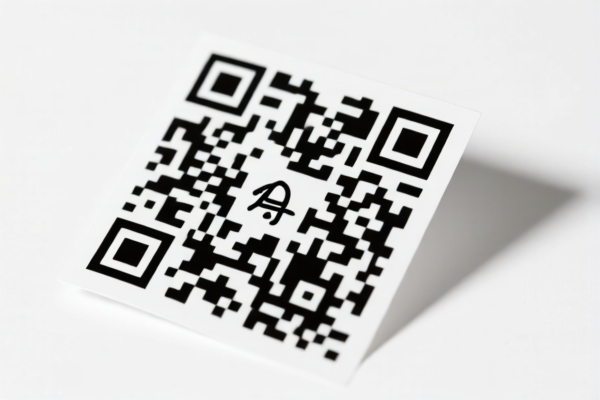
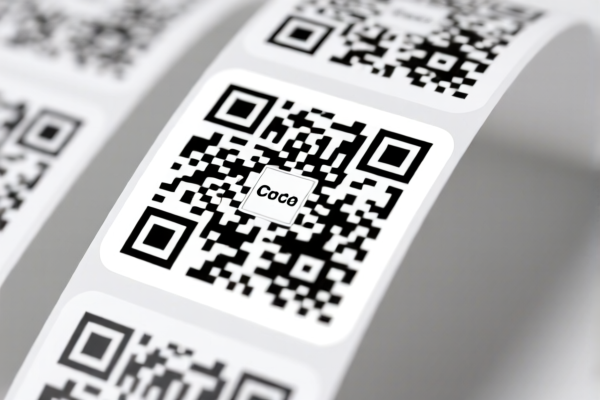
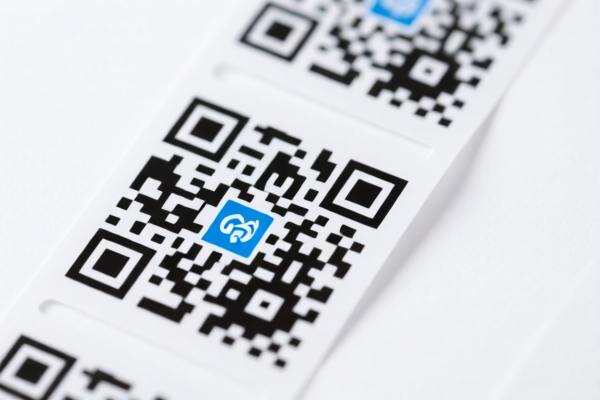
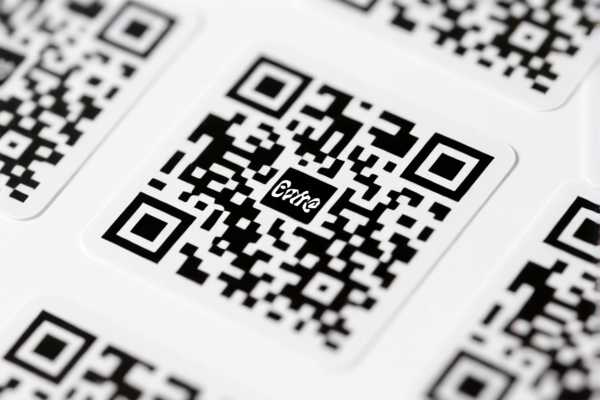
self adhesive qr code label
CN → US| HS编码 | 关税税率 | 原产国 | 目的国 | 文档 |
|---|---|---|---|---|
| 4821104000 | 35.0% | CN | US | 官方文档 |
| 3919905060 | 40.8% | CN | US | 官方文档 |
| 3919102055 | 40.8% | CN | US | 官方文档 |
| 4821902000 | 35.0% | CN | US | 官方文档 |
| 4811412100 | 35.0% | CN | US | 官方文档 |
商品图片
AI分析
🏷️ Self-Adhesive QR Code Labels (Smart Packaging & Tracking)
🌐 HS Code Reference & Clearance Guide | 2026 Latest Tariff Analysis | Professional Customs Strategy
📌 One, Product Definition & Classification: Do You Really Understand "QR Labels"?
Self-adhesive QR code labels are functional packaging materials used for inventory management, anti-counterfeiting, consumer engagement, and logistics tracking. In international trade, they are not classified by the content (the QR code) but by their material composition and physical form.
They are primarily divided into two material categories:
Paper/Cardboard Labels: The most common type, used for shipping boxes, retail packaging, and general logistics. They offer good printability and tear resistance. Plastic/Polymer Labels: Used for harsh environments (outdoor, chemical exposure, refrigeration). They are durable, waterproof, and resistant to tearing.
⚠️ Key Classification Point:
- If the backing and face material are Paper/Cardboard → Classified under Chapter 48 (Paper)
- If the face material is Plastic/Film (even with paper backing) → Classified under Chapter 39 (Plastics)
- Note: The presence of an adhesive does not change the chapter if the primary material dictates the classification.
📦 Two, HS Code Classification Details (2026 Latest Tariff Authority Comparison)
Based on the provided data, here are the specific HS Codes and their corresponding rationales for Self-Adhesive QR Code Labels.
| HS Code | Material | Summary & Rationale |
|---|---|---|
| 4821.10.40.00 | Paper/Cardboard | Customized Self-Adhesive Labels. Since QR labels are often pre-printed with specific codes/data for customized logistics or retail, they fall under "customized labels" made of paper or cardboard. |
| 3919.90.50.60 | Plastic (Flat) | Self-Adhesive Flat Labels (Plastic). Fits the description of flat-shaped adhesive products made of plastic. Ideal for durable, waterproof QR tags used in cold chains or outdoor logistics. |
| 3919.10.20.55 | Plastic (Roll/Other) | Other Plastic Self-Adhesive Labels. This is a "catch-all" category for plastic adhesive rolls that don't fit specific sub-descriptions. Used when the plastic label doesn't meet the "flat" criteria of 3919.90 or has unique structural features. |
| 4821.90.20.00 | Paper (General) | General Self-Adhesive Paper Labels. For standard paper-based QR labels that do not meet the "customized" definition of 4821.10.40.00. Broad category for basic paper adhesive labels. |
| 4811.41.21.00 | Paper (Coated) | Self-Adhesive Paper/Cardboard (Coated). Specifically for paper or cardboard that has been coated or processed for adhesiveness. Fits high-quality, coated paper labels used for premium retail QR codes. |
🔍 Important Reminder:
- Material is King: Do not declare as "QR Code" alone. You must specify the material (Paper vs. Plastic).
- Customization Matters: If the label is printed with unique, non-standard data (like a unique serial QR), 4821.10.40.00 is often the most accurate for paper.
- Form Factor: Flat rolls are common, but if the plastic label has a specific shape or backing not covered by "flat," consider 3919.90.50.60 or 3919.10.20.55.
💰 Three, 2026 Latest Tariff Rate Breakdown (Including Surcharges & Policy Fees)
✅ Applicable Country: United States (US)
✅ Country of Origin: China (CN)
✅ Effective Date: From November 10, 2025 (and subsequent imports)
🎯 1. Paper-Based Labels (HS Codes: 4821.10.40.00, 4821.90.20.00, 4811.41.21.00)
| Item | Content |
|---|---|
| Base Tariff | 0.0% (ad valorem) |
| Section 301 Surcharge | +25.0% |
| Section 122 Tariff | +10.0% (Specific additional tariff on Chinese goods) |
| Total Tariff | 35.0% |
| Tax Calculation | CIF Value × 35% |
| De Minimis Eligibility | ❌ Not Eligible (Denied due to high tariff rate) |
| Legal Basis Path | USITC:4821.10.40.00 → Footnote: 9903.88.01 → IEEPA: 122-Clause |
📌 Explanation:
- Base Tariff 0%: Paper products generally have low base tariffs.
- Section 301 (25%): Applies to most Chinese-origin goods as part of trade tensions.
- Section 122 (10%): A specific additional levy applied to imports from China under current executive orders.
- Total 35%: This is a significant cost burden. Ensure your pricing model accounts for this.
🎯 2. Plastic-Based Labels (HS Codes: 3919.90.50.60, 3919.10.20.55)
| Item | Content |
|---|---|
| Base Tariff | 5.8% (ad valorem) |
| Section 301 Surcharge | +25.0% |
| Section 122 Tariff | +10.0% |
| Total Tariff | 40.8% |
| Tax Calculation | CIF Value × 40.8% |
| De Minimis Eligibility | ❌ Not Eligible (Denied due to high tariff rate) |
| Legal Basis Path | USITC:3919.90.50.60 → Footnote: 9903.88.01 → IEEPA: 122-Clause |
📌 Note:
- Higher Base: Plastic labels have a 5.8% base tariff, which is higher than paper (0%).
- Same Surcharges: The 25% (Section 301) and 10% (Section 122) apply equally.
- Total 40.8%: This is the highest tariff bracket for QR labels. Plastic labels are costlier to import into the US from China.
🛠️ Four, Customs Clearance Practical Advice (Real-World Pitfall Guide)
✅ 1. Required Documentation Checklist (Non-Negotiable)
| Document | Required? | Notes |
|---|---|---|
| ✅ Commercial Invoice | ✔️ | Must clearly state "Self-Adhesive Labels" and specify Material (Paper/Plastic). |
| ✅ Packing List | ✔️ | Detail gross weight, net weight, and number of rolls/sheets. |
| ✅ Product Specifications | ✔️ | Include dimensions, adhesive type (permanent/removable), and material composition. |
| ✅ Material Certification | ✔️ | For plastic labels, provide polymer type to confirm HS code accuracy. |
| ✅ Customs Bond | ✔️ | Required for commercial shipments > $2,500. |
| ✅ IEEPA/301 Compliance | ✔️ | Confirm country of origin is China to apply correct surcharges. |
✅ 2. Declaration Tips (Key Mantra)
🔥 "Material First, Code Second, Customized vs. Standard, Don't Mix!"
| Scenario | Correct Declaration | Wrong Practice |
|---|---|---|
| Paper QR Label | Use 4821.10.40.00 if customized/printed; 4821.90.20.00 if generic. | Declare as "Paper Roll" (3919) → Wrong Chapter! |
| Plastic QR Label | Use 3919.90.50.60 (Flat) or 3919.10.20.55 (Other). | Declare as "Plastic Sheet" (3920) → Different Duty! |
| Mixed Shipment | Split the shipment or declare with precise material breakdown. | Mix Paper and Plastic in one line item → Customs Seizure Risk! |
| OEM/Customized | Highlight "Custom Printed" in description to justify 4821.10.40.00. | Declare as "Blank Labels" → Incorrect Valuation! |
✅ 3. Special Circumstances Handling
| Situation | Handling Advice |
|---|---|
| Small Quantity (De Minimis) | ❌ Not Applicable: Even for low-value shipments, the 35%-40% tariff and Section 122/301 surcharges mean de minimis exemption (Section 321) is likely denied for Chinese origin. Check latest CBP rules. |
| Recyclable Materials | Provide environmental certifications if marketing as "Eco-Friendly," but this does not reduce tariff rates. |
| High-Performance Plastic | If the plastic has special properties (e.g., RFID embedded), consult a customs broker. RFID labels may have different classifications (e.g., Chapter 85), which changes the tax structure entirely. |
| Paper vs. Plastic Confusion | If unsure, provide material composition %. If >50% plastic, lean towards Chapter 39. If >50% paper, lean towards Chapter 48. |
🌍 Five, Global Market Clearance Comparison (2026 Latest)
| Country/Region | Recommended HS Code (Paper) | Tariff (China Origin) | Key Certification | Notes |
|---|---|---|---|---|
| 🇺🇸 USA | 4821.10.40.00 |
35.0% | None specific | High surcharges (301+122). |
| 🇺🇸 USA | 3919.90.50.60 |
40.8% | None specific | Highest rate. |
| 🇪🇺 EU | 4821.10 / 3919 | Varies (0-5%) | CE (if adhesive chemicals regulated) | No Section 301/122. Lower overall cost. |
| 🇨🇳 China | 4821 / 3919 | ~5-10% | None | Domestic circulation, low tax. |
| 🇬🇧 UK | 4821 / 3919 | Varies | UKCA (if chemical) | Post-Brexit rules apply. |
📌 Conclusion:
- USA is the most expensive market due to Section 301 and Section 122 tariffs.
- Paper labels (35%) are cheaper than Plastic labels (40.8%) for US imports.
- Consider third-country sourcing (e.g., Vietnam, Mexico) if shipping to the US to avoid these surcharges, provided rules of origin are met.
📌 Six, Common Mistakes & Pitfall Guide (Blood & Tears Lessons)
❌ Mistake 1: Declaring "QR Code Labels" as "Printing Paper" (4816)
👉 Consequence: Wrong classification, customs delay, potential fines.
👉 Fix: Use 4821 (Labels) or 3919 (Self-Adhesive Plastic).
❌ Mistake 2: Ignoring "Customized" Status for Paper Labels
👉 Consequence: Using generic code 4821.90.20.00 instead of 4821.10.40.00.
👉 Result: While both are 35%, the specific code matters for compliance audits. Customized codes must match printed content nature.
❌ Mistake 3: Assuming Plastic Labels are Cheaper
👉 Consequence: Expecting 0% base tariff.
👉 Reality: Plastic has a 5.8% base + 35% surcharges = 40.8% Total. Paper is cheaper (35% Total).
❌ Mistake 4: Missing Section 122 Compliance
👉 Consequence: Underpaying tariffs by 10%.
👉 Result: Back taxes, penalties, and seizure of goods. Always include the 10% Section 122 in calculations.
✅ Correct Approach:
"Self-Adhesive Paper Label, Custom Printed QR Code, 100% Recycled Paper, Permanent Adhesive, Roll Format, HS 4821.10.40.00"
🎯 Seven, Conclusion: Precise Classification Saves Money!
🎯 Remember the Mantra:
🔹 "Paper 35%, Plastic 40.8%, Don't Forget Section 122!"
🔹 "Customized Paper is 4821.10, Generic is 4821.90, Both 35%!"
🔹 "Plastic Base 5.8% + 25% + 10% = 40.8% Total!"
📌 Pro Tip:
If your QR labels are RFID-enabled or contain electronic components, they may fall under Chapter 85 (Electrical Machinery), which has a different tariff structure. Consult a customs broker immediately for hybrid products.
📣 Immediate Action:
📞 Contact a licensed customs broker.
📝 Provide product samples and material specs.
🚀 Get a Pre-Ruling from CBP to avoid clearance delays and unexpected fees.
✨ Professional Clearance Starts with Accurate Classification!
💼 Every Percent Matters in Global Trade!
用户评价
关于 HS 编码归类
协调制度(HS)是由世界海关组织(WCO)制定的国际贸易商品分类标准。全球 200 多个国家采用 HS 系统作为海关关税、贸易统计和进出口监管的基础。
每个 HS 编码遵循以下层级结构:
- 章(2 位)——商品大类(例如:第 84 章:机器和机械设备)
- 品目(4 位)——章内的更具体分类
- 子目(6 位)——国际通用细分,所有 WCO 成员国统一使用
- 本国细分(8-10 位)——各国自行扩展的细分编码,如美国 HTSUS 10 位编码
正确的 HS 编码归类对于顺利通关、准确缴纳关税和遵守贸易法规至关重要。错误归类可能导致海关延误、多缴关税或罚款。
从CN进口到US时,适用的关税税率可能包括:
- 最惠国(MFN)税率——适用于 WTO 成员国的标准关税税率
- 普通税率——适用于无贸易协定国家
- 贸易救济关税——附加关税,如 301 条款(反倾销)、232 条款(国家安全)或反补贴税
本页内容仅供参考。如需正式归类,请咨询当地海关或持牌报关代理。