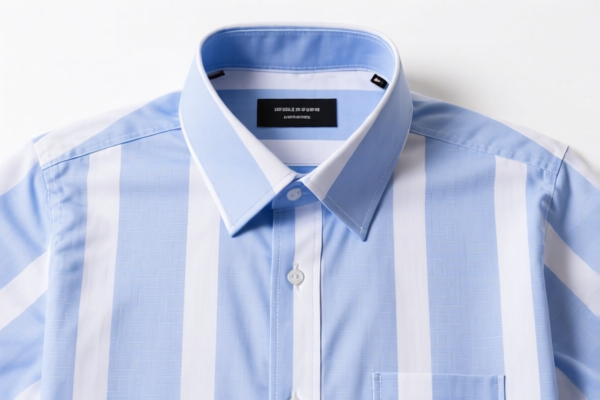
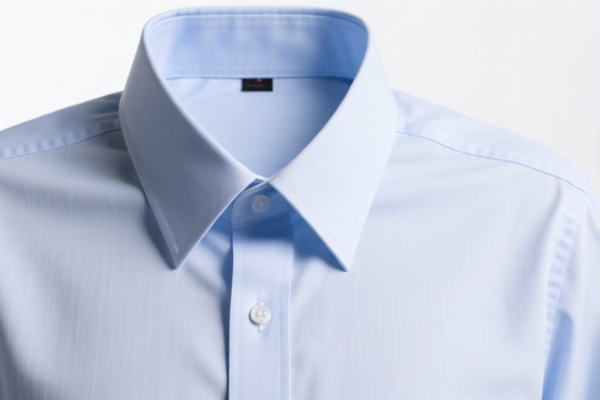
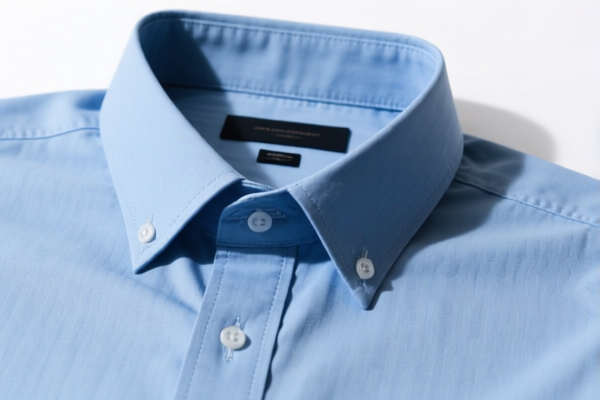
shirt front panel component
CN → US| HS编码 | 关税税率 | 原产国 | 目的国 | 文档 |
|---|---|---|---|---|
| 6206303045 | 32.9% | CN | US | 官方文档 |
| 6206403035 | 44.4% | CN | US | 官方文档 |
| 6205202026 | 37.2% | CN | US | 官方文档 |
| 6205302073 | 0.0% | CN | US | 官方文档 |
| 6105100030 | 37.2% | CN | US | 官方文档 |
商品图片

AI分析
👕 Shirt Front Panel Component (衬衫前片部件)
🌐 HS Code Reference & Clearance Guide | 2026 Latest Tariff Analysis | Professional Customs Strategy
📌 Part 1: Product Definition & Classification: What is a "Shirt Front Panel"?
A Shirt Front Panel Component is a key structural part of men’s or women’s shirts. It is not a finished garment but a cut-and-sewn piece of fabric that forms the front body of the shirt. In international trade, its classification depends heavily on: 1. Material Composition: Cotton, Synthetic Fiber (Man-made), or Other Textiles. 2. Gender Target: Men’s/Boys’ vs. Women’s/Girls’ shirts. 3. State of Processing: Cut but not fully assembled (often subject to specific textile rules).
⚠️ Key Distinction:
- If the item is a loose cut piece of fabric ready for sewing → Classified by material & gender category.
- If it is an assembled sub-unit (e.g., with buttons or placket attached) → Still generally classified under shirt parts, but material drives the HS Code.
- Do not classify as "finished shirts" (HS 6205/6206) if it is merely a component/part.
📦 Part 2: HS Code Classification Details (2026 Latest Tariff Reference)
| HS Code | Product Description | Material Inference | Applicable Scenario |
|---|---|---|---|
6206.30.30.45 |
Men’s or boys’ shirts, Cotton or Man-made Fiber (Inferred Cotton) | Cotton / Synthetic | Men’s shirt front panels, standard cotton blend |
6206.40.30.35 |
Men’s or boys’ shirts, Other Fibers (Inferred Synthetic) | Man-made Fiber | Men’s shirt parts, polyester/nylon blends |
6205.20.20.26 |
Men’s or boys’ shirts, Other (Miscellaneous) | Mixed/Other | Non-standard materials, specific regional variants |
6205.30.20.73 |
Men’s or boys’ shirts, Other (Weight-based + Ad Valorem) | Other | Specific heavy-weight or technical fabrics |
6105.10.00.30 |
Men’s or boys’ shirts, Knitted/Crocheted, Cotton | Cotton (Knitted) | Knitted shirt front panels (different chapter than woven) |
🔍 Critical Note:
- Most shirt components fall under Chapter 62 (Articles of Apparel and Clothing Accessories, Not Knitted or Crocheted).
- If the component is knitted (e.g., t-shirt front panel), it falls under Chapter 61 (6105.10.00.30).
- Gender Matters: All codes above assume Men’s/Boys’ shirts. For Women’s/Girls’ shirts, the HS Code would start with6206...(which some codes above share, but context differs). Note: The provided data uses 6206/6205 codes interchangeably for "Shirt Parts," which is common in part-based classification where the final garment determines the heading.
💰 Part 3: 2026 Latest Tariff Rate Breakdown (Including Surtaxes)
✅ Applicable Country: United States (US)
✅ Origin: China (CN)
✅ Effective Time: 2025/2026 Import Period
🎯 1. 6206.30.30.45 — Men’s/Boys’ Shirts (Cotton/Man-made)
| Item | Details |
|---|---|
| Base Duty | 15.4% |
| Section 301 Surcharge | 7.5% |
| Section 122 Tariff | 10% |
| Total Duty Rate | 32.9% |
| Calculation | CIF Value × 32.9% |
| De Minimis Exemption? | ❌ No (High tariff rate disqualifies de minimis) |
| Legal Reference | Base Rate + 301 Footnote + 122 Executive Order |
📌 Explanation:
- 15.4% is the standard MFN (Most Favored Nation) duty for cotton/shirt parts.
- 7.5% is the Section 301 "Trade War" tariff.
- 10% is the Section 122 tariff (National Security/Supply Chain).
- Total: 32.9% — This is a high-cost item for US importers.
🎯 2. 6206.40.30.35 — Men’s/Boys’ Shirts (Other Fibers/Synthetic)
| Item | Details |
|---|---|
| Base Duty | 26.9% |
| Section 301 Surcharge | 7.5% |
| Section 122 Tariff | 10% |
| Total Duty Rate | 44.4% |
| Calculation | CIF Value × 44.4% |
| De Minimis Exemption? | ❌ No |
| Legal Reference | Base Rate (Higher for synthetics) + 301 + 122 |
📌 Note:
- Synthetic fibers often carry a higher base duty (26.9%) than cotton (15.4%).
- Total 44.4% makes synthetic shirt parts significantly more expensive to import.
🎯 3. 6205.20.20.26 — Men’s/Boys’ Shirts (Other Classification)
| Item | Details |
|---|---|
| Base Duty | 19.7% |
| Section 301 Surcharge | 7.5% |
| Section 122 Tariff | 10% |
| Total Duty Rate | 37.2% |
| Calculation | CIF Value × 37.2% |
| De Minimis Exemption? | ❌ No |
| Legal Reference | Base Rate + 301 + 122 |
📌 Observation:
- This classification sits between cotton and synthetic in cost.
- Often used for blended materials or non-standard textile compositions.
🎯 4. 6205.30.20.73 — Men’s/Boys’ Shirts (Mixed/Weight-Based)
| Item | Details |
|---|---|
| Base Duty | $0.291/kg + 25.9% |
| Section 301 Surcharge | 0.0% |
| Section 122 Tariff | 10% |
| Total Duty | $0.291/kg + 25.9% + 10% |
| Calculation | (Weight × $0.291) + (CIF × 25.9%) + (CIF × 10%) |
| De Minimis Exemption? | ❌ No |
| Legal Reference | Mixed ad valorem and specific duty structure |
📌 Complexity Alert:
- This is a mixed duty structure: part based on weight, part on value.
- Section 301 (7.5%) is NOT applied here, which is unusual but possible depending on the specific subheading nuance.
- Section 122 (10%) still applies.
🎯 5. 6105.10.00.30 — Men’s/Boys’ Shirts (Knitted Cotton)
| Item | Details |
|---|---|
| Base Duty | 19.7% |
| Section 301 Surcharge | 7.5% |
| Section 122 Tariff | 10% |
| Total Duty Rate | 37.2% |
| Calculation | CIF Value × 37.2% |
| De Minimis Exemption? | ❌ No |
| Legal Reference | Base Rate (Chapter 61) + 301 + 122 |
📌 Key Difference:
- This is for Knitted shirt parts (e.g., T-shirt fronts), not woven dress shirts.
- Tax rate is identical to6205.20.20.26(37.2%), but the HS Code chapter is different (61 vs 62).
🛠️ Part 4: Practical Customs Clearance Advice (Avoid Pitfalls)
✅ 1. Document Checklist (Essential)
| Document | Required | Description |
|---|---|---|
| ✅ Product Specification Sheet | ✔️ | Must clearly state: Material % (e.g., 100% Cotton), Gender (Men’s/Women’s), Construction (Knitted/Woven). |
| ✅ Front Panel Pattern/Sample Photo | ✔️ | Visual proof that it is a "component" not a finished shirt. |
| ✅ Commercial Invoice | ✔️ | Must describe item as "Shirt Front Panel Component" or "Cut Shirt Part", NOT "Men’s Shirt". |
| ✅ Packing List | ✔️ | Weight and dimensions per package. |
| ✅ Material Certificate | ✔️ | Proof of fiber content to justify HS Code (Cotton vs. Synthetic). |
✅ 2. Declaration Tips (Key Mantra)
🔥 "Component Not Garment, Material Is Key, Gender Determines Code, Accuracy Saves Money!"
| Scenario | Correct Declaration | Incorrect Declaration |
|---|---|---|
| Woven Shirt Part (Cotton) | 6206.30.30.45 or 6205.20.20.26 |
"Men’s Shirt" → Wrong, but similar rate. Risk of penalty. |
| Synthetic Shirt Part | 6206.40.30.35 |
"Cotton Shirt" → Wrong. 44.4% vs 32.9%. Overpayment if misdeclared. |
| Knitted T-Shirt Part | 6105.10.00.30 |
"Woven Shirt" → Wrong Chapter. 37.2% vs potential penalty. |
| Mixed Material | 6205.20.20.26 |
Generic "Textile Part" → High scrutiny. |
📌 Critical Warning:
- Do NOT declare as "Finished Shirt" if it is a component. Customs may reject or audit.
- Do NOT obscure material composition. If you declare "Cotton" but it’s 50/50 Poly/Cotton, you risk Customs Penalty for misclassification.
✅ 3. Special Cases
| Situation | Handling Advice |
|---|---|
| OEM Parts for Brand | Provide brand authorization letter + invoice showing "Parts" value, not "Garment" value. |
| Small Quantity Samples | Still subject to full duty if value > $800? No, de minimis may not apply due to high tariff rates. Check current thresholds. |
| Fabric vs. Cut Panel | Cut panels have lower risk of being confused with fabric, but must still be clearly labeled. |
🌍 Part 5: Global Market Comparison (2026)
| Country/Region | Recommended HS Code | Duty Rate (China Origin) | Notes |
|---|---|---|---|
| 🇺🇸 USA | 6206.30.30.45 etc. |
32.9% - 44.4% | High tariffs due to Section 301 & 122. |
| 🇨🇳 China | 6205/6206 |
~10-15% | No Section 122/301 surcharges. |
| 🇪🇺 EU | 6205.20/6206.20 |
~12-16% | No Section 122/301. Standard EU duty. |
| 🇬🇧 UK | 6205.20/6206.20 |
~12-16% | Post-Brexit rates similar to EU. |
| 🇻🇳 Vietnam | 6205.20/6206.20 |
~0-15% | Varies by FTAs. Lower risk of anti-dumping. |
📌 Conclusion:
- USA is the most expensive market due to multiple layers of surcharges (301 + 122).
- Total Duty can exceed 44% for synthetic parts.
- Consider supply chain diversification to Vietnam/Mexico if volume is high, to avoid US surcharges.
📌 Part 6: Common Mistakes & Pitfalls (Blood Lessons)
❌ Mistake 1: Declaring "Shirt Front Panel" as "Men’s Shirt"
👉 Consequence: If the value is low, it might pass, but if audited, penalty for incorrect classification.
❌ Mistake 2: Ignoring "Knitted" vs. "Woven"
👉 Consequence: Misclassifying Knitted parts (6105) as Woven (6206) can lead to duty differences and legal issues.
❌ Mistake 3: Not declaring Section 122/301 impact
👉 Consequence: Underestimating landed cost. 44.4% is not a typo—it’s real.
❌ Mistake 4: Using "Textile Part" as a generic description
👉 Consequence: Customs may detain shipment for lack of specificity. Provide material % and gender.
✅ Correct Practice:
"Men’s Woven Shirt Front Panel Component, 100% Cotton, Cut & Sewn, Model XYZ"
🎯 Part 7: Conclusion: Precision Saves Profit!
🎯 Remember the Mantra:
🔹 "Component vs. Garment: Know the Difference!"
🔹 "Cotton = 32.9%, Synthetic = 44.4%!"
🔹 "Section 301 + 122 = High Cost, Plan Ahead!"
📌 Pro Tip:
- If your supplier is in Vietnam or Mexico, you may avoid Section 301 & 122 tariffs.
- Always request a Pre-Ruling from US Customs (CBP) if the shipment value is high.
- For De Minimis (<$800), high duties still apply if the item is not exempt. Check current CBP guidelines for textile parts.
📣 Immediate Action:
📞 Consult a Customs Broker + Provide Material Spec Sheet + Calculate Landed Cost (CIF + 32.9% to 44.4%).
🚀 Optimize Your Supply Chain to Minimize Tax Burden!
✨ Professional Customs Clearance Starts with Accurate Classification!
💼 Every Percent of Duty Counts!
用户评价
关于 HS 编码归类
协调制度(HS)是由世界海关组织(WCO)制定的国际贸易商品分类标准。全球 200 多个国家采用 HS 系统作为海关关税、贸易统计和进出口监管的基础。
每个 HS 编码遵循以下层级结构:
- 章(2 位)——商品大类(例如:第 84 章:机器和机械设备)
- 品目(4 位)——章内的更具体分类
- 子目(6 位)——国际通用细分,所有 WCO 成员国统一使用
- 本国细分(8-10 位)——各国自行扩展的细分编码,如美国 HTSUS 10 位编码
正确的 HS 编码归类对于顺利通关、准确缴纳关税和遵守贸易法规至关重要。错误归类可能导致海关延误、多缴关税或罚款。
从CN进口到US时,适用的关税税率可能包括:
- 最惠国(MFN)税率——适用于 WTO 成员国的标准关税税率
- 普通税率——适用于无贸易协定国家
- 贸易救济关税——附加关税,如 301 条款(反倾销)、232 条款(国家安全)或反补贴税
本页内容仅供参考。如需正式归类,请咨询当地海关或持牌报关代理。