small polyethylene bag
CN → US| HS编码 | 关税税率 | 原产国 | 目的国 | 文档 |
|---|---|---|---|---|
| 3923210011 | 38.0% | CN | US | 官方文档 |
| 3923210080 | 38.0% | CN | US | 官方文档 |
| 3923210030 | 38.0% | CN | US | 官方文档 |
| 3923290000 | 38.0% | CN | US | 官方文档 |
| 6305330080 | 25.9% | CN | US | 官方文档 |
商品图片
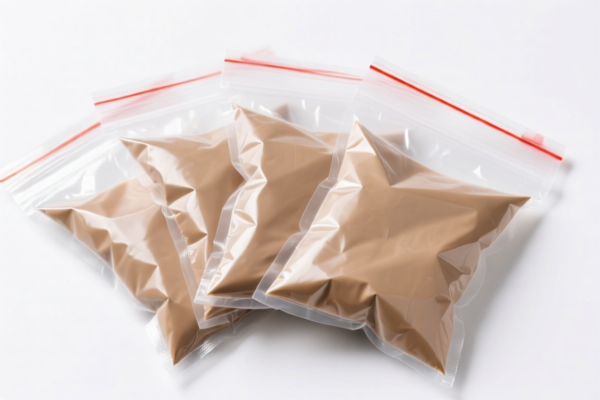
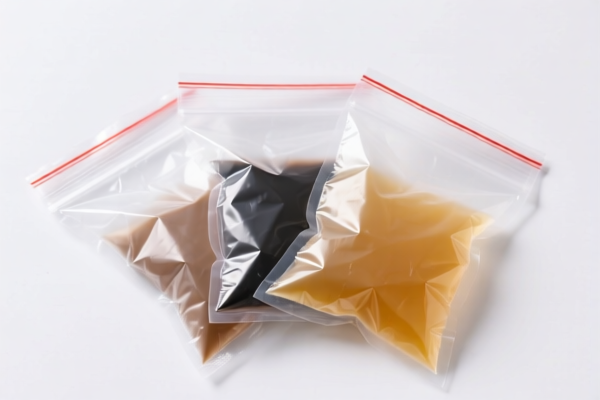
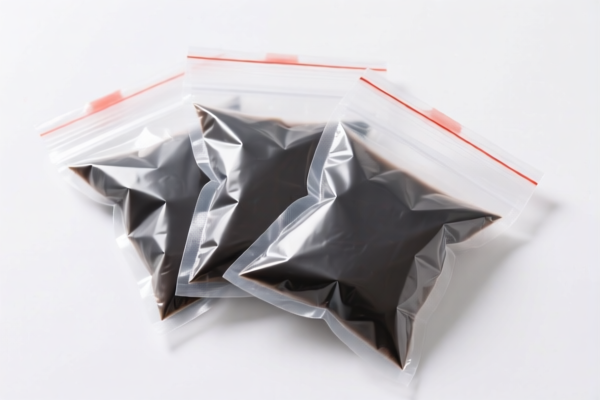
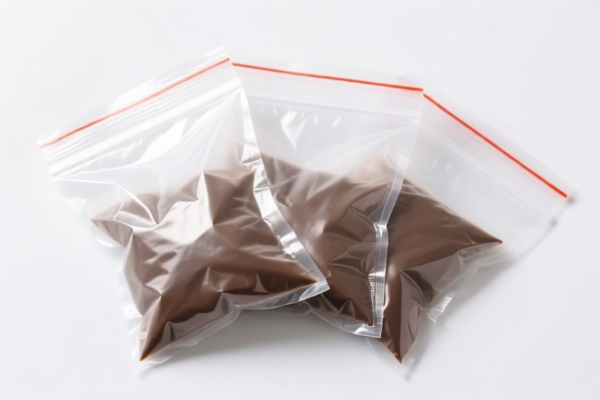
AI分析
📦 Small Polyethylene Bag (PE Bags)
🌐 HS Code Reference & Customs Clearance Guide | 2026 Latest Tariff Analysis | Professional Compliance Strategy
📌 I. Product Definition & Classification: Understanding "Small Polyethylene Bags"
Small polyethylene bags are ubiquitous packaging materials used in retail, logistics, and industrial sectors. In international trade, they fall under the chapter for Plastics and Articles Thereof. However, the specific HS Code depends on the material composition (Pure PE vs. PP Blend) and the structural form (Simple Sack vs. Woven/Textile-like).
The provided data highlights a critical distinction in US customs treatment based on whether the bag is classified under Chapter 39 (Plastics) or Chapter 63 (Textiles/Other Made-up Articles).
⚠️ Key Classification Logic:
- 100% Polyethylene (PE) Bags: Classified under 3923.21 (Sacks and bags, of plastics).
- Polypropylene (PP) Woven Bags: May be classified under 3923.29 (Other plastic sacks) OR 6305.33 (Sacks and bags, of man-made textile materials), depending on the specific manufacturing process and weave density. The choice drastically affects tax rates.
📊 II. HS Code Classification Details (2026 Latest Tariff Reference)
Based on the provided dataset, here are the specific classifications for Small Polyethylene/Plastic Bags:
| HS Code | Product Description | Material/Form | Applicable Scenario | Key Characteristic |
|---|---|---|---|---|
3923.21.00.11 |
Polyethylene Bag | 100% Polyethylene (PE) | Standard retail bags, small sacks | Pure plastic film structure |
3923.21.00.80 |
Polyethylene Bag | 100% Polyethylene (PE) | General plastic packaging | Fits "Other plastic packaging" |
3923.21.00.30 |
Industrial PE Bag | 100% Polyethylene (PE) | Heavy-duty shipping, bulk cargo | Designed for transportation/packaging |
3923.29.00.00 |
Polypropylene Woven Bag | Polypropylene (PP) | Industrial woven sacks (Ch. 39 classification) | Plastic-based, woven structure, but classified as "Other plastic sacks" |
6305.33.00.80 |
Polypropylene Woven Bag | Polypropylene (PP) | Textile-like woven sacks (Ch. 63 classification) | Classified as "Other made-up sacks of textile materials" |
🔍 Critical Note:
- Ch. 39 vs. Ch. 63: Although6305.33contains "Polypropylene" (a plastic), it is classified under Chapter 63 (Textiles) because it is a woven textile fabric made from plastic fibers. This reclassification significantly impacts the duty rate. - Industrial vs. Retail:3923.21.00.30is specifically noted for "industrial-grade" use, while.11and.80are general-purpose.
💰 III. 2026 Latest Tariff Rate Breakdown (Including Add-on Taxes)
✅ Applicable Country: United States (US)
✅ Origin: China (CN)
✅ Effective Date: Current rates apply (Subject to 2025/2026 trade policies)
🎯 1. Polyethylene Bags (HS Codes: 3923.21.00.11 / .80 / .30)
These codes represent standard plastic bags. They are subject to the highest tier of tariffs due to the combination of Section 301 tariffs and IEEPA provisions.
| Item | Content |
|---|---|
| Base Duty Rate | 3.0% (Standard MFN rate for plastic bags) |
| Section 301 Add-on | +25.0% (Retaliatory tariff on Chinese goods) |
| Section 122 IEEPA | +10.0% (Emergency economic powers tariff) |
| Total Effective Rate | 38.0% |
| Tax Calculation | CIF Value × 38% |
| De Minimis Exemption? | ❌ NO (These goods are explicitly excluded from $800 de minimis relief under current trade enforcement) |
| Legal Basis | HTSUS:3923.21 → USITC Footnote 4 (Sec 301) → IEEPA Proclamation 10261 (Sec 122) |
📌 Explanation:
- The 3.0% is the standard WTO bound rate. - The 25% is the standard Section 301 tariff on "Plastics and articles thereof" from China. - The 10% is the specific "Section 122" tariff applied to certain imports under emergency economic authority. - Result: A massive 38% landed cost increase.
🎯 2. Polypropylene Woven Bags (Ch. 39 Classification)
| HS Code | Description | Total Tax | Breakdown |
|---|---|---|---|
3923.29.00.00 |
PP Woven Bag (Plastic Classification) | 38.0% | Base: 3.0% + Sec 301: 25.0% + Sec 122: 10% |
📌 Note: Even if woven, if customs classifies it as a "plastic article" rather than a textile, it faces the same 38% rate.
🎯 3. Polypropylene Woven Bags (Ch. 63 Classification - TEXTILE)
| HS Code | Description | Total Tax | Breakdown |
|---|---|---|---|
6305.33.00.80 |
PP Woven Bag (Textile Classification) | 25.9% | Base: 8.4% + Sec 301: 7.5% + Sec 122: 10% |
📌 Crucial Advantage:
- By classifying as 6305.33, the Base Duty jumps to 8.4% (higher than plastic's 3%), but the Section 301 rate drops significantly to 7.5% (instead of 25%). - Total Savings: 12.1% lower total tariff compared to PE bags. - Legal Basis:HTSUS:6305.33→USITC Footnote(Specific textile provisions) →IEEPAadjustments.
🛠️ IV. Customs Clearance Practical Advice (Real-World Pitfalls)
✅ 1. Documentation Checklist (Non-Negotiable)
| Document | Required? | Purpose |
|---|---|---|
| ✅ Material Composition Statement | ✔️ | Must specify % of PE vs. PP. Critical for Ch. 39 vs. Ch. 63. |
| ✅ Technical Data Sheet | ✔️ | Shows thickness, weave density (for PP), and tensile strength. |
| ✅ Product Photos (Open & Closed) | ✔️ | Visual proof of "Woven" vs. "Film" structure. |
| ✅ Commercial Invoice | ✔️ | Must use precise descriptions: "Polyethylene Bag" or "Polypropylene Woven Sack". Avoid vague terms like "Plastic Bag". |
| ✅ Fiber Content Label | ✔️ | If classified under Ch. 63, fiber content labeling is mandatory. |
✅ 2. Classification Strategy (The "Woven" Loophole)
🔥 Strategic Insight:
If your bag is made of Polypropylene (PP) strips woven into fabric, aggressively pursue classification under 6305.33.00.80. - Why? It saves 12.1% in tariffs (25.9% vs 38.0%). - Requirement: The material must be a woven fabric (man-made textile), not just a plastic film with a woven texture. The weave must be identifiable as textile structure.
| Scenario | Recommended HS Code | Duty Rate | Action |
|---|---|---|---|
| Pure PE Film Bag (Trash bag, Ziploc, produce bag) | 3923.21.00.xx |
38.0% | Accept cost; no alternative. |
| PP Woven Sack (Burlap-like, thick, woven) | 6305.33.00.80 |
25.9% | PREFER THIS if material allows. Provide weave analysis. |
| PP Woven Sack (Thin, plastic-like appearance) | 3923.29.00.00 |
38.0% | Risk of reclassification; argue for textile status. |
✅ 3. Avoiding Common Mistakes
❌ Mistake 1: Labeling everything as "Plastic Bag"
👉 Consequence: Customs defaults to Ch. 39 (38% duty). You lose the opportunity for the lower 25.9% rate if it’s actually a woven textile.
❌ Mistake 2: Using vague terms like "Packaging"
👉 Consequence: Delayed clearance. Customs will request technical details, causing port delays and demurrage charges.
❌ Mistake 3: Ignoring Section 122 Tariff
👉 Consequence: Assuming only Section 301 (25%) applies. Failure to account for the additional 10% leads to underpayment and penalties.
✅ Correct Declaration Example:
"Polypropylene Woven Sacks, Man-Made Textile Material, 50kg Capacity, Type 6305.33.00.80"
🌍 V. Market Comparison & Compliance
| Market | Primary HS Code for PE/PP Bags | Base Duty | US-Specific Add-ons | Total Effective (CN Origin) |
|---|---|---|---|---|
| 🇺🇸 USA | 3923.21 (PE) / 6305.33 (PP) |
3.0% / 8.4% | +25% / +7.5% (Sec 301) + 10% (Sec 122) | 38.0% (PE) / 25.9% (PP Woven) |
| 🇨🇳 China | 3923.21 / 6305.33 |
5% - 9% | None | ~5-9% |
| 🇪🇺 EU | 3923.21 / 6305.33 |
3.7% / 6.8% | None | ~4-7% |
📌 Conclusion:
The US market is the most expensive due to the layered tariffs (Base + Sec 301 + Sec 122).
- For PP bags, the difference between Ch. 39 and Ch. 63 is a 12% price advantage.
- For PE bags, the 38% rate is fixed. Consider sourcing PE bags from non-Chinese origins (e.g., Vietnam, Thailand) if tariffs are prohibitive, as they may qualify for lower Section 301 rates.
📌 VI. Final Recommendations for Importers
- Audit Your Supply Chain: Are you buying "Polypropylene Woven Bags"? If yes, ensure your supplier provides fiber content analysis to support the 6305.33.00.80 classification.
- Pre-Ruling Application: If the distinction between "Plastic Article" (Ch. 39) and "Textile Bag" (Ch. 63) is ambiguous, apply for an Advance Ruling (Pre-Decision) from CBP before shipment. This locks in the lower 25.9% rate if eligible.
- Cost Modeling: Include the 38% or 25.9% tariff in your landed cost calculation immediately. Do not assume de minimis (Section 321) applies to these items, as recent enforcement has tightened exemptions for plastic packaging.
🎯 Pro Tip:
📝 "If it weaves, it might be textile. If it films, it’s plastic. Choose Ch. 63 to save 12%!"
📝 "Don’t forget Section 122! It’s the hidden 10% killer on all plastic bags from China."
📣 Immediate Action:
📞 Consult your freight forwarder to verify the exact weave structure of your PP bags.
📄 Request a Certificate of Origin and Material Safety Data Sheet (MSDS) to support your HS Code claim.
🚀 Optimize your classification strategy to maximize profit margins in the US market.
✨ Accurate Classification is the Key to Profitability!
💼 Don’t let tariff complexity eat your margins.
用户评价
关于 HS 编码归类
协调制度(HS)是由世界海关组织(WCO)制定的国际贸易商品分类标准。全球 200 多个国家采用 HS 系统作为海关关税、贸易统计和进出口监管的基础。
每个 HS 编码遵循以下层级结构:
- 章(2 位)——商品大类(例如:第 84 章:机器和机械设备)
- 品目(4 位)——章内的更具体分类
- 子目(6 位)——国际通用细分,所有 WCO 成员国统一使用
- 本国细分(8-10 位)——各国自行扩展的细分编码,如美国 HTSUS 10 位编码
正确的 HS 编码归类对于顺利通关、准确缴纳关税和遵守贸易法规至关重要。错误归类可能导致海关延误、多缴关税或罚款。
从CN进口到US时,适用的关税税率可能包括:
- 最惠国(MFN)税率——适用于 WTO 成员国的标准关税税率
- 普通税率——适用于无贸易协定国家
- 贸易救济关税——附加关税,如 301 条款(反倾销)、232 条款(国家安全)或反补贴税
本页内容仅供参考。如需正式归类,请咨询当地海关或持牌报关代理。