spoon set
CN → US| HS编码 | 关税税率 | 原产国 | 目的国 | 文档 |
|---|---|---|---|---|
| 3924104000 | 13.4% | CN | US | 官方文档 |
| 3924102000 | 24.0% | CN | US | 官方文档 |
| 4419191000 | 15.3% | CN | US | 官方文档 |
| 4419901100 | 15.3% | CN | US | 官方文档 |
| 8215100000 | 0.0% | CN | US | 官方文档 |
| 8215200000 | 0.0% | CN | US | 官方文档 |
商品图片
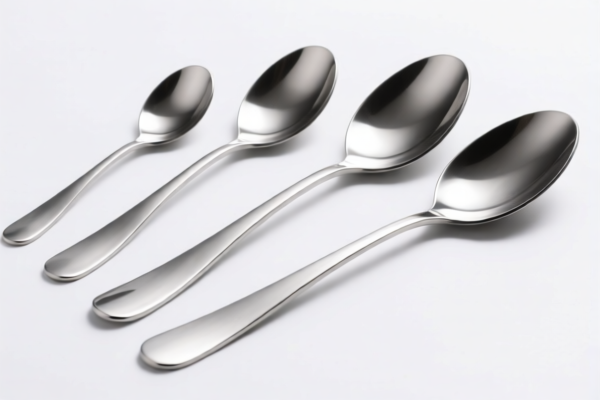
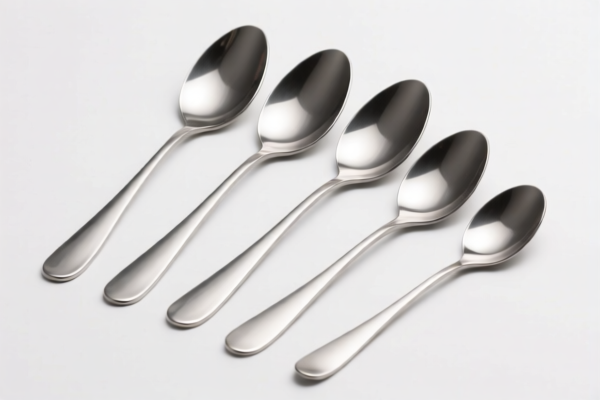
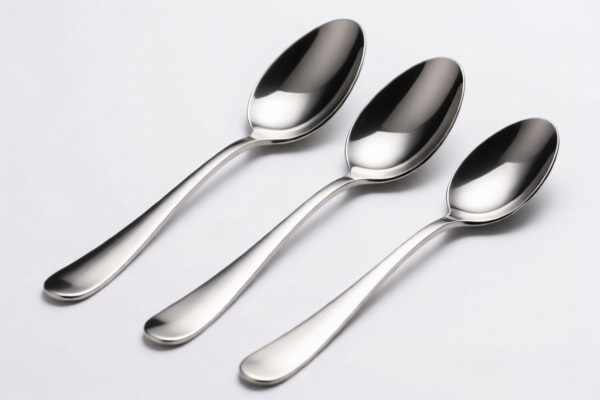
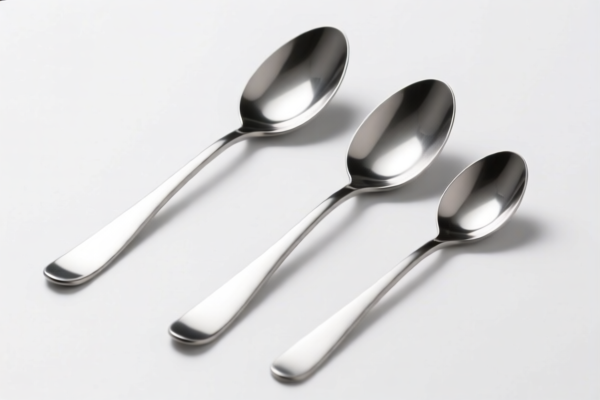
AI分析
🥄 Spoon Set (Plastic, Bamboo, Wood & Metal)
🌐 HS Code Reference & Customs Clearance Guide | 2026 Latest Tariff Analysis | Professional Entry Strategy
📌 I. Product Definition & Classification: What Exactly is a "Spoon Set"?
A "Spoon Set" generally refers to a collection of utensils primarily designed for eating, serving, or cooking. In international trade, classification depends heavily on the material composition and the specific form (individual vs. set). The Customs Tariff distinguishes these based on the primary material, which dictates the Harmonized System (HS) Chapter.
⚠️ Key Distinction Points:
- Plastic Items: Fall under Chapter 39. Specific subheadings differ based on whether they are "other" plastic articles or specific "tableware".
- Vegetable Material (Bamboo/Wood): Fall under Chapter 44. Bamboo is often treated distinctly from general wood due to its rapid growth classification, but both are considered "tableware of vegetable material".
- Metal Items: Fall under Chapter 82. Metal cutlery, including sets, is classified by its base metal type.
📦 II. HS Code Classification Matrix (2026 Authoritative Cross-Reference)
| HS Code | Product Description | Material | Key Classification Logic |
|---|---|---|---|
3924.10.40.00 |
Plastic Tableware: Spoon Sets | Plastic | Specific code for plastic spoon sets, matching the utensil use and set format. |
3924.10.20.00 |
Other Plastic Tableware (Spoon Sets) | Plastic | General plastic tableware inference. Applies if specific "spoon set" code is unavailable or for broader plastic tableware sets. |
4419.19.10.00 |
Tableware of Bamboo | Bamboo | Specifically for bamboo-made spoons/forks/utensils. Fits the definition of utensils. |
4419.90.11.00 |
Other Wooden Tableware | Wood | Wooden spoon sets classified under "other" vegetable material tableware. |
8215.10.00.00 |
Cutlery Sets (Metal) | Metal | Sets of articles of Chapter 82 (metal). Subject to specific duty rates for the article in the set. |
🔍 Critical Note:
- Sets vs. Single Items: If imported as a "set," the classification often follows the component that gives the set its essential character. For mixed-material sets, rules of interpretation apply, but pure material sets are straightforward. - Plastic Nuance: Distinguish between3924.10.40(specific spoon sets) and3924.10.20(general other plastic tableware). The summary indicates40.00matches the "spoon set" form directly, while20.00is a broader inference.
💰 III. 2026 Tariff Rate Breakdown (Including Surcharges & Policy Add-ons)
✅ Applicable Country: United States (US)
✅ Origin: China (CN) (Implied by 122-Clause & Section 301 context in data)
✅ Effective Date: Current 2026 Regulations
🎯 1. 3924.10.40.00 —— Plastic Spoon Sets (Specific Classification)
| Item | Content |
|---|---|
| Base Tariff | 3.4% |
| Section 301 Surcharge | 0.0% (Exempt or not applicable for this specific subhead in this data set) |
| Section 122 Tariff | 10% |
| Total Effective Rate | 13.4% |
| Tax Calculation | CIF Value × 13.4% |
| De Minimis Eligibility | ❌ No (Standard de minimis thresholds usually exclude items with specific surcharges) |
| Legal Pathway | USITC:3924.10.40.00 → Section 122: 10% |
📌 Explanation:
- This is the most favorable plastic classification in the provided data. - The Section 122 Tariff (often related to specific trade remedies or emergency provisions) adds 10%. - No Section 301 is listed here, keeping the burden lower than other plastic goods.
🎯 2. 3924.10.20.00 —— Other Plastic Tableware (Broad Inference)
| Item | Content |
|---|---|
| Base Tariff | 6.5% |
| Section 301 Surcharge | 7.5% |
| Section 122 Tariff | 10% |
| Total Effective Rate | 24.0% |
| Tax Calculation | CIF Value × 24.0% |
| De Minimis Eligibility | ❌ No |
| Legal Pathway | USITC:3924.10.20.00 → Section 301: 7.5% → Section 122: 10% |
📌 Explanation:
- Misclassification or using the broader "other" code incurs Section 301 tariffs. - The total rate is nearly double the specific spoon set code (13.4%). - Risk: Ensure the product description explicitly states "Spoon Set" to justify the40.00code over20.00.
🎯 3. 4419.19.10.00 —— Bamboo Spoon Sets
| Item | Content |
|---|---|
| Base Tariff | 5.3% |
| Section 301 Surcharge | 0.0% |
| Section 122 Tariff | 10% |
| Total Effective Rate | 15.3% |
| Tax Calculation | CIF Value × 15.3% |
| De Minimis Eligibility | ❌ No |
| Legal Pathway | USITC:4419.19.10.00 → Section 122: 10% |
📌 Explanation:
- Bamboo benefits from a 0% Section 301 rate in this dataset. - The Section 122 10% surcharge still applies. - Competitive rate compared to plastic, though slightly higher than the optimal plastic code.
🎯 4. 4419.90.11.00 —— Wooden Spoon Sets
| Item | Content |
|---|---|
| Base Tariff | 5.3% |
| Section 301 Surcharge | 0.0% |
| Section 122 Tariff | 10% |
| Total Effective Rate | 15.3% |
| Tax Calculation | CIF Value × 15.3% |
| De Minimis Eligibility | ❌ No |
| Legal Pathway | USITC:4419.90.11.00 → Section 122: 10% |
📌 Explanation:
- Similar to bamboo, wood falls under vegetable materials with no Section 301 in this specific data context. - Same total rate as bamboo. Ensure the wood is not treated/painted with non-vegetable materials that might shift classification.
🎯 5. 8215.10.00.00 —— Metal Cutlery Sets
| Item | Content |
|---|---|
| Base Tariff | Rate applicable to the article in the set (Subject to t) |
| Section 301 Surcharge | 7.5% |
| Section 122 Tariff | 10% |
| Total Effective Rate | Base Rate + 17.5% |
| Tax Calculation | (CIF × Base Rate) + (CIF × 17.5%) |
| De Minimis Eligibility | ❌ No |
| Legal Pathway | USITC:8215.10.00.00 → Section 301: 7.5% → Section 122: 10% |
📌 Explanation:
- High Complexity: The base rate is dynamic ("rate applicable to that article"). For stainless steel cutlery, this is often higher than 5.3%. - Heavy Surcharges: Combines Section 301 (7.5%) and Section 122 (10%). - Total Burden: At minimum 17.5% above base. If base is e.g., 5.7%, total could be ~23%. Generally the most expensive option due to base + multiple surcharges.
🛠️ IV. Customs Clearance Practical Advice (Pitfall Avoidance Guide)
✅ 1. Documentation Checklist (Non-Negotiable)
| Document | Required? | Notes |
|---|---|---|
| ✅ Commercial Invoice | ✔️ | Must clearly state "Spoon Set" and list materials (Plastic/Bamboo/Wood/Metal). |
| ✅ Packing List | ✔️ | Detail the number of items per set to prove "Set" status. |
| ✅ Product Photos | ✔️ | Show the set together and individual items. Highlight material texture. |
| ✅ Material Declaration | ✔️ | Explicitly state: "100% Food Grade Plastic", "Natural Bamboo", etc. |
| ✅ FDA Compliance (if applicable) | ✔️ | For food-contact utensils, FDA LFGB or equivalent compliance docs may be requested. |
| ✅ Origin Certificate | ✔️ | Essential for proving CN origin to apply correct surcharges. |
✅ 2. Declaration Strategy (Key Mantra)
🔥 "Material First, Set Second, Avoid 301, Pick Code Right!"
| Scenario | Correct Declaration | Wrong Practice | Consequence |
|---|---|---|---|
| Plastic Spoons | "Plastic Spoon Set, HS 3924.10.40.00" | "Plastic Tableware, HS 3924.10.20.00" | Pay 24% instead of 13.4% (10.6% extra tax) |
| Bamboo Spoons | "Bamboo Spoon Set, HS 4419.19.10.00" | "Wooden Utensils" | Risk of misclassification to other wood codes. |
| Mixed Materials | Declare primary material | "Miscellaneous Kitchen Ware" | Highest scrutiny, potential re-classification. |
| Metal Spoons | "Stainless Steel Cutlery Set, HS 8215.10.00.00" | "Kitchen Accessories" | Avoided high base rate + surcharges. |
✅ 3. Special Considerations
| Issue | Handling Suggestion |
|---|---|
| Section 122 Tariff | This 10% applies across the board in the provided data. Factor it into all cost calculations. It is non-negotiable for these codes from China. |
| Plastic Code Selection | Aggressively argue for 3924.10.40.00. The difference between 13.4% and 24.0% is significant. Use product descriptions that emphasize "Spoon Set" specifically. |
| Metal Base Rate | Verify the specific "rate applicable to the article" with current USITC tables. It varies by steel type (e.g., forged vs. stamped). |
| De Minimis | Be aware that packages under $800 (Section 321) may still be subject to these duties if they fall under specific exclusions or if CBP determines the shipment is not "de minimis" in nature due to value or frequency. The data implies no de minimis exemption (deny_de_minimis is not explicitly listed but high taxes suggest strict adherence). |
🌍 V. Global Market Comparison (2026 Insight)
| Market | Preferred HS Code | Est. Duty Burden | Key Certification |
|---|---|---|---|
| 🇺🇸 USA | 3924.10.40.00 (Plastic) |
13.4% (Lowest Plastic) | FDA, Prop 65 |
| 🇺🇸 USA | 8215.10.00.00 (Metal) |
Base + 17.5% (Highest) | None specific, but quality standards apply |
| 🇪🇺 EU | 3924.10 (Plastic) | 4.2% + VAT | LFGB, EU Plastic Regulation 10/2011 |
| 🇬🇧 UK | 3924.10 (Plastic) | 4.2% + VAT | UKCA, Food Safety Standards |
| 🇨🇳 China | 3924.10 (Plastic) | 3.4% (Export/Import context varies) | GB 4806 (Food Safety) |
📌 Conclusion for US Importers:
- Plastic Spoon Sets are most cost-effective if classified under 3924.10.40.00.
- Bamboo/Wood are competitive alternatives with 15.3% total duty.
- Metal Sets are the most expensive due to base rates + surcharges.
- Avoid the broader plastic code3924.10.20.00unless necessary, as it adds a 7.5% Section 301 tariff.
📌 VI. Common Mistakes & Pitfalls (Blood & Tears Lessons)
❌ Mistake 1: Classifying Plastic Spoon Sets under 3924.10.20.00 (Other Plastic).
👉 Result: Paying 24% tax instead of 13.4%. Loss of ~10.6% margin.
👉 Fix: Ensure invoice says "Spoon Set" and reference HTS 3924.10.40.00.
❌ Mistake 2: Ignoring Section 122 Tariff.
👉 Result: Under-bidding costs. All codes in this data have a 10% Section 122 surcharge.
👉 Fix: Include 10% in all cost models for Chinese imports.
❌ Mistake 3: Misidentifying Material (e.g., calling Bamboo "Wood").
👉 Result: May still fall under 4419, but specificity helps. More importantly, mixed materials can trigger complex rules.
👉 Fix: Be precise. "Bamboo" vs. "Wood" may have different subheadings but similar tax in this dataset.
✅ Correct Approach:
"Plastic Spoon Set, 12-Piece, Dishwasher Safe, Model XYZ. HS: 3924.10.40.00."
🎯 VII. Conclusion: Precision in Classification Saves Money
🎯 Remember the Mantra:
🔹 "Plastic Spoon Set? Aim for .40.00 (13.4%). Avoid .20.00 (24%)."
🔹 "Bamboo & Wood? Safe at 15.3% (No 301)."
🔹 "Metal? Prepare for Base + 17.5% (High Cost)."
🔹 "Always Account for Section 122 (10%)."
📌 Pro Tip:
If you are importing Plastic Spoon Sets, strictly verify the applicability of 3924.10.40.00. If CBP challenges it, be prepared to provide product specifications showing it is a "set" of spoons, not general "other tableware". A pre-ruling (HTSUS) from CBP can save you thousands in potential back-taxes.
📣 Immediate Action:
📞 Review your supplier's material declaration.
📝 Update your invoice description to "Spoon Set".
🧮 Recalculate landed cost using 13.4% (Plastic), 15.3% (Wood/Bamboo), or Base+17.5% (Metal).
🚀 Clear, Compliant, and Cost-Effective Customs Clearance!
✨ Professional Customs Clearance Starts with Accurate Classification!
💼 Your Profit Margin Depends on the Last Digit of the HS Code!
用户评价
关于 HS 编码归类
协调制度(HS)是由世界海关组织(WCO)制定的国际贸易商品分类标准。全球 200 多个国家采用 HS 系统作为海关关税、贸易统计和进出口监管的基础。
每个 HS 编码遵循以下层级结构:
- 章(2 位)——商品大类(例如:第 84 章:机器和机械设备)
- 品目(4 位)——章内的更具体分类
- 子目(6 位)——国际通用细分,所有 WCO 成员国统一使用
- 本国细分(8-10 位)——各国自行扩展的细分编码,如美国 HTSUS 10 位编码
正确的 HS 编码归类对于顺利通关、准确缴纳关税和遵守贸易法规至关重要。错误归类可能导致海关延误、多缴关税或罚款。
从CN进口到US时,适用的关税税率可能包括:
- 最惠国(MFN)税率——适用于 WTO 成员国的标准关税税率
- 普通税率——适用于无贸易协定国家
- 贸易救济关税——附加关税,如 301 条款(反倾销)、232 条款(国家安全)或反补贴税
本页内容仅供参考。如需正式归类,请咨询当地海关或持牌报关代理。