straw cup
CN → US| HS编码 | 关税税率 | 原产国 | 目的国 | 文档 |
|---|---|---|---|---|
| 7013372090 | 40.0% | CN | US | 官方文档 |
| 6911104500 | 24.0% | CN | US | 官方文档 |
| 6911108010 | 38.3% | CN | US | 官方文档 |
| 3924102000 | 24.0% | CN | US | 官方文档 |
| 3924104000 | 13.4% | CN | US | 官方文档 |
| 7013376090 | 22.5% | CN | US | 官方文档 |
商品图片
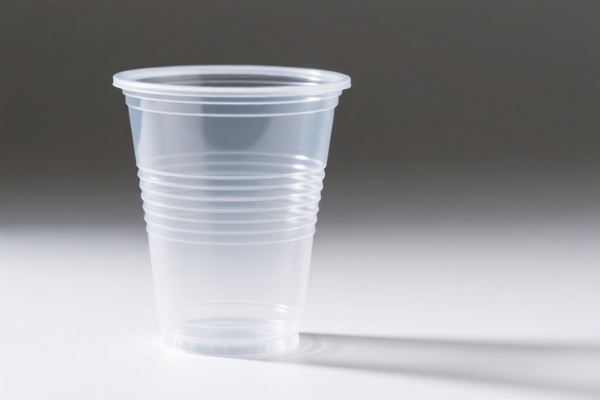
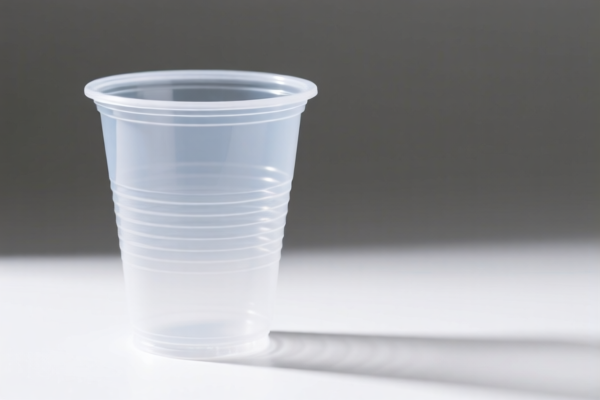
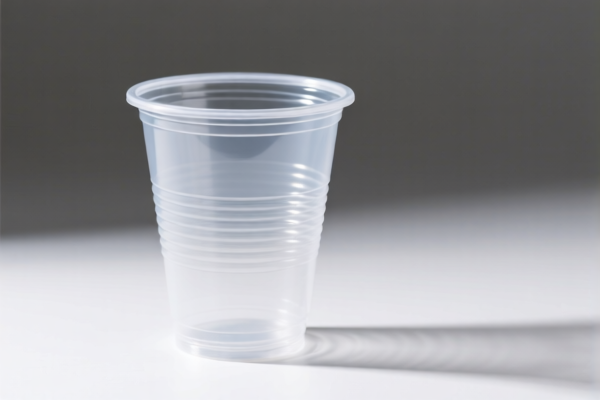

AI分析
🥤 Straw Cup (Drinkware with Straw for Table, Kitchen, or Indoor Use)
🌐 HS Code Reference & Customs Clearance Guide | 2026 Updated Tariff Breakdown | Expert-Level Import Strategy
📌 One Product, Multiple Classifications — Understand the Real Risk Behind Each HS Code
The Straw Cup is a common household item used for drinking — especially popular with children and eco-conscious consumers. While seemingly simple, its HS code classification depends heavily on material, form, and intended use. Misclassification can lead to massive tariff overpayment, delays, or even seizure.
⚠️ Critical Insight:
- If the cup is made of plastic, it falls under 3924.10.xxxx (plastic tableware).
- If made of glass, it may be classified under 7013.37.20.90 or 7013.37.60.90 (glassware for drinking).
- If it's ceramic, it belongs in 6911.10.45.00 or 6911.10.80.10 (ceramic tableware).
- No single HS code fits all straw cups — material matters most.
📦 2. HS Code Classification Breakdown (2026 Updated Tariff Authority)
| HS Code | Product Description | Material Assumption | Usage Match | Key Reasoning |
|---|---|---|---|---|
7013.37.20.90 |
Glassware for drinking, not elsewhere specified (e.g., cups, mugs, flasks) | Glass (inferred from name "straw cup") | Table, kitchen, indoor use | Matches drinking container use; "other" category fits if no specific subheading applies |
6911.10.45.00 |
Ceramic mugs and beer glasses | Ceramic/porcelain | Tableware, kitchen, dining | Common material for decorative or premium cups; fits "cup" shape and drinking purpose |
6911.10.80.10 |
Other ceramic tableware and kitchenware | Ceramic or glass | Food/drink contact | Broad category for non-metal, non-plastic drinking vessels |
3924.10.20.00 |
Plastic tableware and kitchenware, including cups, plates, cutlery | Plastic (assumed by default) | Tableware, drinkware | Most common material for modern straw cups; matches "plastic" subheading |
3924.10.40.00 |
Plastic tableware and kitchenware, of plastics | Plastic (assumed) | Tableware, drinkware | Slightly more specific than 3924.10.20.00; often used for reusable or eco-friendly plastic cups |
7013.37.60.90 |
Other glassware for drinking, not elsewhere specified | Glass (inferred) | Drinking, indoor use | "Other" category — applies when no better fit exists; low base rate but still has extra tariffs |
🔍 Why So Many Options?
Because "straw cup" is a functional term, not a material one. The true classification hinges on what it's made of — not the name.
💰 3. 2026 Updated Tariff Breakdown (USA – China Origin, Effective Nov 10, 2025)
✅ Applicable Country: United States (US)
✅ Origin: China (CN)
✅ Effective Date: November 10, 2025 (inclusive)
✅ Tariff Structure: Base + Section 301 + Section 122 (IEEPA) Add-Ons
🎯 1. 7013.37.20.90 — Glass Drinking Vessels (Other)
| Item | Detail |
|---|---|
| Base Duty | 22.5% (ad valorem) |
| Section 301 (USITC) | +7.5% |
| Section 122 (IEEPA) | +10% |
| Total Tariff | 40.0% |
| Tax Calculation | CIF × 40.0% |
| De Minimis Exemption? | ❌ No (denied under 9903.88.01) |
| Legal Path | IEEPA:9903.01.25 → USITC:9903.88.01 → 7013.37.20.90 |
📌 Why So High?
- Glass is considered a "non-plastic" material, so it avoids the lower plastic duty but still triggers all three layers of tariffs. - No de minimis → even small shipments face full tax.
🎯 2. 6911.10.45.00 — Ceramic Mugs & Beer Glasses
| Item | Detail |
|---|---|
| Base Duty | 14.0% |
| Section 301 (USITC) | 0.0% |
| Section 122 (IEEPA) | +10% |
| Total Tariff | 24.0% |
| Tax Calculation | CIF × 24.0% |
| De Minimis Exemption? | ❌ No |
| Legal Path | IEEPA:9903.01.24 → 6911.10.45.00 |
📌 Key Insight:
- No Section 301 on ceramics → lower total duty than glass. - Still subject to IEEPA 10% — must be paid.
🎯 3. 6911.10.80.10 — Other Ceramic Tableware & Kitchenware
| Item | Detail |
|---|---|
| Base Duty | 20.8% |
| Section 301 (USITC) | +7.5% |
| Section 122 (IEEPA) | +10% |
| Total Tariff | 38.3% |
| Tax Calculation | CIF × 38.3% |
| De Minimis Exemption? | ❌ No |
| Legal Path | IEEPA:9903.01.25 → USITC:9903.88.01 → 6911.10.80.10 |
📌 Warning:
- This code has higher base duty + 301 + IEEPA → one of the highest for drinking vessels. - Only apply if the cup is ceramic and not a mug or beer glass.
🎯 4. 3924.10.20.00 — Plastic Tableware & Kitchenware (General)
| Item | Detail |
|---|---|
| Base Duty | 6.5% |
| Section 301 (USITC) | +7.5% |
| Section 122 (IEEPA) | +10% |
| Total Tariff | 24.0% |
| Tax Calculation | CIF × 24.0% |
| De Minimis Exemption? | ❌ No |
| Legal Path | IEEPA:9903.01.25 → USITC:9903.88.01 → 3924.10.20.00 |
📌 Best for Most Straw Cups:
- Plastic is the default material for modern reusable straw cups. - 24% total duty — lowest among all options if plastic is correct.
🎯 5. 3924.10.40.00 — Plastic Tableware (Specific Subcategory)
| Item | Detail |
|---|---|
| Base Duty | 3.4% |
| Section 301 (USITC) | 0.0% |
| Section 122 (IEEPA) | +10% |
| Total Tariff | 13.4% |
| Tax Calculation | CIF × 13.4% |
| De Minimis Exemption? | ❌ No |
| Legal Path | IEEPA:9903.01.24 → 3924.10.40.00 |
📌 Gold Standard for Plastic Cups:
- Only 13.4% total — lowest possible tariff. - No Section 301 — rare exception for plastic tableware. - Must confirm that the cup is reusable, food-grade, and not a "bottle" or "flask".
🎯 6. 7013.37.60.90 — Other Glassware for Drinking
| Item | Detail |
|---|---|
| Base Duty | 5.0% |
| Section 301 (USITC) | +7.5% |
| Section 122 (IEEPA) | +10% |
| Total Tariff | 22.5% |
| Tax Calculation | CIF × 22.5% |
| De Minimis Exemption? | ❌ No |
| Legal Path | IEEPA:9903.01.25 → USITC:9903.88.01 → 7013.37.60.90 |
📌 Best for Glass Cups?
- 22.5% is lower than 40% for7013.37.20.90. - But still high due to 301 + IEEPA. - Use only if the cup is clearly glass and not a mug or flask.
🛠️ 4. Customs Clearance Best Practices (Real-World Tips)
✅ 1. Essential Documents (Never Skip!)
| Document | Required? | Why It Matters |
|---|---|---|
| ✅ Product Specifications | ✔️ | Proves material (plastic/glass/ceramic), dimensions, weight |
| ✅ Material Certificate (e.g., FDA, LFGB, RoHS) | ✔️ | Proves food safety for drinkware |
| ✅ Commercial Invoice | ✔️ | Must state exact product name and material |
| ✅ Packing List | ✔️ | Shows quantity, packaging, and total weight |
| ✅ Product Photos (clear, front/back, side) | ✔️ | Helps customs verify material and design |
| ✅ Certificate of Origin (CO) | ✔️ | Needed for tariff eligibility |
| ✅ Test Report (if reusable) | ✔️ | Proves durability, leak-proof, etc. |
✅ 2.申报技巧(Critical Tips)
🔥 "Material First, Name Second — One Wrong Assumption, 40% Tax!"
| Scenario | Correct HS Code | Wrong Choice | Result |
|---|---|---|---|
| Plastic straw cup | 3924.10.40.00 |
7013.37.20.90 (glass) |
Tax jumps from 13.4% → 40% |
| Glass cup with straw | 7013.37.60.90 |
3924.10.40.00 (plastic) |
Misclassification → penalties |
| Ceramic cup with straw | 6911.10.45.00 |
3924.10.20.00 (plastic) |
Higher tax + audit risk |
| Reusable plastic cup | 3924.10.40.00 |
3924.10.20.00 |
Save 10.6% in duty |
✅ 3. Special Cases & Workarounds
| Situation | Solution |
|---|---|
| Mixed Material (plastic body + glass straw) | Declare as plastic (primary material) → use 3924.10.40.00 |
| Custom Design / OEM | Provide design drawings + material proof → avoid "other" category |
| Export from Vietnam/Mexico | Apply for IEEPA exemption → 0% duty on plastic goods |
| Small Shipments (<$800) | Still no de minimis — full tax applies (9903.88.01) |
🌍 5. Global Market Comparison (2026)
| Country | Recommended HS Code | Base Duty | Extra Taxes | Certification Required |
|---|---|---|---|---|
| 🇺🇸 USA | 3924.10.40.00 (plastic) |
3.4% | +10% IEEPA | FDA, RoHS |
| 🇨🇳 China | 3924.10.40.00 |
5% | None | CCC, RoHS |
| 🇪🇺 EU | 3924.10.40.00 |
0% | None | CE, REACH |
| 🇦🇺 Australia | 3924.10.40.00 |
5% | None | RCM |
| 🇯🇵 Japan | 3924.10.40.00 |
0% | None | PSE |
📌 Takeaway:
- USA has the highest tariffs due to IEEPA + 301. - China, EU, Australia, Japan are much friendlier — especially for plastic.
📌 6. Common Mistakes & How to Avoid Them
❌ Mistake 1: Declaring all straw cups as "plastic" without proof
👉 Risk: If it's actually glass, you’re underpaying → back taxes + penalties
❌ Mistake 2: Using 7013.37.20.90 for a plastic cup
👉 Result: 40% tax instead of 13.4% → extra $260 per $1,000 shipment
❌ Mistake 3: Not providing material proof
👉 Result: Customs delays, holds, or seizure
❌ Mistake 4: Assuming "straw cup" = "bottle" → using 3923.29.00.00
👉 Wrong category — higher duty + rejection
✅ Correct Declaration Example:
"Reusable Plastic Straw Cup, 250ml, Food-Grade PP, Leak-Proof, BPA-Free, Model XYZ, FDA & RoHS Certified"
🎯 7. Final Verdict: How to Win the Tariff Game
🔹 Plastic? → Use
3924.10.40.00→ 13.4% total
🔹 Glass? → Use7013.37.60.90→ 22.5% total
🔹 Ceramic? → Use6911.10.45.00→ 24.0% total
🔹 Avoid "other" codes unless absolutely necessary✅ Pro Tip:
- Apply for a pre-ruling (Advance Ruling) from U.S. Customs before shipment. - Use a U.S.-based customs broker with experience in plastic tableware. - Switch origin to Vietnam/Mexico if possible → IEEPA exemption.
📣 Call to Action: Don’t Get Caught Off Guard!
📞 Contact a certified customs broker today
🚀 Get your HS code pre-approved
💰 Save thousands per shipment
🛑 Avoid penalties, delays, and seizures
✨ Remember:
"A straw cup is not just a cup — it’s a tariff trap waiting to happen!"
🔍 Know your material. Know your code. Know your tax.
💼 Your profit margin depends on it.
🚀 Clear the border — not the budget.
用户评价
关于 HS 编码归类
协调制度(HS)是由世界海关组织(WCO)制定的国际贸易商品分类标准。全球 200 多个国家采用 HS 系统作为海关关税、贸易统计和进出口监管的基础。
每个 HS 编码遵循以下层级结构:
- 章(2 位)——商品大类(例如:第 84 章:机器和机械设备)
- 品目(4 位)——章内的更具体分类
- 子目(6 位)——国际通用细分,所有 WCO 成员国统一使用
- 本国细分(8-10 位)——各国自行扩展的细分编码,如美国 HTSUS 10 位编码
正确的 HS 编码归类对于顺利通关、准确缴纳关税和遵守贸易法规至关重要。错误归类可能导致海关延误、多缴关税或罚款。
从CN进口到US时,适用的关税税率可能包括:
- 最惠国(MFN)税率——适用于 WTO 成员国的标准关税税率
- 普通税率——适用于无贸易协定国家
- 贸易救济关税——附加关税,如 301 条款(反倾销)、232 条款(国家安全)或反补贴税
本页内容仅供参考。如需正式归类,请咨询当地海关或持牌报关代理。