thermos flask
CN → US| HS编码 | 关税税率 | 原产国 | 目的国 | 文档 |
|---|---|---|---|---|
| 9617001000 | 17.2% | CN | US | 官方文档 |
| 9617003000 | 16.9% | CN | US | 官方文档 |
| 7323930060 | 62.0% | CN | US | 官方文档 |
| 7323999030 | 88.4% | CN | US | 官方文档 |
| 7418100051 | 70.5% | CN | US | 官方文档 |
商品图片
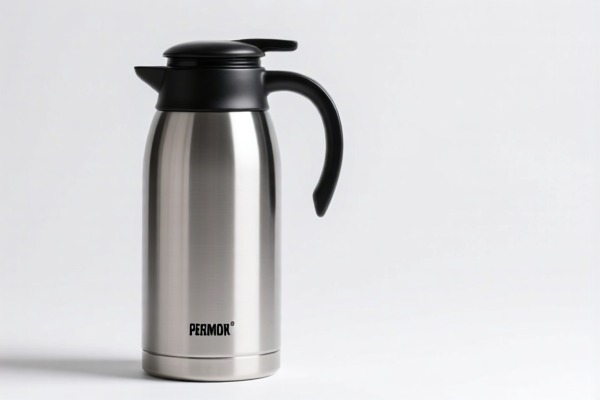
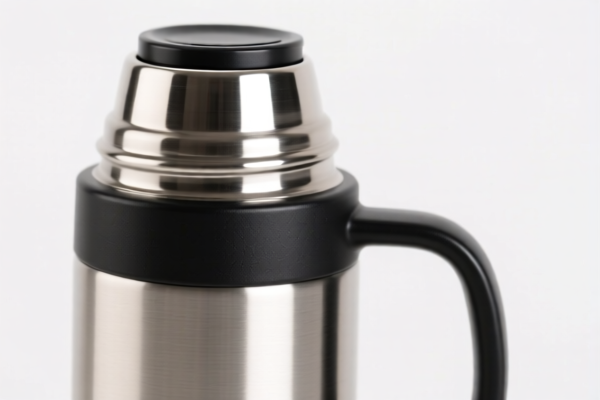
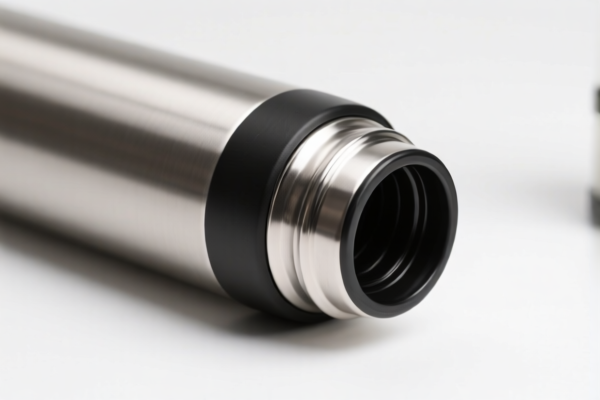
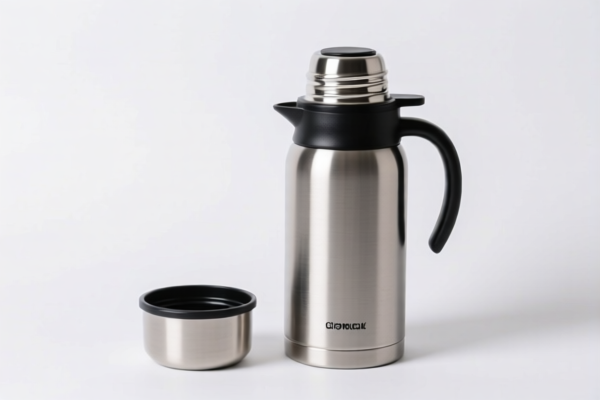
AI分析
🥤 Thermos Flask (Vacuum Flasks & Insulated Containers)
🌐 HS Code Reference & Customs Clearance Guide | 2026 Tax Rate Breakdown | Strategic通关 Strategy
📌 一、Product Definition & Classification: Do You Really Know "Thermos Flasks"?
A Thermos Flask (Vacuum Flask) is a household or kitchen appliance designed to maintain the temperature of liquids (hot or cold) using vacuum insulation. In international trade, its classification is highly sensitive to material composition and specific construction details. Misclassification can lead to tax jumps from 7% to over 88%, causing severe financial loss.
Core Classification Logic: 1. Vacuum Technology & Finish: If classified strictly as a "Vacuum Container" (finished consumer good), it falls under Chapter 96. 2. Material Composition: If the focus is on the stainless steel, copper, or aluminum material used in kitchenware, it often falls under Chapter 73 or 74. 3. The Risk: Many flasks are stainless steel (Chapter 73). However, the US imposes massive tariffs (up to 50% extra) on steel/aluminum copper products in this chapter, whereas the "Vacuum Container" classification (Chapter 96) carries a much lighter tariff burden.
⚠️ Critical Distinction:
- Chapter 96 (9617): Focuses on the "Vacuum Container" function. (Lower Tax ~17%)
- Chapter 73/74 (Kitchenware): Focuses on the "Steel/Aluminum/Copper Material". (High Tax ~62% - 88%)
- The Trap: Declaring a stainless steel flask as "Kitchenware" (7323) invites the 50% Steel/Aluminum surcharge. Declaring it as a "Vacuum Container" (9617) often avoids this specific penalty.
📦 二、HS Code Classification Details (2026 Tax Reference)
| HS Code | Product Description | Summary Logic | Total Tax Rate |
|---|---|---|---|
9617.00.10.00 |
Vacuum Containers (Finished Consumer Goods) | Focuses on the "Thermos" function and finished status. | 17.2% |
9617.00.30.00 |
Vacuum Containers (General Category) | Fits the broad definition of "Vacuum Vessel." | 16.9% |
7323.93.00.60 |
Stainless Steel Kitchenware | Stainless steel material + Kitchen/Utensil definition. | 62.0% |
7323.99.90.30 |
Other Stainless Steel Kitchenware | General "Tableware" definition (High Penalty Zone). | 88.4% |
7418.10.00.51 |
Copper/Aluminum Tableware | If the flask is copper/aluminum based. | 70.5% |
🔍 Key Observation:
- Safe Zone:9617series (16.9% - 17.2%).
- Danger Zone:7323&7418series (62% - 88.4%).
- Why the huge gap? The7323/7418codes trigger an additional 50% tariff for "Steel, Aluminum, Copper Products" (Section 232/122 measures), whereas9617does not.
💰 三、2026 Tax Rate Breakdown (Detailed Tariff Analysis)
✅ Applicable Market: United States (US)
✅ Origin: China (CN)
✅ 生效 Time: Current Measures (Section 301, Section 232, Section 122)
🎯 1. 9617.00.10.00 —— Vacuum Containers (Best Choice)
Summary: "Thermos flask belongs to vacuum containers, conforms to finished consumer goods definition."
| Item | Detail |
|---|---|
| Base Tariff | 7.2% |
| Additional 301 Tax | 0.0% (Exempt) |
| Section 122 Tax | +10.0% (Applied to certain categories) |
| Steel/Cu/Al Surcharge | 0.0% (Avoided by proper classification) |
| Total Tax Rate | 17.2% |
| Legal Logic | 9617 covers the function (Vacuum), avoiding the material penalty of Chapter 73. |
📌 Explanation:
This is the optimal classification for most modern thermos flasks. By emphasizing the "Vacuum Container" nature, you avoid the harsh "Steel/Aluminum/Copper" surcharges that apply to Chapter 73. The 10% Section 122 tax is the only additional cost.
🎯 2. 9617.00.30.00 —— Vacuum Containers (General)
Summary: "Thermos flask belongs to the category of vacuum containers, conforming to vessel usage attributes."
| Item | Detail |
|---|---|
| Base Tariff | 6.9% |
| Additional 301 Tax | 0.0% |
| Section 122 Tax | +10.0% |
| Steel/Cu/Al Surcharge | 0.0% |
| Total Tax Rate | 16.9% |
| Legal Logic | Slightly lower base rate, but same logic as above. Valid for standard vacuum vessels. |
🚨 3. 7323.93.00.60 —— Stainless Steel Kitchenware (High Risk)
Summary: "Thermos flasks are typically made of stainless steel, belonging to kitchen and household utensils."
| Item | Detail |
|---|---|
| Base Tariff | 2.0% |
| Additional 301 Tax | 0.0% |
| Section 122 Tax | +10.0% |
| Steel/Cu/Al Surcharge | +50.0% (CRITICAL PENALTY) |
| Total Tax Rate | 62.0% |
| Legal Logic | Because it is classified as "Stainless Steel Kitchenware," it triggers the 50% Section 232/122 steel surcharge. |
📌 Danger:
If your flask is made of stainless steel, DO NOT classify it under7323unless you are prepared to pay 62% tax. The 50% "Steel Surcharge" is the killer here.
🚨 4. 7323.99.90.30 —— Other Stainless Steel Kitchenware (Highest Risk)
Summary: "Thermos flasks belong to household utensils, conforming to Kitchen/Tableware definition."
| Item | Detail |
|---|---|
| Base Tariff | 3.4% |
| Additional 301 Tax | 25.0% |
| Section 122 Tax | +10.0% |
| Steel/Cu/Al Surcharge | +50.0% |
| Total Tax Rate | 88.4% |
| Legal Logic | This is the "Perfect Storm" of taxes: Base + 301 + 122 + Steel Surcharge. |
📌 Avoid: This code is almost never suitable for a Thermos Flask unless it is a non-vacuum, simple stainless steel bowl or pot.
🚨 5. 7418.10.00.51 —— Copper/Aluminum Tableware (High Risk)
Summary: "Thermos flasks are household drinking vessels, conforming to non-electric heater appliances definition."
| Item | Detail |
|---|---|
| Base Tariff | 3.0% |
| Additional 301 Tax | 7.5% |
| Section 122 Tax | +10.0% |
| Steel/Cu/Al Surcharge | +50.0% |
| Total Tax Rate | 70.5% |
| Legal Logic | Applies if the flask is made of copper/aluminum, triggering the material surcharge. |
🛠️ 四、Customs Clearance Practical Advice (Avoiding Pitfalls)
✅ 1. The "Material vs. Function" Strategy
Golden Rule: "Classify by Function (Vacuum), not by Material (Steel)."
- Correct: Declare as9617.00.10.00(Vacuum Container).
- Incorrect: Declare as7323(Stainless Steel Utensils).
- Why: Classifying as9617avoids the 50% Steel/Cu/Al surcharge, saving you 45% - 70% in taxes.
✅ 2. Documentation Checklist (Must-Have)
| Document | Requirement | Reason |
|---|---|---|
| Product Description | Must explicitly state "Vacuum Insulated Flask" or "Vacuum Container". | Avoids "Kitchenware" interpretation. |
| Technical Drawing | Show the double-wall vacuum structure. | Proof that it is a "Vacuum Container" (Ch 96) and not just a "Metal Pot" (Ch 73). |
| Marketing Material | Show the product as a "Thermos" or "Vacuum Flask." | Supports the functional classification. |
| BOM (Bill of Materials) | List vacuum seal technology. | Reinforces the "finished consumer good" status. |
| Duty Paid Invoice | Show historical duty rates for 9617. |
Helps customs officer verify the correct rate. |
✅ 3. Declaration Wording (Crucial)
Bad Declaration:
"Stainless Steel Water Bottle, Kitchen Utensil, 500ml" → Risk: 88.4% (Misclassified as Ch 73).Good Declaration:
"Vacuum Flask, Stainless Steel, 500ml, Double-Wall Vacuum Insulated Container, for drinking, Finished Consumer Good" → Target: 17.2% (Classified as Ch 96).
✅ 4. Special Scenarios
| Scenario | Advice |
|---|---|
| Enameled Steel Flask | Still prefer 9617 if vacuum is present. Enameled coating doesn't change the vacuum function. |
| Plastic/Ceramic Vacuum Flask | Absolutely must use 9617. Do not try 7323 or 7418. |
| Non-Vacuum Metal Bottle | If it has NO vacuum (just double wall without vacuum seal), it MUST be 7323. You cannot fake the "Vacuum" claim. |
| Electro-Thermal Flask | If it has a heating element, it might fall under Chapter 85. Do not use 7323. |
🌍 五、Global Market Comparison (2026)
| Market | Recommended HS Code | Effective Tax Rate | Key Risk |
|---|---|---|---|
| 🇺🇸 USA | 9617.00.10.00 |
17.2% | HIGH: Misclassification as 7323 = 62%+. |
| 🇨🇳 China | 9617.00.10.00 |
Low (Check local) | Standard import duty. |
| 🇪🇺 EU | 9617.00.10.00 |
Low (0-2%) | No Section 122/232 penalties like US. |
| 🇯🇵 Japan | 9617.00.10.00 |
0-5% | Focus on "Food Contact" standards. |
📌 Conclusion:
The US market is the only one with this extreme tax disparity (17% vs 88%).
Action: Ensure your HS Code is 9617, not 7323, to survive US market entry.
📌 六、Common Mistakes & Bloodbath Lessons
❌ Mistake 1: Using "Stainless Steel Water Bottle" as the description.
👉 Result: Customs assumes 7323 → 88.4% Tax → Loss of Profit.
❌ Mistake 2: Failing to prove "Vacuum" status in drawings.
👉 Result: Customs officer rejects 9617 → Forced to reclassify as 7323 → Audit & Penalty.
❌ Mistake 3: Declaring as "Kitchenware" or "Tableware".
👉 Result: Triggers "Kitchenware" surcharges → 50% Steel Penalty.
✅ Correct Action:
"Vacuum Flask, Stainless Steel, Vacuum Insulated Container, Model XYZ."
Code:9617.00.10.00
Tax: 17.2% (Save 70%+).
🎯 七、Conclusion: Precision is Profit!
🚀 The Mantra:
"Vacuum First, Steel Second!"
"If it's a Thermos, use 9617! If you use 7323, you lose everything!"📌 Final Tip:
Always request a Pre-Ruling (Advance Ruling) from US Customs for9617classification if the volume is high. This locks in the 17.2% rate and protects you from a sudden 50% tax hike at the border.
📣 Immediate Action Required:
🔹 Review your BOM: Ensure the vacuum structure is documented.
🔹 Update Labeling: Change "Water Bottle" to "Vacuum Container".
🔹 Contact Customs Broker: Confirm9617.00.10.00is the correct code.
✨ Professional Customs Clearance Starts with the Right HS Code!
💼 Your margin depends on this single decimal point!
用户评价
关于 HS 编码归类
协调制度(HS)是由世界海关组织(WCO)制定的国际贸易商品分类标准。全球 200 多个国家采用 HS 系统作为海关关税、贸易统计和进出口监管的基础。
每个 HS 编码遵循以下层级结构:
- 章(2 位)——商品大类(例如:第 84 章:机器和机械设备)
- 品目(4 位)——章内的更具体分类
- 子目(6 位)——国际通用细分,所有 WCO 成员国统一使用
- 本国细分(8-10 位)——各国自行扩展的细分编码,如美国 HTSUS 10 位编码
正确的 HS 编码归类对于顺利通关、准确缴纳关税和遵守贸易法规至关重要。错误归类可能导致海关延误、多缴关税或罚款。
从CN进口到US时,适用的关税税率可能包括:
- 最惠国(MFN)税率——适用于 WTO 成员国的标准关税税率
- 普通税率——适用于无贸易协定国家
- 贸易救济关税——附加关税,如 301 条款(反倾销)、232 条款(国家安全)或反补贴税
本页内容仅供参考。如需正式归类,请咨询当地海关或持牌报关代理。