warm socks
CN → US| HS编码 | 关税税率 | 原产国 | 目的国 | 文档 |
|---|---|---|---|---|
| 6217109510 | 32.1% | CN | US | 官方文档 |
| 6115969020 | 24.6% | CN | US | 官方文档 |
| 6217109550 | 32.1% | CN | US | 官方文档 |
| 6115959000 | 31.0% | CN | US | 官方文档 |
| 6117909080 | 32.1% | CN | US | 官方文档 |
商品图片
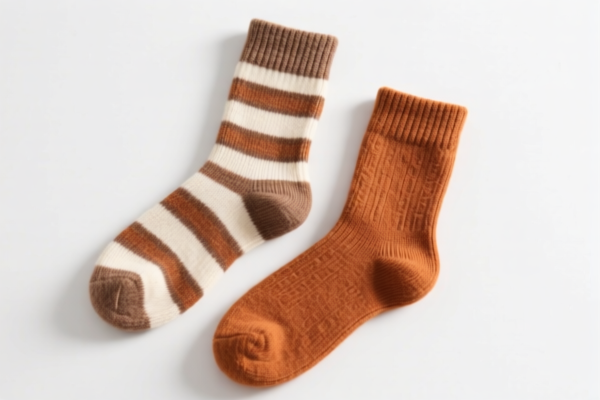
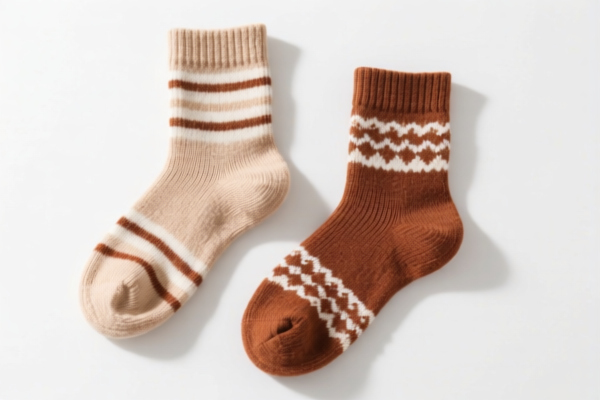


AI分析
🧦 Warm Socks (Thermal & Insulated Hosiery)
🌐 HS Code Reference & Customs Clearance Guide | 2026 Tax Regime Deep Dive | Strategic Compliance Strategy
📌 I. Product Definition & Classification: Do You Know Your "Warm Socks"?
Warm Socks are essential winter garments designed to retain body heat, providing comfort in cold climates. In international trade, they are classified based on three critical factors:
- Material Composition (Cotton, Wool, Synthetic Fibers, etc.)
- Manufacturing Method (Knitted vs. Woven)
- Specific Design/Usage (Thermal, Athletic, Fashion, etc.)
⚠️ Key Distinction:
- Knitted Socks (Elastic, stretchy, made on knitting machines) → Typically fall under Chapter 61
- Woven Socks/Accessories (Non-stretch, fabric-based) → Typically fall under Chapter 62
- "Other" Categories → Used as catch-alls for specific material compositions not explicitly listed in primary subheadings.
📦 II. HS Code Classification Details (2026 Latest Tariff Authority)
| HS Code | Product Description | Material Inference | Application Scenario | Tax Detail Summary |
|---|---|---|---|---|
6217.10.95.10 |
Warm Socks (Accessory/Clothing) | Cotton, Wool, or Synthetic | General thermal wear, fall-back category for accessories | 32.1% (Base 14.6% + 7.5% Additional + 10% 122 Clause) |
6115.96.90.20 |
Matched Form (Socks) + Use (Warmth) | Synthetic Fibers | Pure synthetic thermal socks, specific "Other" subheading | 24.6% (Base 14.6% + 0% Additional + 10% 122 Clause) |
6217.10.95.50 |
Finished Consumer Goods (Socks) | Mixed/General | "Other clothing accessories" catch-all for finished socks | 32.1% (Base 14.6% + 7.5% Additional + 10% 122 Clause) |
6115.95.90.00 |
Matched Form (Socks) + Use (Warmth) | Cotton, Wool, or Chemical | "Other/Cotton-made" catch-all for knitted socks | 31.0% (Base 13.5% + 7.5% Additional + 10% 122 Clause) |
6117.90.90.80 |
Explicitly Cotton-Made, Knitted Accessories | 100% Cotton | Knitted garment accessories (socks) made of cotton | 32.1% (Base 14.6% + 7.5% Additional + 10% 122 Clause) |
🔍 Critical Insight:
-6115.96.90.20offers the lowest total tax (24.6%), but only if the product is 100% synthetic fibers.
- Cotton-based warm socks generally attract higher additional tariffs (7.5%), pushing total rates to 31.0% or 32.1%.
- Chapter 62 (Woven) codes (6217.10.95.10,6217.10.95.50) are less common for standard warm socks unless they are non-knitted accessories, but if misclassified, they incur the 32.1% rate.
💰 III. 2026 Tax Rate Breakdown (Detailed Policy Analysis)
✅ Target Market: United States (US)
✅ Origin: China (CN)
✅ Effective Date: 2025/2026 Regime (Including Section 232/301 & Section 122 provisions)
🎯 1. 6115.96.90.20 – The "Synthetic Savior" (Lowest Tax)
Best for: Purely synthetic thermal socks (Polyester, Nylon, Acrylic blends).
| Component | Rate | Description |
|---|---|---|
| Base Duty | 14.6% | Standard Most-Favored-Nation (MFN) rate for knitted hosiery. |
| Additional Duty | 0.0% | Crucial: This specific synthetic code avoids the 7.5% "Additional Duty" (often associated with China-specific penalties or Section 301 lists). |
| Section 122 Duty | 10.0% | Mandatory: "122 Clause" tariff applies to all textile/hosiery imports from China to prevent circumvention. |
| Total Rate | 24.6% | Calculation: 14.6% + 0% + 10% = 24.6% |
📌 Why it matters:
- If your socks are synthetic, this is your winning code.
- It saves 7.5% compared to cotton/woven alternatives.
- Legal Basis:6115.96.90.20aligns with synthetic fibers and specific "Other" classifications that bypass the higher penalty tier.
🎯 2. 6115.95.90.00 – The "Cotton/Knit" Standard
Best for: Cotton, Wool, or mixed-material knitted warm socks.
| Component | Rate | Description |
|---|---|---|
| Base Duty | 13.5% | Standard MFN rate for "Other" knitted hosiery. |
| Additional Duty | 7.5% | Penalty Tier: Applied to non-synthetic or specific cotton/wool categories subject to Section 301/302 additional measures. |
| Section 122 Duty | 10.0% | Mandatory: Applies to all Chinese-origin hosiery. |
| Total Rate | 31.0% | Calculation: 13.5% + 7.5% + 10% = 31.0% |
📌 Why it matters:
- Higher base duty than synthetic (13.5%vs14.6%is a trick, but the 7.5% penalty kills the savings).
- Total 31.0% makes cotton wool socks significantly more expensive for US importers.
🎯 3. 6217.10.95.10 / 6217.10.95.50 / 6117.90.90.80 – The "Accessory" Trap
Best for: Woven socks, specific cotton accessories, or fallback categories.
| Component | Rate | Description |
|---|---|---|
| Base Duty | 14.6% (or 13.5% for 6117) |
Standard rate for "Other made-up clothing accessories." |
| Additional Duty | 7.5% | Penalty Tier: Almost always applies to these "Other" categories under current trade measures. |
| Section 122 Duty | 10.0% | Mandatory: Universal for this sector. |
| Total Rate | 31.0% - 32.1% | Calculation: ~32.1% for most; 31.0% for specific cotton knit accessories. |
📌 Why it matters:
- These codes are often fallback options when the primary classification is ambiguous.
- They almost always incur the 7.5% Additional Duty, making them the most expensive option for importers.
- Risk: Misclassifying a standard sock as an "Accessory" (6217) when it should be "Hosiery" (6115) can lead to audits if the material doesn't match the description.
🛠️ IV. Customs Clearance Practical Tips (Real-World Pitfall Avoidance)
✅ 1. Material Declaration is King
| Scenario | Action | Consequence |
|---|---|---|
| Product is 80% Polyester, 20% Cotton | Declare as Synthetic (6115.96.90.20) if synthetic dominates. |
Tax: 24.6% (Saves 7.5%) |
| Product is 51% Cotton, 49% Wool | Must declare as Cotton/Wool (6115.95.90.00). |
Tax: 31.0% (No escape from penalty) |
| Product is "Warm Socks" but Material Unknown | Risk: Customs may classify as 6217 or demand testing. |
Result: 32.1% + Delays + Lab Fees |
🔥 Rule: "Material Dictates Tax." If you can prove >50% synthetic, fight for
6115.96.90.20. If cotton/wool dominates, prepare for the 31-32% bracket.
✅ 2.申报技巧 (Declaration Strategy)
| Case | Correct Declaration | Wrong Declaration |
|---|---|---|
| Knitted Thermal Socks (Synthetic) | 6115.96.90.20 - "Synthetic Knitted Socks, Thermal" |
6217.10.95.10 - "Clothing Accessory" |
| Cotton Warm Socks | 6115.95.90.00 - "Cotton/Wool Knitted Socks" |
6117.90.90.80 - "Other Accessories" |
| Mixed Material (No Dominant) | 6115.95.90.00 (Cotton rule applies) |
6217.10.95.50 (Higher risk) |
⚠️ Warning: Do not use
6217(Accessories) for standard socks unless they are woven (rare for warm socks). Customs officers frequently flag "socks" declared as "accessories" for misclassification audits.
✅ 3. Special Handling: Section 122 Compliance
| Issue | Solution |
|---|---|
| "122 Clause" 10% Tax | This is non-negotiable for Chinese-origin socks. Ensure your supplier provides proof of origin (Certificate of Origin) clearly stating "Made in China". |
| Country of Origin Ambiguity | If socks are made in Vietnam but from Chinese yarn, you cannot avoid the 10% 122 Clause if the "substantial transformation" test fails. |
| De Minimis Exemption | ❌ NO. Warm socks do not qualify for de minimis exemptions (usually <800 USD for individuals, but for commercial imports, the 122 Clause applies regardless). |
🌍 V. Global Market Comparison (2026 Context)
| Market | Recommended HS Code | Total Tax (China Origin) | Notes |
|---|---|---|---|
| 🇺🇸 USA | 6115.96.90.20 (Synthetic) |
24.6% | Best option if synthetic. Cotton = 31.0%+ |
| 🇺🇸 USA | 6115.95.90.00 (Cotton) |
31.0% | Standard for wool/cotton thermal wear |
| 🇪🇺 EU | 6115.95 or 6115.96 |
Varies (0-14%) | No Section 122. Lower base duties. No 10% penalty. |
| 🇯🇵 Japan | 6115.95 / 6115.96 |
~10-14% | Lower tariffs, but strict material labeling. |
📌 Conclusion:
- USA is the highest cost market for warm socks due to the Section 122 (10%) and Additional Duties (0% or 7.5%).
- Material Composition is the single biggest factor in cost optimization.
- Synthetic socks are the only way to access the 24.6% rate.
📌 VI. Common Errors & "Blood & Tears" Lessons
❌ Mistake 1: Declaring "Warm Socks" as "Accessories" (6217) to save money.
👉 Result: Higher tax (32.1%) + Audit risk. Customs knows socks are hosiery, not accessories.
❌ Mistake 2: Assuming "Cotton" always means lower tax.
👉 Result: Cotton triggers the 7.5% Additional Duty, raising total tax to 31.0% (vs. 24.6% for synthetic).
❌ Mistake 3: Ignoring the "122 Clause" in commercial invoices.
👉 Result: 10% surprise tax at customs + Storage fees + Delayed release.
✅ Correct Approach:
"Knitted Warm Socks, 85% Polyester, 15% Spandex, Model WS-2026, Made in China."
Declare:6115.96.90.20→ Pay 24.6%.
🎯 VII. Conclusion: Precision Classification = Profit Protection
🎯 Remember the Golden Rules:
🔹 "Synthetic Wins": If >50% synthetic, push for
6115.96.90.20to save 7.5%!
🔹 "Cotton Loses": Cotton/Wool socks will pay the 7.5% penalty (Total 31-32%).
🔹 "122 is Real": The 10% Section 122 tax is mandatory for all Chinese-origin socks.
🔹 "Hosiery > Accessories": Never declare socks as6217unless they are truly woven accessories.
📌 Pro Tip:
If your supply chain allows, consider blending synthetic fibers (Polyester/Nylon) to dominate the composition. This single material shift can reduce your total tax burden by 30% (from ~32% to ~24.6%).
📣 Immediate Action Required:
📞 Verify Material Composition with your factory TODAY.
📄 Update Commercial Invoices to explicitly state "% Synthetic".
🚀 Pre-File HS Code Ruling for6115.96.90.20if eligible.
✨ Smart Classification, Lower Costs, Faster Clearance!
💼 Your profit margin depends on the first two digits of your HS Code!
用户评价
关于 HS 编码归类
协调制度(HS)是由世界海关组织(WCO)制定的国际贸易商品分类标准。全球 200 多个国家采用 HS 系统作为海关关税、贸易统计和进出口监管的基础。
每个 HS 编码遵循以下层级结构:
- 章(2 位)——商品大类(例如:第 84 章:机器和机械设备)
- 品目(4 位)——章内的更具体分类
- 子目(6 位)——国际通用细分,所有 WCO 成员国统一使用
- 本国细分(8-10 位)——各国自行扩展的细分编码,如美国 HTSUS 10 位编码
正确的 HS 编码归类对于顺利通关、准确缴纳关税和遵守贸易法规至关重要。错误归类可能导致海关延误、多缴关税或罚款。
从CN进口到US时,适用的关税税率可能包括:
- 最惠国(MFN)税率——适用于 WTO 成员国的标准关税税率
- 普通税率——适用于无贸易协定国家
- 贸易救济关税——附加关税,如 301 条款(反倾销)、232 条款(国家安全)或反补贴税
本页内容仅供参考。如需正式归类,请咨询当地海关或持牌报关代理。