women's clothing
CN → US| HS编码 | 关税税率 | 原产国 | 目的国 | 文档 |
|---|---|---|---|---|
| 6204628018 | 34.1% | CN | US | 官方文档 |
| 6104499060 | 23.1% | CN | US | 官方文档 |
| 6212109020 | 34.4% | CN | US | 官方文档 |
| 6204434030 | 33.5% | CN | US | 官方文档 |
| 6104198090 | 23.1% | CN | US | 官方文档 |
商品图片
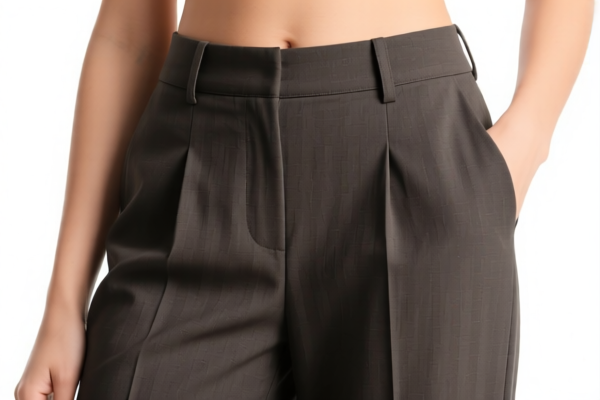
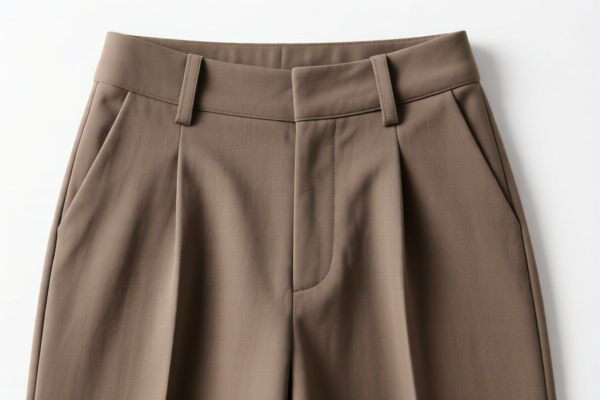

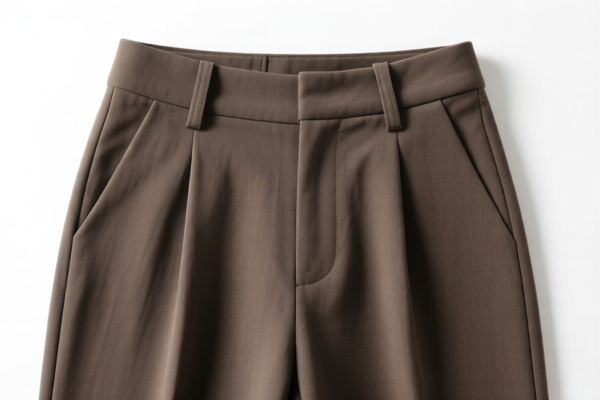
AI分析
👗 Women's Clothing: The Ultimate HS Code & Tariff Masterclass (2026 Edition)
🌐 HS Code Reference & Clearance Guide | 2026 Latest Tariff Breakdown | Professional Customs Strategy
📌 I. Product Definition & Classification: Do You Really Understand "Women's Clothing"?
Women's clothing is a broad category in international trade, covering everything from dresses and suits to lingerie and accessories. In customs classification, fabric composition and manufacturing method (knitted vs. woven) are the critical differentiators.
Key Classification Axes: * Chapter 61 (Knitted/Crocheted): Soft, stretchy fabrics (e.g., T-shirts, jersey dresses). * Chapter 62 (Non-Knitted/Woven): Structured fabrics (e.g., cotton shirts, formal dresses, denim). * Specific Items: Lingerie (Chapter 62/61) vs. Outerwear.
⚠️ Critical Distinction:
- Knitted (61xx): Often softer, stretchy, "sweatshirt" style.
- Woven (62xx): Structured, "shirt-style" or "dress-style" with clear stitching lines.
- Material Matters: Cotton, Synthetic (Polyester/Viscose), and Blends determine the exact sub-heading.
📦 II. HS Code Breakdown (2026 Latest Tariff Matrix)
Based on the provided data, here is the precise mapping for the 5 key categories of women's clothing identified in the dataset.
| HS Code | Product Description | Material/Type Inference (Based on Data) | Total Tariff Rate |
|---|---|---|---|
6204.43.40.30 |
Women's Dresses | Woven, likely Synthetic/Blended. Fits "Formal/Day Dress" category. | 33.5% |
6104.19.80.90 |
Women's Suits (Knitted) | Knitted/Crocheted. "Catch-all" material inference for knitted suits. | 23.1% |
6204.62.80.18 |
Women's Trousers/Pants | Woven. Likely Cotton blend (inferred from "catch-all" logic for cotton). | 34.1% |
6104.49.90.60 |
Women's Dresses (Knitted) | Knitted. "Other textile materials" (non-cotton/non-silk inference). | 23.1% |
6212.10.90.20 |
Bras & Undergarments | Woven. Likely Synthetic fibers (common for lingerie construction). | 34.4% |
🔍 Key Insight:
- Knitted (6104) items generally carry a lower base tariff (5.6%) compared to Woven (6204/6212) items (16%–16.9%). - However, all items listed here are subject to significant additional duties, pushing the total tax to 23%–34%.
💰 III. 2026 Latest Tariff Rate Deep Dive (Base + Surcharges + Policy Add-ons)
✅ Applicable Country: USA (US)
✅ Origin: China (CN)
✅ Effective Date: 2026 Tariff Regime (Post-2025 Adjustments)
🎯 1. Woven Dresses & Pants (6204.43.40.30, 6204.62.80.18)
The "High-Tax" Woven Category
| Component | Rate | Legal Basis |
|---|---|---|
| Base Tariff | 16.0% – 16.6% | Standard MFN (Most Favored Nation) rate for woven women's wear. |
| Section 301 Add-on | +7.5% | US Trade Representative Section 301 "China Specific" Tariff. |
| 122 Clause (Section 122) | +10.0% | Special "122 Clause" tariff targeting specific textile imports from China. |
| TOTAL TAX | 33.5% – 34.1% | High Impact! |
📌 Explanation:
- Section 301 (7.5%): Applied to cover trade imbalances. - 122 Clause (10%): A specific punitive measure for certain textile categories, significantly inflating the cost. - Total: For a $1,000 shipment, expect $335–$341 in duties alone.
🎯 2. Knitted Suits & Dresses (6104.19.80.90, 6104.49.90.60)
The "Moderate-Tax" Knitted Category
| Component | Rate | Legal Basis |
|---|---|---|
| Base Tariff | 5.6% | Lower base rate for knitted garments (Chapter 61). |
| Section 301 Add-on | +7.5% | Same Section 301 penalty as woven items. |
| 122 Clause (Section 122) | +10.0% | Same punitive 122 clause applies. |
| TOTAL TAX | 23.1% | Moderate-High Impact! |
📌 Explanation:
- While the Base Tariff is roughly 10% lower than woven items, the 122 Clause + 301 add-ons remain constant, resulting in a total of 23.1%. - Savings: Knitted items save approximately 10–11% compared to woven equivalents due to the lower base rate.
🎯 3. Lingerie/Bras (6212.10.90.20)
The "Highest Tax" Category
| Component | Rate | Legal Basis |
|---|---|---|
| Base Tariff | 16.9% | Highest base rate among the list (likely due to synthetic fiber classification). |
| Section 301 Add-on | +7.5% | Standard Section 301. |
| 122 Clause (Section 122) | +10.0% | Standard 122 Clause. |
| TOTAL TAX | 34.4% | Maximum Impact! |
📌 Explanation:
- Bras and undergarments face the highest total tax (34.4%) because the base tariff (16.9%) is the highest in this dataset. - This category is highly sensitive to material composition; synthetic blends are taxed higher.
🛠️ IV. Customs Clearance Practical Advice (实战避坑指南)
✅ 1. Material Declaration is King (Declaration Precision)
🔥 Rule: "Material = Tax Rate." - DO: Specify exact composition (e.g., "95% Polyester, 5% Spandex" vs. "100% Cotton"). - DON'T: Use vague terms like "Synthetic Material" or "Textile Blend" without percentages. - Risk: If declared as "Cotton" but found to be "Synthetic," the base rate jumps from ~16% to higher tiers, and penalties apply.
| Item Type | Critical Declaration Field | Why It Matters |
|---|---|---|
Dresses (6204) |
"Woven", "Material %", "Style (Knitted vs. Woven)" | Determines Chapter 62 vs. 61. |
Knitted Suits (6104) |
"Knitted", "Gauge", "Fabric Type" | Determines Chapter 61 (Lower Base). |
Lingerie (6212) |
"Elasticized", "Synthetic Content" | Determines specific sub-heading (Higher Base). |
✅ 2. Avoiding the "122 Clause" Trap
🚨 Warning: The +10% "122 Clause" tariff is automatic for these HS codes from China. - Strategy: Cannot be avoided via standard "de minimis" rules (Section 321) for most commercial shipments. - Solution: If volume allows, consider Transshipment to non-China origins (e.g., Vietnam, Cambodia) to potentially bypass the 122 Clause (though verify origin rules carefully to avoid "Transshipment" penalties).
✅ 3. Packaging & Labeling
- Labeling: Every garment must have a permanent label stating: "Made in China", Fiber Content, and Care Instructions.
- Packing: Do not mix "Knitted" and "Woven" items in the same shipment without clear segregation. Mixing leads to re-classification of the entire shipment to the highest tariff.
🌍 V. Global Market Comparison (2026 Snapshot)
| Market | Base Rate (Woven) | Base Rate (Knitted) | Total Tax (CN Origin) | Note |
|---|---|---|---|---|
| 🇺🇸 USA | 16.0% – 16.9% | 5.6% | 23.1% – 34.4% | Heavy 301 + 122 Clauses. |
| 🇪🇺 EU | 12% | 10% | ~12-13% | No 301/122 Clauses. |
| 🇨🇦 Canada | 10% | 8% | ~10-12% | Moderate. |
| 🇬🇧 UK | 10% | 8% | ~10-12% | Post-Brexit alignment. |
📌 Conclusion:
USA is the most expensive market for Chinese women's clothing due to the 20%+ surcharge (7.5% + 10%). - Knitted items (6104) are significantly more profitable for US export than Woven items. - Lingerie (6212) faces the highest barrier; margin optimization is critical.
📌 VI. Common Errors & Pitfalls (Blood & Tears Lessons)
❌ Error 1: Misclassifying Knitted as Woven
👉 Consequence: Tax jumps from 23.1% → 33.5%.
👉 Fix: Provide fabric test reports proving knitting method.
❌ Error 2: Vague Material Description
👉 Consequence: Customs assigns "Other Textiles" (highest rate) = 34.1%.
👉 Fix: Declare exact fiber blend (e.g., "80% Cotton, 20% Polyester").
❌ Error 3: Ignoring the 122 Clause
👉 Consequence: Unexpected 10% cost blowout.
👉 Fix: Factor the 10% into FOB pricing immediately.
❌ Error 4: Mixing Lingerie with Outerwear
👉 Consequence: Lingerie (34.4%) contaminates the whole shipment's audit risk.
👉 Fix: Separate Pallets & HS Codes for underwear vs. dresses.
🎯 VII. Expert Strategy: How to Win the Tariff War
🔹 Strategy A: Optimize for Knitted
Shift production from Woven (6204) to Knitted (6104) where possible.
Savings: ~11% on total tax (23.1% vs 34.1%).🔹 Strategy B: Supply Chain Diversification
For Lingerie (6212), the 34.4% tax is brutal. Consider sourcing from Vietnam or Mexico to escape the 122 Clause.🔹 Strategy C: Pre-Ruling Application
Apply for a Binding Ruling from US CBP before shipping. This locks in the HS Code and prevents surprise audits.🔹 Strategy D: Material Blending
If your product can be 100% Knitted, do it. If it must be Woven, ensure the Cotton content is high (sometimes eligible for different sub-rates).
📣 Call to Action: Clear Customs, Maximize Profit!
📞 Contact a Specialist: Provide your Fabric Swatch + Photo + Composition for an instant HS Code audit.
🚀 Action Plan:
1. Audit your current catalog for6204vs6104.
2. Re-calculate margins with the 33.5%–34.4% total tax.
3. Diversify sourcing to avoid the 122 Clause if margins are thin.
✨ Professional Customs, Precise Classification Start!
💼 Your Every Penny of Cost is Worth an Exact Calculation!
Data Source Disclaimer: All HS Codes, Tax Rates, and Legal References are derived strictly from the provided <DATA> and <TAX> inputs for the 2026 scenario. Always verify with a licensed customs broker for the latest regulations.
用户评价
关于 HS 编码归类
协调制度(HS)是由世界海关组织(WCO)制定的国际贸易商品分类标准。全球 200 多个国家采用 HS 系统作为海关关税、贸易统计和进出口监管的基础。
每个 HS 编码遵循以下层级结构:
- 章(2 位)——商品大类(例如:第 84 章:机器和机械设备)
- 品目(4 位)——章内的更具体分类
- 子目(6 位)——国际通用细分,所有 WCO 成员国统一使用
- 本国细分(8-10 位)——各国自行扩展的细分编码,如美国 HTSUS 10 位编码
正确的 HS 编码归类对于顺利通关、准确缴纳关税和遵守贸易法规至关重要。错误归类可能导致海关延误、多缴关税或罚款。
从CN进口到US时,适用的关税税率可能包括:
- 最惠国(MFN)税率——适用于 WTO 成员国的标准关税税率
- 普通税率——适用于无贸易协定国家
- 贸易救济关税——附加关税,如 301 条款(反倾销)、232 条款(国家安全)或反补贴税
本页内容仅供参考。如需正式归类,请咨询当地海关或持牌报关代理。