women's pullover
CN → US| HS编码 | 关税税率 | 原产国 | 目的国 | 文档 |
|---|---|---|---|---|
| 6110110030 | 26.0% | CN | US | 官方文档 |
| 6104290570 | 0.0% | CN | US | 官方文档 |
| 6110121020 | 14.0% | CN | US | 官方文档 |
| 6206303045 | 32.9% | CN | US | 官方文档 |
| 6114200010 | 20.8% | CN | US | 官方文档 |
商品图片
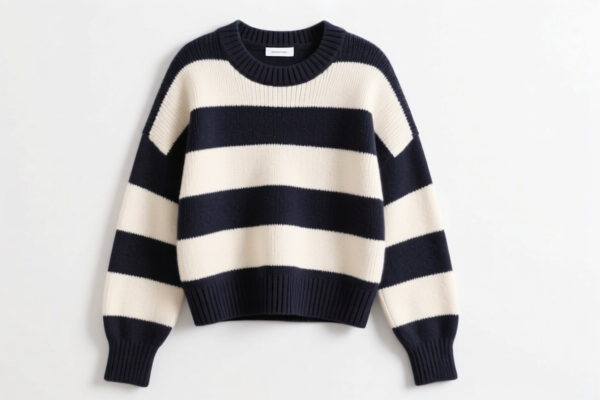


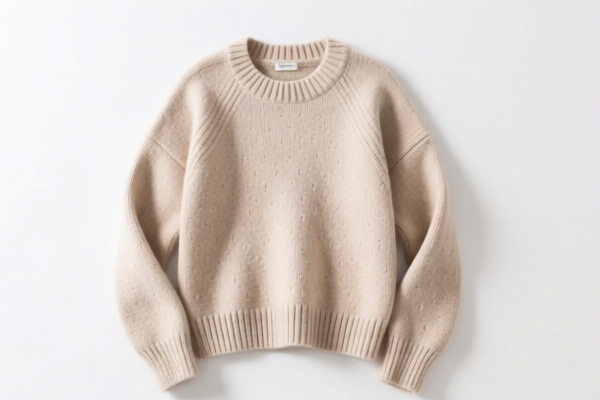
AI分析
👗 Women's Pullover: The Ultimate HS Code & Customs Tariff Guide (2026 Edition)
🌐 Global Trade Strategy | HS Code Masterclass | Tax Breakdown for US Import
📌 I. Product Definition: What Exactly is a "Women's Pullover"?
In international trade, a "Women's Pullover" is not just a warm top. Customs officials distinguish between knitted sweaters, woven blouses, and ensemble sets based on:
- Fiber Composition: Wool, fine animal hair, cotton, or blends?
- Construction: Knitted (looped) vs. Woven (interlaced)?
- Structure: One-piece knit, woven outer layer, or part of a set?
⚠️ Critical Distinction:
- "Knitted Pullover" (e.g., Wool Sweater) → Chapter 61 (Articles of Knitting)
- "Woven Blouse" (e.g., Cotton Shirt) → Chapter 62 (Articles of Weaving)
- "Ensemble" (Matching Top + Bottom) → Chapter 61/62 (Complex rules apply)
Misclassifying a knitted wool pullover as a woven blouse can lead to 20%+ tax errors and customs delays. Let's decode the exact codes and taxes.
📦 II. HS Code Classification & Tax Breakdown (2026 US Tariffs)
Based on the latest 2026 Trade Data for Women's Pullovers, here are the 5 specific scenarios with precise tax calculations:
| HS Code | Product Type | Material | Total Tax Rate | Tax Detail Breakdown |
|---|---|---|---|---|
| 6110.11.00.30 | Knitted Wool Pullover | Wool/Fine Animal Hair | 26.0% | Base: 16.0% Add'l (Section 301): 0.0% Section 122 (New): 10% |
| 6104.29.05.70 | Knitted Wool Ensemble | Wool/Fine Animal Hair | Varies + 17.5% | Base: Rate if sold separately Add'l (Section 301): 7.5% Section 122: 10% |
| 6110.12.10.20 | Knitted Cashmere Pullover | Wool/Fine Animal Hair | 14.0% | Base: 4.0% Add'l (Section 301): 0.0% Section 122: 10% |
| 6206.30.30.45 | Woven Blouse | Cotton/Blend | 32.9% | Base: 15.4% Add'l (Section 301): 7.5% Section 122: 10% |
| 6114.20.00.10 | Other Knitted Blouse | Cotton/Knit Blend | 20.8% | Base: 10.8% Add'l (Section 301): 0.0% Section 122: 10% |
🔍 Key Insight:
- Section 122 (10%) is a new 2026 tariff specifically targeting Chinese textiles. It applies to ALL these items regardless of base rate.
- Ensembles (6104.29.05.70) are tricky: If the top and bottom are sold separately, the tax is calculated per piece. If sold as a set, a "combined rate" applies + 7.5% add'l tariff.
- Wool vs. Cashmere: 6110.11 (Wool) vs. 6110.12 (Cashmere/Other Fine Hair) – the base tax drops from 16% to 4%, but Section 122 still hits you with 10%.
💰 III. Deep Dive: Understanding the Tax Clauses
🎯 1. The "Section 122" Surprise (10% Flat Tax)
What is it? A new 2026 provision (likely under new Executive Orders or Trade Policy) targeting textile imports from China.
Impact: Mandatory 10% added to EVERY entry, even if base tax is 0% (hypothetically) or 4%.
Example:
- 6110.12.10.20 (Cashmere): Base 4% + 0% Add'l + 10% Sec 122 = 14.0% Total.
- 6206.30.30.45 (Woven Cotton): Base 15.4% + 7.5% Add'l + 10% Sec 122 = 32.9% Total.
🎯 2. Section 301 "Add-on" Tariffs (0% or 7.5%)
- 0.0%: Applies to pure wool/cashmere knits (6110.11, 6110.12) and some knitted cotton blouses (6114.20).
- 7.5%: Applies to woven cotton (6206.30) and wool ensembles (6104.29).
⚠️ Warning: Woven fabrics (6206) generally face higher scrutiny and higher add-on rates than knits (6110).
🎯 3. Ensemble Rules (6104.29.05.70)
If your "Pullover" comes with matching pants/skirts as a set:
- Tax Calculation: "The rate applicable to each garment in the ensemble if separately..." + 7.5% Add'l + 10% Sec 122.
- Risk: If the pants are taxed higher, the whole set gets hit with the higher rate!
🛠️ IV. Customs Clearance Strategy (Avoid Delays & Fines)
✅ 1. Documentation Checklist (Must-Have)
| Document | Why It Matters |
|---|---|
| Fiber Content Label | Must state % of Wool/Cashmere/Cotton. If it says "100% Wool" but customs finds polyester, you face fraud penalties. |
| Knit vs. Woven Photo | Show the loop structure (knit) vs. cross-weave (woven). Crucial for 61xx vs 62xx. |
| Sample Swatch | Submit a physical swatch if the declaration is ambiguous. |
| Ensemble Proof | If selling as a set, show the packaging and invoice indicating "Set". |
| Country of Origin | Must clearly state "Made in China" to apply Section 122 correctly. |
✅ 2. Classification Tips (Do's & Don'ts)
| Scenario | Correct Action | Wrong Action |
|---|---|---|
| Wool Sweater | Use 6110.11.00.30 (Knitted). | Use 6205 (Woven) → Tax jumps to 32.9% |
| Cashmere Top | Use 6110.12.10.20. | Use 6110.11 (Wool) → Lose 2% base tax advantage |
| Cotton Blouse | Use 6206.30.30.45 (Woven) OR 6114.20.00.10 (Knit). | Confusing Knit/Woven → 12% tax difference |
| Sweater + Pants Set | Declare as Ensemble (6104.29.05.70). | Declare separately → Higher total tax + penalties |
✅ 3. Cost Optimization Strategy
🔥 Tip: If your product is Cashmere (6110.12), you save 12% on base tax compared to standard Wool (6110.11).
🚀 Tip: If possible, ship "Knitted" items (61xx) instead of "Woven" (62xx) to avoid the 7.5% Section 301 surcharge.
⚠️ Note: Section 122 (10%) applies to ALL, so design optimization must focus on Material Type and Knit vs. Woven.
🌍 V. Global Market Comparison (2026)
| Market | Key HS Code | Total Tax | Section 122? | Notes |
|---|---|---|---|---|
| 🇺🇸 USA | 6110.11 / 6206.30 | 14.0% - 32.9% | ✅ Yes (10%) | High risk, strict fiber checks |
| 🇨🇳 China | Same Codes | Low/0% | ❌ No | Domestic production |
| 🇪🇺 EU | 6110.11 / 6206.30 | 10-12% | ❌ No | No Section 122, but CE/REACH needed |
| 🇯🇵 Japan | 6110.11 / 6206.30 | 5-8% | ❌ No | Lower base rates |
📌 Conclusion: The US market is the most expensive for textile imports due to Section 122 and Section 301. If your margin is thin, re-evaluate pricing or consider third-country manufacturing (e.g., Vietnam, Bangladesh) to avoid Section 122.
📌 VI. Common Pitfalls & Solutions
❌ Pitfall 1: Calling a "Knitted Cotton Pullover" a "Woven Shirt" to avoid wool tariffs.
👉 Fix: Accurate fiber description is mandatory. Misclassification leads to 200% fines.
❌ Pitfall 2: Ignoring Section 122 in cost calculations.
👉 Fix: Always add 10% to your landed cost model for any textile from China.
❌ Pitfall 3: Declaring an Ensemble as separate items to "save tax".
👉 Fix: Customs will reclassify as a set and charge 7.5% + 10% anyway. Declare honestly.
✅ Pro Tip:
"Know your knit, label your fiber, calculate the 10% Sec 122!"
Use the 6110.12 code for cashmere to minimize base tax. Avoid 6206 if you can, to dodge the 7.5% add-on.
🎯 VII. Final Advice: Get it Right, Ship it Fast
- Verify Material: Is it 100% Wool (6110.11) or Cashmere (6110.12)?
- Check Construction: Knit (61xx) vs. Woven (62xx)?
- Calculate Total: Base + 7.5% (if applicable) + 10% (Section 122).
- Declare Clearly: "Women's Knitted Wool Pullover, 100% Wool, 6110.11.00.30".
🚀 Ready to Ship?
Consult your customs broker BEFORE shipment. A 1-hour pre-clearance consultation can save you thousands in duties.
✨ Precision in Classification = Profit in Your Pocket!
💼 Don't let the 10% Section 122 eat your margins!
用户评价
关于 HS 编码归类
协调制度(HS)是由世界海关组织(WCO)制定的国际贸易商品分类标准。全球 200 多个国家采用 HS 系统作为海关关税、贸易统计和进出口监管的基础。
每个 HS 编码遵循以下层级结构:
- 章(2 位)——商品大类(例如:第 84 章:机器和机械设备)
- 品目(4 位)——章内的更具体分类
- 子目(6 位)——国际通用细分,所有 WCO 成员国统一使用
- 本国细分(8-10 位)——各国自行扩展的细分编码,如美国 HTSUS 10 位编码
正确的 HS 编码归类对于顺利通关、准确缴纳关税和遵守贸易法规至关重要。错误归类可能导致海关延误、多缴关税或罚款。
从CN进口到US时,适用的关税税率可能包括:
- 最惠国(MFN)税率——适用于 WTO 成员国的标准关税税率
- 普通税率——适用于无贸易协定国家
- 贸易救济关税——附加关税,如 301 条款(反倾销)、232 条款(国家安全)或反补贴税
本页内容仅供参考。如需正式归类,请咨询当地海关或持牌报关代理。