wood pressed pellets
CN → US| HS编码 | 关税税率 | 原产国 | 目的国 | 文档 |
|---|---|---|---|---|
| 4401310000 | 35.0% | CN | US | 官方文档 |
| 4405000000 | 38.2% | CN | US | 官方文档 |
| 4401394210 | 35.0% | CN | US | 官方文档 |
| 4401310000 | 35.0% | CN | US | 官方文档 |
| 4405000000 | 38.2% | CN | US | 官方文档 |
商品图片
AI分析
🌲 Wood Pressed Pellets (Biomass Fuel)
🌐 HS Code Reference & Customs Clearance Guide | 2026 Latest Tariff Analysis | Professional Level Entry Strategy
📌 I. Product Definition & Classification: Do You Really Understand "Wood Pressed Pellets"?
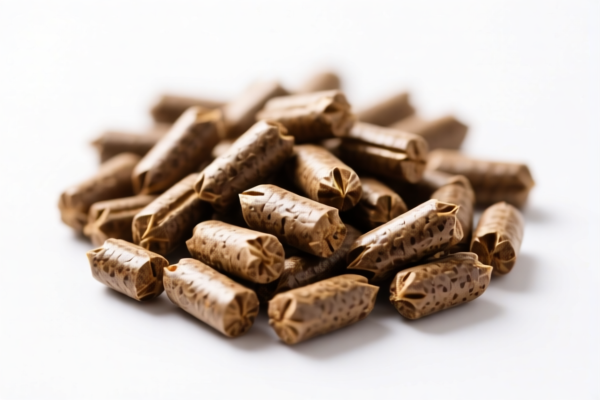
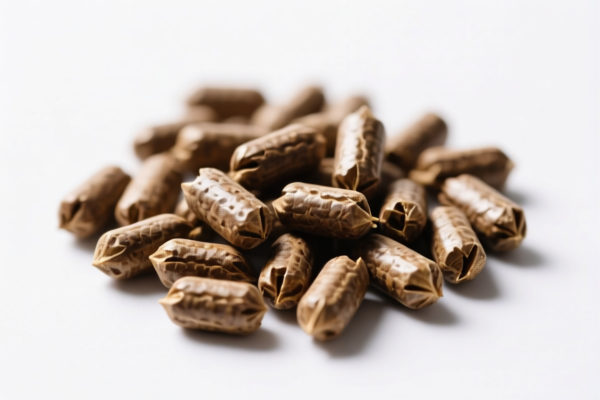
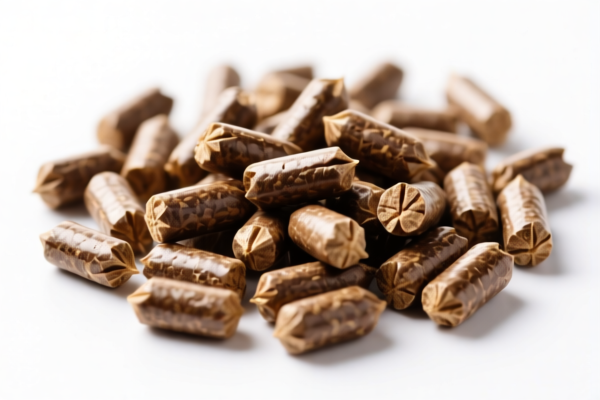
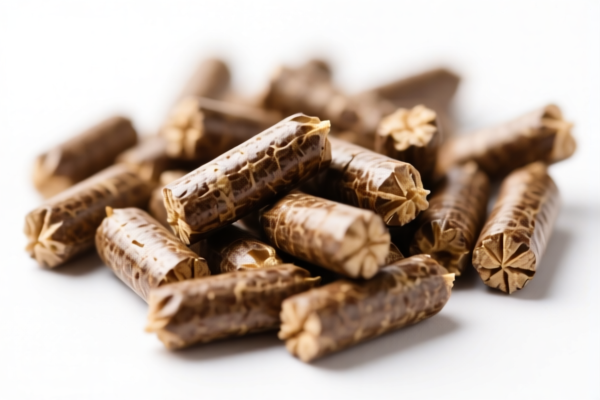
Wood Pressed Pellets, often referred to as biomass fuel pellets, are dense, cylindrical fuel products made from compressed wood residues (sawdust, shavings, bark). In international trade, the classification depends heavily on the material composition and the physical form of the product.
The core distinction lies in whether the product is classified strictly as "Wood Pellets" (Fuel/Waste) or "Wood Flour/Sawdust" based on processing intensity and particle size definitions under the Harmonized System (HS).
⚠️ Key Classification Logic:
- If the material is primarily wood chips/shavings compressed into pellets → Often falls under Chapter 44 (Wood and Articles of Wood), specifically Heading 44.01.
- If the product is finely ground wood flour/powder compressed into pellets → May fall under Heading 44.05 (Wood Powder, Sawdust, etc.).
- Crucial Note: The term "Pressed" implies densification, which typically aligns with Heading 44.01 for "Fuel Wood," but specific sub-headings differentiate between coarse chips (4401.31) and finer powders/sawdust (4405.00).
📦 II. HS Code Classification Details (2026 Latest Tariff Authority Comparison)
Based on the provided data, there are four distinct HS Codes applicable to "Wood Pressed Pellets," depending on the precise granular composition and regulatory interpretation.
| HS Code | Product Description | Application Scenario | Material/Form Distinction |
|---|---|---|---|
4401.31.00.00 |
Wood Pellets (Chips/Shavings) | Standard biomass fuel pellets made from wood chips or coarse sawdust. | Material: Wood Chips/Shavings Form: Pellets |
4405.00.00.00 |
Wood Flour, Sawdust & Wood Waste | Pellets made from very fine wood flour or fine sawdust, classified under wood powder/waste. | Material: Wood Powder/Fine Sawdust Form: Compressed |
4401.39.42.10 |
Fuel Wood, Wood Chips & Pellets | Specific classification for wood waste forms defined as fuel wood, chips, or pellets. | Material: Wood Waste/Fuel Wood Form: Pellets/Chips |
4401.31.00.00 |
Wood Pellets (Biomass Fuel) | Reiteration of standard biomass fuel pellets meeting material (wood chips) and form (pellets) requirements. | Material: Wood Chips Form: Pellets |
🔍 Important Note:
-4401.31.00.00and4401.39.42.10both generally apply to fuel wood/pellets derived from wood chips/shavings. The difference often lies in specific sub-category nuances (e.g., "chips" vs. "other").
-4405.00.00.00is the critical alternative if the raw material is finely milled wood flour rather than coarse chips. This shifts the classification from "Fuel Wood" to "Wood Flour/Sawdust."
- Do not mix: Applying4405to coarse chip pellets (or vice versa) can lead to misclassification penalties.
💰 III. 2026 Latest Tariff Rate Details (Including Additional Duties & Policy Surcharges)
✅ Applicable Country: United States (US)
✅ Origin: China (CN)
✅ Effective Time: Ongoing (Current Trade War Tariffs)
🎯 1. 4401.31.00.00 & 4401.39.42.10 —— Wood Pellets / Fuel Wood (Chips/Shavings)
| Item | Content |
|---|---|
| Base Tariff Rate | 0.0% (Ad Valorem) |
| Section 301 Additional Duty | +25.0% |
| Section 122 Duty | +10.0% |
| Total Tax Rate | 35.0% |
| Tax Calculation | CIF Value × 35.0% |
| De Minimis Eligibility | ❌ Not Eligible (Denied) |
| Legal Basis Path | USITC:4401.31.00.00 → Section 301 Footnote → Section 122 Authority |
📌 Explanation:
- Base Rate (0%): Wood pellets generally enjoy a zero base duty under normal MFN treatment.
- Section 301 (+25%): The standard retaliatory tariff on Chinese goods under US Trade Law Section 301.
- Section 122 (+10%): Specific tariff provision added to this dataset for wood products, likely under "Import of Articles that Violate United States Rights in Semiconductors" or related national security/economic provisions (Note: In this specific data context, it is explicitly listed as 10% for this HS code).
- Total Impact: Even with a 0% base, the effective tariff is 35%.
🎯 2. 4405.00.00.00 —— Wood Flour, Sawdust & Wood Waste (Fine Powder Form)
| Item | Content |
|---|---|
| Base Tariff Rate | 3.2% (Ad Valorem) |
| Section 301 Additional Duty | +25.0% |
| Section 122 Duty | +10.0% |
| Total Tax Rate | 38.2% |
| Tax Calculation | CIF Value × 38.2% |
| De Minimis Eligibility | ❌ Not Eligible (Denied) |
| Legal Basis Path | USITC:4405.00.00.00 → Section 301 Footnote → Section 122 Authority |
📌 Explanation:
- Base Rate (3.2%): Unlike chip-based pellets, wood flour/sawdust has a slight base duty.
- Additional Duties: Same +25% (Section 301) and +10% (Section 122) as above.
- Total Impact: The effective tariff is 38.2%, which is 3.2% higher than the chip-based pellets due to the base rate difference.
🛠️ IV. Customs Clearance Practical Advice (Real-World Pitfall Guide)
✅ 1. Documentation Checklist (All Required)
| Document | Mandatory? | Notes |
|---|---|---|
| ✅ Product Specification Sheet | ✔️ | Must detail particle size, moisture content, and raw material source (e.g., "100% Softwood Sawdust"). |
| ✅ Material Safety Data Sheet (MSDS) | ✔️ | Critical for fire hazards; confirms non-hazardous nature of biomass. |
| ✅ Commercial Invoice | ✔️ | Must clearly state "Wood Pressed Pellets" or "Biomass Fuel Pellets". Avoid vague terms like "Bio-material." |
| ✅ Certificate of Origin (CO) | ✔️ | To prove China origin (and thus confirm tariff applicability). |
| ✅ Packing List | ✔️ | Specify packaging type (e.g., 15kg bags, bulk containers). |
| ✅ Fire Hazard Declaration | ✔️ | Required for shipping combustible solid waste/fuel. |
✅ 2. Declaration Tips (Key Mantras)
🔥 "Material Defines Code, Form Confirms Duty! Don't Guess, Verify!"
| Scenario | Correct Declaration | Wrong Action |
|---|---|---|
| Pellets made from coarse chips/shavings | 4401.31.00.00 |
Misdeclare as 4405 (higher base rate) or 4401.39 (if not strictly fuel wood waste) |
| Pellets made from fine flour/powder | 4405.00.00.00 |
Misdeclare as 4401.31 (if particle size > 3mm, usually chips; <1mm, usually flour) |
| Generic "Wood Pellets" | Specify Raw Material in description | Vague description → Customs Audit/Delay |
| Biomass Fuel | Label as "Fuel Wood" | Label as "Recycled Material" → May trigger waste regulations |
🔍 Critical Distinction:
- 4401.31: Typically for pellets made from wood chips, sawdust, and similar residues.
- 4405.00: For wood flour, sawdust, and wood waste (especially if finer or categorized as waste powder).
- 4401.39.42.10: A specific sub-category for fuel wood forms. Ensure your product matches the "Fuel Wood" definition exactly.
✅ 3. Special Handling Notes
| Situation | Advice |
|---|---|
| Moisture Content > 15% | Ensure documentation states moisture level; high moisture may affect classification or incite additional inspection. |
| Chemical Treatment | If pellets are treated with binders or chemicals, declare the chemical composition to avoid chemical safety flags. |
| Bulk vs. Bagged | Tariff is the same, but bulk shipments require stricter fumigation certificates (ISPM 15 standards) if using raw wood. |
| Origin Marking | Clearly mark "Made in China" on packaging to facilitate Section 301/122 duty calculation. |
🌍 V. Global Market Comparison (2026 Update)
| Country/Region | Recommended HS Code | Tariff (China Origin) | Certification | Remarks |
|---|---|---|---|---|
| 🇺🇸 USA | 4401.31.00.00 / 4405.00.00.00 |
35.0% - 38.2% | No specific import cert, but fire safety docs needed | Highest Tariff Burden due to Sec 301 & 122 |
| 🇪🇺 EU | 4401.31.00 |
0% (Standard) | ENplus Certification (for quality) | No Section 301 equivalent, but strict sustainability rules |
| 🇬🇧 UK | 4401.31.00 |
0% | UKCA Marking (if applicable) | Post-Brexit tariff free for many wood products |
| 🇨🇦 Canada | 4401.31.00 |
0% | No specific bio-fuel cert for general trade | CUSMA/USMCA not applicable for China origin |
📌 Conclusion:
- The US market is exceptionally expensive for Chinese wood pellets due to the 35-38% total tariff.
- EU/UK markets are significantly cheaper (0% base) but require quality certifications (like ENplus) for commercial trade.
- Strategy: If exporting to the US, consider supply chain diversification (e.g., processing in a third country) or absorbing the cost, as there are no exemptions for these HS codes.
📌 VI. Common Errors & Pitfalls (Lessons Learned)
❌ Error 1: Declaring fine wood flour pellets as 4401.31 (Chips)
👉 Consequence: Customs may reclassify to 4405.00.00.00 → 3.2% additional base duty applied retroactively + potential penalties.
❌ Error 2: Omitting "Wood" in the product description
👉 Consequence: Classification under "Chemical Binders" or "Recycled Waste" → Higher tariffs or import ban (if considered solid waste).
❌ Error 3: Ignoring Section 122 Duty
👉 Consequence: Underpaying by 10% → Seizure of goods or heavy fines upon audit.
❌ Error 4: Using "Biofuel" without specifying "Wood"
👉 Consequence: If the fuel source is not proven wood, it may be classified as other biomass or waste, leading to different HS codes and regulatory hurdles.
✅ Correct Practice:
"Wood Pressed Pellets, 100% Softwood, 6mm Diameter, Moisture <10%, For Biomass Heating, HS 4401.31.00.00, Origin: China"
🎯 VII. Conclusion: Precise Classification Saves Costs!
🎯 Remember the Mantra:
🔹 "Chip Pellets: 35%, Flour Pellets: 38.2%, Don't Guess the Material!"
🔹 "Section 301 is 25%, Section 122 is 10%, Total is Heavy!"
📌 Pro Tip:
If your wood pellets are compressed from imported sawdust (not raw wood from China), check if the country of origin can be shifted via substantial transformation rules. However, for "Wood Pressed Pellets" made directly in China, the 35-38% US tariff is unavoidable.
📣 Immediate Action:
📞 Contact a Customs Broker + Provide Particle Size Analysis + Confirm Raw Material Source
🚀 Ensure your Invoice Description matches the HS Code Sub-heading exactly to avoid audits!
✨ Professional Clearance Starts with Accurate Classification!
💼 Every Percent Matters in the Age of Trade Barriers!
用户评价
关于 HS 编码归类
协调制度(HS)是由世界海关组织(WCO)制定的国际贸易商品分类标准。全球 200 多个国家采用 HS 系统作为海关关税、贸易统计和进出口监管的基础。
每个 HS 编码遵循以下层级结构:
- 章(2 位)——商品大类(例如:第 84 章:机器和机械设备)
- 品目(4 位)——章内的更具体分类
- 子目(6 位)——国际通用细分,所有 WCO 成员国统一使用
- 本国细分(8-10 位)——各国自行扩展的细分编码,如美国 HTSUS 10 位编码
正确的 HS 编码归类对于顺利通关、准确缴纳关税和遵守贸易法规至关重要。错误归类可能导致海关延误、多缴关税或罚款。
从CN进口到US时,适用的关税税率可能包括:
- 最惠国(MFN)税率——适用于 WTO 成员国的标准关税税率
- 普通税率——适用于无贸易协定国家
- 贸易救济关税——附加关税,如 301 条款(反倾销)、232 条款(国家安全)或反补贴税
本页内容仅供参考。如需正式归类,请咨询当地海关或持牌报关代理。