wool blend
CN → US| HS编码 | 关税税率 | 原产国 | 目的国 | 文档 |
|---|---|---|---|---|
| 5111209000 | 60.0% | CN | US | 官方文档 |
| 5112909010 | 60.0% | CN | US | 官方文档 |
| 5112303000 | 60.0% | CN | US | 官方文档 |
| 5111309000 | 60.0% | CN | US | 官方文档 |
| 5515130510 | 60.0% | CN | US | 官方文档 |
商品图片
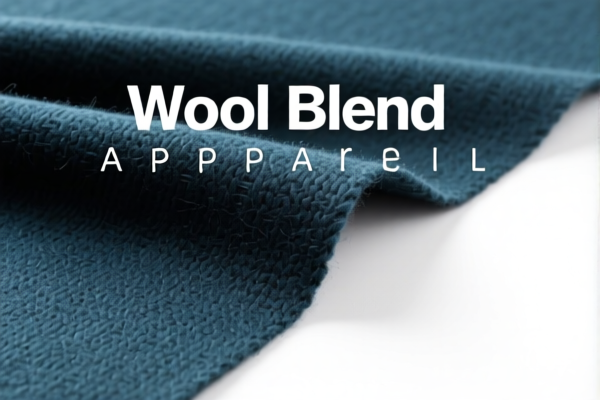
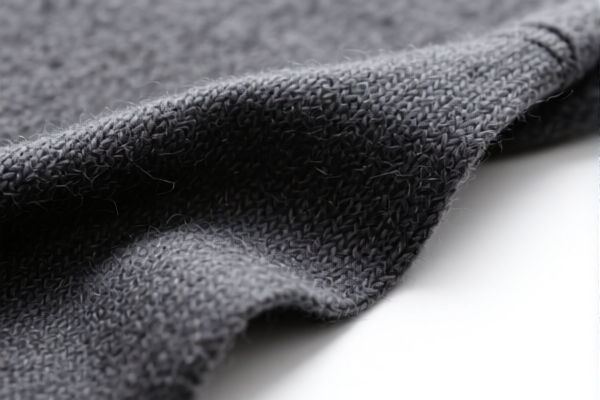
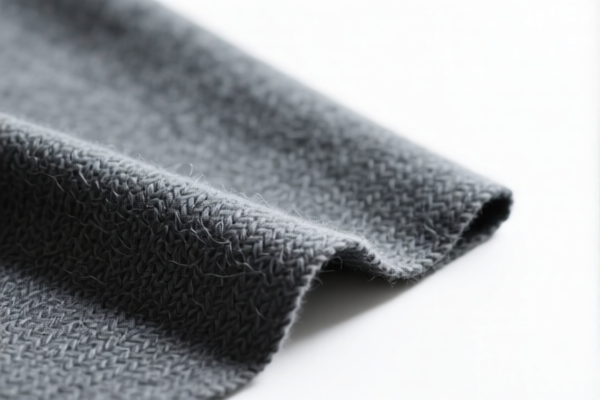
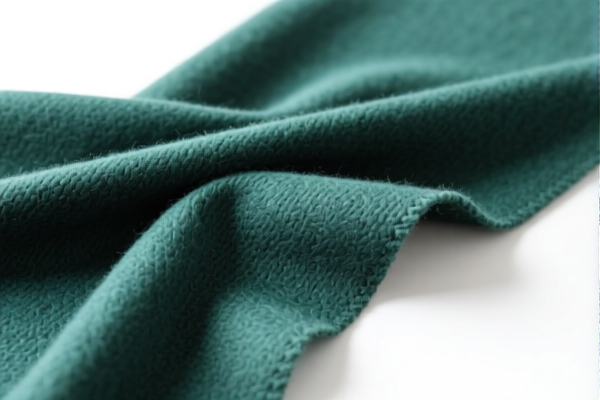
AI分析
🧶 Wool Blend Fabrics (Wool/Animal Hair Wovens)
🌐 HS Code Reference & Customs Clearance Guide | 2026 Latest Tariff Analysis | Professional Clearance Strategy
📌 I. Product Definition & Classification: Do You Really Understand "Wool Blends"?
"Wool Blend" is not a single HS code but a broad category covering woven fabrics containing processed sheep’s wool or fine animal hair, often mixed with synthetic fibers (like polyester) or other natural fibers. In international trade, the classification depends heavily on:
- Weaving Process: Is it worsted (smooth, combed) or woolen (soft, carded)?
- Weight: Grams per square meter (GSM).
- Composition: The percentage of wool/animal hair vs. other fibers.
⚠️ Key Distinction Point:
- If the fabric is heavy-weight (>200g/m²) and worsted → Likely falls under 5111.
- If the fabric is medium-weight and worsted → Likely falls under 5112.
- If the fabric is light-weight or has specific blend ratios → Falls under 5515.
- All items in this dataset are subject to a staggering 60% total tariff burden due to US-China trade tensions.
📦 II. HS Code Classification Details (2026 Latest Tariff Authority Alignment)
Based on the provided data, here is the breakdown for Wool Blend fabrics. Note that all listed codes share the same tax structure due to current trade policies.
| HS Code | Product Description | Key Characteristics | Applicable Scenario |
|---|---|---|---|
5111.20.90.00 |
Woven fabric of other than carded wool or of combed wool, weighing >200g/m², mixed or mainly with synthetic fibers | Heavyweight Worsted Blend. "Other" implies specific blends not listed elsewhere (e.g., high polyester content). | Suitings, heavy coats, outerwear fabrics. |
5112.90.90.10 |
Woven fabric of combed wool or of fine animal hair, other, mainly with synthetic or artificial textile fibers | Medium-Weight Worsted Blend. "Other" category for fine animal hair or specific wool blends. | Business suits, formal wear, premium jackets. |
5112.30.30.00 |
Woven fabric of combed wool or of fine animal hair, mainly with synthetic or artificial textile fibers | Standard Worsted Blend. Specifically targets the "mainly synthetic" blend ratio (usually >85% synthetic, <15% wool/hair). | Mass-produced suits, office wear, linings. |
5111.30.90.00 |
Woven fabric of other than carded wool or of combed wool, weighing ≤200g/m², mixed or mainly with synthetic fibers | Lightweight Worsted Blend. Similar to 5111.20 but lighter weight. | Spring/Autumn jackets, lighter suiting, trench coats. |
5515.13.05.10 |
Synthetic fiber woven fabric, of polyester staple fibers, woven fabric, containing <85% by weight of such fibers, mixed mainly or only with wool or fine animal hair | Specific Wool/Polyester Blend. Explicitly defines the composition: Wool/Hair mixed with Synthetic (usually ~50/50 or specific ratios). | Casual wool-blend fabrics, affordable suiting, textile mills' standard blends. |
🔍 Critical Reminder:
- Do not confuse "Worsted" (5111/5112) with "Woolen" (5111.11/5111.19). These codes are for combed/smooth yarns. If the fabric is fuzzy/soft (carded), it falls under different, often higher, tariffs.
- "Wool Blend" is a high-risk category for US Customs. The detailed composition (percentage of wool vs. synthetic) must be explicitly declared to avoid misclassification penalties.
💰 III. 2026 Latest Tariff Rate Breakdown (Including Surtaxes & Policy Add-ons)
✅ Applicable Country: United States (US)
✅ Country of Origin: China (CN)
✅ Effective Time: From November 10, 2025 (and subsequent imports)
All five HS codes listed above share the identical and punitive tariff structure under current US trade policy.
🎯 Universal Tax Structure for Wool Blends (CN Origin)
| Item | Content |
|---|---|
| Base MFN Rate | 25.0% (Standard Import Duty) |
| Section 301 Surcharge | 25.0% (Added Tariff on Chinese Goods) |
| Section 122 Tariff | 10.0% (Additional Duty under 19 U.S.C. § 1677j) |
| Total Effective Rate | 60.0% |
| Tax Calculation | CIF Value × 60% |
| De Minimis Exemption | ❌ NOT AVAILABLE (deny_de_minimis) |
| Legal Basis Path | Section 301 → Section 122 → USITC:5111/5112/5515 |
📌 Interpretation:
- "Base Tariff 25%": The standard Most Favored Nation (MFN) duty for wool products entering the US.
- "Added Tariff 25%": Refers to Section 301 Tariffs, which impose an additional 25% on a wide range of Chinese manufactured goods, including textiles.
- "Section 122 Tariff 10%": A separate provision that allows the President to increase tariffs or impose quotas on imports that threaten to impair national security. This adds another 10% on top.
- TOTAL 60%: This is an extremely high effective tariff rate. It significantly impacts profit margins and requires precise cost modeling.
🛠️ IV. Customs Clearance Practical Advice (Real-World Pitfall Guide)
✅ 1. Required Documentation Checklist (Non-Negotiable)
| Document | Mandatory? | Explanation |
|---|---|---|
| ✅ Commercial Invoice | ✔️ | Must clearly state "Wool Blend Fabric", HS Code, and Country of Origin (China). |
| ✅ Packing List | ✔️ | Detail the weight, dimensions, and number of rolls/packages. |
| ✅ Fabric Composition Label | ✔️ | Must show exact % of Wool, Animal Hair, Polyester, etc. (e.g., "60% Wool, 40% Polyester"). |
| ✅ Certificate of Origin (CO) | ✔️ | Proof that goods originate from China (triggers the surtaxes). |
| ✅ Test Report (SGS/BV) | ✔️ | Third-party lab report confirming fiber content is critical to avoid misclassification. |
| ✅ Product Photos | ✔️ | Clear shots of the fabric weave, selvedge, and labels. |
✅ 2. Declaration Tips (Key Mantras)
🔥 “Exact % is King, ‘Wool Blend’ is Not Enough!”
| Situation | Correct Declaration Method | Wrong Practice |
|---|---|---|
| Standard Suit Fabric | 5112.30.30.00 + "Woven Wool Blend, 60% Wool, 40% Polyester" |
Just writing "Wool Fabric" → Audit Risk |
| Heavy Coat Material | 5111.20.90.00 + Weight >200g/m² declared |
Mixing up with lighter fabrics → Wrong HS |
| Casual Blend | 5515.13.05.10 + Explicit "Polyester/Wool Mix" |
Using 5111/5112 codes → Penalty |
| Any Wool Blend from China | Expect 60% Duty | Assuming lower rates → Cash Flow Crisis |
✅ 3. Special Case Handling
| Situation | Handling Advice |
|---|---|
| Mixed Containers | If the container holds wool blends (60% tax) and non-taxed items, the entire value may be scrutinized. Declare separately if possible. |
| Transshipment | If goods are shipped from Vietnam/Malaysia but originated in China, US Customs will demand proof of substantial transformation. Do not try to disguise origin. |
| Sample Shipments | Even small samples (<$800) are NOT eligible for de minimis exemption under current wool/textile rules due to Section 301/122. |
🌍 V. Global Market Comparison for Wool Blends (2026 Latest)
| Country/Region | Recommended HS Code (Example) | Effective Tariff (CN Origin) | Key Certification | Notes |
|---|---|---|---|---|
| 🇺🇸 USA | 5111.20.90.00 / 5112.90.90.10 |
60.0% | None specific | Highest barrier. Heavy tariffs make US market uncompetitive for CN wool blends. |
| 🇪🇺 EU | 5112.11.00 (Typical) |
~12% - 16% | REACH, OEKO-TEX | Lower base tariff, no Section 301 surcharge. |
| 🇨🇳 China | 5111.20.90.00 |
5% - 12% | CNAS | Import duty lower, but export costs are high. |
| 🇬🇧 UK | 5112.11.00 |
~12% | UKCA, REACH | Post-Brexit rules apply; similar to EU. |
📌 Conclusion:
- The US market is currently the most expensive destination for Chinese wool blend fabrics due to the cumulative 60% tariff.
- European markets remain more favorable for price-sensitive wool blends.
- Supply Chain Strategy: Consider sourcing wool blends from non-China countries (e.g., Turkey, India, Vietnam) if targeting the US to avoid Section 301/122 surcharges.
📌 VI. Common Errors & Pitfall Guide (Lessons Learned)
❌ Error 1: Declaring "Wool Blend" with vague percentages
👉 Consequence: Customs may assess the highest possible duty rate or demand a retroactive reclassification → Fines & Delays.
❌ Error 2: Assuming "De Minimis" applies to small shipments
👉 Consequence: Packages under $800 are seized or taxed at 60% because wool blends are explicitly excluded from e-commerce exemptions under Section 301.
❌ Error 3: Confusing "Worsted" (5111/5112) with "Woolen" (5111.11)
👉 Consequence: Misclassification leads to incorrect duty calculation. Worsted is smoother; Woolen is fuzzy. Do not mix them.
❌ Error 4: Ignoring Section 122 Tariffs
👉 Consequence: Many importers only account for the 25% (Base) + 25% (301) = 50%, forgetting the 10% Section 122. This leads to budget shortfalls.
✅ Correct Approach:
"Woven Fabric, Combed Wool Blend, 60% Wool/40% Polyester, Weight 220g/m², HS 5111.20.90.00, Origin China"
🎯 VII. Conclusion: Professional Declaration Saves Money!
🎯 Remember the Mantra:
🔹 "60% Tax on CN Wool, De Minimis is Dead, Section 122 is Real!"
🔹 "Exact % Composition Prevents Penalties, Vague Descriptions Cause Delays!"
📌 Tips:
If your wool blends are originating from Turkey, Italy, or the UK, you can apply for FTA Preferences (e.g., GSP, EUTP) and avoid the 60% US surcharge.
For Chinese origin, pre-apply for an Advance Ruling if you have complex blend compositions, though the 60% rate is likely fixed by law.
📣 Immediate Action:
📞 Contact a Licensed Customs Broker + Provide Lab Test Reports + Review Supply Chain Origins
🚀 Avoid the 60% Tax Trap by Optimizing Your HS Code and Origin Documentation!
✨ Professional Clearance Starts with Accurate Classification!
💼 Every 1% of error in HS Codes can cost you thousands in duties!
用户评价
关于 HS 编码归类
协调制度(HS)是由世界海关组织(WCO)制定的国际贸易商品分类标准。全球 200 多个国家采用 HS 系统作为海关关税、贸易统计和进出口监管的基础。
每个 HS 编码遵循以下层级结构:
- 章(2 位)——商品大类(例如:第 84 章:机器和机械设备)
- 品目(4 位)——章内的更具体分类
- 子目(6 位)——国际通用细分,所有 WCO 成员国统一使用
- 本国细分(8-10 位)——各国自行扩展的细分编码,如美国 HTSUS 10 位编码
正确的 HS 编码归类对于顺利通关、准确缴纳关税和遵守贸易法规至关重要。错误归类可能导致海关延误、多缴关税或罚款。
从CN进口到US时,适用的关税税率可能包括:
- 最惠国(MFN)税率——适用于 WTO 成员国的标准关税税率
- 普通税率——适用于无贸易协定国家
- 贸易救济关税——附加关税,如 301 条款(反倾销)、232 条款(国家安全)或反补贴税
本页内容仅供参考。如需正式归类,请咨询当地海关或持牌报关代理。