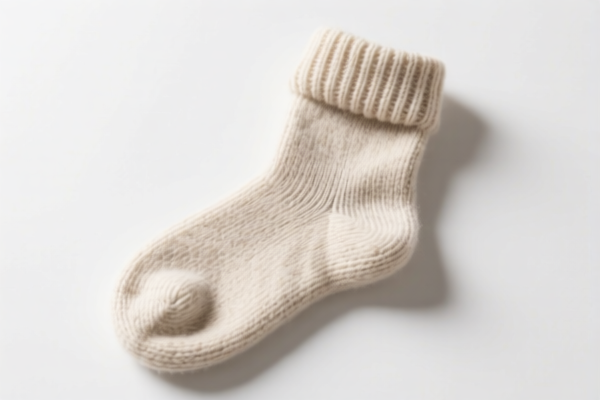
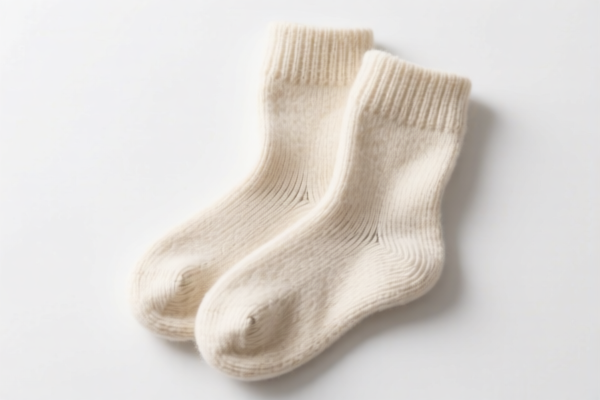
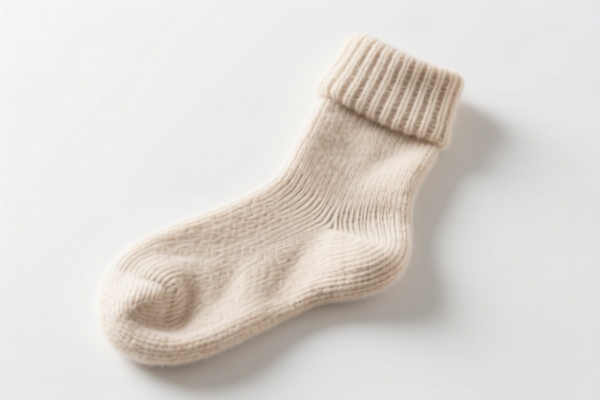
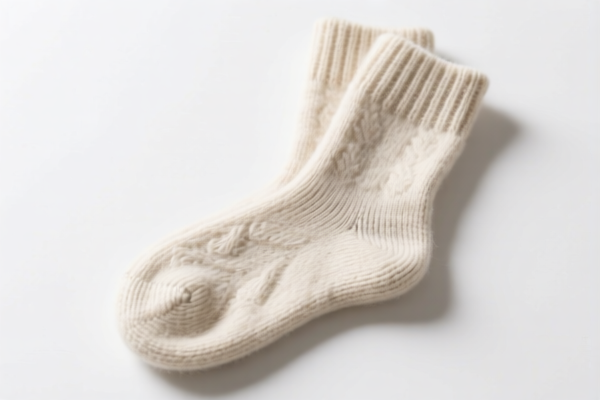
wool socks
CN → US| HS编码 | 关税税率 | 原产国 | 目的国 | 文档 |
|---|---|---|---|---|
| 6115298020 | 26.0% | CN | US | 官方文档 |
| 6217909080 | 32.1% | CN | US | 官方文档 |
| 6117809520 | 24.6% | CN | US | 官方文档 |
| 6217109520 | 32.1% | CN | US | 官方文档 |
| 6115940000 | 28.8% | CN | US | 官方文档 |
商品图片
AI分析
🧦 Wool Socks & Knitted Apparel Accessories
🌐 HS Code Reference & Customs Clearance Guide | 2026 Latest Tariff Analysis | Professional Compliance Strategy
📌 I. Product Definition & Classification: Understanding "Wool Socks"
In international trade, Wool Socks and related woolen knitwear are not a single homogeneous category. They are strictly divided by composition (fiber type), construction method (knitted vs. woven), and product form (socks vs. accessories). Misclassification leads to significant duty discrepancies due to varying "Section 301" and "122 Clause" tariffs.
⚠️ Critical Distinction:
- Pure Wool vs. Fine Animal Hair: "Wool" often refers to sheep's wool. "Fine animal hair" (e.g., Cashmere, Mohair) may fall under different subheadings with different base rates.
- Socks vs. Accessories: Socks are finished footwear items (6115or6211). Accessories include neckties, belts, or other garment attachments (6117or6217).
📦 II. HS Code Classification Details (2026 Latest Tariff Matrix)
| HS Code | Product Description | Application Scenario | Key Classification Criteria |
|---|---|---|---|
6115.94.00.00 |
Knitted or Crocheted Socks of Wool | Classic wool socks, winter thermal socks, knit crew/ankle socks | ✅ Knitted/Crocheted ✅ Wool Fiber ✅ Finished Sock |
6115.29.80.20 |
Socks of Wool or Fine Animal Hair | Premium wool/cashmere blends, fine hair socks, high-end knitwear | ✅ Knitted/Crocheted ✅ Wool OR Fine Animal Hair ✅ Finished Sock |
6217.90.90.80 |
Other Made-Up Clothing Accessories of Wool | Wool neckties, wool belts, wool cufflinks, non-knitted accessories | ✅ Woven/Non-Knitted (usually) ✅ Wool/Fine Hair ✅ Accessory (Not Socks) |
6117.80.95.20 |
Other Made-Up Knitted/Crocheted Accessories | Knitted wool scarves, wristbands, headbands, knitted accessories | ✅ Knitted/Crocheted ✅ Wool/Fine Hair ✅ Accessory (Not Socks) |
6217.10.95.20 |
Other Made-Up Clothing Accessories of Wool | Woven wool accessories (e.g., woven ties, woven patches) | ✅ Woven/Non-Knitted ✅ Wool/Fine Hair ✅ Accessory |
🔍 Key Insight:
- Knitted Socks always fall under Chapter 61 (6115).
- Woven/Wool Accessories fall under Chapter 62 (6217).
- Knitted Accessories fall under Chapter 61 (6117).
- Base Tariffs vary significantly: From 11.3% to 16.0%, directly impacting the final landed cost.
💰 III. 2026 Latest Tariff Rate Breakdown (Including Surcharges)
✅ Applicable Country: United States (US)
✅ Origin: China (CN)
✅ Effective Date: Current rates include Section 301 and 122 Clause surcharges.
🎯 1. 6115.94.00.00 – Wool Knitted/Crocheted Socks
| Item | Content |
|---|---|
| Base Duty Rate | 11.3% |
| Section 301 Surcharge | +7.5% |
| 122 Clause Surcharge | +10.0% |
| Total Effective Rate | 28.8% |
| Duty Calculation | CIF Value × 28.8% |
| De Minimis Exemption | ❌ Not Eligible (Deny De Minimis) |
| Legal Basis | Section 301 + 122 Clause applied to Chapter 61 woolens |
📌 Explanation:
- This is a knitted sock primarily of wool.
- The 11.3% is the standard MFN rate.
- The 7.5% is a Section 301 surcharge.
- The 10% is the specific 122 Clause tariff on certain woolen products.
- Total: 28.8%. This is a high-duty category.
🎯 2. 6115.29.80.20 – Socks of Wool or Fine Animal Hair
| Item | Content |
|---|---|
| Base Duty Rate | 16.0% |
| Section 301 Surcharge | +0.0% |
| 122 Clause Surcharge | +10.0% |
| Total Effective Rate | 26.0% |
| Duty Calculation | CIF Value × 26.0% |
| De Minimis Exemption | ❌ Not Eligible |
| Legal Basis | 122 Clause applied; Note the 0% Section 301 surcharge here |
📌 Critical Note:
- This code covers Fine Animal Hair (e.g., Cashmere) in addition to wool.
- While the Base Rate is higher (16.0%), the Section 301 surcharge is 0%.
- The 122 Clause adds 10%.
- Total: 26.0%. This is 2.8% cheaper than6115.94.00.00.
- Strategy: If your product contains cashmere/mohair, ensure it is classified here to save on the 7.5% Section 301 tax.
🎯 3. 6217.90.90.80 – Wool Clothing Accessories (Woven/Other)
| Item | Content |
|---|---|
| Base Duty Rate | 14.6% |
| Section 301 Surcharge | +7.5% |
| 122 Clause Surcharge | +10.0% |
| Total Effective Rate | 32.1% |
| Duty Calculation | CIF Value × 32.1% |
| De Minimis Exemption | ❌ Not Eligible |
| Legal Basis | Section 301 + 122 Clause on Accessories |
📌 Explanation:
- Woven or non-knitted accessories attract a higher base rate (14.6%).
- Subject to both Section 301 (7.5%) and 122 Clause (10%).
- Total: 32.1%. This is the highest duty category in the list.
🎯 4. 6117.80.95.20 – Knitted Wool Accessories
| Item | Content |
|---|---|
| Base Duty Rate | 14.6% |
| Section 301 Surcharge | +0.0% |
| 122 Clause Surcharge | +10.0% |
| Total Effective Rate | 24.6% |
| Duty Calculation | CIF Value × 24.6% |
| De Minimis Exemption | ❌ Not Eligible |
| Legal Basis | 122 Clause only; No Section 301 |
📌 Strategy:
- Knitted accessories (e.g., scarves, hats) have a higher base rate (14.6%) but NO Section 301 surcharge.
- Only the 122 Clause (10%) applies.
- Total: 24.6%. This is the lowest duty rate in the provided data.
🎯 5. 6217.10.95.20 – Woven Wool Accessories (Specific Subhead)
| Item | Content |
|---|---|
| Base Duty Rate | 14.6% |
| Section 301 Surcharge | +7.5% |
| 122 Clause Surcharge | +10.0% |
| Total Effective Rate | 32.1% |
| Duty Calculation | CIF Value × 32.1% |
| De Minimis Exemption | ❌ Not Eligible |
| Legal Basis | Section 301 + 122 Clause |
📌 Note:
- Similar to6217.90.90.80, this is a woven accessory category with full surcharges.
- Total: 32.1%. High cost. Avoid if possible; consider if it can be reclassified as knitted (6117).
🛠️ IV. Customs Clearance Practical Advice (Real-World Pitfall Avoidance)
✅ 1. Preparation Checklist (Essential Documents)
| Document | Required? | Purpose |
|---|---|---|
| ✅ Fiber Content Test Report | ✔️ | Prove wool % vs. synthetic blend. Critical for distinguishing 6115.94 vs. 6115.29. |
| ✅ Product Photos | ✔️ | Show knitting structure (knitted vs. woven). Determines Chapter 61 vs. 62. |
| ✅ Bill of Lading / Commercial Invoice | ✔️ | Must clearly state "Knitted Wool Socks" or "Wool Accessories". |
| ✅ Material Declaration | ✔️ | Specify if "Fine Animal Hair" (Cashmere/Mohair) is present to claim lower Section 301 rate. |
✅ 2. Classification Strategy (Key Rules)
🔥 “Knit is 61, Woven is 62; Socks are 6115, Accessories are 6117/6217; Check Fiber for 122 Clause!”
| Product Type | Correct HS Code | Duty Rate | Risk |
|---|---|---|---|
| Classic Wool Socks (Knitted) | 6115.94.00.00 |
28.8% | Low risk, high duty |
| Cashmere/Blend Socks (Knitted) | 6115.29.80.20 |
26.0% | Optimal if fine hair present |
| Wool Scarf (Knitted) | 6117.80.95.20 |
24.6% | Lowest Duty option |
| Wool Necktie (Woven) | 6217.90.90.80 |
32.1% | Highest duty; ensure it’s not knitted |
⚠️ Warning:
- Do NOT declare a knitted scarf as a "woven accessory" to avoid scrutiny, but ensure it is truly knitted.
- If socks contain > 50% fine animal hair, use6115.29.80.20to save 2.8%.
✅ 3. Special Considerations
| Scenario | Recommendation |
|---|---|
| Blended Fibers | If wool is blended with polyester, the classification depends on the predominant fiber. Ensure the label matches the HS code. |
| 122 Clause Exemptions | Currently, no general exemption for wool socks. Verify if any specific product codes are exempt in the latest USTR list. |
| De Minimis (Section 321) | ❌ Not Applicable. These HS codes are explicitly denied de minimis treatment. All shipments are subject to duty. |
🌍 V. Global Market Comparison (2026)
| Market | Recommended HS Code | Base Duty | Total Duty (China Origin) | Notes |
|---|---|---|---|---|
| 🇺🇸 USA | 6115.94.00.00 / 6115.29.80.20 |
11.3% - 16.0% | 26.0% - 32.1% | High due to Section 301 + 122 Clause |
| 🇨🇳 China | 6115.94.00.00 |
~11.3% | 11.3% | No Section 301/122 Clause |
| 🇪🇺 EU | 6115.94.00.00 |
~10-14% | ~10-14% | No Section 301; CE marking not required for socks |
| 🇬🇧 UK | 6115.94.00.00 |
~10-14% | ~10-14% | Post-Brexit tariffs may vary slightly |
📌 Conclusion:
- USA is the most expensive market due to叠加 tariffs (Section 301 + 122 Clause).
- Optimization Tip: If possible, shift product mix to Knitted Accessories (6117.80.95.20) to achieve the 24.6% rate instead of 28.8% or 32.1%.
📌 VI. Common Errors & Pitfalls (Lessons Learned)
❌ Error 1: Declaring Knitted Scarves as 6217.90.90.80 (Woven Accessories)
👉 Consequence: Incorrect classification; if audited, may lead to penalties.
👉 Correct: Use 6117.80.95.20 (Knitted Accessories) for 24.6% duty.
❌ Error 2: Declaring Cashmere Socks as 6115.94.00.00
👉 Consequence: You pay 28.8% instead of 26.0%.
👉 Correct: Use 6115.29.80.20 to save 2.8% if fine animal hair is present.
❌ Error 3: Assuming De Minimis applies to small samples
👉 Consequence: Package is held at customs; duty is assessed; possible seizure if repeated.
👉 Correct: Always declare and pay duty; no de minimis for these HS codes.
✅ Correct Practice:
"Wool Knitted Socks, 80% Wool, 20% Nylon, Size M-L, For Winter Use" →
6115.94.00.00
"Cashmere Knitted Socks, 100% Fine Animal Hair" →6115.29.80.20
🎯 VII. Conclusion: Precision Classification Saves Money!
🎯 Remember the Rule:
🔹 "Knitted Socks: 28.8% (Wool) vs. 26.0% (Fine Hair)"
🔹 "Knitted Accessories: 24.6% (Lowest Duty)"
🔹 "Woven Accessories: 32.1% (Highest Duty)"🔹 "Check Fiber Content: Fine Animal Hair saves 2.8% in Section 301!"
🔹 "No De Minimis: Pay duty upfront!"
📌 Pro Tip:
- If your product can be classified as a Knitted Accessory (6117) instead of a Sock (6115) or Woven Accessory (6217), you save 7.5% - 8.0% in tariffs.
- Consider product redesign (e.g., wide leg warmers vs. tight socks) to fit the correct category if feasible.
📣 Immediate Action:
📞 Consult a Customs Broker to verify fiber content and knitting method.
📄 Request a Pre-Ruling if importing large volumes of woolen products.
🚀 Optimize Supply Chain: Shift to knitted accessories where possible to reduce landed cost.
✨ Professional Customs Clearance Starts with Accurate Classification!
💼 Every Percent Saved is Profit Gained!
用户评价
关于 HS 编码归类
协调制度(HS)是由世界海关组织(WCO)制定的国际贸易商品分类标准。全球 200 多个国家采用 HS 系统作为海关关税、贸易统计和进出口监管的基础。
每个 HS 编码遵循以下层级结构:
- 章(2 位)——商品大类(例如:第 84 章:机器和机械设备)
- 品目(4 位)——章内的更具体分类
- 子目(6 位)——国际通用细分,所有 WCO 成员国统一使用
- 本国细分(8-10 位)——各国自行扩展的细分编码,如美国 HTSUS 10 位编码
正确的 HS 编码归类对于顺利通关、准确缴纳关税和遵守贸易法规至关重要。错误归类可能导致海关延误、多缴关税或罚款。
从CN进口到US时,适用的关税税率可能包括:
- 最惠国(MFN)税率——适用于 WTO 成员国的标准关税税率
- 普通税率——适用于无贸易协定国家
- 贸易救济关税——附加关税,如 301 条款(反倾销)、232 条款(国家安全)或反补贴税
本页内容仅供参考。如需正式归类,请咨询当地海关或持牌报关代理。