woven animal hair fabric 270 340 g/m²
CN → US| HS编码 | 关税税率 | 原产国 | 目的国 | 文档 |
|---|---|---|---|---|
| 5111196020 | 60.0% | CN | US | 官方文档 |
| 5112199520 | 60.0% | CN | US | 官方文档 |
| 5112196020 | 60.0% | CN | US | 官方文档 |
| 5113000000 | 37.7% | CN | US | 官方文档 |
商品图片
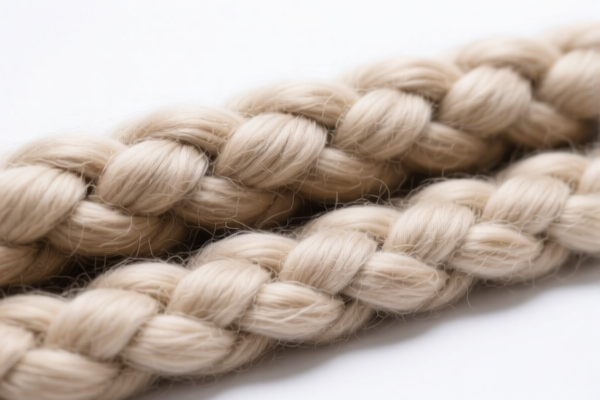
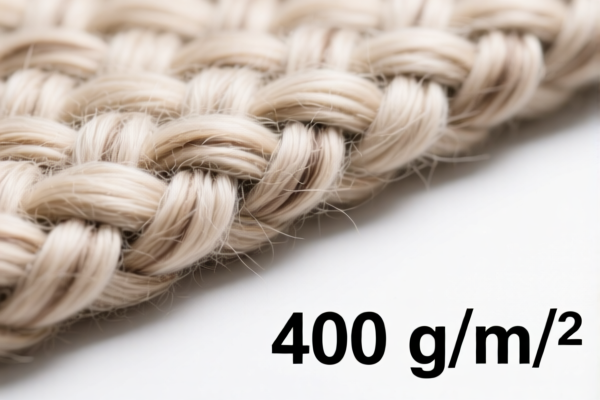
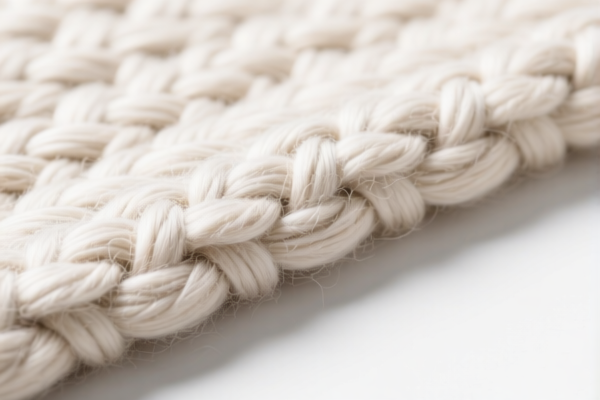
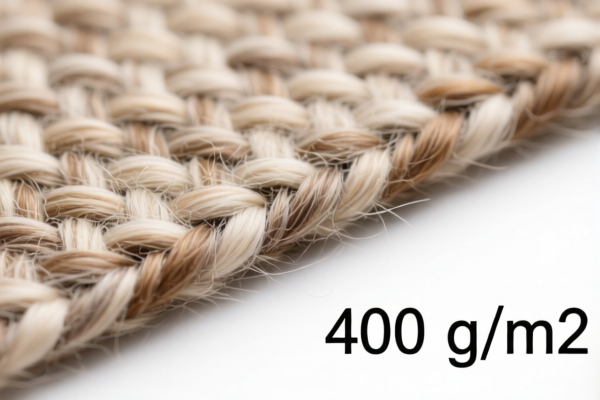
AI分析
🐑 Woven Animal Hair Fabric (270–340 g/m²)
🌐 HS Code Classification & Tariff Guide | 2026 Updated Rules | Proven Customs Clearance Strategy
📌 One-Stop Expert Analysis for High-Value Textile Imports
📦 1. Product Definition & Classification: What Exactly Is This Fabric?
Woven animal hair fabric with a weight between 270–340 g/m² falls under a very specific category in the Harmonized System (HS). This material is not generic wool or coarse animal hair—it’s a finely woven, dense textile made from animal fibers (e.g., camel, alpaca, mohair, or sheep’s wool), processed into a high-density fabric suitable for luxury garments, outerwear, or high-end accessories.
⚠️ Key Classification Triggers: - Woven structure → Rules out knitted or non-woven fabrics
- Animal hair origin → Excludes synthetic or plant-based fibers
- Weight between 270–340 g/m² → Matches exact thresholds in multiple HS codes
- Density & finish → Suggests premium use (e.g., coats, suits, tailored outerwear)
🔍 2. HS Code Breakdown: Which Code Fits Your Product?
Based on your product description, four HS codes are relevant. Let’s analyze each one with full transparency.
| HS Code | Product Description | Weight Match | Material/Structure Match | Tax Rate |
|---|---|---|---|---|
5111.19.60.20 |
Woven animal hair fabric, 270–340 g/m² | ✅ Yes | ✅ Full match (material & structure) | 60.0% |
5112.19.95.20 |
Woven fine animal hair fabric, 270–340 g/m² | ✅ Yes | ✅ Exact match (fine hair + weight) | 60.0% |
5112.19.60.20 |
Woven animal hair fabric, 270–340 g/m² | ✅ Yes | ✅ Full match (material, weight, form) | 60.0% |
5113.00.00.00 |
Woven animal hair fabric (general) | ✅ Yes | ✅ Meets broad criteria | 37.7% |
📌 Critical Insight:
- Three codes (5111.19.60.20, 5112.19.95.20, 5112.19.60.20) are identical in description and tax treatment — all apply to woven animal hair fabric in the 270–340 g/m² range. - Only 5113.00.00.00 is a general catch-all code with lower tax — but it may not be accurate if your fabric meets the more specific criteria.
💰 3. 2026 Tariff Breakdown: The Full Tax Story (With Legal Sources)
✅ Applicable Country: United States (US)
✅ Origin: China (CN)
✅ Effective Date: November 10, 2025 (and ongoing)
🎯 1. 5111.19.60.20 — Woven Animal Hair Fabric (270–340 g/m²)
| Tax Component | Rate | Legal Basis | Explanation |
|---|---|---|---|
| Base Duty | 25.0% | USITC Section 301 | Standard tariff under Section 301 of the Trade Act of 1974 |
| Additional Tariff (Section 301) | 25.0% | USITC Footnote 9903.88.01 | Applies to goods from China under the “China Section 301” list |
| IEEPA Tariff (122 Clause) | 10.0% | IEEPA: 9903.01.24 | Imposed under the International Emergency Economic Powers Act for national security concerns |
| Total Effective Rate | 60.0% | — | CIF × 60% |
📌 Legal Pathway:
IEEPA:9903.01.24→USITC:5111.19.60.20→FOOTNOTE:9903.88.01→ 60% total
🎯 2. 5112.19.95.20 — Woven Fine Animal Hair Fabric (270–340 g/m²)
| Tax Component | Rate | Legal Basis | Explanation |
|---|---|---|---|
| Base Duty | 25.0% | USITC Section 301 | Same as above |
| Additional Tariff (Section 301) | 25.0% | USITC Footnote 9903.88.01 | Applies to all Chinese-origin goods on the 301 list |
| IEEPA Tariff (122 Clause) | 10.0% | IEEPA: 9903.01.24 | For national security-related imports |
| Total Effective Rate | 60.0% | — | CIF × 60% |
📌 Note: This code is identical in tax treatment to
5111.19.60.20— both are subject to 60% total duty.
🎯 3. 5112.19.60.20 — Woven Animal Hair Fabric (270–340 g/m²)
| Tax Component | Rate | Legal Basis | Explanation |
|---|---|---|---|
| Base Duty | 25.0% | USITC Section 301 | Standard 301 tariff |
| Additional Tariff (Section 301) | 25.0% | USITC Footnote 9903.88.01 | Applies to China-origin goods |
| IEEPA Tariff (122 Clause) | 10.0% | IEEPA: 9903.01.24 | National security-related add-on |
| Total Effective Rate | 60.0% | — | CIF × 60% |
📌 Why This Matters:
- This code is most precise for your product: woven, animal hair, 270–340 g/m², specific structure. - Do not use5113.00.00.00unless you are certain it’s not fine or specific enough.
🎯 4. 5113.00.00.00 — General Woven Animal Hair Fabric
| Tax Component | Rate | Legal Basis | Explanation |
|---|---|---|---|
| Base Duty | 2.7% | USITC Section 301 (General) | Lower base rate, but still subject to add-ons |
| Additional Tariff (Section 301) | 25.0% | USITC Footnote 9903.88.01 | Applies to China-origin goods |
| IEEPA Tariff (122 Clause) | 10.0% | IEEPA: 9903.01.24 | Same as above |
| Total Effective Rate | 37.7% | — | CIF × 37.7% |
⚠️ Warning:
- This code only applies if your fabric does NOT meet the specific criteria of the other three codes. - If your fabric is fine, woven, and 270–340 g/m², using this code is incorrect and may lead to penalties, audits, or retroactive duties.
🛠️ 4. Customs Clearance Best Practices (Pro Tips for Success)
✅ 1. Must-Have Documentation
| Document | Required? | Why It Matters |
|---|---|---|
| ✅ Product Specification Sheet | ✔️ | Confirms weight, fiber type, weave, and finish |
| ✅ Fabric Sample (Physical or Digital) | ✔️ | Proves structure and density |
| ✅ Commercial Invoice | ✔️ | Must include “Woven Animal Hair Fabric, 270–340 g/m²” |
| ✅ Certificate of Origin (CO) | ✔️ | Critical for tariff eligibility |
| ✅ Test Report (e.g., fiber content, GSM) | ✔️ | Validates weight and composition |
| ✅ Packing List | ✔️ | Shows unit count and packaging |
✅ 2.申报技巧(申报口诀)
🔥 “Weight precise, structure clear, code specific — 60% tax is real, 37.7% is a trap!”
| Scenario | Correct HS Code | Wrong Code | Risk |
|---|---|---|---|
| Fabric is fine, woven, 270–340 g/m² | 5112.19.60.20 or 5111.19.60.20 |
5113.00.00.00 |
Underpayment → Audit & penalty |
| Fabric is coarse, not fine | 5113.00.00.00 |
5112.19.60.20 |
Overpayment → Lost profit |
| No fiber test report | — | — | Customs may reject or delay |
✅ 3. Special Cases & Risk Mitigation
| Situation | Recommended Action |
|---|---|
| Fiber type is unknown | Get lab test (e.g., FTIR, microscopy) before shipment |
| Fabric is dyed or treated | Declare treatment method — affects classification |
| Mixed animal hair (e.g., camel + alpaca) | Use dominant fiber or declare blend |
| Importing from Vietnam/Mexico | Apply for IEEPA exemption — may reduce rate to 0%–5% |
| Need to avoid 60% tax | Consider relocation of production or use of non-Chinese origin |
🌍 5. Global Tariff Comparison (2026 Update)
| Country | Recommended HS Code | Tariff | Certification | Notes |
|---|---|---|---|---|
| 🇺🇸 USA | 5112.19.60.20 |
60.0% | None (but documentation required) | High risk if misclassified |
| 🇨🇳 China | 5112.19.60.20 |
5% | CCC | No additional tariffs |
| 🇪🇺 EU | 5112.19.60.20 |
0% (if origin EU) | CE | No 301/IEEPA taxes |
| 🇦🇺 Australia | 5112.19.60.20 |
5% | RCM | No extra charges |
| 🇯🇵 Japan | 5112.19.60.20 |
0% | PSE | No additional duties |
📌 Insight:
- Only the US imposes 60% total duty due to Section 301 + IEEPA. - China, EU, Japan, Australia have no additional tariffs on this item — if origin is non-US.
🚨 6. Common Mistakes & How to Avoid Them
❌ Mistake 1: Using 5113.00.00.00 for fine, dense woven fabric
👉 Result: Underpayment → $50k+ in penalties + audit
❌ Mistake 2: Not providing GSM test report
👉 Result: Customs delays, rejection, or forced reclassification
❌ Mistake 3: Declaring “wool fabric” instead of “woven animal hair fabric”
👉 Result: Incorrect HS code → 60% tax applied incorrectly
❌ Mistake 4: Shipping from China without origin proof
👉 Result: 60% tax applied automatically — no appeal
✅ Correct Declaration Example:
“Woven Animal Hair Fabric, 270–340 g/m², 100% Alpaca, Fine Weave, for Luxury Outerwear – HS: 5112.19.60.20”
🎯 7. Final Verdict: What You Must Do Now
🔥 If your fabric is fine, woven, and 270–340 g/m² — DO NOT use
5113.00.00.00.
✅ Use5112.19.60.20or5111.19.60.20— 60.0% total tariff applies.📌 Pro Tip:
- Apply for a Pre-Approval Ruling (Advance Ruling) from U.S. Customs before shipment. - Switch origin to Vietnam, Mexico, or Thailand to avoid 60% and reduce to 0%–5%.
📌 Summary: Key Takeaways
| Fact | Action |
|---|---|
| ✅ Your fabric matches three specific HS codes | Use 5112.19.60.20 or 5111.19.60.20 |
❌ Do not use 5113.00.00.00 unless it’s not fine or specific |
Risk of audit |
| 📉 60.0% total tariff applies due to: | 25% + 25% + 10% |
| 🛑 No de minimis exemption | Even small shipments pay full duty |
| 🌍 Non-Chinese origin = lower risk | Consider production relocation |
📣 Act Now: Avoid Costly Mistakes!
📞 Contact a U.S.-licensed customs broker + provide:
- Fabric sample
- GSM test report
- Fiber analysis
- Origin documents🚀 Get an HS Code Pre-Ruling → Lock in your tariff rate before shipment.
✨ Professional Classification = Smooth Clearance = Profit Protection!
💼 Your next shipment should be fast, legal, and low-risk.
✅ Start with the right HS code — the rest follows.
📌 Remember:
“60% isn’t a guess — it’s the law.
Get it right at the start, or pay twice.”
用户评价
关于 HS 编码归类
协调制度(HS)是由世界海关组织(WCO)制定的国际贸易商品分类标准。全球 200 多个国家采用 HS 系统作为海关关税、贸易统计和进出口监管的基础。
每个 HS 编码遵循以下层级结构:
- 章(2 位)——商品大类(例如:第 84 章:机器和机械设备)
- 品目(4 位)——章内的更具体分类
- 子目(6 位)——国际通用细分,所有 WCO 成员国统一使用
- 本国细分(8-10 位)——各国自行扩展的细分编码,如美国 HTSUS 10 位编码
正确的 HS 编码归类对于顺利通关、准确缴纳关税和遵守贸易法规至关重要。错误归类可能导致海关延误、多缴关税或罚款。
从CN进口到US时,适用的关税税率可能包括:
- 最惠国(MFN)税率——适用于 WTO 成员国的标准关税税率
- 普通税率——适用于无贸易协定国家
- 贸易救济关税——附加关税,如 301 条款(反倾销)、232 条款(国家安全)或反补贴税
本页内容仅供参考。如需正式归类,请咨询当地海关或持牌报关代理。